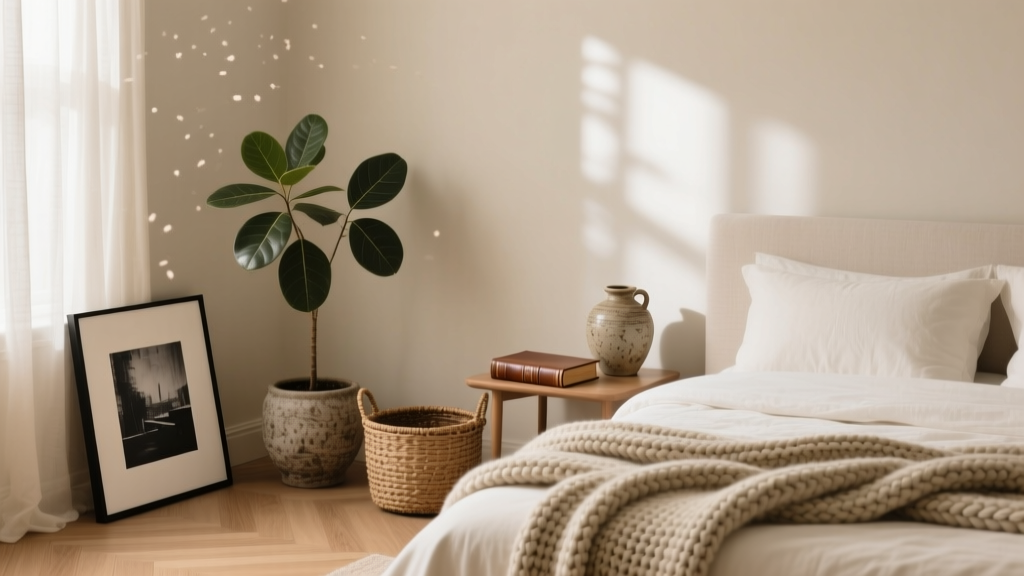
How to Create a Bedroom That Feels Collected - The Decor Mag
A bedroom that feels “collected” has a quiet confidence to it. Nothing looks like it was bought in a rush or copied from a showroom. Instead, the room feels layered over time—warm, personal, and easy to live in. That feeling isn’t just aesthetic. The more settled and intentional your bedroom design feels, the more your nervous system can downshift at night.
Sleep quality is strongly shaped by your sleep environment: light exposure, temperature, clutter levels, noise, and the subtle emotional cues your space gives you. A chaotic bedroom—mismatched on accident, overly bare, or constantly cluttered—can keep your mind in “day mode.” A collected bedroom supports rest because it feels coherent, calm, and emotionally safe.
The goal isn’t perfection or a strict style. It’s creating a bedroom decor story that makes sense: a few anchors, a few layers, and a few personal pieces that feel earned. Here’s how to do it with practical steps, sleep-friendly choices, and budget ranges that work for both homeowners and renters.
What “Collected” Really Means (and Why It Helps You Sleep)
A collected bedroom usually has three qualities:
- Intentional variety: Items don’t match exactly, but they relate through color, material, or era.
- Visual calm: There are places for the eye to rest—clear surfaces, breathing room, and repeat elements.
- Personal cues: Art, books, textiles, or objects with meaning (not random filler).
From a sleep wellness perspective, a collected room often reduces overstimulation. It tends to use softer lighting, less visual noise, and more tactile comfort (textiles, natural materials). These elements help cue your body that it’s time to relax—especially when they’re consistent every night.
Start With the Anchors: Bed, Nightstands, and Rug
1) Choose a Bed That Grounds the Room
The bed is the largest “visual weight” in the room. A collected look starts with a bed that feels substantial and comfortable.
- Upholstered headboard: Quiet, soft, and sound-dampening. Great for reading in bed. Look for linen, cotton, or performance fabric.
- Wood frame: Adds warmth and ages well. Oak, walnut, or ash work in most bedroom design styles.
- Metal bed: Airy and vintage-leaning. Great in small bedrooms or rentals where you want lighter visual mass.
Budget ranges:
- $200–$600: Basic metal or simple wood frames; consider secondhand solid wood.
- $700–$1,500: Upholstered frames with better padding and sturdier slats.
- $1,500–$3,000+: Handmade, solid wood, or designer upholstery with premium construction.
Sleep-friendly tip: Prioritize a quiet, stable frame. Squeaks and wobble can cause micro-awakenings. If you’re sensitive to sound, add felt pads at joints and ensure the frame has a center support.
2) Nightstands That Don’t Need to Match
Matching nightstands can feel “catalog,” while mismatched nightstands can feel collected—if they share at least one common thread.
Try pairing:
- A vintage wood nightstand + a clean-lined painted cabinet (shared height and similar hardware tone)
- A small dresser + a round pedestal table (shared color family and lamp style)
- A floating shelf on one side + a narrow table on the other (shared materials: oak + brass)
Proportion rule: Aim for the nightstand surface to sit within 2–4 inches of mattress height for easy reach and visual balance.
3) Add a Rug That “Holds” the Bed
A rug is one of the fastest ways to make a bedroom feel designed rather than assembled. It also supports comfort—stepping onto something soft in the morning changes the whole tone of the space.
- Best materials: Wool (durable, cozy, naturally stain-resistant), cotton (budget-friendly), jute blends (textured, but can be rough).
- Sleep-friendly choice: Low-pile wool or wool-blend rugs trap less dust than shag and are easier to vacuum.
Size guide (most common):
- Queen bed: 8' x 10' is the sweet spot
- King bed: 9' x 12' if space allows
- Small room option: Two runners on either side of the bed
Budget ranges:
- $150–$400: Cotton flatweaves, synthetic blends, smaller wool-blends
- $500–$1,200: Quality wool rugs in standard sizes
- $1,200–$3,500+: Hand-knotted wool, vintage, or specialty natural dyes
Build Layers Like a Stylist: Bedding That Looks (and Feels) Collected
Bedding is where “collected” meets sleep quality most directly. The most beautiful bedroom decor won’t matter if you’re tossing all night. Choose materials that breathe, regulate temperature, and feel good against skin.
Go for a Layered Bedding Formula
- Breathable sheets: Long-staple cotton percale for crisp-cool sleepers, or linen for airy texture and temperature regulation.
- Comfort layer: A duvet insert (down or down-alternative) sized up for drape.
- Texture layer: Quilted coverlet, matelassé blanket, or a cotton waffle blanket.
- Finish: Throw blanket at the foot for a relaxed, lived-in look.
Material recommendations:
- Percale cotton: Cool, crisp, ideal for hot sleepers and summer.
- Linen: Relaxed and collected by nature; softens with washing.
- Wool blanket: Excellent for temperature regulation; choose a soft merino blend if sensitive to texture.
Budget ranges for bedding (per item):
- $40–$120: Basic cotton sheet sets, simple quilts, cotton throws
- $120–$300: Better cotton percale, linen blends, mid-tier duvet covers
- $300–$600+: Premium linen, long-staple cotton, responsibly sourced down inserts
Color and Pattern: Keep It Calm, Add Interest Slowly
A collected bedroom often uses a restrained palette with small pattern moments. For sleep, softer colors reduce visual stimulation at night.
- Base palette: warm whites, oat, mushroom, soft gray, muted sage, dusty blue
- Pattern strategy: one primary pattern (like a subtle stripe or block print) + one quiet secondary (like a tiny check)
- Texture strategy: mix matte and nubby textures (linen + quilted cotton + wool throw)
Easy rule: If you want a bolder headboard or rug, keep sheets and pillowcases simpler. If bedding is patterned, choose calmer walls and a quieter rug.
Lighting That Feels Warm, Layered, and Sleep-Supportive
Lighting is a major driver of your circadian rhythm. Bright, cool light at night can delay melatonin and make it harder to fall asleep. A collected bedroom relies on layered lighting—glow, not glare.
Use Three Lighting Levels
- Ambient: Overhead fixture on a dimmer, or a warm ceiling light (2700K or lower).
- Task: Bedside lamp or adjustable sconce for reading.
- Accent: Small lamp on a dresser, picture light, or a soft plug-in wall light to add depth.
Product types that work well:
- Table lamps with linen or paper shades (diffuse light softly)
- Plug-in swing-arm sconces (renter-friendly, frees nightstand space)
- Dimmable LED bulbs labeled Warm White 2200K–2700K
Budget ranges:
- $15–$40: Warm LED bulbs, plug-in dimmers
- $60–$200: Good bedside lamps and plug-in sconces
- $250–$800+: Statement pendants, hardwired sconces, designer shades
Sleep-friendly tip: Avoid exposed bulbs near the bed. Choose shades that hide the bulb and reduce harsh brightness. If you read at night, aim the light at your book, not your face.
Make the Room Feel Curated: Art, Objects, and Meaningful Repetition
Collected doesn’t mean crowded. It means each visible item feels chosen. The easiest way to create that effect is to repeat a few materials and let your personal pieces shine.
Repeat Materials Like a Designer
Pick 2–3 finishes and repeat them across the room:
- Metals: aged brass + black, or brushed nickel + antique bronze
- Woods: light oak + darker walnut accents, or keep wood tones within one temperature
- Textiles: linen, wool, cotton—natural materials read calm and timeless
Style Surfaces with Restraint
Try the “3-item nightstand” that still supports sleep:
- A lamp (or sconce above)
- A small tray for essentials (lip balm, ring dish, hand cream)
- One calming object (a book, framed photo, or small vase)
Wellness tip: Keep work items out of sight—laptops, chargers, paperwork. If you must charge your phone in the room, use a drawer or a covered charging box to reduce visual clutter.
Add One Vintage or Handmade Element
Even a single piece can shift the room from “new” to collected:
- A vintage mirror with a softer patina
- A thrifted wood stool used as a bedside table
- A handmade ceramic dish on the nightstand
- A framed textile or vintage print
Budget tip: For under $50–$150, thrift stores and online resale can provide the most “collected” impact: frames, lamps, small tables, baskets, and art.
Layout and Flow: A Bedroom That Feels Easy to Live In
A collected bedroom isn’t just styled; it functions smoothly. When the layout supports your routines, your body learns the space as a cue for rest.
Simple Layout Priorities
- Clear path: Leave at least 24–30 inches of walking space on the main side of the bed if possible.
- Bed placement: Anchor the bed on the longest uninterrupted wall when you can.
- Drop zone: Add a small chair, bench, or wall hooks so clothes don’t land on the floor.
Furniture recommendations:
- Bench at the foot of the bed: Adds a tailored look and reduces clothing piles (look for upholstered or wood with a cushion).
- Dresser with calm top styling: A tray + lamp + one art piece keeps it collected, not cluttered.
- Closed storage: Nightstands with drawers, storage ottomans, or under-bed bins to hide visual noise.
Sleep-Friendly Bedroom Design: Small Changes With Big Payoff
Collected style and sleep hygiene can work together. These are the upgrades that improve rest while also making your bedroom decor feel more intentional.
- Blackout or lined curtains: Improves melatonin-friendly darkness; choose textured linen-look or cotton to keep it warm and collected.
- Temperature control: Aim for a cooler room (many sleepers do best around 60–67°F). Use breathable bedding and a fan for air movement.
- Noise management: Add a wool rug, upholstered headboard, or fabric curtains to soften echo; consider a white noise machine if needed.
- Air quality: Vacuum rugs regularly, wash bedding weekly, and consider an air purifier if allergies affect sleep.
- Scent as a cue: If you enjoy fragrance, keep it subtle—linen spray or a diffuser on a timer earlier in the evening (avoid overpowering scents at bedtime).
Common Mistakes That Keep a Bedroom From Feeling Collected
- Buying everything at once: Collected rooms look better when you layer slowly. Start with anchors, then add art and objects over time.
- Too many small decor items: Ten tiny pieces read cluttered. One larger piece (oversized art, a bigger lamp) reads curated.
- Ignoring scale: A tiny rug under a queen bed, or nightstands that sit far below the mattress, can make the room feel “off.”
- Cold lighting: 4000K–5000K bulbs can feel clinical and disrupt a restful sleep environment.
- Open storage everywhere: Open shelves can look stylish but often become visual noise in bedrooms. Balance open and closed storage.
- Too many competing patterns: If the rug, bedding, curtains, and art all shout, the room won’t feel calming.
A Simple 7-Day Plan to Make Your Bedroom Feel Collected
- Day 1: Clear surfaces (nightstands, dresser). Keep only essentials.
- Day 2: Swap bulbs to warm, dimmable lighting; add a soft bedside lamp if needed.
- Day 3: Upgrade one bedding layer (duvet cover, sheets, or a textured blanket).
- Day 4: Add a rug or runners for warmth and sound-softening.
- Day 5: Hang art with meaning above the bed or dresser (one large piece or a simple pair).
- Day 6: Add closed storage (basket, drawer organizer, under-bed bins) to reduce clutter.
- Day 7: Add one “collected” element (vintage lamp, handmade bowl, framed print) and repeat its tone elsewhere.
FAQ: Creating a Collected Bedroom
How do I make my bedroom look collected on a budget?
Focus spending on one anchor (a solid rug or quality bedding), then thrift the supporting cast: lamps, frames, small tables, baskets. Aim for a cohesive color palette and repeat materials (like wood + brass) so secondhand pieces look intentional.
Should my nightstands match for a collected look?
No. Matching can be beautiful, but mismatched nightstands often look more collected. Keep them similar in height and visual weight, and tie them together with matching lampshade shapes or a shared finish (both with brass hardware, for example).
What colors are best for a calming sleep environment?
Muted, low-contrast colors tend to feel most restful: warm whites, soft taupe, sage green, dusty blue, and gentle clay. If you love dark walls, deep navy or charcoal can also support sleep by reducing brightness—pair with warm lighting and lighter bedding.
How can renters create a collected bedroom without painting or hardwiring?
Use plug-in sconces, peel-and-stick wallpaper on one accent area, removable hooks for art, and textile changes (curtains, bedding, rug). A large piece of art leaning on a dresser also adds collected style with zero wall damage.
What’s the fastest upgrade that improves both decor and sleep?
Warm, dimmable lighting plus breathable bedding. Switching to 2200K–2700K bulbs and upgrading sheets (cotton percale or linen) can make the bedroom feel calmer immediately and support better sleep quality.
How do I keep a collected bedroom from turning into clutter?
Use closed storage, limit surfaces to a few styled items, and follow a “one in, one out” rule for decor. If something doesn’t have a purpose or meaning, store it or donate it.
Next Steps: Bring the Collected Feeling Into Your Own Bedroom
Start with comfort and function, then layer in personality. Choose one calming palette, invest in the pieces that touch your sleep (mattress support, bedding, lighting), and add a few meaningful elements that tell your story. A collected bedroom doesn’t happen overnight—it gets better as you live in it.
If you’d like more bedroom design ideas, sleep-friendly decor tips, and styling guides, explore the latest inspiration on thedecormag.com.
More Articles
 Bedroom Warm Wood Canopy Bed Frame - The Decor Mag
 How to Create a Bedroom for Better Sleep - The Decor Mag
 How to Choose Bedroom Curtain Length - The Decor Mag
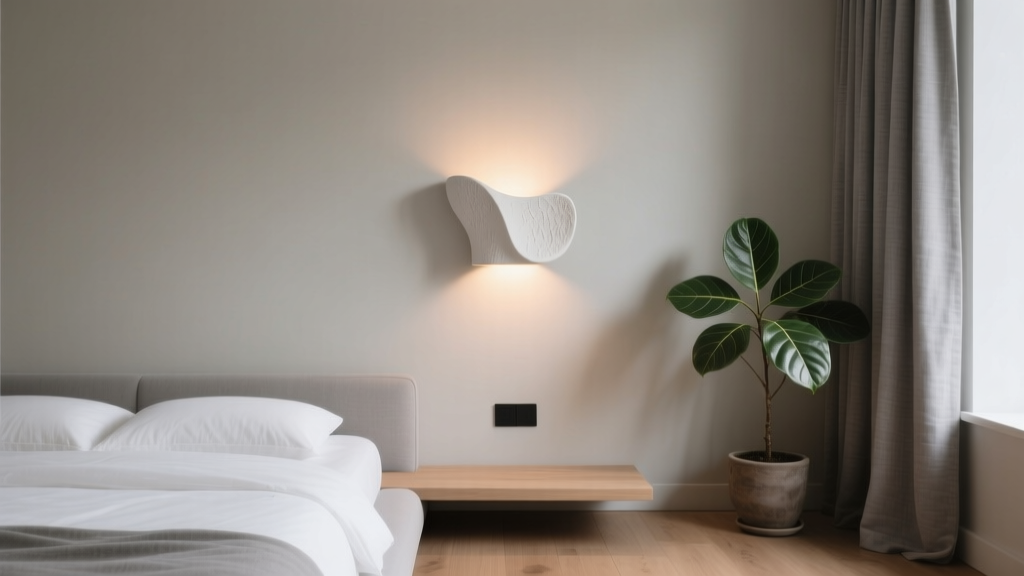 Bedroom Plaster Sconce Wall Application - The Decor Mag
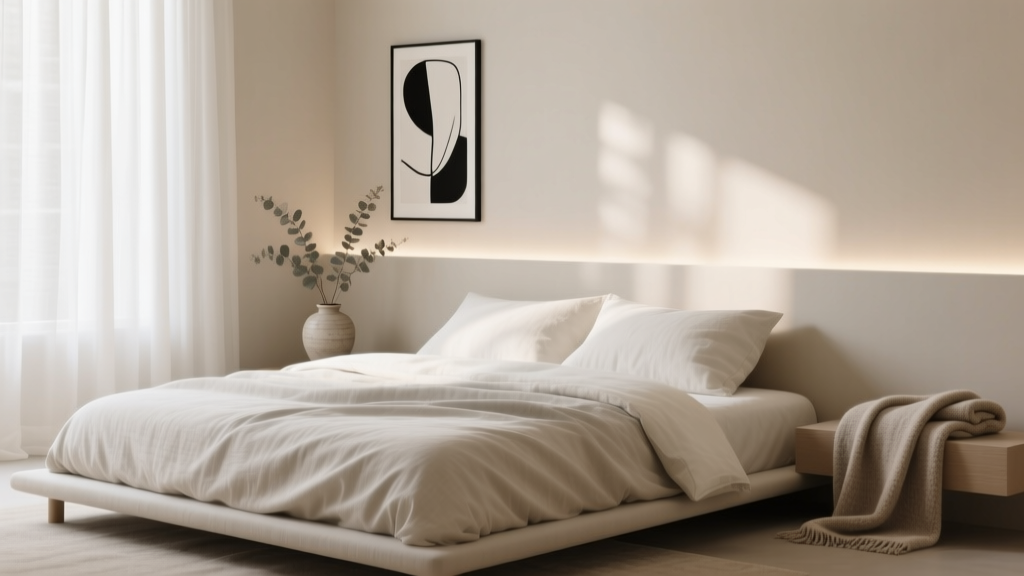 Bedroom Washed Linen Bedding Styling - The Decor Mag
 Best Bedroom Sleep Eye Mask Collection - The Decor Mag
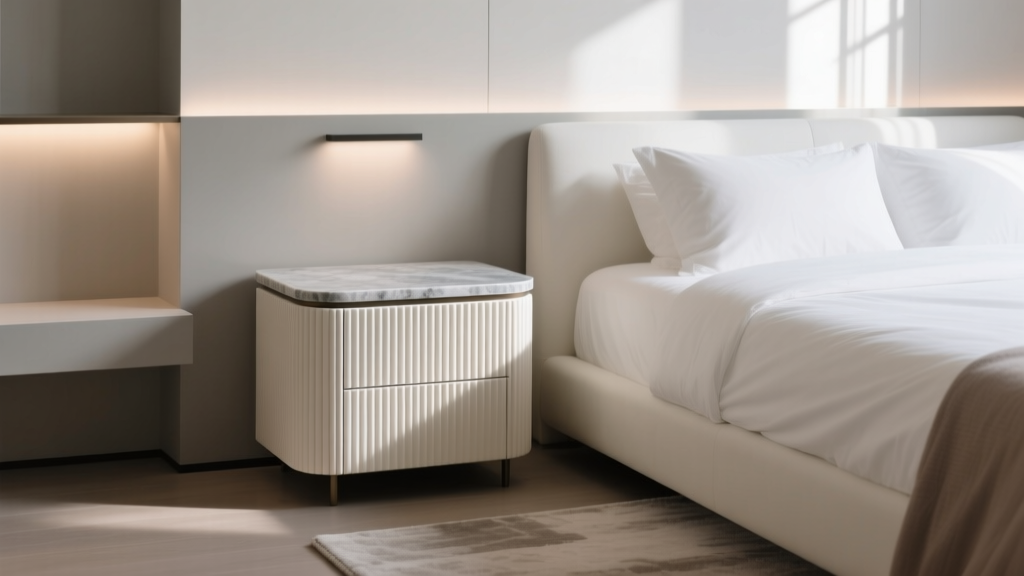 Bedroom Fluted Nightstand with Stone Top - The Decor Mag
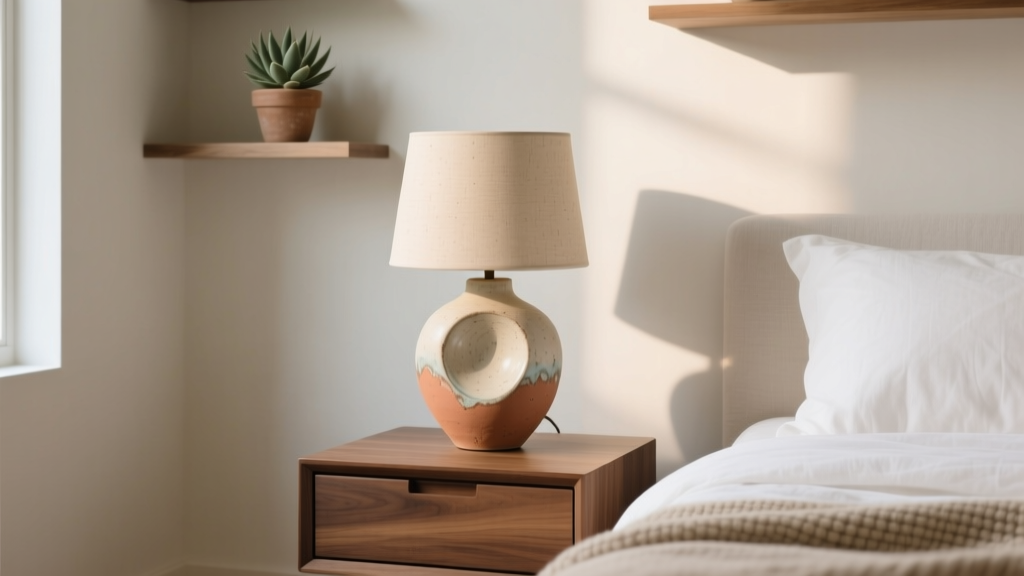 Bedroom Handmade Ceramic Nightstand Lamp - The Decor Mag
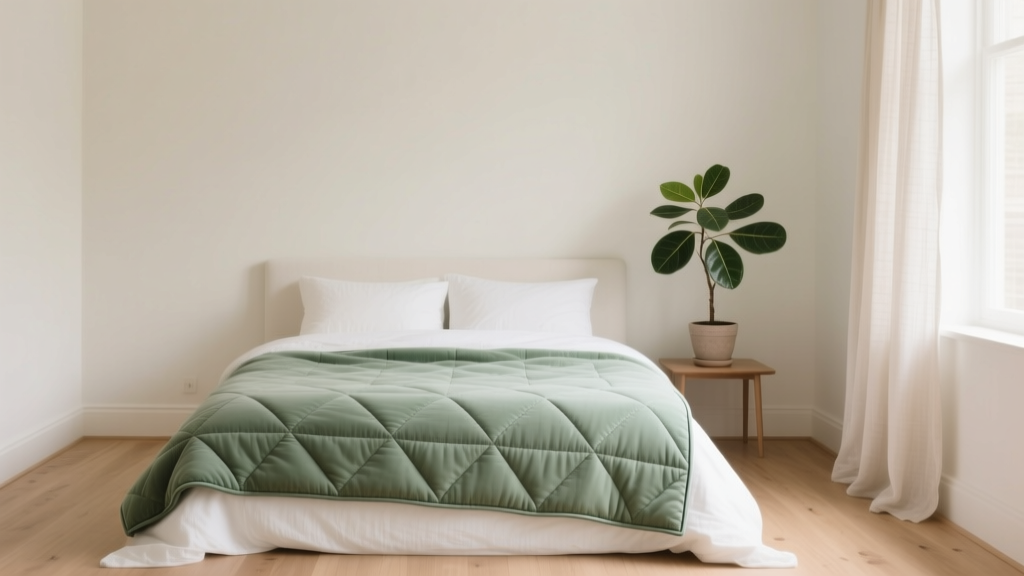 Best Bedroom Sleep Weighted Blanket Guide - The Decor Mag
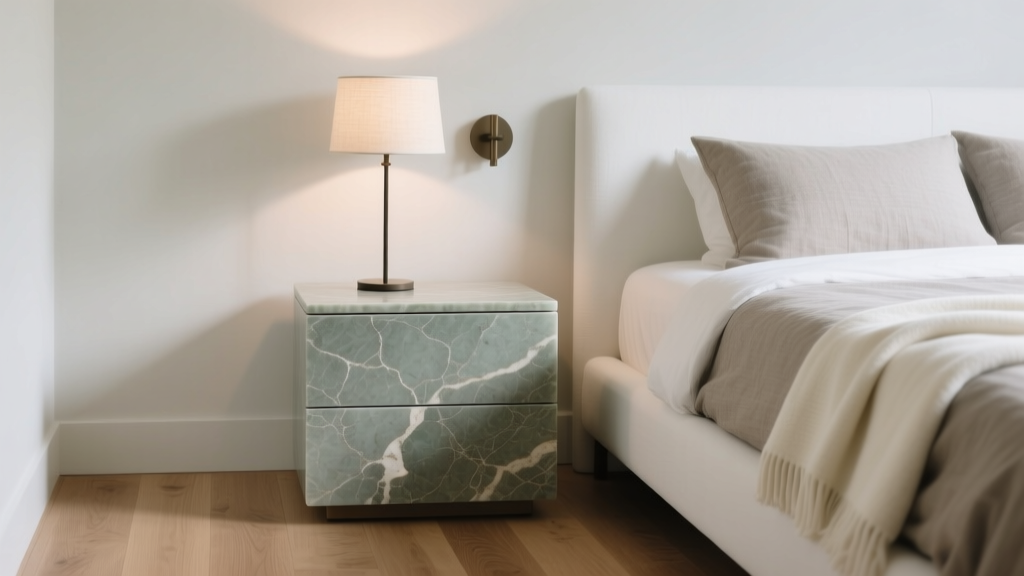 Bedroom Natural Stone Nightstand Top - The Decor Mag