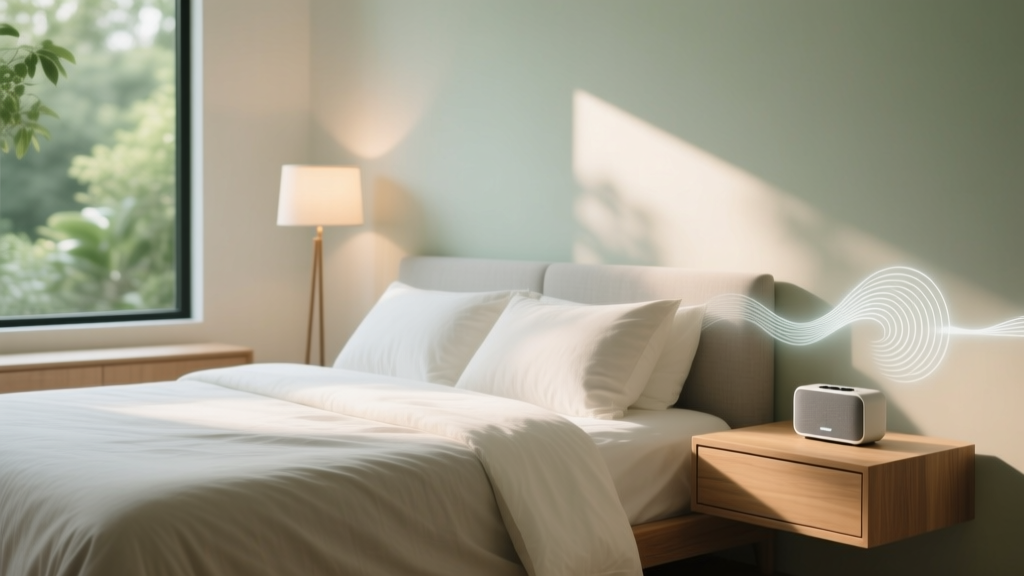
Best Bedroom Sleep Sound Playlist - The Decor Mag
A truly restful bedroom isn’t only about how it looks—it’s about how it feels. The right sleep sound playlist can soften the edges of a busy day, mask disruptive noise, and cue your brain that it’s time to power down. When you pair a calming audio routine with smart bedroom design choices (lighting, layout, bedding, and materials), you create a sleep environment that works with your body’s natural rhythms instead of against them.
Many homeowners and renters focus on decor first and sleep quality second, then wonder why their beautiful space still feels “awake.” Sound is the missing layer: it’s invisible, but it shapes how safe, private, and settled your bedroom feels. A steady, soothing soundscape can lower perceived stress, reduce nighttime awakenings triggered by sudden noises, and help you maintain a consistent wind-down routine—one of the strongest predictors of better sleep.
Below, you’ll find a practical, design-forward guide to building the best bedroom sleep sound playlist, plus the bedroom setup details that make those sounds more effective. Think of it as a full sensory plan: audio + light + texture + layout for deeper, more restorative rest.
Why Sound Belongs in Bedroom Design
Bedroom design and sleep quality are tightly linked. The colors you see, the textures you touch, and the noise you hear all feed your nervous system information about whether it’s safe to relax. From a wellness perspective, sleep-friendly sound does three key jobs:
- Masks sudden noise (traffic, neighbors, plumbing) with a consistent “audio blanket.”
- Creates a conditioned cue—hearing the same playlist signals bedtime, making it easier to fall asleep over time.
- Reduces cognitive “chatter” by giving your mind a gentle focal point, especially helpful during anxious or restless nights.
Design-wise, sound also affects how a room feels. Hard, reflective surfaces (bare walls, wood floors, minimal window coverings) amplify echo and make external noise feel sharper. Soft furnishings and layered textiles absorb sound and help your playlist stay warm and soothing rather than tinny or harsh.
How to Build the Best Bedroom Sleep Sound Playlist
Start With the Goal: Falling Asleep vs. Staying Asleep
Your ideal playlist depends on what you struggle with most:
- If falling asleep is hard: Choose slower, predictable tracks with minimal variation. Avoid lyrics and sudden changes.
- If staying asleep is hard: Choose continuous sounds (rain, brown noise, steady ocean) that mask nighttime disruptions for 6–10 hours.
- If early waking is the issue: Use a playlist timer that fades out near your desired wake time, or switch to very low-volume brown noise.
Best Sound Types for Sleep (Choose 1–2)
Mixing too many sound styles can keep the brain alert. For most sleepers, one core sound type works best.
- Brown noise: Deeper, softer than white noise; great for urban apartments and street noise.
- Pink noise: Balanced and smooth; often comfortable for light sleepers.
- Rain or gentle thunderstorms: Relaxing and familiar; choose tracks without sharp thunder cracks.
- Ocean waves: Best when the wave pattern is consistent (no sudden seagulls, voices, or loud surf).
- Fan-like sound: Classic and steady; can be replicated via a sound machine if you don’t want airflow.
- Ambient instrumentals: Look for slow tempos, no vocals, and minimal dynamic range.
A Simple “Playlist Formula” That Works Night After Night
- Wind-down (10–20 minutes): Soft ambient music or slow instrumentals to transition from screens and chores.
- Sleep onset (20–40 minutes): Rain, pink noise, or very steady ocean to help you drift off.
- Sleep maintenance (4–10 hours): Brown noise or continuous rain with no abrupt loops.
If you share a bedroom, prioritize consistency over novelty. A familiar track can become a powerful “bedtime anchor” for both partners.
Volume, Placement, and Timing (Make It Actually Sleep-Friendly)
- Volume: Aim for a low, steady level—loud enough to mask sudden noise, quiet enough to fade into the background. If you can clearly follow the “story” of the sound, it’s likely too loud.
- Speaker placement: Place the speaker across the room or on a nightstand not directly next to your head. The goal is immersion, not intensity.
- Timer: If you use music, set a 30–60 minute sleep timer. For noise masking, let it run through the night at low volume.
- Headphones: Avoid sleeping with standard earbuds. If you must, choose flat sleep headphones designed for side sleepers.
Bedroom Design Choices That Improve Your Sleep Sound Playlist
Soften the Room: Textiles That Absorb Sound
To get the most out of your sleep playlist, reduce echo and sharp reflections. These decor upgrades also make bedrooms feel cozier and more sleep-focused.
- Area rug: A medium-to-thick rug (or rug + pad) reduces footstep noise and echo.
Budget: $100–$300 for synthetic; $300–$800 for wool blends. - Window treatments: Layered curtains (sheer + blackout) help with sound dampening and light control.
Budget: $40–$120 per panel for ready-made; $200–$600+ for custom. - Bedding layers: A quilt, duvet, and textured throw reduce “crisp” sound in the room and add comfort.
Materials: cotton percale (cool), cotton sateen (silky), linen (breathable), bamboo/viscose blends (soft, temperature-friendly).
Choose a Bed and Headboard That Support Quiet Comfort
- Upholstered headboard: Helps absorb sound and adds a calm, padded feel—especially helpful in echo-prone rooms.
Budget: $150–$400 (basic); $500–$1,200 (designer/solid frame). - Solid bed frame: Prevents creaks that disrupt sleep. Look for reinforced slats and center support.
Tip: If your frame squeaks, tighten hardware and add felt pads at contact points. - Mattress stability: Motion isolation matters if you share a bed. Hybrid or foam designs often reduce partner disturbance.
Lighting That Pairs With Sound for a Stronger Sleep Cue
Sound works even better when your lighting signals “night.” Aim for a low, warm glow 1–2 hours before bed.
- Warm bulbs: 2200K–2700K in bedside lamps for a cozy, sleep-friendly atmosphere.
- Dimmers: Plug-in dimmers for lamps are an easy renter-friendly upgrade.
Budget: $10–$25. - Smart lighting: Automate a gradual dim sequence that starts when your playlist begins.
Budget: $15–$40 per bulb.
Calming Color Palette: Let the Room Feel Quieter
Color won’t block noise, but it changes how your body experiences the space. For a bedroom sanctuary, choose muted tones that reduce visual stimulation:
- Soft neutrals: warm white, oat, greige, sandy taupe
- Restful cools: dusty blue, misty sage, gray-green
- Grounding earth tones: clay, muted terracotta, mushroom
If you love bold color, keep it to a single accent (pillow, art, throw) and let the larger surfaces stay calm.
Sleep Wellness Tips That Make Your Playlist More Effective
- Keep a consistent start time: Begin your playlist at the same time each night to reinforce your circadian rhythm.
- Pair sound with breath: Try 4–6 slow breaths as the playlist starts—inhale through the nose, long exhale. The brain associates the sound with relaxation faster.
- Lower the room temperature: Many sleepers do well in a cool room. Use breathable bedding (cotton percale or linen) if you overheat.
- Use scent carefully: If you enjoy aromatherapy, a subtle lavender or chamomile note can complement sound. Avoid strong fragrances that linger and cause headaches.
- Reduce nighttime alerts: Put your phone on Do Not Disturb; keep the playlist source in airplane mode if possible.
Gear for Bedroom Sleep Sounds (With Budget Ranges)
Sound Machine vs. Speaker vs. Phone
- Dedicated sound machine: Best for uninterrupted playback and consistent looping.
Budget: $25–$60 (basic), $60–$150 (premium with better speakers and more sound options). - Bluetooth speaker: Good for music and flexible playlists; choose one with warm sound and no loud startup tones.
Budget: $30–$100 (solid), $100–$250 (higher fidelity). - Phone/tablet: Convenient but risky for notifications and late-night scrolling.
Tip: If you use your phone, keep it across the room and disable alerts.
Renter-Friendly Soundproofing Decor
- Draft stoppers: Reduce hallway noise and light leaks.
Budget: $10–$30. - Bookcase on a shared wall: Books and soft bins absorb sound better than empty shelving.
Budget: $60–$250. - Fabric wall hanging or tapestry: Adds softness without permanent changes.
Budget: $25–$150.
Common Mistakes to Avoid
- Choosing tracks with vocals: Lyrics encourage the brain to process language, delaying sleep onset.
- Picking “cinematic” nature sounds: Tracks with birds, distant voices, or dramatic thunder can startle you awake.
- Volume creep: Turning sound up night after night can fatigue your ears and reduce effectiveness. Instead, improve masking with rugs, curtains, and door seals.
- Putting the speaker right next to your pillow: Close-range sound can feel intrusive and may worsen sleep for sensitive sleepers.
- Overcomplicating the playlist: Too many styles (rain + piano + binaural beats + ocean) can keep your mind engaged.
- Ignoring the room’s acoustics: A beautiful but bare room can feel “loud.” Add soft layers and your playlist will sound more soothing.
FAQ: Bedroom Sleep Sound Playlist
What’s the best type of noise for sleep: white, pink, or brown?
Many people find brown noise the most soothing because it’s deeper and less hissy than white noise. Pink noise is also a popular choice for a softer, balanced sound. The best option is the one you find calming at a low volume and can tolerate all night.
Should I play sleep music all night?
If you’re using music, a 30–60 minute timer tends to work best. For continuous noise (brown/pink noise or steady rain), playing it all night can help mask sudden disruptions and support staying asleep.
How loud should my sleep sound playlist be?
Keep it low and steady—just loud enough to blur background disturbances. If you can clearly track individual instruments or sound effects, lower it a bit. The goal is a gentle backdrop, not a performance.
Can a sleep sound playlist help if I have noisy neighbors?
Yes, especially when paired with sound-absorbing bedroom decor like rugs, blackout curtains, and upholstered furniture. For heavy noise, combine brown noise with practical fixes like a door draft stopper and a bookcase along shared walls.
Are sleep headphones safe?
Standard earbuds can be uncomfortable and may increase irritation for side sleepers. If you prefer headphones, use a flat sleep headband designed for overnight wear, and keep volume low.
What if my partner and I like different sleep sounds?
Try a neutral option such as pink or brown noise at a low volume. Another solution is placing the sound machine closer to the person who wants it (but still not right at ear level), or using a pillow speaker on one side of the bed.
Next Steps: Your 15-Minute Sleep Sound + Bedroom Reset
- Pick one core sound (brown noise, pink noise, rain, or ocean) and commit to it for a week.
- Set a routine: Start your playlist at the same time nightly, with lights dimmed.
- Soften the acoustics: Add one sound-absorbing upgrade this week—an area rug, thicker curtains, or an upholstered headboard.
- Protect the calm: Silence notifications, keep your phone across the room, and let your playlist be the final cue of the day.
Your bedroom should feel like a refuge—visually soothing, physically comfortable, and gently quieted by the right sounds. For more calming bedroom design, sleep environment tips, and decor ideas that support real rest, explore the latest guides on thedecormag.com.
More Articles
 Bedroom Floating Nightstand Ideas - The Decor Mag
 How to Incorporate Texture in Bedroom Decor - The Decor Mag
 How to Style a Bed Like a Hotel - The Decor Mag
 Bedroom Curved Furniture Design Trend - The Decor Mag
 Best Bedroom Essential Oil Blend for Sleep - The Decor Mag
 Stylish Bedroom Design for Hot Summers
 How to Create Symmetry in Bedroom Design - The Decor Mag
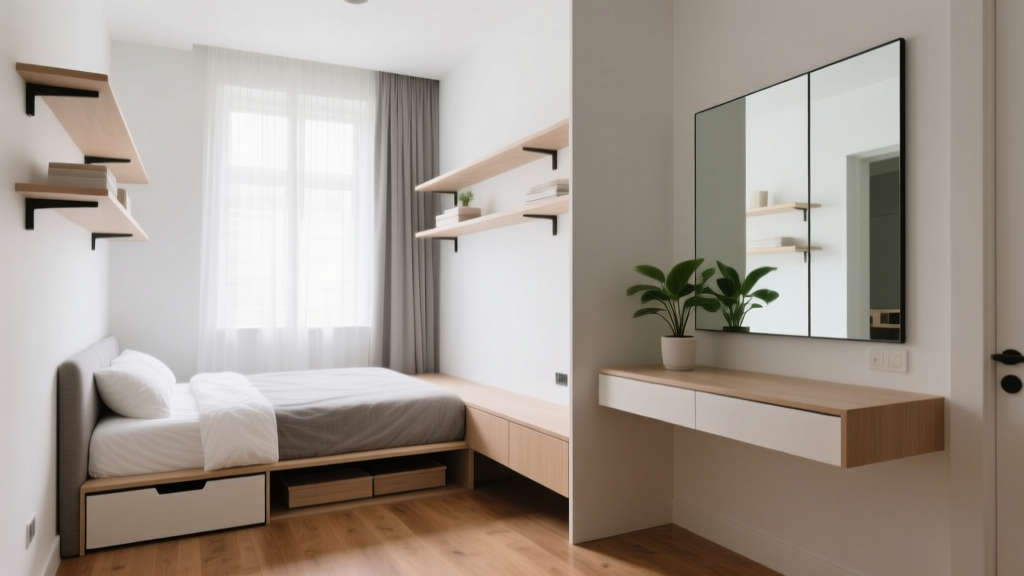 Small Bedroom Layout Hacks for Apartments (2026)
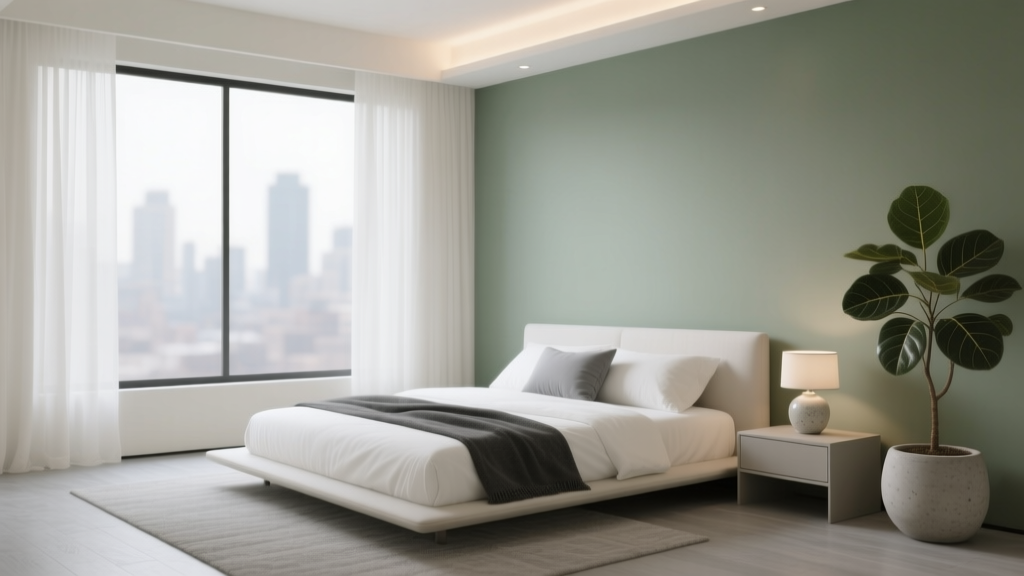 How to Create a Bedroom for Deep Rest - The Decor Mag
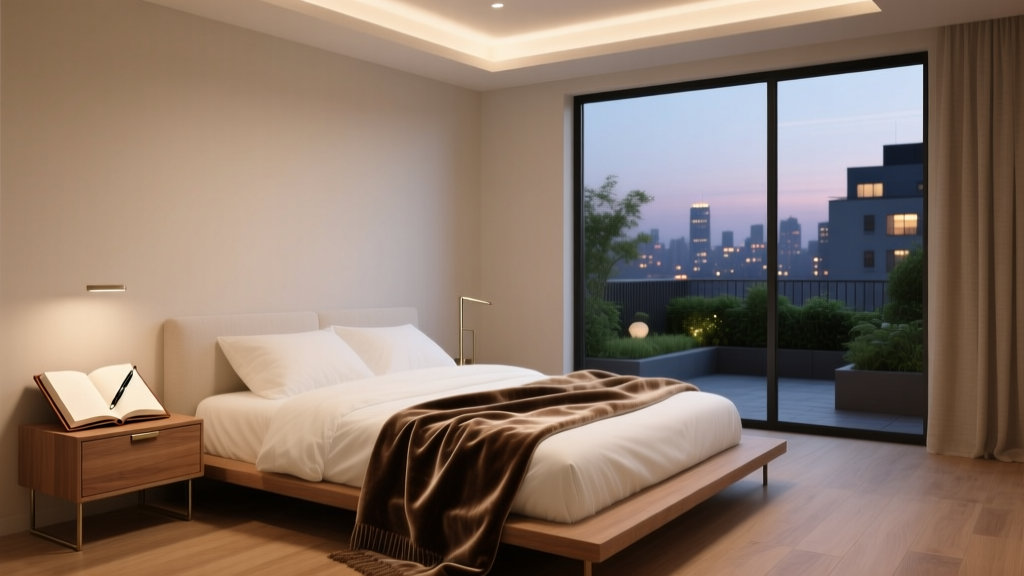 Best Bedroom Sleep Journal Writing Prompts - The Decor Mag