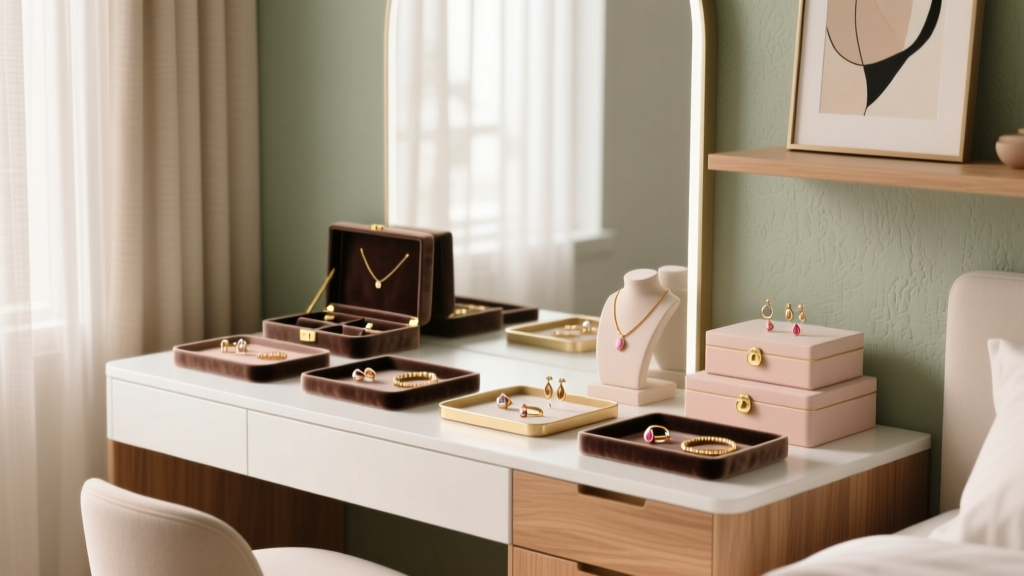
Best Bedroom Jewelry Organization - The Decor Mag
Your bedroom is meant to be a soft landing—where your nervous system settles, your mind slows down, and your sleep environment supports real restoration. When jewelry is scattered across a dresser, tangled in a drawer, or clinking in a bowl beside the bed, it adds visual noise and a subtle sense of unfinished business. That low-level clutter can keep your brain in “day mode,” making it harder to relax at night and easier to feel rushed in the morning.
Jewelry organization isn’t only about tidiness. It’s a bedroom design choice that affects your daily rhythm: how smoothly you get ready, how calm your surfaces feel, and how well your bedroom functions as a space for rest and relaxation. The best systems protect your pieces from tangling and tarnish while keeping the room’s decor cohesive—especially in small bedrooms, rentals, and shared spaces where every inch matters.
Below you’ll find practical, sleep-friendly ways to organize jewelry in the bedroom, including the best furniture and organizers, ideal placement for better bedroom layout, lighting and color suggestions, and wellness-minded tips to keep your sleep sanctuary calm.
Start with a Calm, Sleep-Friendly Plan
Step 1: Edit and sort (5 minutes that changes everything)
Before buying anything, quickly sort your jewelry into categories. This prevents overbuying organizers and helps you choose the right storage types.
- Daily wear: pieces you use 3–7 times per week
- Occasional: events, workwear, seasonal items
- Sentimental/fine jewelry: heirlooms, valuable pieces
- Repair/untangle: anything broken or knotted (keep in a small pouch)
Step 2: Decide where jewelry belongs in the bedroom
For a more restful sleep environment, aim to keep “getting-ready energy” away from your bed. If space allows, designate a zone:
- Best placement: dresser top, inside a dresser drawer, vanity, or inside a closet near your clothing
- Avoid (when possible): bedside table surfaces, headboard shelves, or the floor near the bed
Step 3: Choose one primary organizer + one overflow spot
A single “home base” prevents drifting clutter. Add a discreet overflow location for special-occasion pieces (a drawer tray, lidded box, or closet organizer).
The Best Bedroom Jewelry Organization Options (and Who They’re Best For)
1) Drawer inserts and jewelry trays (best for visual calm)
If you want a clutter-free bedroom design, drawer-based organization is the most soothing choice. It keeps surfaces clear and reduces the small, shiny visual stimuli that can make a room feel busy.
Look for:
- Modular trays you can reconfigure as your collection changes
- Ring rolls, earring rows, and long compartments for chains
- Soft lining (velvet, microsuede, or felt) to prevent scratches
Materials that work well: velvet-lined wood, bamboo with felt, or recycled plastic with a soft insert.
Budget range: $15–$60 for basic inserts; $60–$200 for premium modular tray systems.
Sleep-friendly bonus: Less visible clutter means your dresser reads as calmer, supporting relaxation at night.
2) Lidded jewelry boxes (best for dust control and a serene look)
A structured jewelry box can feel like a “ritual object”—you open it, choose a piece, and close it, keeping the bedroom neat. Lids also protect jewelry from dust and slow tarnish, especially for silver.
Choose a box with:
- A sturdy clasp or magnetic closure
- Separate compartments for earrings, rings, and bracelets
- A dedicated section for necklaces (or it will tangle)
- A removable top tray (helpful in small bedrooms)
Materials: solid wood or MDF with low-VOC finishes, linen or vegan leather exteriors, velvet or microsuede interior.
Budget range: $25–$80 for compact boxes; $80–$250 for larger, well-compartmentalized cases.
3) Wall-mounted organizers (best for tiny bedrooms and renters with limited surfaces)
When your dresser top is small or your storage is limited, vertical organization can be a lifesaver. The key is choosing a design that still feels like bedroom decor—not workshop storage.
Best wall-mounted types:
- Framed peg/rail organizers: hooks for necklaces, bars for bracelets
- Fabric hanging organizers: pockets for earrings and small items (great inside closets)
- Mirror cabinets: a mirror front with hidden jewelry storage inside
Placement tip: Put wall organizers near your closet or dressing area, not above your bed. If jewelry is constantly in your line of sight while you’re trying to unwind, it can subtly cue your brain to “prepare” rather than rest.
Renter-friendly hanging: removable adhesive hooks for lightweight pieces, over-the-door hangers, or tension rods inside closets.
Budget range: $15–$50 for fabric hangers; $40–$150 for framed wall organizers; $120–$300 for mirror cabinets.
4) Standing jewelry armoires (best for larger collections)
If you have a sizable jewelry collection and want everything contained, a standing armoire keeps items protected, organized, and out of sight. This can be a strong choice for a calm bedroom layout because it reduces surface clutter.
Look for:
- Felt-lined hooks for necklaces (plenty of them)
- Ring bars and earring boards with stable backings
- A locking option for fine jewelry
- Soft-close hinges (less noise in the morning)
Materials: engineered wood with low-odor finish, solid wood if budget allows. Avoid strongly scented lacquers that linger in sleep spaces.
Budget range: $120–$250 for basic armoires; $250–$600+ for higher-quality builds and better hardware.
5) Minimalist catchall + “nightly reset” system (best for daily wear)
A single small catchall can be useful—if it stays small. Think of it as a landing pad for today’s jewelry only, paired with a 60-second reset routine.
Best catchall styles:
- Shallow ceramic tray with a soft matte glaze
- Linen-lined dish
- Small lidded bowl (best if you prefer less visual clutter)
Where it works best: on a dresser near your closet. Try to keep bedside tables reserved for sleep essentials (lamp, book, water), which supports a cleaner sleep environment.
Budget range: $10–$40.
Bedroom Design Recommendations That Make Jewelry Organization Feel Effortless
Furniture that supports organization
- Dresser with deep top drawers: ideal for jewelry tray inserts and keeps items out of sight
- Nightstand with a top drawer: only if you truly need it there; use a single small tray and keep it minimal
- Vanity or compact dressing table: perfect for creating a “getting ready zone” separate from the bed
- Closet system upgrades: a hanging pocket organizer or small shelf unit keeps jewelry near outfits
Budget-friendly tip: If you rent or prefer flexibility, add organization inside existing furniture rather than buying new pieces. Inserts and trays transform almost any drawer.
Lighting that helps you choose jewelry without overstimulating the room
Good lighting improves function while maintaining a restful bedroom atmosphere.
- Warm bulbs (2700K–3000K): soft, flattering, and calming
- Soft task lighting at the dresser/vanity: a shaded lamp or small wall sconce reduces harsh glare
- Avoid bright overheads at night: it can disrupt your wind-down routine and sleep quality
Practical add-on: a motion-sensor puck light inside a jewelry armoire or closet organizer (choose warm-toned LEDs).
Colors and materials that keep the bedroom serene
Jewelry is visually reflective. To keep your bedroom decor balanced, pair it with calming finishes:
- Organizers in: matte white, soft beige, warm wood, taupe, charcoal, or muted sage
- Liners in: oatmeal linen, sand-colored velvet, or charcoal felt (hides dust and looks refined)
- Avoid overly glossy acrylic: it can look cluttered quickly and visually “sparkly” in a way that fights relaxation
Sleep-Friendly Wellness Tips (Because Your Bedroom Is for Rest)
- Keep the bed a “sleep-only” visual zone: store jewelry away from pillows and headboards to reduce clutter cues.
- Create a 2-minute evening reset: return jewelry to its home base, clear surfaces, dim lights—your brain learns the wind-down pattern.
- Protect scent and air quality: avoid strongly scented drawer liners or cleaners near jewelry storage; opt for low-odor, low-VOC materials in the bedroom.
- Prevent tarnish without harsh chemicals: store silver in anti-tarnish strips or pouches inside boxes/drawers, not out on open air hooks.
- Reduce “morning scramble” stress: keep daily wear items in a designated, easy-reach compartment so your mornings start smoother.
Common Jewelry Organization Mistakes to Avoid
- Open trays everywhere: multiple catchalls on different surfaces turn into scattered clutter. Choose one main home base.
- Hanging all necklaces together: this causes tangling and makes the system feel frustrating. Separate chains by length or use individual hooks with spacing.
- Storing jewelry in the bathroom: humidity accelerates tarnish and can damage finishes. Bedroom or closet storage is usually better.
- Overfilling compartments: crowded trays scratch pieces and create visual chaos. Leave 10–20% empty space.
- Placing organizers in direct sunlight: sunlight can fade linings and heat adhesives, and it’s not ideal for preserving materials.
- Letting “repair items” mix with wearable pieces: keep repairs in a labeled pouch so you don’t re-tangle or misplace items.
Easy Setup: A 30-Minute Jewelry Organization Refresh
- Clear one surface (dresser top or vanity) and wipe it down.
- Pick your storage style: drawer trays for calm, lidded box for simplicity, or vertical organizer for small spaces.
- Assign prime space to daily wear (front of drawer, top tray, easiest hooks).
- Store occasional pieces out of sight (lower drawer tray, lidded box, closet pocket organizer).
- Add one soft light source near your jewelry zone (warm bulb, shaded lamp).
- Finish with a “one-touch rule”: each item should have a spot you can put it away in one motion.
FAQ: Best Bedroom Jewelry Organization
What’s the best way to organize jewelry in a small bedroom?
Use vertical space and hidden storage. A hanging closet organizer or wall-mounted rack near your closet saves surface space, while drawer inserts keep the bedroom looking calm. If you only pick one solution, choose drawer trays to reduce visual clutter and support a restful bedroom design.
Is it okay to keep jewelry on my nightstand?
It can be, but it often adds clutter right next to where you sleep. For better sleep hygiene, keep the nightstand reserved for sleep essentials. If you must store jewelry there, limit it to a small lidded dish for daily pieces and reset it each evening.
How do I prevent necklaces from tangling?
Hang them on individual hooks with space between, store them in a tray with long separate channels, or use a jewelry box section designed for chains. Avoid tossing necklaces into one compartment. For delicate chains, storing each in a small pouch inside a drawer works well.
What materials are best for jewelry organizers in the bedroom?
Look for velvet or microsuede lining to prevent scratches, and wood, bamboo, or quality covered boxes with low-odor finishes. Matte, soft-touch materials look more relaxing in bedroom decor than shiny plastics.
What’s a realistic budget for organizing jewelry well?
You can create a functional system for $25–$60 with drawer inserts or a compact jewelry box. For a more complete setup—modular trays, a better box, or upgraded lighting—plan for $80–$200. Large armoires typically start around $120 and can go up to $600+ depending on size and hardware.
Should I store fine jewelry differently from costume jewelry?
Yes. Fine jewelry benefits from lined compartments, less friction, and—if valuable—a lockable storage option. Costume jewelry can be stored similarly but may need more separation to prevent snagging. Keeping fine jewelry in a lidded box or discreet drawer tray also helps maintain a calmer, more secure sleep environment.
Next Steps: Make Jewelry Organization Part of a More Restful Bedroom
Choose one home base for jewelry (drawer trays, a lidded box, a wall organizer, or an armoire), place it in a dedicated dressing zone, and keep your bedside area as visually quiet as possible. Add warm, gentle lighting and calming materials so your jewelry storage feels like an extension of your bedroom decor—not another task waiting for you.
If you’d like more ideas for a soothing sleep environment—better bedroom layout, calming colors, lighting upgrades, and decor that supports real rest—explore more bedroom inspiration on thedecormag.com.
More Articles
 How to Choose Bedroom Duvet Cover Style - The Decor Mag
 Bedroom Plaster Wall Treatment Ideas - The Decor Mag
 Best Bedroom Essential Oil Blend for Sleep - The Decor Mag
 How to Choose Bedroom Quilt Cover Pattern - The Decor Mag
 Best Bedroom Sleep Journal Writing Prompts - The Decor Mag
 Bedroom Curved Furniture Design Trend - The Decor Mag
 Best Bedroom Luggage Storage Solutions - The Decor Mag
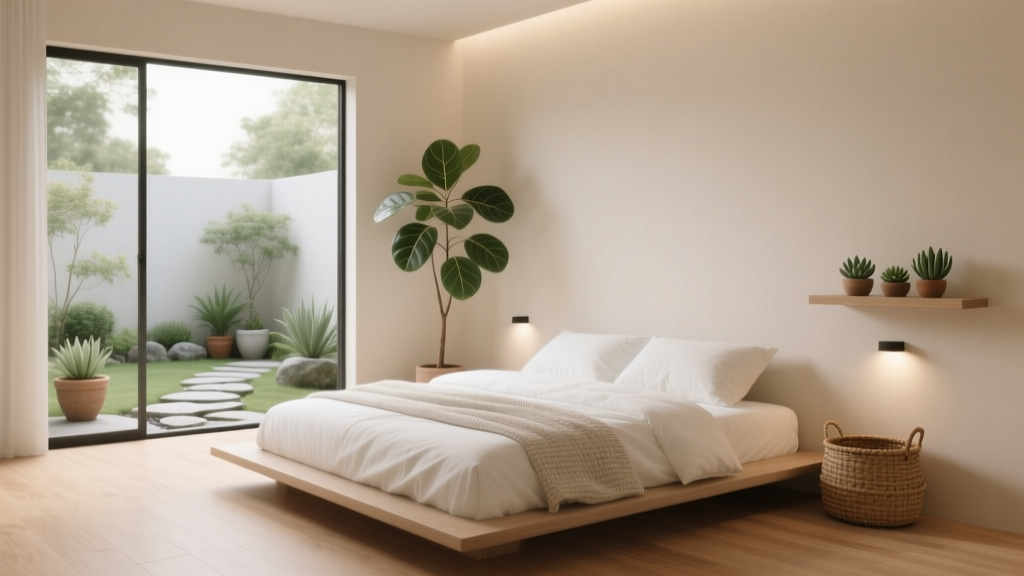 How to Create a Bedroom That Feels Peaceful - The Decor Mag
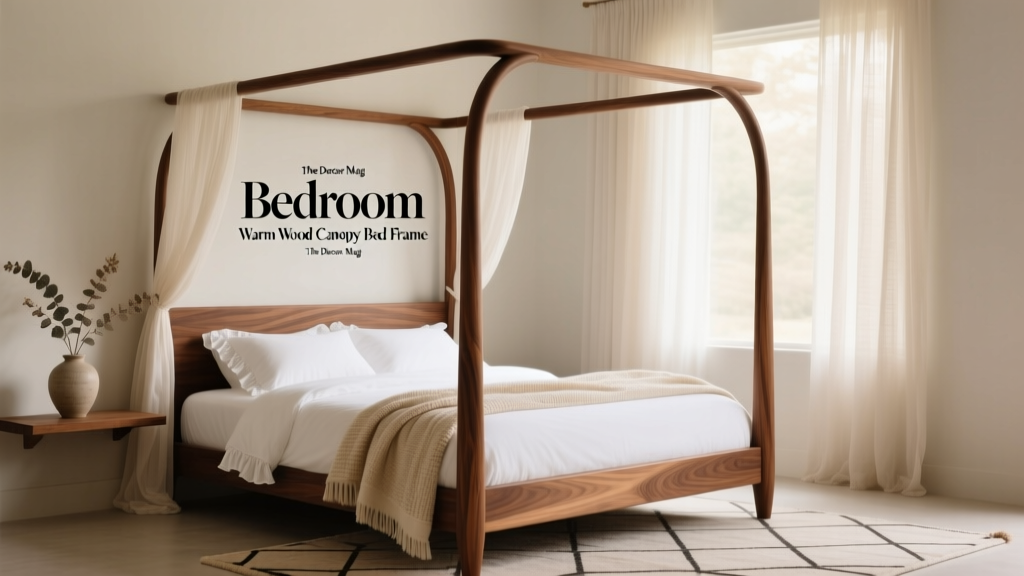 Bedroom Warm Wood Canopy Bed Frame - The Decor Mag
Best Bedrooms for Warm Climates: Design, Materials, and Climate-Smart Strategies
Bedroom Warm Wood Canopy Bed Frame - The Decor Mag
Best Bedrooms for Warm Climates: Design, Materials, and Climate-Smart Strategies