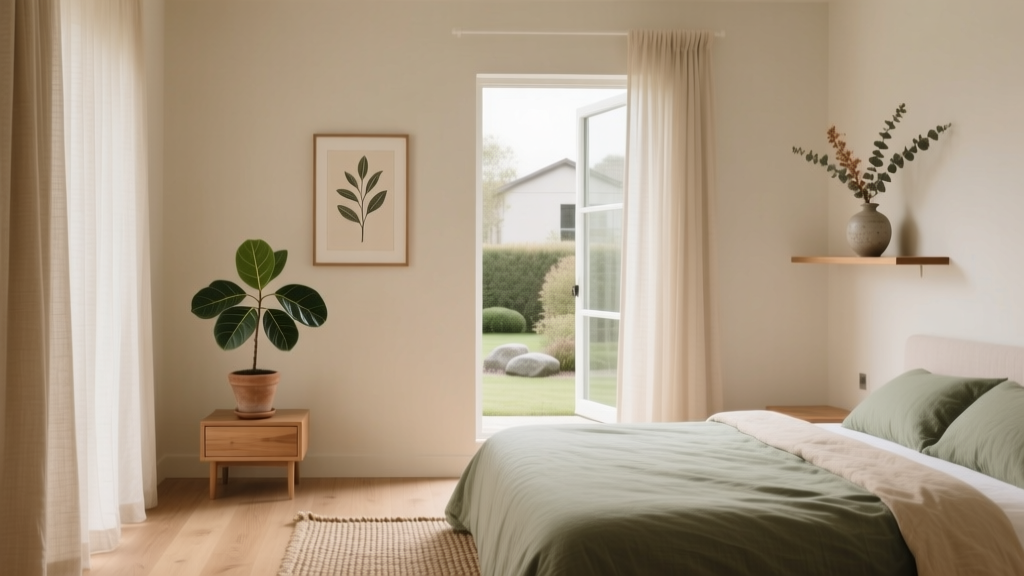
Grounded Bedroom Decor: Calm & Serene (2026)
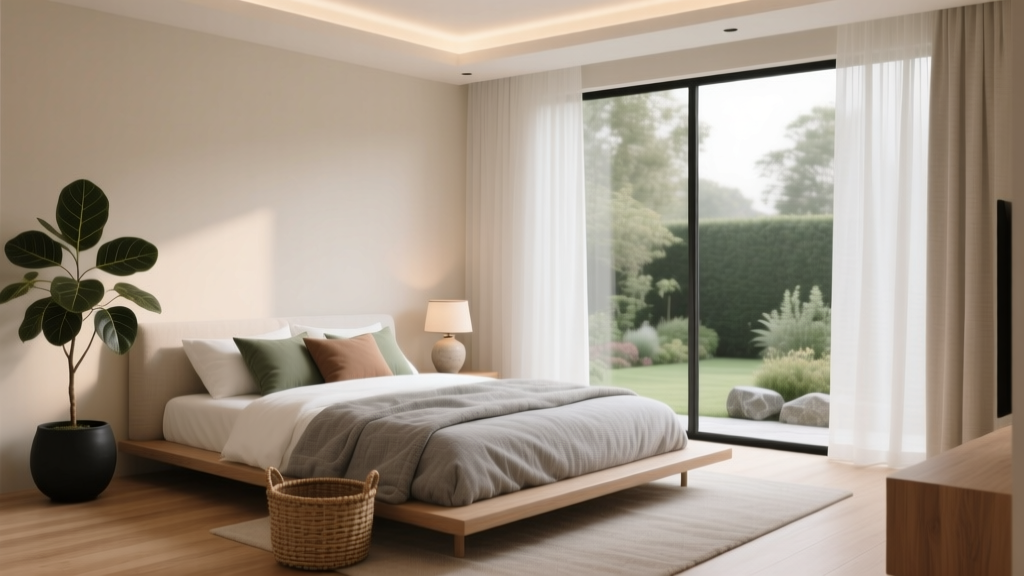
A grounded, calm bedroom isn’t just a design preference—it’s a practical tool for better sleep. The space where you fall asleep and wake up influences your nervous system, stress levels, and ability to fully rest. When a room feels visually busy, too bright, too cluttered, or out of sync with your routines, the brain stays “on,” making it harder to drift off and easier to wake during the night.
The good news: you don’t need a full renovation to create a soothing sleep environment. A few well-chosen changes—softening light, refining the layout, selecting calming bedroom colors, and investing in breathable bedding—can make your room feel quieter, more secure, and more restorative. Whether you’re a homeowner refining your sanctuary or a renter working with limits, these bedroom design ideas focus on comfort, simplicity, and sleep quality.
Start With the Feeling: What “Grounded and Calm” Looks Like
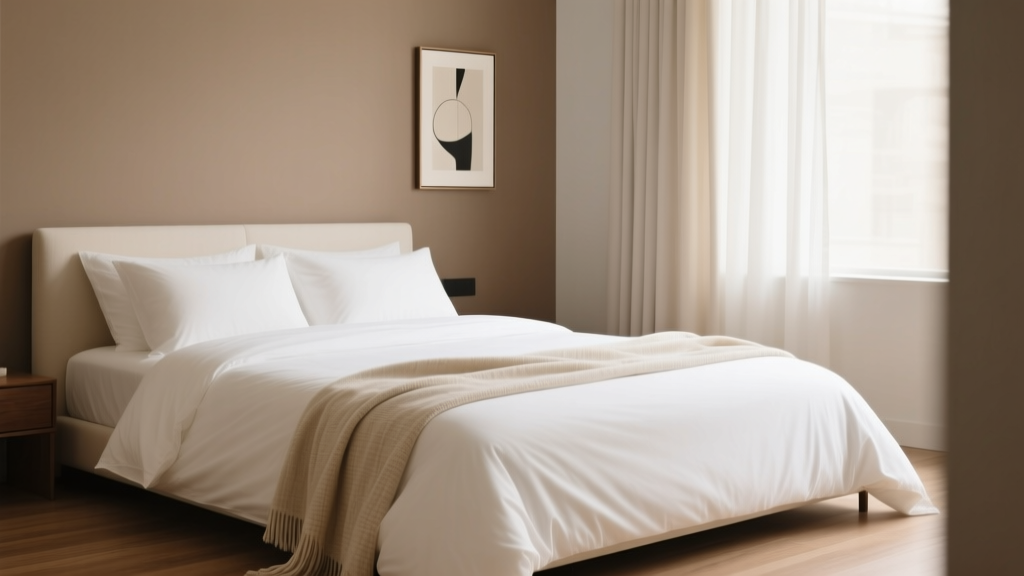
In bedroom decor, “grounded” usually means stable, anchored, and not visually chaotic. “Calm” means the room reduces stimulation and supports relaxation. Together, they create a sleep-friendly bedroom that feels safe to unwind in.
Quick self-check (60 seconds)
- Does your bed feel like the focal point, or does the room feel scattered?
- Is the lighting soft at night and bright enough in the morning?
- Do you see clutter or unfinished tasks from the bed?
- Is your color palette cohesive and gentle on the eyes?
- Does the room sound and feel comfortable (temperature, fabrics, noise)?
Layout That Calms the Nervous System
Bedroom layout affects how your body relaxes. When the space feels awkward—tight pathways, furniture blocking flow, bed pushed into a corner for no reason—your brain reads it as friction. A calm bedroom layout makes movement easy, keeps the bed accessible, and minimizes visual noise.
Anchor the room with the bed
- Place the bed on a solid wall when possible (not floating in the middle without a headboard).
- Aim for balance: ideally allow walking space on both sides of the bed (even 18–24 inches helps).
- Skip the “everything against the walls” look if it makes the bed feel adrift. A properly sized rug can anchor the center.
Create “soft zones” for winding down
If space allows, add a small transition area that signals rest:
- A reading chair with a throw and a small table
- A bench at the foot of the bed for tossing tomorrow’s outfit
- A slim console or shelf for a diffuser, book, and charging station (away from the bed if possible)
Budget-friendly layout upgrades
- Under $50: cable management clips, command hooks, a bedside caddy, new lamp shades
- $50–$250: a grounding rug, a storage bench, floating nightstands
- $250–$800: bed frame with a headboard, larger area rug, room-darkening curtain panels
Choose Calming Bedroom Colors and Finishes
Color influences mood and perceived temperature. For a grounded bedroom, lean toward nature-inspired hues and low-sheen finishes that absorb light rather than bouncing it around.
Best calming color families for bedrooms
- Warm neutrals: sand, oatmeal, clay, greige
- Soft greens: sage, olive-gray, eucalyptus
- Muted blues: dusty blue, blue-gray, stormy slate (avoid icy bright blues if they feel cold)
- Earth tones: terracotta, cinnamon, cocoa (best as accents or on one wall)
Paint and finish tips
- Choose matte or eggshell to reduce glare and create a softer look.
- Keep contrast gentle: high-contrast black/white schemes can feel sharp and energizing.
- Renter options: peel-and-stick wallpaper in linen-like textures, removable decals, or large-scale textiles (tapestry, fabric panels) behind the bed.
Furniture That Feels Stable, Not Bulky
Grounded bedroom furniture is visually steady and functional. It supports rest by reducing “micro-stress”—creaky frames, wobbly nightstands, not enough storage, or harsh edges.
What to look for in calming bedroom furniture
- Low-to-mid profile bed frames with a solid headboard for a sense of support
- Rounded corners on nightstands or dressers to soften the room’s feel
- Closed storage (drawers, cabinets) to hide visual clutter
- Natural materials: wood, rattan, cane, wool upholstery, linen blends
Practical recommendations (with budget ranges)
- Bed frame with headboard (wood or upholstered): $250–$1,200
- Two matching or coordinated nightstands (drawer preferred): $80–$600 each
- Dresser with smooth-close drawers (less slam noise): $300–$1,500
- Storage bench or ottoman (end of bed): $120–$500
Small bedroom tip
Instead of oversized furniture, prioritize pieces that do double duty:
- Floating nightstands to free floor space
- Bed frame with under-bed drawers or lift-up storage
- A tall, narrow dresser to reduce footprint
Bedding That Regulates Temperature and Feels Luxuriously Simple
Bedding is the closest layer to your body—if it traps heat, feels scratchy, or constantly shifts, your sleep quality suffers. For a calm sleep environment, choose breathable, tactile materials and keep the bed visually uncluttered.
Best bedding materials for a grounded, calm bedroom
- Cotton percale: crisp, breathable, ideal for warm sleepers
- Cotton sateen: smoother, slightly warmer, good for cool rooms
- Linen: highly breathable, relaxed texture; softens over time
- Wool blanket: excellent temperature regulation; cozy without overheating
- Down or down-alternative duvet: choose the right fill weight for your climate
A simple, calming bed recipe
- Supportive mattress suited to your sleep position (side/back/stomach)
- Breathable mattress protector (quiet, not crinkly)
- Quality sheets (percale or linen for most sleepers)
- Duvet with washable cover (white, oatmeal, soft gray, or muted color)
- Two pillows for sleep + 1–2 accent pillows max (avoid pillow piles)
- One textured layer (knit throw or wool blanket) to add warmth and grounding texture
Budget guide for bedding upgrades
- Under $100: percale sheet set on sale, pillow protectors, a simple throw
- $100–$300: linen sheet set, quality duvet cover, cooling pillows
- $300–$800: premium duvet insert, wool blanket, multiple pillow options to fine-tune comfort
Lighting: The Fastest Way to Make a Bedroom Feel Calm
Lighting is directly tied to circadian rhythm. Bright, cool light at night can suppress melatonin and keep your brain alert. A calming bedroom uses layered, warm lighting and keeps overheads optional.
Use layered lighting (and skip the harsh glare)
- Ambient: a ceiling fixture on a dimmer, or a soft floor lamp
- Task: bedside lamps or wall sconces for reading
- Accent: a small lamp on a dresser, picture light, or indirect LED strip behind a headboard
Bulbs and settings for better sleep
- Color temperature: 2200K–2700K (warm white) for evening
- Dimmers: worth it if you can add them—lower light signals “wind down”
- Smart bulbs: set a schedule to warm and dim automatically after sunset
Window treatments that support rest
- Blackout curtains: best for streetlights or early sun; $40–$200 per panel depending on fabric
- Room-darkening curtains: softer, often enough for many sleepers
- Layering: sheer + blackout gives daytime glow and nighttime darkness
Texture, Scent, and Sound: Sensory Design for a Sleep-Friendly Bedroom
A calm bedroom isn’t only visual. It’s tactile, quiet, and comfortable. Subtle sensory upgrades can noticeably improve relaxation—especially for light sleepers.
Grounding textures that calm
- Wool or wool-blend rugs for warmth and sound absorption
- Linen curtains for soft drape and natural texture
- Velvet or brushed cotton accents for a cozy, cocooned feel
Scent and air quality
- Ventilation first: air out the room daily for 5–10 minutes
- HEPA air purifier if allergies disrupt sleep (quiet models are ideal): $80–$300
- Diffuser (optional): use gentle scents like lavender or cedar, and keep it subtle
- Avoid heavy fragrance on pillows and bedding if you’re sensitive
Noise control
- Soft surfaces (rug, curtains, upholstered headboard) reduce echo
- White noise machine or fan can mask street sounds: $20–$80
- Door draft stopper helps with sound and temperature: $10–$30
Declutter With Systems (Not Willpower)
Visual clutter can keep the brain in planning mode. The most calming bedrooms have clear surfaces and easy routines for keeping them that way.
Simple systems that work for real life
- Nightstand rule: limit to 5 items—lamp, coaster/water, book, small tray, charging spot
- Catch-all basket for throw blankets or “not dirty yet” clothes
- Hidden laundry hamper (lidded if possible) to reduce visual noise
- One drawer for sleep essentials (eye mask, earplugs, lotion, journal)
Wellness Tips That Pair Naturally With Calm Bedroom Decor
Design and sleep hygiene reinforce each other. A grounded bedroom makes good habits easier—especially at night.
- Keep the room cool: many people sleep best around 60–67°F (15–19°C).
- Dim lights 60–90 minutes before bed to support melatonin production.
- Make the bed the calmest spot: avoid working from bed when possible.
- Use a gentle wind-down cue: same lamp on, same playlist, same five-minute tidy.
- Reduce screen glow: charge phones away from the bed or use a closed drawer/charging station.
Common Mistakes That Make Bedrooms Feel Restless
- Overhead-only lighting that feels glaring at night
- Too many small decor items (creates visual static)
- Oversized furniture that blocks flow or crowds the bed
- Ignoring window treatments (light leaks can disrupt sleep cycles)
- All “cool” tones and slick finishes that feel sterile rather than soothing
- Storing unfinished work in sight (papers, gym gear, boxes) that triggers mental to-do lists
- Scratchy or heat-trapping bedding that causes night wakings
FAQ: Grounded, Calm Bedroom Design
What colors are best for a calm bedroom?
Soft, nature-based hues tend to feel most restful: warm neutrals (oatmeal, sand), muted greens (sage), and dusty blues. Choose matte or eggshell finishes to reduce glare and keep the room visually quiet.
How can I make my bedroom feel calmer without buying new furniture?
Focus on high-impact changes: declutter surfaces, add warm lighting (2700K bulbs), use room-darkening curtains, simplify bedding to a cohesive palette, and place a rug to anchor the bed.
What lighting is best for sleep?
Warm, dimmable lighting is most sleep-friendly. Use bedside lamps or sconces for evening, keep overhead lighting on a dimmer, and avoid bright/cool (4000K–6500K) bulbs at night.
How do I create a grounded bedroom in a small space?
Use a bed with built-in storage, floating nightstands, and closed storage to hide clutter. Keep the palette light-to-medium and cohesive, and add a properly sized rug to define the sleep zone.
Do rugs really help a bedroom feel calmer?
Yes. Rugs add warmth, reduce echo, and visually “hold” the bed in place. Wool and wool-blend rugs feel especially grounding and are great for sound absorption.
What’s the best way to reduce clutter in the bedroom?
Create simple systems: a lidded hamper, a basket for throws and clothes, and a nightstand tray for small items. The goal is fewer visible piles, not perfection.
Next Steps: A Calm Bedroom Plan You Can Do This Weekend
- Reset the bed zone: center the bed if possible, add a headboard or sturdy frame, and place a rug to anchor it.
- Soften the light: swap bulbs to 2200K–2700K and add at least one bedside lamp.
- Edit the palette: choose 2–3 calming colors and repeat them through bedding, curtains, and decor.
- Upgrade one comfort item: sheets, pillows, or blackout curtains—pick the one that will improve sleep the most.
- Clear the visuals: remove anything that signals work, stress, or unfinished tasks from your sightline.
A grounded, calm bedroom is built from small decisions that add up: steadier layout, gentler light, breathable bedding, and fewer distractions. When your bedroom design supports your sleep environment, your body gets the message that it’s safe to rest—and that’s when better sleep quality becomes easier to reach.
For more soothing bedroom decor ideas, sleep-friendly lighting tips, and practical layout guides, explore the latest inspiration on thedecormag.com.
More Articles
 Bedroom Wingback Headboard Design - The Decor Mag
 Sustainable Bedroom FAQs Answered: Materials, Certifications, and Real Impact
 How to Organize Your Bedroom Closet - The Decor Mag
 Best Bedroom Tie and Belt Storage - The Decor Mag
 Bedroom Retreat: Decor Ideas for 2026
 How to Create a Bedroom for Better Sleep - The Decor Mag
 How to Choose Bedroom Art for Relaxation - The Decor Mag
 Best Bedroom Water Glass Bedside - The Decor Mag
 Reading Corner in Bedroom: Decor Ideas (2026)
 How to Choose Bedroom Sheet Thread Count - The Decor Mag