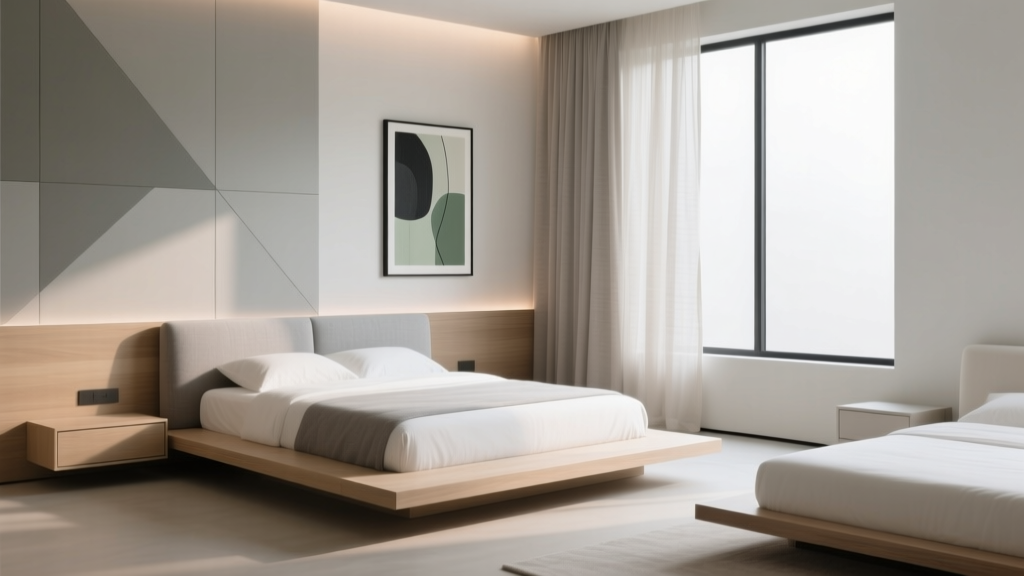
Bedroom Low Profile Bed Frame Styles - The Decor Mag
A low profile bed frame can quietly transform the way your bedroom feels at night. When the visual height of the bed is reduced, the room tends to look calmer, more open, and less cluttered—an effect that supports a more restful sleep environment. Many people notice that a lower bed creates a grounded, cocooning vibe that’s especially soothing after long days, and it can make small bedrooms feel less cramped.
Bedroom design and sleep quality are deeply connected. Light, noise, airflow, and even how “busy” the room looks can influence how easily you wind down. A low profile bed frame is a practical design choice because it lowers the room’s visual weight, pairs well with minimalist decor, and encourages a simpler, more sleep-friendly layout. Whether you’re a renter trying to upgrade without renovations or a homeowner building a long-term retreat, choosing the right low bed style can improve comfort, circulation, and the overall mood of your space.
This guide breaks down the most popular low profile bed frame styles, what they’re best for, and how to style them with furniture, bedding, lighting, and color for a bedroom that supports rest and relaxation.
What Counts as a Low Profile Bed Frame?
A low profile bed typically sits closer to the floor than a standard bed, often with a platform design. While “low” varies by brand, many low profile frames place the top of the mattress around 16–22 inches from the floor (sometimes lower), compared to taller beds that may reach 24–30 inches or more.
Why Low Profile Beds Work So Well for Bedroom Design
- Visually calming: Less height reduces the sense of bulk, helping the room feel airy.
- Great for modern and minimalist decor: Clean lines and simpler silhouettes reduce visual noise.
- Supports better layout: Low beds often pair well with lower nightstands and streamlined lighting.
- Ideal for low ceilings: They balance the room’s proportions and make ceilings feel taller.
Quick Fit Check: Is a Low Bed Right for You?
- Mobility: If you prefer a higher seat height for getting in/out of bed, consider a “moderate low” platform or add a thicker mattress.
- Storage needs: Some low frames limit under-bed storage; others include drawers.
- Climate and dust: Beds closer to the floor may collect dust faster—regular vacuuming helps.
Low Profile Bed Frame Styles (and How to Style Each One)
1) Minimalist Platform Bed (Modern Classic)
A minimalist platform bed is the most recognizable low profile style: simple frame, low stance, and a streamlined headboard (or none). It’s a strong choice for creating a sleep-friendly bedroom design because it reduces clutter and supports a soothing, contemporary aesthetic.
Best for: Modern bedrooms, small spaces, renters, minimalist decor
Materials to look for:
- Solid wood (oak, ash, walnut) for longevity and warmth
- Powder-coated steel for a sleek look and strong support
- Engineered wood for budget-friendly options (look for CARB-compliant, low-VOC finishes)
Styling recommendations:
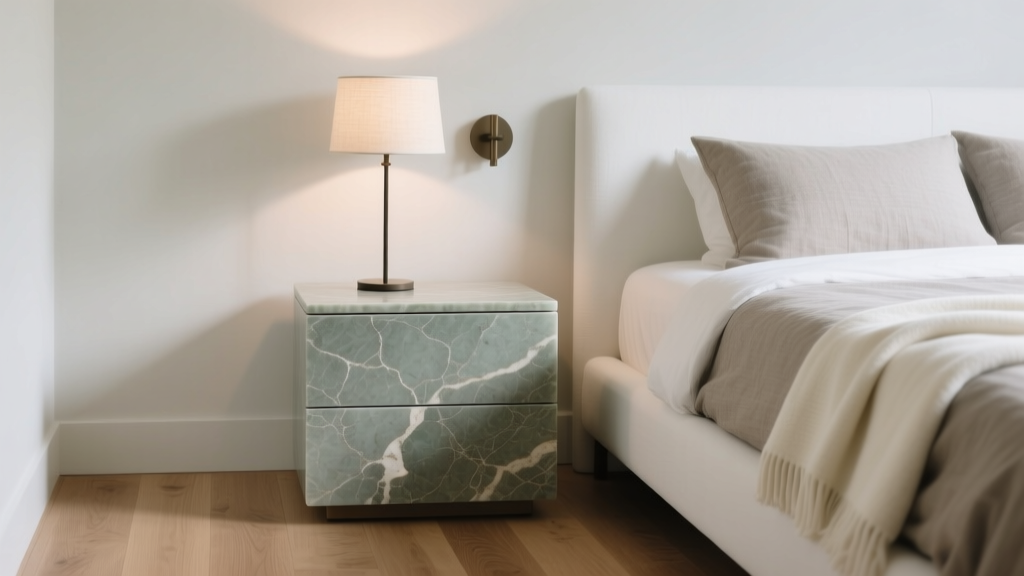
- Nightstands: Low, floating, or slab-style nightstands (18–22 inches tall)
- Bedding: Linen or cotton percale for a crisp, cool sleep environment; a textured blanket to soften the modern lines
- Lighting: Wall-mounted swing-arm sconces to free up nightstand space and reduce clutter
- Colors: Soft whites, warm greige, pale clay, muted sage for a calming bedroom palette
Budget range: $200–$600 (basic platform), $700–$1,500 (solid wood, premium finishes)
2) Japanese-Inspired Low Platform (Zen and Grounded)
Japanese-inspired low beds emphasize harmony, simplicity, and closeness to the floor. Often featuring a wide platform edge, this style creates a grounded focal point—excellent for a relaxing sleep environment and a calmer nighttime routine.
Best for: Serene bedroom decor, meditation-friendly spaces, low ceilings
Materials to look for:
- Light woods like ash, birch, or maple for an airy feel
- Natural finishes (matte oils or low-sheen lacquer) to reduce glare
Styling recommendations:
- Bedding: Neutral duvets, layered natural textures (cotton, linen, wool throws)
- Rug: A large, low-pile wool rug extending around the bed to soften steps and reduce noise
- Lighting: Warm 2700K table lamps with fabric shades; dimmers if possible
- Layout: Leave clear pathways on both sides of the bed to reduce nighttime bumps and create visual calm
Budget range: $500–$1,200 (mid-range), $1,500–$3,000 (designer solid wood)
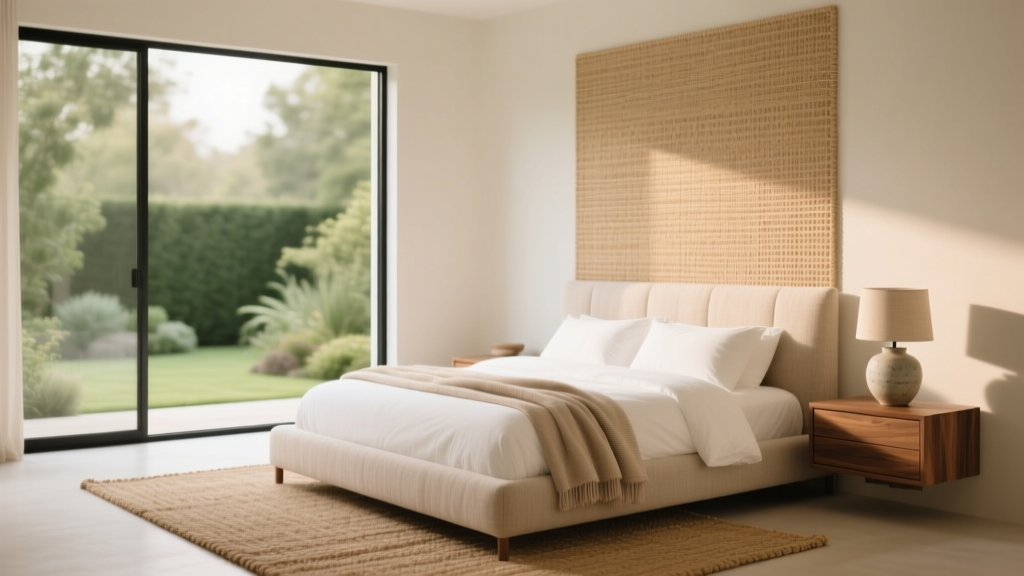
3) Upholstered Low Profile Bed (Soft and Sound-Soothing)
If you want a bedroom that feels instantly cozy, an upholstered low profile bed is a strong option. Fabric surfaces soften acoustics by absorbing sound, which can contribute to a quieter sleep space—especially helpful in apartments or homes with echo-prone hard floors.
Best for: Cozy bedroom design, sound-sensitive sleepers, reading in bed
Material tips:
- Performance fabric (stain-resistant) for durability
- OEKO-TEX certified textiles when possible for a healthier sleep environment
- Low-VOC foam or CertiPUR-US certified foam in padded headboards
Styling recommendations:
- Bedding: Add plushness with a down-alternative duvet and a breathable cotton cover
- Headboard comfort: Use a lumbar pillow for reading to keep posture relaxed
- Lighting: Soft bedside lamps plus a warm LED strip behind the headboard (hidden) for gentle ambient light
- Colors: Oatmeal, warm gray, soft taupe, dusty blue; avoid overly bright whites that feel stark at night
Budget range: $350–$900 (basic upholstered), $1,000–$2,500 (premium fabrics, hardwood frames)
4) Low Profile Canopy or “Poster-Lite” Frame (Structure Without Bulk)
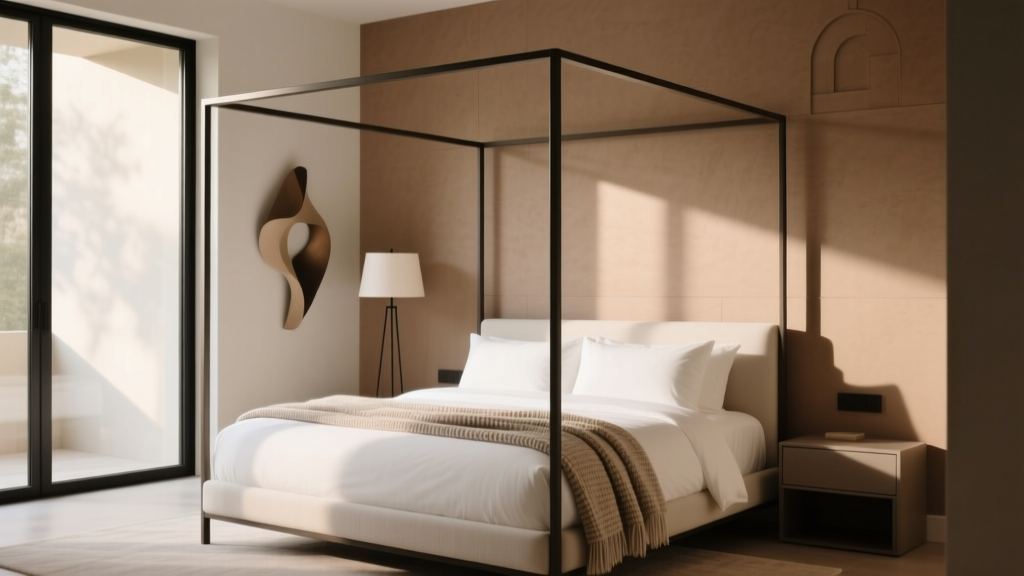
A low profile canopy bed can still feel airy if the lines are slim and the overall height is balanced with the room. This style is ideal when you want a focal point without raising the bed itself too high.
Best for: Larger bedrooms, renters wanting drama without renovation, layered lighting
Materials to look for:
- Matte black metal for a modern, graphic look
- Natural wood canopy for softer, organic bedroom decor
Styling recommendations:
- Keep bedding simple: Solid colors or subtle patterns so the frame remains the statement
- Add curtains thoughtfully: Sheer panels can soften the look, but avoid heavy drapes that trap dust
- Lighting: A single dimmable pendant centered above the bed (or offset) plus bedside task lighting
Budget range: $300–$900 (metal), $900–$2,500 (solid wood)
5) Low Storage Platform (Hidden Function, Clean Look)
If you want the low profile aesthetic but need storage, choose a low platform with built-in drawers. This can reduce the need for extra dressers—helpful for a clutter-free bedroom, which many people find supportive of relaxation.
Best for: Small bedrooms, studio apartments, minimal closet space
Look for:
- Soft-close drawers to reduce noise
- Center support and strong slats for mattress longevity
- Rounded edges if your layout is tight (fewer shin bumps)
Budget range: $500–$1,400 (mid-range), $1,500–$3,500 (premium joinery and hardware)
Choosing the Right Mattress Setup for a Low Profile Frame
The mattress and foundation choices affect both comfort and sleep quality. Many low profile beds are designed to work without a box spring, using slats or a platform base.
Support and Breathability Checklist
- Slat spacing: Aim for 2.5–3 inches or less for foam mattresses (check your mattress warranty requirements).
- Center support: Especially for queen and king sizes; helps prevent sagging and motion transfer.
- Airflow: Slatted bases improve breathability for cooler sleep—useful for hot sleepers.
- Mattress height: If the bed feels too low, a 10–14 inch mattress often balances comfort and ease of getting up.
Sleep-Friendly Bedroom Design Tips That Pair Beautifully with Low Beds
Lighting: Make the Room Feel Like Evening Earlier
- Use warm bulbs (2200K–2700K) in bedside lamps to support melatonin-friendly ambiance.
- Add dimmers or smart bulbs to reduce brightness gradually at night.
- Choose soft, shaded lamps rather than exposed bulbs to avoid glare from bed height.
Color and Texture: Lower Visual “Volume”
- Paint or decorate with muted, low-contrast colors: warm white, sand, mushroom, pale olive, smoky blue.
- Layer textures for comfort without clutter: linen bedding, a knit throw, a wool rug, matte ceramic lamps.
Layout: Create Clear Pathways and Symmetry Where Possible
- Keep at least 24 inches of walkway on each side if space allows.
- Anchor the bed with a rug sized to extend beyond the sides and foot (helps sound absorption).
- Limit the “bed wall” to essentials: headboard/bed, two small nightstands, simple art.
Wellness Tip: Reduce Bedroom Clutter to Ease Mental Load
Low profile beds already simplify the room visually. Support that calm by keeping surfaces clear and storing chargers, books, and skincare in drawers or baskets. A visually quieter bedroom often feels easier to settle into.
Common Mistakes to Avoid with Low Profile Bed Frames
- Choosing a frame that’s too low for your body: If you have knee or back sensitivity, test seat height. A slightly taller low-profile platform can still look sleek.
- Using the wrong slat system: Wide-spaced slats can reduce support and void mattress warranties.
- Overstuffing the bed with pillows: It looks inviting in photos but can create clutter and nighttime hassle. Keep to what you truly use.
- Ignoring nightstand height: A tall nightstand beside a low bed feels awkward. Aim for the top of the nightstand to be level with (or slightly above) the mattress.
- Skimping on rug size: A too-small rug can make the bed feel “floating” and add visual tension. When in doubt, size up.
- Bright overhead lighting only: Harsh ceiling lights can sabotage a relaxing bedroom atmosphere. Layer lighting for a softer wind-down.
Practical Shopping Guide: What to Look for (and What to Spend)
Materials and Build Quality
- Solid wood frames: Best long-term value; look for sturdy joinery and center rails. $800–$3,000.
- Metal frames: Great stability and clean lines; check for reinforced legs. $250–$1,200.
- Engineered wood: Budget-friendly; choose low-VOC finishes and avoid very thin panels. $200–$900.
- Upholstered frames: Cozy and quieting; prioritize performance fabric and strong internal framing. $350–$2,500.
Noise Reduction Features (Worth Paying For)
- Rubber gaskets at joints
- Velcro or screw-in slats (less shifting)
- Extra center legs for larger sizes
FAQ: Low Profile Bed Frames
Are low profile bed frames good for back support?
The frame height doesn’t determine back support—the mattress and base support system do. Choose a frame with sturdy slats, center support, and proper spacing, then pair it with a mattress that matches your sleep position.
Do I need a box spring with a low profile platform bed?
Most low profile platform beds are designed to replace the box spring. Using a box spring can make the bed too tall and may reduce stability. Check the manufacturer’s guidance for your specific frame.
What’s the best low profile bed style for a small bedroom?
A minimalist platform or low storage platform typically works best. Look for slim legs or recessed bases, low headboards, and light wood tones to keep the room feeling open.
How do I make a low bed feel cozy, not bare?
Use layered bedding (duvet + textured throw), a large rug under the bed, and warm bedside lighting. An upholstered headboard is another easy way to add softness without adding clutter.
Are low beds worse for dust and allergies?
Because the mattress sits closer to the floor, dust can be more noticeable. Reduce allergens by vacuuming regularly (including under and around the frame), using a mattress protector, and washing bedding weekly in hot water when appropriate for the fabric.
What nightstand height works best with a low profile bed?
Aim for a nightstand top that sits level with the top of your mattress or up to 2 inches higher. This keeps your phone, water, and lamp easy to reach and visually balanced.
Next Steps: Bring the Low Profile Look into Your Sleep Space
Start by measuring your room and deciding what you need most: a calmer aesthetic, better storage, softer acoustics, or a modern statement piece. Then choose a low profile bed frame style that supports your routine—paired with breathable bedding, warm layered lighting, and a clutter-reducing layout. Small adjustments, like matching nightstand height to mattress height or swapping harsh bulbs for warm dimmable light, can noticeably improve your bedroom’s comfort and sleep-friendly feel.
For more calming bedroom design ideas, cozy decor inspiration, and sleep environment upgrades, explore the latest guides on thedecormag.com.
More Articles
 Bedroom Curved Architectural Bedroom Detail - The Decor Mag
 How to Choose Bedroom Euro Sham Size - The Decor Mag
 Stylish Bedroom Design for Hot Summers
 Bedroom Organic Linen Curtain Draping - The Decor Mag
 Small Bedroom Layout Hacks for Apartments (2026)
 How to Create a Bedroom for Better Sleep - The Decor Mag
 Bedroom Lighting Ideas for Soothing Ambiance (2026)
 Bedroom Natural Stone Nightstand Top - The Decor Mag
 Bedroom Four Poster Bed Styling - The Decor Mag
 How to Style a Bedroom with Neutral Tones - The Decor Mag