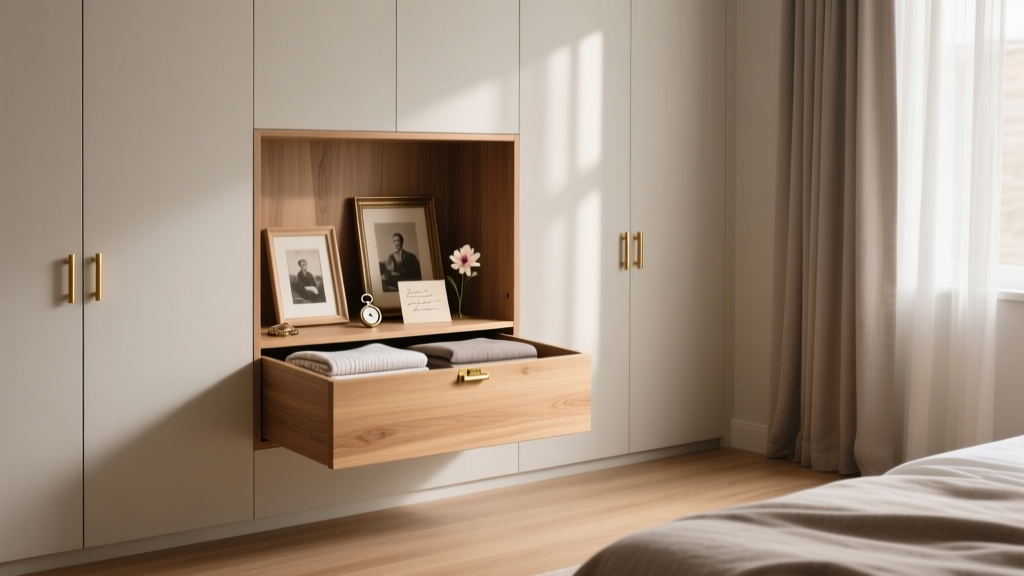
Best Bedroom Keepsake Box Storage - The Decor Mag
Your bedroom works hardest when it feels effortless. It’s where your nervous system downshifts, your mind unspools the day, and your body settles into the kind of deep rest that supports mood, immunity, and energy. Yet the very items that matter most—letters, heirlooms, photos, travel mementos—often end up scattered in drawers, stacked in closets, or tucked under the bed in a way that creates visual noise and quiet stress.
Keepsake box storage offers a gentle solution: a designated, beautiful home for sentimental items that protects them while keeping your sleep environment calm. When your bedroom design supports order and intention, you spend less time searching, second-guessing, and managing “stuff.” That reduction in cognitive load can make it easier to unwind at night, especially if clutter tends to trigger anxiety or overstimulation.
Below, you’ll find practical, sleep-friendly ways to choose and place bedroom keepsake boxes—plus furniture recommendations, material suggestions, budget ranges, and common mistakes to avoid—so your bedroom decor feels soothing, personal, and restorative.
Why Keepsake Box Storage Belongs in a Sleep-Friendly Bedroom
A restful bedroom isn’t only about a comfortable mattress and dark curtains. It’s also about emotional comfort and the feeling that everything has a place. Keepsake boxes help you strike a balance between “minimal” and “meaningful.” Instead of leaving treasured items out (visual clutter) or burying them away (creating guilt or disconnection), you create a controlled, curated system.
How clutter affects sleep quality
- Visual stimulation: Busy surfaces can keep your brain in “daytime scanning” mode, making it harder to relax.
- Decision fatigue: Piles and overfilled drawers create micro-decisions that drain you before bed.
- Dust and allergens: Loose stacks of paper, textiles, and décor attract dust—an underrated sleep disruptor.
What “good” keepsake storage does
- Protects: Guards against light damage, humidity, pests, and accidental spills.
- Calms: Reduces bedroom clutter and creates cleaner sightlines.
- Honors: Lets you keep sentimental items close without turning your room into a display shelf.
Choosing the Best Keepsake Box for Bedroom Storage
The best keepsake box is equal parts protective and pleasant to live with. Start by deciding whether your priority is archival protection, everyday accessibility, or decor-forward style—then choose materials and sizes that match.
Best materials for keepsake boxes (and when to use them)
- Acid-free archival boxes (paperboard): Best for photos, letters, vintage textiles, and documents. Look for lignin-free, acid-free, buffered materials.
- Solid wood boxes (cedar, walnut, oak): Beautiful and durable. Cedar can help deter pests for certain textiles, but avoid direct contact with delicate papers unless lined.
- Upholstered fabric boxes (linen, cotton blends): Softens the room visually and works well on open shelves. Choose tightly woven fabric to reduce dust infiltration.
- Leather or vegan leather: A luxe look for nightstands or dressers. Choose low-odor options and allow off-gassing outside the bedroom if needed.
- Acrylic boxes: Great for visibility and organization; less ideal if you’re trying to reduce visual stimulation. Best inside drawers or closets.
- Metal tins: Durable, but can scratch surfaces and may trap moisture if stored in humid areas. Add silica gel packs for sensitive items.
Size and format: what works best in a bedroom
- Letter-size document boxes: For cards, papers, and photos (easy to label and stack).
- Shallow keepsake trays with lids: For jewelry, small heirlooms, or “pocket items” you want to keep tidy.
- Under-bed archival boxes: For seasonal sentimental items or bulky textiles (wedding veil, baby blanket).
- Stackable lidded boxes: Ideal for closet shelves; choose matching sizes to avoid toppling stacks.
- One “primary” memory box per person: A calming rule of thumb that prevents overflow while still honoring your story.
Budget ranges (what to expect)
- $15–$40: Fabric bins with lids, basic wood boxes, small decorative boxes, simple archival document boxes.
- $40–$120: Higher-quality linen boxes, sturdy stackable systems, nicer wood finishes, under-bed organizers with reinforced frames.
- $120–$300+: Handcrafted hardwood keepsake boxes, custom monograms, heirloom-quality joinery, specialty archival storage kits.
Where to Store Keepsake Boxes in the Bedroom (Sleep-Friendly Layout Ideas)
Placement matters. Keepsakes should feel accessible and comforting—not like a looming “to-do.” Aim for storage that keeps surfaces mostly clear, supports easy cleaning, and doesn’t create clutter hotspots near the bed.
1) Inside a dresser or wardrobe (best for calm, minimal bedrooms)
Use a dedicated drawer or shelf for memory boxes, labeled and stacked. This keeps your bedroom design visually quiet, which can support faster wind-down.
- Choose shallow boxes that fit drawer depth.
- Add drawer dividers for small keepsakes so they don’t rattle or tangle.
- Keep the top drawer for daily items; use lower drawers for memories to avoid nightly rummaging.
2) Under-bed storage (best for small bedrooms and renters)
Under-bed keepsake storage is practical, but choose breathable, dust-resistant containers and avoid cramming them edge-to-edge.
- Use low-profile lidded boxes with smooth pull handles.
- Leave a small gap for airflow and easier vacuuming.
- Avoid storing anything with strong odors (perfumes, certain leathers) under the bed.
3) A lidded bench or storage ottoman (best for layered, cozy decor)
A bench at the foot of the bed adds function and polish while hiding keepsakes in plain sight. This is especially helpful if you want a curated bedroom aesthetic without open-shelf clutter.
- Look for soft-close hinges (quiet, finger-safe, sleep-friendly).
- Choose upholstery in calming neutrals (oat, sand, warm gray) to reduce visual stimulation.
- Line the interior with cotton or felt to protect delicate items.
4) On open shelving (best for “decor + storage” balance)
If you love the look of styled shelves, keep keepsakes contained in matching lidded boxes so the overall effect stays serene.
- Limit open-shelf boxes to 2–4 per wall section.
- Stick to one material family (all linen, all wood, or all neutral paperboard) for a calmer palette.
- Use low-contrast labels for readability without visual clutter.
Specific Bedroom Design Recommendations That Make Keepsake Storage Feel Restful
Furniture: pieces that hide storage without adding bulk
- Nightstand with a drawer (or two): Keep one small “current keepsake” box—like a note, a photo, or meaningful token—out of sight but close. Avoid filling the top with loose items.
- Storage bed frame: Built-in drawers are ideal for keepsake boxes because they’re easier to access than deep under-bed bins.
- Dresser with deep bottom drawers: Use the deepest drawers for large memory boxes; shallow drawers for photos and letters.
- Armoire or wardrobe: Great for renters with limited closet systems; dedicate one shelf to archival boxes.
Bedding and textiles: reduce dust, support easier cleaning
- Choose washable bedding (cotton percale, cotton sateen, linen) to keep allergens down—especially if keepsake storage increases fabric items in the room.
- Add a low-pile rug for warmth without trapping excessive dust.
- Avoid excessive decorative pillows if your room already needs storage; they often become clutter magnets.
Lighting: protect keepsakes and support wind-down
- Warm, dimmable bedside lamps (2700K): Softer light cues your body for sleep and reduces harsh glare on boxes and labels.
- Keep keepsakes away from direct sunlight: UV light fades photos, letters, and textiles.
- Use motion-sensor closet lighting: Helps you access boxes without turning on bright overhead lights at night.
Colors and finishes: create a calm visual “container”
- Soothing wall colors: Warm whites, greige, soft clay, muted sage, dusty blue—these reduce overstimulation and pair well with wood or linen boxes.
- Matte finishes: Matte paint and low-sheen furniture finishes reduce glare, creating a calmer sleep environment.
- Limit high-contrast patterns: If your keepsake storage is visible, simpler patterns keep the room feeling grounded.
Sleep Wellness Tips for Sentimental Storage
Sentimental items carry emotional weight. That can be comforting, but it can also stir memories at bedtime. A few simple boundaries keep keepsakes supportive rather than activating.
- Create a “closing ritual”: If you open a keepsake box, close it before bed. An open box can feel like an unfinished task.
- Keep emotionally intense items out of immediate sight: Store grief-related or complex memorabilia in a closet box rather than on a dresser.
- Schedule memory time earlier: If sorting letters tends to make you reflective, choose late morning or afternoon—not the hour before sleep.
- Use scent carefully: Avoid storing keepsakes with strong fragrance sachets in the bedroom. If you like scent, use a gentle linen spray earlier in the day so it dissipates before bedtime.
Common Mistakes to Avoid
- Using non-archival boxes for photos and documents: Regular cardboard can yellow paper over time. Use acid-free archival storage for anything irreplaceable.
- Overfilling one “memory trunk”: When a box becomes too full, it stops being protective and becomes stressful. Better: multiple labeled boxes by category.
- Storing keepsakes in humid spots: Avoid placing boxes against exterior walls that get cold, or near vents and radiators.
- Open bins without lids in the bedroom: They collect dust and look visually busy, which can undermine a restful bedroom environment.
- Turning your nightstand into a shrine: One meaningful item is calming; a cluster can feel crowded and distracting at bedtime.
A Simple Keepsake Box System That Works in Almost Any Bedroom
If you want a straightforward plan that won’t overtake your space, try this approach:
- Choose 3 categories: “Photos & letters,” “Small heirlooms,” “Textiles/large items.”
- Buy matching boxes for each category: Matching sizes look calmer and stack safely.
- Label softly: Use a small linen label, kraft tag, or subtle label maker tape on the back or side.
- Set a container limit: One box per category per person. When it’s full, curate before adding more.
- Assign one storage zone: Closet shelf, dresser drawer, or a storage bench—avoid scattering boxes around the room.
FAQ: Bedroom Keepsake Box Storage
What should I store in a bedroom keepsake box?
Store items that feel personal and irreplaceable but don’t need daily use: letters, cards, printed photos, jewelry with meaning, small heirlooms, baby items, travel mementos, and special-occasion accessories. Keep everyday paperwork and clutter elsewhere so the box stays intentional.
Are under-bed keepsake boxes bad for sleep?
Not inherently. Under-bed storage can be sleep-friendly if it’s tidy, lidded, and easy to clean around. Avoid musty fabrics, strong odors, and overstuffed bins that make your room feel crowded or dusty.
What’s the best material for preserving photos and letters?
Acid-free, lignin-free archival boxes or photo storage cases are best. Pair them with archival sleeves for extra protection, and keep them away from sunlight and humidity.
How do I make keepsake storage look good in bedroom decor?
Choose matching lidded boxes in calming materials—linen, neutral paperboard, or warm wood—and group them in one zone (a closet shelf, a dresser, or a storage bench). Keeping surfaces clear and colors cohesive makes the whole bedroom feel more serene.
How many keepsake boxes should I keep?
A practical guideline is 1–3 boxes per person in the bedroom. If you have more, store overflow in a separate area (hall closet, office cabinet) to protect the bedroom’s purpose as a sleep space.
How can I reduce dust around keepsake storage?
Use lidded containers, avoid open baskets for paper items, and keep boxes off the floor when possible. Vacuum under the bed regularly, and choose washable bedding and curtains to support a cleaner sleep environment.
Next Steps for a Calmer, More Restful Bedroom
Start small: pick one storage zone (a drawer, a closet shelf, or a bench), choose one style of lidded box, and gather your loose sentimental items into a simple category system. Aim for a bedroom that feels breathable—clear surfaces, soft lighting, and keepsakes stored with care—so your space supports sleep quality as much as it reflects your life.
For more soothing bedroom design ideas, sleep-friendly decor tips, and practical storage inspiration, explore more articles on thedecormag.com.
More Articles
 Handmade Ceramics in Bedrooms (2026)
 How to Create a Bedroom That Feels Warm - The Decor Mag
Best Bedrooms for Warm Climates: Design, Materials, and Climate-Smart Strategies
How to Create a Bedroom That Feels Warm - The Decor Mag
Best Bedrooms for Warm Climates: Design, Materials, and Climate-Smart Strategies
 Hotel Bedroom Decor: Transform Your Space (2026)
 Perfect Mattress for Bedrooms: 2026 Picks
 Best Bedroom Bedside Carafe and Glass - The Decor Mag
 Bedroom Canopy Bed Styling Guide - The Decor Mag
 Bedroom Built-In Wardrobe Ideas - The Decor Mag
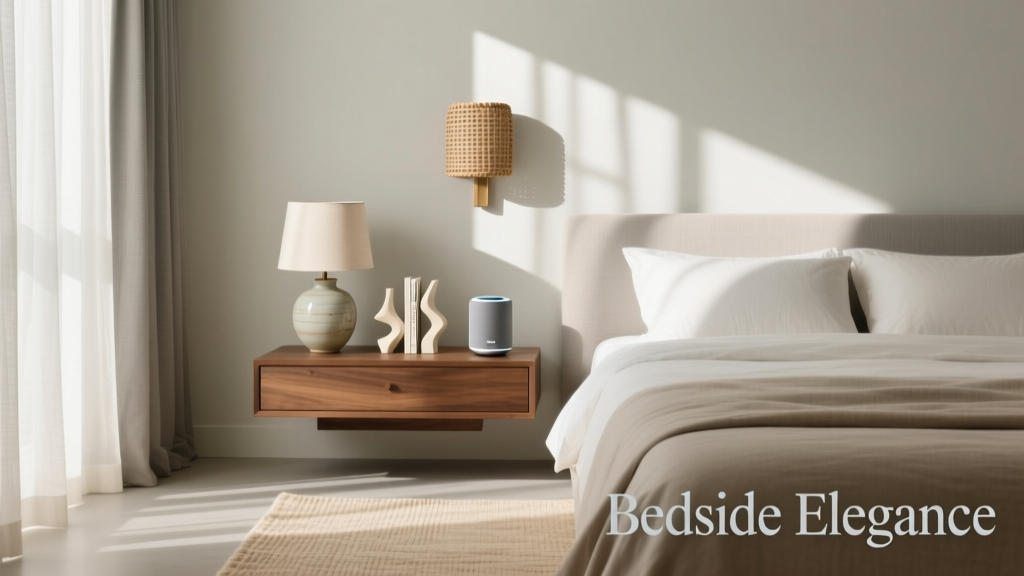 Beyond the Accent Lamp: 7 Thoughtful, Functional Bedside Alternatives for Modern Bedrooms
Wood for Practical Bedroom Use: Durability, Maintenance, and Real-World Performance Data
Beyond the Accent Lamp: 7 Thoughtful, Functional Bedside Alternatives for Modern Bedrooms
Wood for Practical Bedroom Use: Durability, Maintenance, and Real-World Performance Data