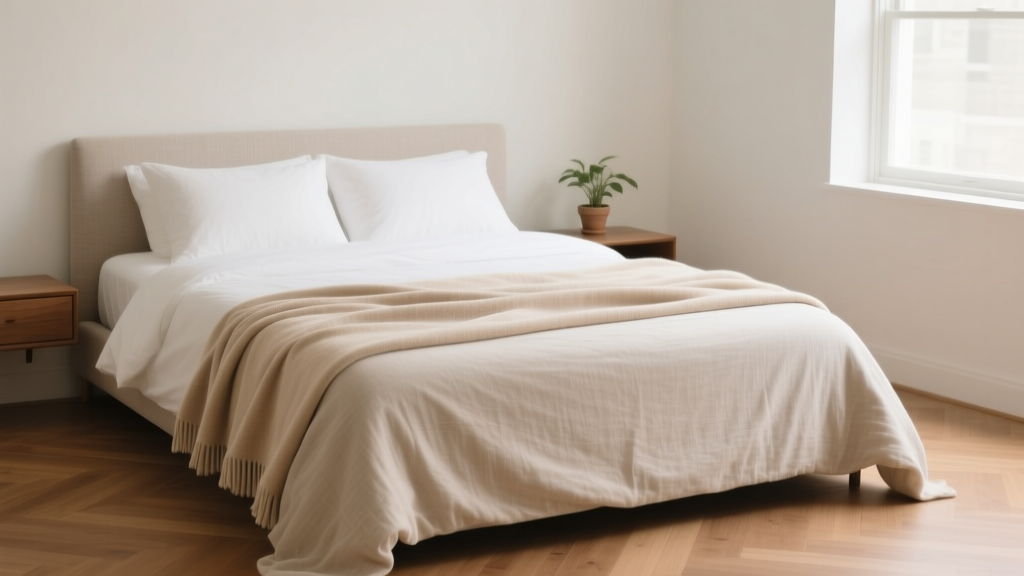
How to Choose Bedroom Throw Size for Bed - The Decor Mag
A bedroom throw looks like a simple finishing touch, but it can quietly shape how your whole room feels at the end of the day. The right throw size adds visual calm, softens harsh lines, and creates that “exhale” moment when you walk in—an atmosphere that supports better sleep quality and a more relaxing sleep environment.
From a wellness standpoint, throws also play a practical role. They can provide light warmth without overheating, offer a comforting layer for reading or winding down, and reduce the temptation to crank the thermostat (which can disrupt sleep). When the throw is the right size, it stays in place, looks intentional, and doesn’t become one more thing to wrestle with at bedtime.
This guide breaks down how to choose the best throw blanket size for your bed—whether you’re styling a studio apartment or refining a primary bedroom retreat—along with materials, budget-friendly picks, and common mistakes that can make a room feel cluttered or restless.
Why Throw Blanket Size Matters in Bedroom Design (and Sleep Quality)
In bedroom decor, scale is everything. A throw that’s too small can look skimpy and visually “busy,” while one that’s too large can bunch up, trap heat, or slide off the bed. Choosing the right size helps your bed look inviting—an essential part of creating a restful bedroom space.
- Visual ease: A correctly sized throw creates clean lines and a balanced bedscape, which reduces visual clutter.
- Comfort without overheating: A throw can add a breathable layer for naps, reading, or early-morning lounging.
- Texture and sound-dampening: Soft textiles absorb sound and reduce echo, supporting a calmer sleep environment.
- Functional warmth: A throw placed within reach can help you stay comfortable without disturbing your main bedding layers.
Standard Throw Sizes (and What They’re Best For)
Throw blankets aren’t as standardized as sheets, but most fall into a few common size ranges. Use these as a practical starting point, then adjust based on your bed size, mattress height, and the look you want.
Common Throw Blanket Dimensions
- Small throw: 40" x 50" to 50" x 60" (good for chairs, not ideal for bed styling)
- Standard throw: 50" x 60" to 60" x 70" (best for twin/full styling and casual drape)
- Large throw / oversized throw: 60" x 80" to 70" x 90" (best for queen/king beds and fuller coverage)
- Twin blanket (often sold as throw-like): around 66" x 90" (great for a generous end-of-bed layer)
Quick styling rule: If you want a throw primarily for looks, standard sizes work. If you want it to double as a functional blanket for naps or a chilly sleeper, go oversized.
How to Choose the Right Throw Size for Your Bed
Start with your bed size, then consider how you plan to use the throw: decorative accent, extra warmth, or both. The most sleep-friendly setup is the one that feels effortless—easy to pull up, easy to fold back, and not constantly sliding to the floor.
Twin Bed Throw Size Recommendations
- Best decorative size: 50" x 60" to 60" x 70"
- Best functional size: 60" x 80" or 66" x 90"
A twin bed can handle a standard throw without looking underdressed. If your mattress is tall or you like a deeper drape, choose a 60" x 80" for a calmer, more proportional look.
Full Bed Throw Size Recommendations
- Best decorative size: 60" x 70"
- Best functional size: 60" x 80" to 70" x 90"
Full beds look best with a throw that’s wide enough to read as a layer, not an afterthought. Aim for at least 60" wide for end-of-bed styling.
Queen Bed Throw Size Recommendations
- Best decorative size: 60" x 80"
- Best functional size: 70" x 90" (or a twin-size blanket around 66" x 90")
For a queen, a standard 50" x 60" throw usually looks too small unless it’s draped diagonally with intention. A 60" x 80" creates a more serene, hotel-like proportion.
King Bed Throw Size Recommendations
- Best decorative size: 70" x 90"
- Best functional size: 80" x 100" (often marketed as “oversized throw” or “extra-large blanket”)
King beds need more width to avoid that “postage stamp” effect. If you want the throw to span the foot of the bed with a gentle drop on both sides, shop oversized.
Choose Your Throw Based on the Look: Foot-of-Bed, Folded, or Casual Drape
Throw size depends as much on styling as it does on bed dimensions. Decide on your preferred arrangement, then choose a size that supports it without fuss.
1) Foot-of-Bed Fold (Clean and Minimal)
This approach looks tidy and reduces visual noise—helpful if you’re designing a calming bedroom.
- Best sizes: 60" x 80" (queen), 70" x 90" (king)
- How to style: Fold in thirds lengthwise, then in half, and lay across the foot of the bed.
2) Full-Width Layer (Hotel-Inspired)
If you love a layered bedscape, choose an oversized throw or light blanket that visually anchors the bed.
- Best sizes: 66" x 90" (queen) or 80" x 100" (king)
- How to style: Lay flat across the bottom third of the bed; let it drape evenly on both sides.
3) Diagonal Toss (Relaxed, Lived-In)
A diagonal drape is forgiving and works well in small bedrooms where you want softness without extra bulk.
- Best sizes: 50" x 60" (twin/full), 60" x 80" (queen/king)
- How to style: Start near one corner and let it cascade toward the opposite side for movement.
Material Recommendations for a Sleep-Friendly Bedroom Throw
Texture affects more than style—it influences temperature regulation, sensory comfort, and how settled you feel at night. If you tend to sleep warm, prioritize breathable fibers. If you’re a cold sleeper, pick a throw that insulates without trapping too much heat.
Best Throw Materials for Comfort and Temperature Control
- Cotton (woven or brushed): Breathable, easy to wash, great for year-round layering.
- Linen blends: Airy and moisture-friendly; ideal for warm climates and hot sleepers.
- Wool (merino or lambswool): Warm yet temperature regulating; excellent for winter, but check softness if you’re sensitive.
- Cashmere or cashmere blends: Lightweight warmth and a luxe feel; best for low-friction coziness.
- Bamboo viscose blends: Soft, often cooling; look for quality stitching to prevent stretching.
- Fleece/microplush: Very warm and budget-friendly, but can trap heat and may not breathe well.
Sleep Wellness Tip: Choose Low-Irritant, Low-Shed Textiles
If you’re prone to allergies or sensitive skin, opt for tightly woven cotton, washable wool blends, or OEKO-TEX–certified fabrics when possible. A throw that sheds can add lint to sheets and create a slightly “dusty” feel that undermines a clean sleep environment.
Color and Pattern: Creating a Restful Bedroom Palette
Throw blankets are an easy way to reinforce a relaxing bedroom design. The goal is a palette that feels cohesive—especially within your line of sight when you’re winding down.
Calming Color Ideas That Support Rest
- Soft neutrals: oatmeal, warm ivory, greige, sand
- Muted cool tones: dusty blue, sage, fog gray
- Grounding earthy tones: clay, taupe, muted terracotta
Pattern Guidance (So It Doesn’t Feel Busy)
- Best for sleep-friendly decor: subtle herringbone, wide stripes, heathered solids, small-scale texture
- Use sparingly: high-contrast geometrics or loud prints—better as an accent pillow than a large throw
Practical Bedroom Styling Recommendations (Furniture, Lighting, Layout)
A throw looks best—and gets used more—when the bedroom layout supports nightly routines. These small design choices reduce friction at bedtime, which can support better sleep habits.
Where to Keep Your Throw So It Doesn’t End Up on the Floor
- Bed bench: A slim upholstered or wood bench (48"–60" wide for queen/king) keeps the throw accessible and elevates bedroom decor.
- Ladder shelf or blanket ladder: Great for renters; choose one with a stable base and place it away from pathways.
- Storage basket: A lidded or structured woven basket near the bed reduces visual clutter.
Lighting That Complements Cozy Textiles
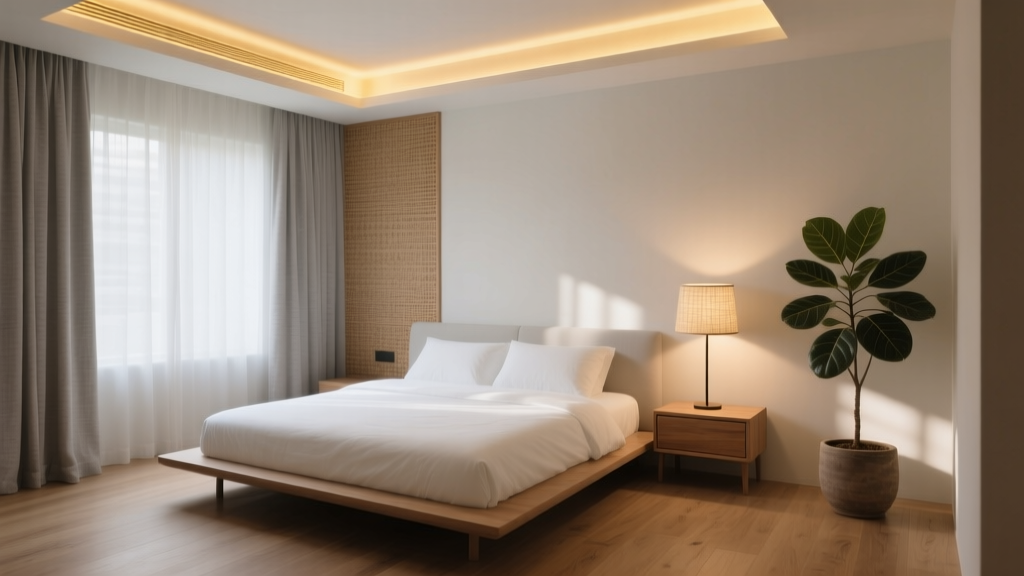
- Bedside lamps: Warm bulbs (2700K) help cue relaxation and make textures feel softer.
- Dimmer switches or smart bulbs: A simple wellness upgrade for a calmer pre-sleep routine.
- Avoid harsh overhead light at night: It can make the room feel stark and wakeful.
Budget Ranges for Throws (What to Expect)
- $20–$50: cotton throws, basic woven styles, microplush (good for renters and seasonal refreshes)
- $50–$120: higher-quality cotton, cotton-linen blends, textured knits, better finishing and drape
- $120–$300+: merino wool, cashmere blends, designer weaves, heirloom-level softness and longevity
Common Mistakes to Avoid When Choosing a Bedroom Throw
- Buying too small for the bed: A 50" x 60" throw often disappears on a queen or king unless styled diagonally.
- Choosing scratchy fibers for a skin-contact layer: If you’ll use it while reading or napping, prioritize softness over looks.
- Over-layering: Too many heavy textiles can trap heat and disrupt sleep, especially for warm sleepers.
- Ignoring care instructions: Dry-clean-only throws often end up unused. For everyday comfort, choose washable materials.
- High-contrast colors right at the foot of the bed: Bold contrast can look energizing rather than restful in a sleep-focused bedroom.
- Letting the throw drag on the floor: It collects dust and feels less fresh; size up only if you can manage the drape cleanly.
FAQ: Choosing the Best Throw Size for Your Bed
What size throw blanket looks best on a queen bed?
For most bedroom styling, a 60" x 80" throw looks proportional on a queen. If you want fuller coverage across the foot of the bed, choose 70" x 90" or a twin-size blanket around 66" x 90".
Can I use a regular throw blanket on a king bed?
You can, but it may look undersized. For a king, aim for 70" x 90" or an oversized throw around 80" x 100" to create a balanced, calming look.
How far should a throw hang down the sides of the bed?
For a tidy, sleep-friendly setup, aim for 4"–10" of drop on each side when placed across the foot of the bed. More than that can drag or shift, especially if you move a lot during sleep.
What’s the best throw material for hot sleepers?
Choose cotton, linen blends, or bamboo viscose blends for breathability. Avoid heavy microplush or thick fleece if you tend to overheat at night.
Should the throw match my comforter or contrast it?
For a relaxing bedroom palette, stay within the same color family and add contrast through texture (waffle weave, knit, subtle pattern). If you prefer contrast, keep it low-saturation—muted tones feel calmer than high-contrast brights.
Is a weighted blanket the same as a throw?
Not exactly. Weighted blankets are designed for pressure-based comfort and usually come in bed sizes, not throw sizes. If you want a throw for decor and easy layering, stick with a standard or oversized throw and use a weighted blanket separately as needed.
Next Steps: A Simple Plan for Choosing the Right Throw
- Measure your bed width (and note mattress height if it’s extra tall).
- Pick your styling method: folded at the foot, full-width layer, or diagonal drape.
- Select the right size: 60" x 80" is a reliable choice for queen beds; go larger for kings.
- Choose a sleep-friendly material: breathable cotton/linen for cooling, wool for cozy regulation.
- Create a calm setup: store it on a bench or in a basket, and pair with warm bedside lighting.
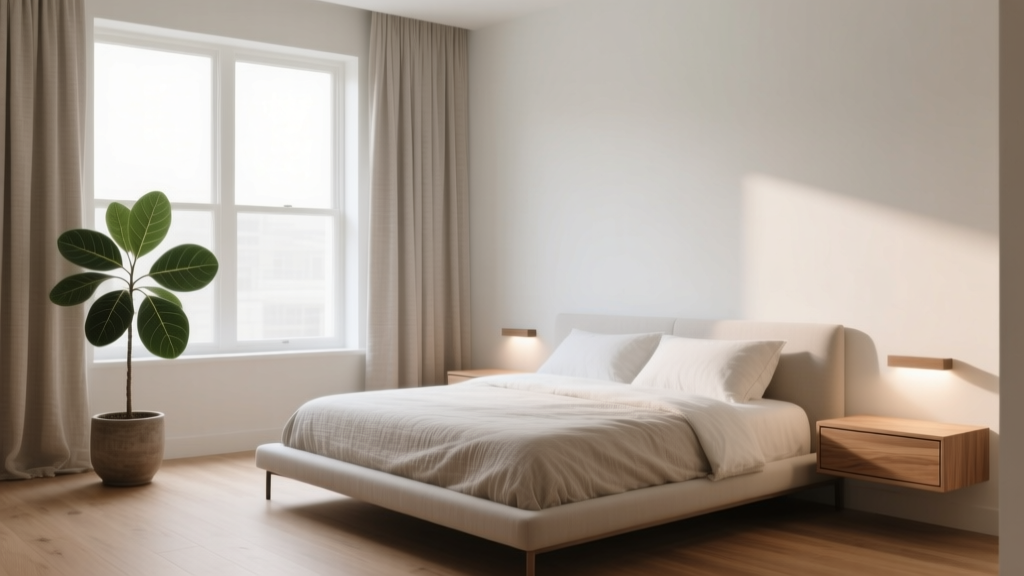
A well-chosen bedroom throw is one of the easiest upgrades for a more restful bedroom design—beautiful in daylight, comforting at night, and supportive of a calmer sleep environment.
For more soothing bedroom decor ideas, bedding guides, and sleep-friendly design tips, explore the latest inspiration on thedecormag.com.
More Articles
 Best Bedroom Hat Storage Display - The Decor Mag
 How to Incorporate Texture in Bedroom Decor - The Decor Mag
 Bedroom Natural Stone Bedside Tray - The Decor Mag
 Stylish Bedroom Design for Hot Summers
 How to Create a Bedroom Color Palette - The Decor Mag
 How to Style a Bedroom with Neutral Tones - The Decor Mag
 Bedroom Limewash Paint Wall Trend - The Decor Mag
Best Bedrooms for Warm Climates: Design, Materials, and Climate-Smart Strategies
Bedroom Limewash Paint Wall Trend - The Decor Mag
Best Bedrooms for Warm Climates: Design, Materials, and Climate-Smart Strategies
 Bedroom Lighting Ideas for Soothing Ambiance (2026)
 Wellness Bedroom Decor: Design Tips for 2026