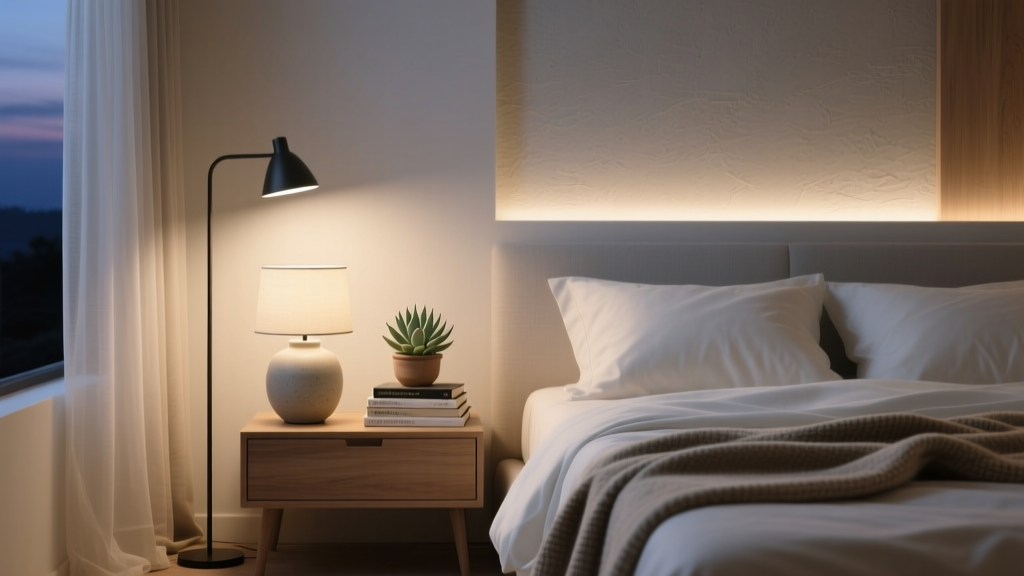
Best Bedroom Nighttime Routine Essentials - The Decor Mag
The way your bedroom looks, feels, and functions has a direct effect on how easily you fall asleep and how rested you feel in the morning. A calming nighttime routine isn’t only about what you do in the hour before bed—it’s also about what your space quietly supports: dim lighting that cues melatonin, breathable bedding that prevents overheating, a layout that reduces stress, and a few well-chosen essentials that make winding down feel effortless.
For homeowners and renters alike, the goal is the same: create a sleep environment that removes friction. When your bedroom design is aligned with your routine—charging stations placed out of reach, a reading light that doesn’t glare, a hamper that keeps clutter contained—you spend less energy “resetting” the room each night. That consistency matters for sleep quality, mood, immune health, and daily focus.
Below, you’ll find a practical checklist of nighttime routine essentials, organized by design category, plus budget ranges, material recommendations, and common mistakes to avoid. Use it as a menu: choose a few upgrades that solve your biggest sleep disruptors first, then layer in the extras that make your bedroom feel like a true retreat.
Start With the Foundation: A Layout That Supports Better Sleep
Before you buy anything, make sure the room works with your nightly flow. Great bedroom decor for sleep starts with reducing obstacles, noise, and visual clutter.
Sleep-friendly layout essentials
- Clear pathway to the bed (especially important for nighttime bathroom trips). Aim for 24–36 inches of walking space where possible.
- Bed placement that feels secure: ideally, your headboard is against a solid wall with a view of the door, not directly in line with it.
- Nightstands on both sides if you share the bed, to reduce reaching, light disruption, and “where is it?” stress.
- Clutter containment zones: a lidded hamper, a tray for small items, and a drawer or basket for charging cables.
Quick reset checklist (takes 2 minutes)
- Clear the top of the nightstand (leave only 3–5 essentials).
- Put clothes in the hamper or a dedicated “re-wear” hook.
- Return water, book, and eye mask to the same spot each night.
Furniture Essentials That Make Nighttime Easier
Bedroom furniture choices can reduce evening friction and support relaxation. Think “quiet functionality”: pieces that hide mess, reduce visual noise, and keep essentials within reach.
1) The right bed frame and headboard
A stable, squeak-free bed frame is a true sleep wellness upgrade. If your bed shifts or creaks, your body stays on alert.
- Best materials: solid wood (oak, maple, rubberwood) or sturdy metal with reinforced joints.
- Headboard benefit: adds comfort for reading and a grounded feel for the room.
- Design tip: upholstered headboards in performance fabric soften sound and add coziness.
Budget range: $150–$400 (basic frames), $400–$1,200 (quality frame + headboard), $1,200+ (designer/solid hardwood).
2) Nightstands that reduce clutter
Your nightstand is a key part of your bedtime routine. Choose one with storage, not just a surface.
- Look for: one drawer minimum, soft-close hardware if possible, and a surface large enough for a lamp + book + water.
- Space-saving option: wall-mounted nightstands for small bedrooms and rentals.
- Wellness tip: keep a small tray to corral items and reduce visual stress.
Budget range: $60–$150 (basic), $150–$400 (solid wood/quality), $400+ (heirloom pieces).
3) A “landing zone” for tomorrow
One of the most calming bedtime routine essentials is a dedicated spot for the next day’s items. It prevents last-minute searching and helps your brain let go.
- Options: a small bench at the foot of the bed, a wall hook rail, or a slim dresser top with a catchall tray.
- Best for small spaces: an upholstered storage ottoman that doubles as seating.
Budget range: $40–$120 (hooks/trays), $120–$350 (bench/ottoman), $350+ (custom or large storage bench).
Bedding Essentials: Temperature, Texture, and Support
If you wake up too hot, itchy, or achy, your bedroom design can be perfect and sleep still won’t land. Breathability and support are the cornerstones of a sleep-friendly bedroom.
1) Sheets that breathe (and feel good)
- Best for most sleepers: long-staple cotton percale (crisp, cool) in 200–400 thread count.
- Best for hot sleepers: linen (excellent airflow) or bamboo lyocell (smooth, moisture-wicking).
- Sensitive skin: OEKO-TEX certified cotton or bamboo, fragrance-free laundering.
Budget range: $50–$120 (good sets), $120–$250 (premium), $250+ (luxury linen/long-staple cotton).
2) Pillows matched to sleep position
- Side sleepers: medium-firm, higher loft to fill shoulder gap.
- Back sleepers: medium loft with neck support contour.
- Stomach sleepers: low loft, softer fill (or no pillow) to reduce neck strain.
- Materials: latex (cool and supportive), memory foam (pressure relief), down alternative (easy care).
Budget range: $25–$60 (basic), $60–$150 (quality), $150+ (premium latex/down).
3) Duvet and blanket layering for steady comfort
Layering is one of the simplest ways to keep your sleep environment comfortable across seasons.
- Core setup: breathable duvet insert + washable duvet cover.
- For temperature swings: add a lightweight cotton blanket between sheet and duvet.
- For cold rooms: a wool blanket adds warmth without trapping too much moisture.
Budget range: $40–$100 (covers), $80–$250 (quality inserts), $250+ (down or premium wool).
4) Mattress and topper considerations
A mattress is not always an easy swap, especially for renters, but a topper can be a practical bridge.
- Pressure relief: 2–3 inch memory foam topper (look for cooling gel or open-cell foam).
- Responsive support: latex topper (often cooler and more durable).
- Allergy-friendly: hypoallergenic encasement for mattress and pillows.
Budget range: $70–$200 (foam toppers), $200–$500 (latex), $20–$60 (encasements).
Lighting Essentials: The Fastest Way to Shift Your Nervous System
Bedroom lighting is one of the most overlooked sleep environment tools. Bright, cool-toned light signals alertness. Warm, dim light signals wind-down.
1) Layered lighting for nighttime routine
- Ambient: overhead fixture on a dimmer (ideal) or a warm bulb.
- Task: bedside lamp or wall sconce for reading.
- Low glow: motion-activated night light for safe midnight trips.
2) Bulb temperature and brightness
- Best color temperature for evenings: 2200K–2700K (warm white).
- Bedside lamp brightness: aim for 400–800 lumens with a shade that diffuses glare.
- Avoid: 4000K–6500K “daylight” bulbs in the bedroom at night.
Budget range: $8–$25 (warm bulbs), $25–$80 (lamps), $15–$40 (night lights), $40–$150 (plug-in dimmers/smart bulbs).
3) Blackout and light control
Light pollution can fragment sleep. A darker room typically supports deeper rest.
- Best window treatments: blackout curtains or blackout roller shades.
- Rental-friendly tip: tension rods, no-drill shades, or removable hook systems.
- Extra edge: add a sleep mask for travel or bright streetlights.
Budget range: $25–$80 (curtains), $60–$200 (shades), $10–$30 (mask).
Colors, Textures, and Decor That Encourage Calm
Bedroom color palettes and decor choices can lower visual stimulation and make your nighttime routine feel naturally slower. The goal is “soft focus”: nothing too loud, shiny, or busy near the bed.
Sleep-friendly color palette ideas
- Warm neutrals: creamy ivory, oatmeal, soft taupe for a cocooned feel.
- Muted cools: dusty blue, soft sage, gentle gray-green for a spa-like bedroom vibe.
- Earth tones: clay, sand, and warm mushroom for grounded calm.
Material recommendations for a restful bedroom
- Natural fibers: cotton, linen, wool (good for temperature regulation).
- Quiet textures: matte finishes, boucle, brushed cotton, woven baskets.
- Rug tip: a low-pile rug or wool rug can soften sound and warm your feet in the morning.
Budget range: $30–$120 (throw/accents), $100–$400 (area rug), $15–$60 (pillow covers/curtains in calming colors).
Minimal decor that still feels personal
- One piece of art you genuinely find soothing (abstract, nature, soft landscapes).
- A small plant on a dresser (keep fragrance minimal; avoid strong-scented blooms at night).
- A mirror placement tip: avoid aiming mirrors directly at the bed if it feels visually active or distracting.
Nighttime Routine Essentials: What to Keep Within Reach
These are the small items that make a bedtime routine consistent. Choose what supports your habits, then store the rest out of sight.
Bedside essentials list
- Water carafe or lidded cup (reduces trips and prevents spills).
- Book or e-reader with warm front light settings.
- Eye mask and earplugs (or comfortable sleep headphones if you use soothing audio).
- Hand cream or simple moisturizer (unscented or lightly scented).
- Notebook + pen for a quick “brain dump” list (worries and to-dos out of your head).
- Charging setup that doesn’t tempt scrolling: a longer cable routed behind the nightstand or a charging station across the room.
Optional wellness add-ons
- Humidifier for dry climates (aim for 40–50% humidity).
- White noise machine if you’re sensitive to street noise or roommates.
- Cooling mattress pad if overheating is your main sleep disruptor.
Budget range: $10–$30 (mask/earplugs), $15–$40 (carafe), $20–$80 (charging station), $30–$80 (white noise), $40–$150 (humidifier), $60–$200 (cooling pad).
A Calming 30–60 Minute Bedroom Wind-Down Routine (Design-Backed)
This routine pairs sleep wellness habits with bedroom design choices that make them easier to stick to.
- 60 minutes before: Dim lights (switch to lamps/sconces). Set thermostat cooler if possible (many people sleep best around 60–67°F).
- 45 minutes before: Quick tidy: clear surfaces, put clothes away, prep tomorrow’s outfit in your landing zone.
- 30 minutes before: Wash up, apply moisturizer, set a water carafe by the bed.
- 20 minutes before: Brain dump: write down three to-dos for tomorrow and one “done list” win from today.
- 10 minutes before: Read a few pages or listen to a calming audio track; keep the phone charging away from the bed.
Common Mistakes to Avoid (That Quietly Wreck Sleep)
- Overhead lighting as the only light source: it’s often too bright and too cool-toned for nighttime relaxation.
- Too many pillows and throws on the bed: creates a nightly chore and visual clutter.
- Glossy, reflective finishes everywhere: they bounce light and feel more stimulating at night.
- Heavy fragrance: strong candles, sprays, or plug-ins can irritate airways and become sleep-disrupting.
- TV or doom-scrolling zone: if screens are in the bedroom, create boundaries—at minimum, use warm settings and keep devices off the bed.
- Ignoring noise control: hard floors + bare walls amplify sound. Add a rug, curtains, and soft textiles to absorb it.
FAQ: Bedroom Nighttime Routine Essentials
What are the most essential bedroom upgrades for better sleep on a budget?
Start with warm bulbs (2200K–2700K), blackout curtains (or a sleep mask), breathable sheets (cotton percale), and a simple clutter solution like a basket or tray. These changes typically land in the $50–$200 range and can noticeably improve your sleep environment.
What’s the best bedroom lighting for winding down at night?
Use layered lighting with warm color temperature bulbs. A bedside lamp or wall sconce paired with a dimmable ambient light works well. Avoid bright overhead lighting in the hour before bed when possible.
How can renters improve bedroom decor and sleep quality without painting or major renovations?
Focus on removable upgrades: blackout curtains on a tension rod, plug-in sconces, peel-and-stick dimmers or smart bulbs, a rug to soften sound, and bedding in calming colors. Rearranging furniture for a clearer walkway can also make the room feel more restful.
Which bedding materials are best for hot sleepers?
Linen and cotton percale are top choices for airflow. Bamboo lyocell can also feel cool and smooth for people who overheat. Pair sheets with a lighter duvet insert and consider a breathable mattress protector.
Do calming bedroom colors really help with sleep?
They can. Muted, low-contrast palettes reduce visual stimulation and support relaxation. Soft neutrals, dusty blues, and gentle sage tones tend to create a calmer bedroom atmosphere than high-contrast patterns or very bright colors.
How do I keep my bedroom tidy if I’m short on storage?
Use a small set of “micro-zones”: a lidded hamper, under-bed bins, a bedside drawer, and a tray for small items. Keeping surfaces mostly clear makes the entire bedroom feel more serene, even if closet space is limited.
Next Steps: Build Your Essentials, Then Refine
Choose one friction point to solve this week—too much light, overheating, clutter, or uncomfortable bedding—then match it with a targeted upgrade. Many of the best bedroom nighttime routine essentials are simple: warm lighting, breathable layers, a quiet layout, and a bedside setup that supports calm. Once those are in place, your routine becomes easier to repeat, and better sleep tends to follow.
For more soothing bedroom design ideas, sleep-friendly decor tips, and practical room refresh guides, explore the latest inspiration on thedecormag.com.
More Articles
 Bedroom Paint for Sleep Quality | The Decor Mag
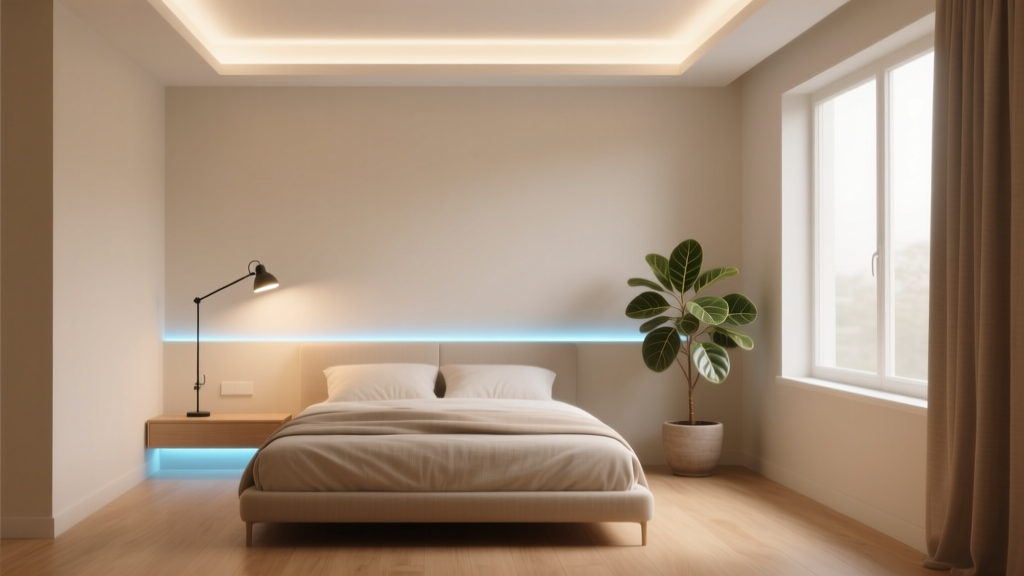 Three-Layer Bedroom Lighting: Calm & Functional (2026)
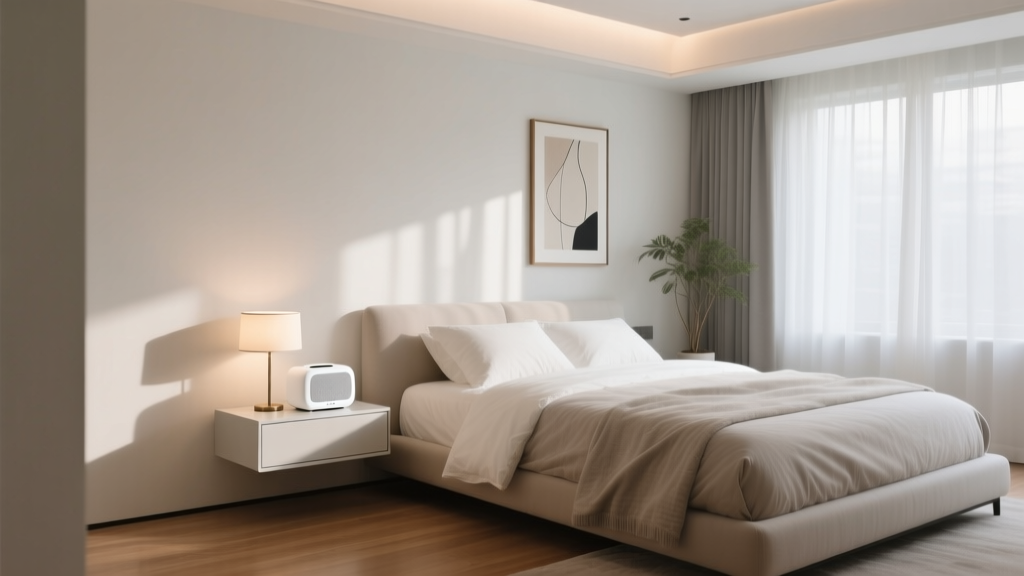 Best Bedroom White Noise Setup - The Decor Mag
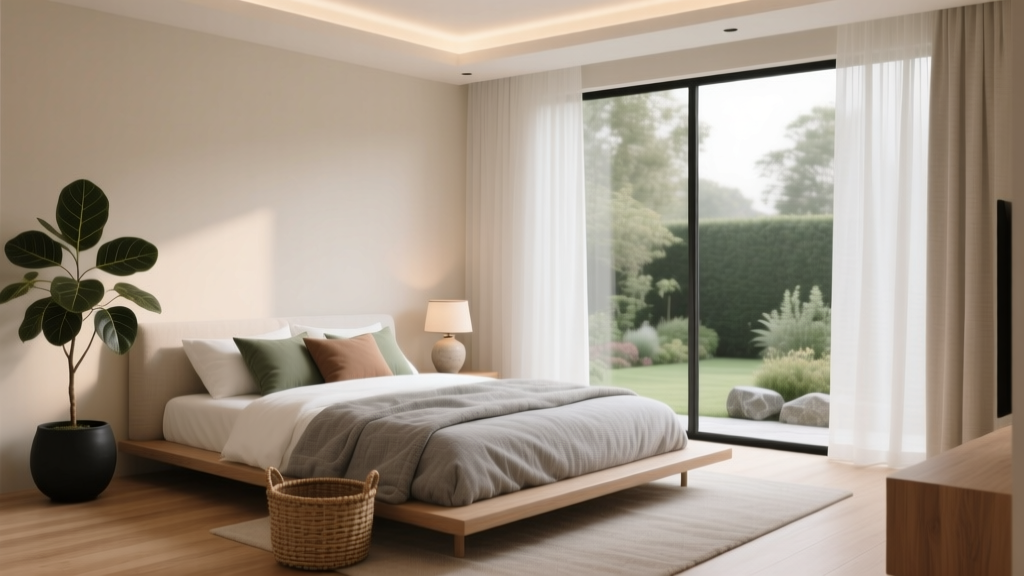 How to Create a Bedroom for Better Sleep - The Decor Mag
 The Best Bedding Sets for Every Season - The Decor Mag
 Best Bedroom Bedside Tea Setup - The Decor Mag
 How to Create a Bedroom That Feels Collected - The Decor Mag
 Plaster Range Hood Headboard for Bedrooms
 How to Layer Bedding Like a Designer - The Decor Mag
 Bedroom Fluted Panel Wardrobe Design - The Decor Mag