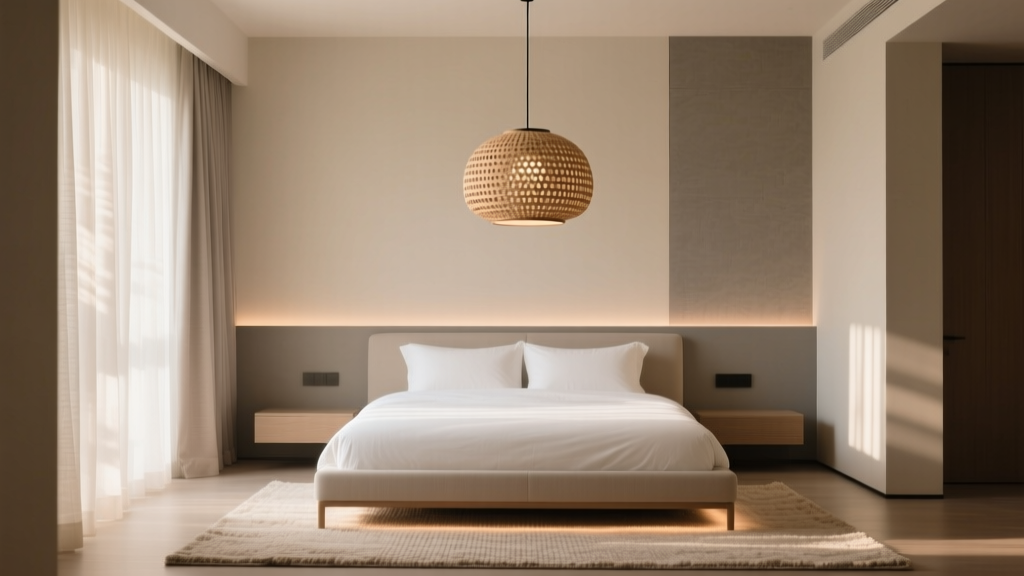
Bedroom Woven Pendant Light Ideas - The Decor Mag
A bedroom that supports deep rest is built on more than a good mattress. Light—its brightness, direction, color temperature, and how it’s distributed—quietly shapes your nervous system. Harsh overhead glare can keep your brain in “daytime mode,” while warm, layered lighting helps the body wind down, signaling that it’s safe to relax.
Woven pendant lights are especially suited to bedroom design because they soften illumination and add natural texture. Materials like rattan, bamboo, seagrass, paper, and linen diffuse light into gentle patterns that feel calm rather than clinical. The right pendant can act as a focal point above the bed, replace bulky lamps on small nightstands, and create a cozy, sleep-friendly atmosphere without sacrificing style.
Below are practical woven pendant light ideas—plus layout guidance, bulb recommendations, color pairings, and common mistakes to avoid—so you can build a bedroom lighting plan that supports sleep quality and overall wellbeing.
Why Woven Pendant Lights Work So Well in Bedroom Design
When you’re designing a sleep environment, the goal is visual comfort and emotional ease. Woven pendants help because they:
- Diffuse light to reduce glare (a common cause of nighttime eye strain).
- Add texture that reads as warm and grounding—ideal for a relaxing bedroom decor scheme.
- Create softer shadows that feel more natural than bare glass or exposed bulbs.
- Free up nightstand space when used as bedside pendants.
- Support layered lighting—a key element in a sleep-friendly bedroom.
Sleep-friendly lighting basics (quick checklist)
- Color temperature: 2200K–2700K for evening wind-down.
- Brightness: aim for dimmable fixtures; consider 400–800 lumens per bedside pendant depending on shade density.
- Bulb type: warm LED (flicker-free when possible), high CRI (90+) for natural color rendering.
- Controls: dimmer switch or smart bulb with a bedtime schedule.
Choose Your Woven Style: 10 Bedroom Pendant Light Ideas
1) Rattan dome pendant for a calm, coastal feel
A rattan dome pendant is a classic choice for coastal, boho, and modern-organic bedrooms. Its broad shape spreads light evenly without feeling harsh.
- Best for: center-of-room lighting or above a reading chair.
- Pair with: white or sand bedding, light oak furniture, linen curtains.
- Budget range: $60–$250 (higher for artisan or oversized pieces).
2) Woven lantern pendant for soft, ambient glow
Lantern shapes (rounded or elongated) create an enveloping glow and a gentle focal point—ideal for bedrooms where you want a serene statement without a chandelier’s sparkle.
- Best for: smaller bedrooms needing visual softness.
- Tip: choose a closed weave or add a diffuser to reduce patterned shadows if you’re sensitive to visual “busyness.”
- Budget range: $80–$300.
3) Oversized woven pendant for high ceilings and drama (without glare)
An oversized shade can make a bedroom feel designed and intentional while still staying cozy—especially if the weave is tight enough to prevent harsh pinpoints of light.
- Best for: vaulted ceilings, large primary bedrooms, or open-plan sleeping lofts.
- Scale guide: for a queen bed, consider a 20–28 inch diameter shade; for a king bed, 24–32 inches can work well.
- Budget range: $150–$600.
4) Bedside woven pendants instead of table lamps
Swapping table lamps for two matching bedside pendants can instantly elevate a bedroom and create a hotel-like sense of calm. It also keeps your nightstands clear for essentials.
- Best for: small nightstands, minimalist bedrooms, couples with different sleep schedules (with separate switches/dimmers).
- Practical placement: hang the bottom of the shade roughly 18–24 inches above the top of the nightstand (adjust based on bed height).
- Budget range: $120–$500 for a pair, depending on materials and wiring.
5) Woven pendant with linen inner shade for extra softness
Some woven fixtures include an inner linen drum that hides the bulb and smooths the light. This is a strong choice for sleep wellness because it minimizes harsh glare and reduces high-contrast shadows.
- Best for: bedrooms where you want the texture of rattan but a more uniform glow.
- Bulb pick: warm LED, 2700K max; consider 2200K if you read less at night.
- Budget range: $120–$450.
6) Bamboo slat pendants for modern-organic bedrooms
Bamboo slat pendants can look clean-lined and contemporary while still natural. They cast linear shadows that feel architectural—great if your decor leans modern but you still want warmth.
- Best for: Japandi, modern-organic, Scandinavian-inspired bedroom design.
- Style pairing: walnut nightstands, crisp cotton bedding, muted earth-tone walls.
- Budget range: $100–$400.
7) Seagrass basket pendants for relaxed, textured charm
Seagrass has a more rustic texture than rattan and often comes in basket-like shapes. It’s perfect for renters or anyone creating a layered, collected look.
- Best for: boho bedrooms, eclectic decor, cottage styles.
- Tip: keep other patterns quiet (solid duvet cover, subtle rug) so the pendant texture feels soothing, not chaotic.
- Budget range: $50–$220.
8) Paper or woven fiber pendants for the softest, most sleep-friendly light
Paper and fiber pendants (think modern rice-paper silhouettes) provide some of the gentlest diffusion available. They’re often lightweight and renter-friendly, too.
- Best for: low-glare bedrooms, nurseries, or anyone sensitive to bright overhead lighting.
- Safety note: use LED bulbs only to keep heat low.
- Budget range: $25–$150.
9) Dark woven pendants for moody, cocoon-like bedrooms
Charcoal, espresso, or black woven shades can feel incredibly cozy, especially with warm bulbs. They direct light downward and reduce overall brightness—helpful if you want a restful, cocooned sleep environment.
- Best for: bedrooms with layered textiles, darker wall colors, or strong daylight that needs evening balance.
- Bulb tip: choose 800–1100 lumens with a dimmer, since darker shades absorb light.
- Budget range: $90–$450.
10) Mixed-material woven pendants (rattan + brass, cane + ceramic)
Adding a small amount of metal or ceramic can help a woven pendant look more tailored, especially in modern bedrooms. Brass details pair beautifully with warm, sleep-friendly lighting.
- Best for: transitional style bedrooms and apartments where you want natural texture without a fully boho look.
- Design tip: match the pendant hardware to your curtain rod, mirror frame, or drawer pulls for a calmer visual flow.
- Budget range: $150–$700.
How to Place a Woven Pendant in the Bedroom (Layout That Feels Peaceful)
Center pendant placement
A central pendant works best when it provides general ambient light, complemented by bedside lighting. To keep the room relaxing, avoid placing a bare bulb directly in your line of sight when lying down.
- Hang height: typically 7–8 feet from the floor to the bottom of the shade (adjust for ceiling height and shade size).
- Shade design: choose a diffuser or tighter weave if the bed is directly beneath it.
Bedside pendant placement (most practical for small spaces)
Two bedside pendants can improve nighttime routines—reading, journaling, or winding down—without overlighting the room.
- Distance from bed: aim to center the pendant over the nightstand or slightly toward the outer edge to keep it out of your face.
- Switching: wall switches are ideal; for rentals, consider plug-in pendants with a cord switch or smart plug.
Corner reading nook pendant
If you have a chair or bench, a woven pendant can define a “quiet corner” for slower evenings. This supports better sleep hygiene by keeping stimulating activities (like work) out of bed.
- Pair with: a supportive lounge chair, a small side table, and a soft throw.
- Light level: 500–800 lumens with a dimmer for flexible use.
Sleep-Friendly Bulbs, Dimmers, and Shade Liners
The most beautiful woven pendant can still feel wrong if the bulb is too cool or too bright. A few upgrades make a noticeable difference in the bedroom’s sleep environment:
Bulb recommendations
- Warm LED: 2200K–2700K (lower is warmer and more relaxing).
- High CRI: 90+ for true, comforting color in your bedroom decor.
- Glare control: choose frosted bulbs rather than clear ones, especially in open-weave shades.
Dimmers and smart lighting
- Wall dimmer: best long-term solution; often $20–$60 plus installation.
- Smart bulb: great for renters; schedule lights to warm and dim in the evening ($15–$50 per bulb).
- Smart plug: for plug-in pendants; set bedtime timers ($10–$30).
Diffusers and liners
- Built-in diffuser: ideal for overhead fixtures near the bed.
- Aftermarket diffuser disk: some shades can be fitted with a simple disk to reduce glare and calm shadow patterns.
Color and Material Pairings That Promote Rest
Woven pendants naturally complement soothing palettes and tactile bedding. For a calm bedroom design, consider these combinations:
- Rattan + warm white walls: creamy whites, soft ivory bedding, light wood furniture.
- Bamboo + greige: gray-beige walls, crisp cotton percale sheets, matte black accents.
- Seagrass + clay tones: terracotta throws, oatmeal linen duvet, natural jute rug.
- Black woven + muted sage: sage walls, walnut nightstands, warm brass hardware.
Bedding and furniture recommendations that work beautifully with woven lighting
- Bedding: linen duvet covers for texture, cotton percale for a cool, crisp sleep feel, and a breathable quilt for layering.
- Nightstands: slim-profile wood or upholstered nightstands to reduce visual clutter; consider wall-mounted shelves in very small rooms.
- Window treatments: blackout curtains or blackout roller shades to protect melatonin production and improve sleep quality.
- Rugs: a soft wool or low-pile rug beside the bed for a quieter, more grounded landing in the morning.
Budget Ranges and Where to Spend vs. Save
Woven pendant lighting is available at nearly every price point. Here’s a practical breakdown for planning:
- Under $75: paper/fiber shades, small seagrass pendants, basic plug-in options.
- $75–$200: most mid-size rattan/bamboo pendants; good quality for renters and homeowners.
- $200–$500: larger scale pieces, better hardware, more consistent weaving, linen-lined designs.
- $500+: artisan-made pendants, designer shapes, oversized statement fixtures.
Smart places to invest
- Dimmers and warm, high-quality bulbs (your eyes feel the difference nightly).
- A liner or diffuser if the pendant is near the bed.
- Quality wiring/hardware for hardwired fixtures you’ll keep long-term.
Sleep Wellness Tips That Pair Well With Bedroom Lighting
- Set a “sunset” routine: dim lights 60–90 minutes before bed to help your brain transition toward sleep.
- Keep overheads low at night: use bedside pendants or wall sconces on a dim setting for evening tasks.
- Reduce visual noise: woven pendants already add texture; balance them with calmer bedding patterns and fewer decor items.
- Separate work from rest: if possible, avoid bright task lighting near the bed; create a small, dedicated reading corner instead.
Common Mistakes to Avoid With Woven Pendant Lights
- Choosing an open weave with a clear bulb: this creates harsh pinpoints of light and distracting shadows—especially uncomfortable when lying in bed.
- Using cool white bulbs (4000K+): they can feel energizing and undermine a relaxing bedroom atmosphere.
- Skipping a dimmer: one brightness level rarely works for both getting dressed and winding down.
- Hanging pendants too low: bedside pendants that hang too low can block sightlines and feel visually crowded.
- Buying the wrong scale: a tiny pendant in a large bedroom feels underwhelming; an oversized shade in a small room can feel oppressive.
- Ignoring dust and upkeep: woven materials collect dust; plan for easy cleaning (more on that below).
FAQ: Bedroom Woven Pendant Lights
Are woven pendant lights bright enough for a bedroom?
Yes—especially when paired with a warm LED bulb and a dimmer. Many woven shades are best as ambient light, supported by bedside pendants, table lamps, or a soft floor lamp for reading.
What bulb is best for a sleep-friendly bedroom pendant?
Look for LED bulbs in the 2200K–2700K range with a high CRI (90+). Frosted bulbs reduce glare in open-weave shades, making the bedroom feel calmer.
Can renters install woven pendant lights?
Renters often do well with plug-in pendant lights (hung from a ceiling hook) or a shade swap on an existing ceiling fixture. Smart bulbs and smart plugs add dimming and scheduling without rewiring.
How do I clean a rattan or seagrass pendant?
Dust regularly with a microfiber cloth or a vacuum brush attachment on low suction. For deeper cleaning, use a soft brush to reach crevices. Avoid soaking natural fibers; moisture can warp the weave.
Do woven pendants attract bugs or get moldy?
They can if used in damp environments. In a bedroom with normal humidity, this is rarely an issue. Keep indoor humidity roughly 40–55%, and avoid placing woven fixtures near steamy bathrooms without ventilation.
Should I use one central pendant or two bedside pendants?
If your goal is relaxation and flexible lighting, two bedside pendants (each on its own dimmer or switch) usually feel best. A central pendant can still work well for overall ambient light when it’s diffused and dimmable.
Next Steps: Build a Bedroom Lighting Plan You’ll Feel Every Night
Start by choosing one woven pendant style that fits your room’s scale and your decor direction—rattan dome, lantern, bamboo slat, or a linen-lined hybrid. Then make it sleep-friendly with a warm bulb and a dimmer or smart control. Round out the setup with calming bedding (linen or percale), blackout window treatments, and a clutter-light layout that keeps the bed area visually quiet.
For more soothing bedroom design ideas, renter-friendly upgrades, and sleep-supportive decor inspiration, explore the latest guides on thedecormag.com.
More Articles
 Best Bedroom Sleep Spray Collection - The Decor Mag
 Best Bedroom Nighttime Routine Essentials - The Decor Mag
 Bedroom Curved Architectural Bedroom Detail - The Decor Mag
 Best Bedroom Ceiling Fan Options - The Decor Mag
 Global Textiles in Bedrooms: Styling Ideas (2026)
 Mid-Century Modern Bedroom Furniture Guide - The Decor Mag
 Stylish Bedroom Design for Hot Summers
 Best Bedroom Handbag Storage Solutions - The Decor Mag
 How to Choose Bedroom Mattress Firmness - The Decor Mag
 Bedroom Plaster Sconce Wall Application - The Decor Mag