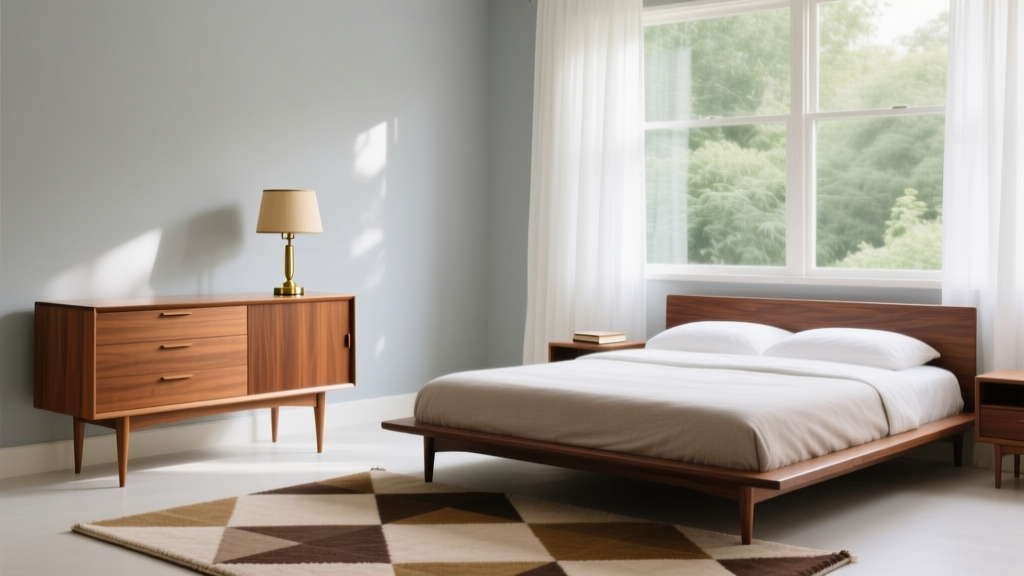
Mid-Century Modern Bedroom Furniture Guide - The Decor Mag
A bedroom that supports deep, consistent sleep is rarely an accident. The shape of your furniture, the way your lighting lands at night, and even the visual “quiet” of your layout all influence how quickly your body shifts into rest mode. Mid-century modern bedroom design is especially helpful here because it favors clean lines, warm woods, and functional pieces that reduce visual clutter—an easy recipe for a calmer sleep environment.
For homeowners and renters alike, mid-century modern bedroom furniture can deliver a timeless look without feeling fussy or high-maintenance. It’s also a style that naturally encourages better airflow, better circulation around the bed, and more intentional storage—all of which contribute to a bedroom space that feels breathable and restorative.
This guide breaks down the essential mid-century modern furniture pieces, how to choose materials and finishes, and how to arrange everything for comfort. You’ll also find sleep-friendly recommendations for lighting, bedding, colors, and common mistakes that can quietly sabotage relaxation.
What Defines Mid-Century Modern Bedroom Furniture?
Mid-century modern (MCM) style emerged in the mid-1900s and remains popular because it balances warmth and simplicity. For bedroom design, that balance matters: a room that feels intentional and uncluttered can reduce mental stimulation at bedtime.
Key visual traits
- Clean silhouettes with gentle curves (no heavy ornamentation).
- Tapered legs on beds, dressers, and nightstands for an airy, open feel.
- Warm wood tones such as walnut, teak, oak, or acacia.
- Low-profile furniture that feels grounded and calm.
- Functional storage designed to hide clutter.
Why MCM works for a sleep environment
- Less visual noise: simpler forms can feel soothing and reduce bedtime overstimulation.
- More open floor space: leggy pieces make small bedrooms feel less cramped.
- Easy-to-clean layouts: clear space under furniture supports better dust control (helpful for allergies).
Start With the Bed: Your Anchor Piece
The bed is the largest object in the room—and the one most tied to sleep quality. In mid-century modern bedrooms, a platform bed or low-profile frame usually sets the tone.
Best mid-century bed styles
- Platform bed with tapered legs: streamlined, supportive, and visually light.
- Spindle or slatted headboard: adds texture without heaviness; pairs well with soft bedding.
- Upholstered headboard (MCM shape): choose gently rounded corners or a simple rectangle for a softer feel.
Materials to look for (and what to avoid)
- Solid wood or wood veneer over engineered wood: often more stable and longer-lasting than particleboard.
- Low-VOC finishes: helpful if you’re sensitive to smells or want a cleaner sleep environment.
- Avoid overly glossy finishes: they can look harsh under lighting and show fingerprints, adding visual “busy-ness.”
Budget ranges for beds
- Budget: $250–$600 (engineered wood frames, basic veneer finishes)
- Mid-range: $600–$1,400 (better hardware, sturdier joinery, nicer veneers/solid components)
- Investment: $1,400–$3,500+ (solid hardwood, premium joinery, long lifespan)
Sleep-friendly sizing tips
- If sleep is restless or partners disturb each other, consider upgrading:
- Queen to King for more personal space
- Split king if adjustable bases or different firmness needs matter
- Choose a headboard height that supports pillow stacking for reading—without forcing your neck forward.
Nightstands That Support Better Sleep Habits
Nightstands aren’t just decorative. They help you create a bedtime routine that’s easy to maintain: a place for a book, water, lip balm, a soft lamp, and a phone charger that doesn’t end up across the room glowing at you.
What to look for
- One drawer minimum: hides clutter like hand cream, eye masks, or medication.
- Soft-close hardware (if possible): quieter at night and early morning.
- Height alignment: top surface should be within 2–4 inches of your mattress height for easy reach.
- Cable management: a back cutout or open shelf makes chargers neater.
Recommended product types
- Two-drawer MCM nightstands in walnut or oak (classic and practical).
- Floating nightstands (great for small bedrooms; easier cleaning underfoot).
- Open-shelf nightstands if you prefer airy styling—just keep items minimal to avoid visual clutter.
Dressers and Wardrobes: Clutter Control for a Calmer Bedroom
Clutter is one of the most common bedroom stressors. From a sleep wellness perspective, visible piles can keep your brain in “to-do list” mode. Mid-century modern storage furniture is ideal because it tends to be streamlined but spacious.
Choose the right storage piece for your space
- Wide low dresser: best for smaller rooms because it keeps sightlines open and can double as a display surface.
- Tall chest: uses vertical space when floor space is tight.
- Wardrobe/armoire: ideal for rentals with limited closets; choose one with interior drawers to reduce extra furniture.
Material and build quality tips
- Dovetail or sturdy drawer joinery tends to last longer.
- Full-extension drawer slides help you actually use the whole drawer (less “lost” clutter).
- Rounded pulls or integrated handles keep the look sleek and reduce snag points in tight layouts.
Budget ranges for storage
- Budget: $200–$500 (lighter materials, smaller sizes)
- Mid-range: $500–$1,200 (better hardware, larger capacity)
- Investment: $1,200–$3,000+ (solid wood, premium slides, heirloom potential)
Bedroom Layout: Mid-Century Flow That Feels Restful
Even the best bedroom furniture won’t feel calming if the layout is cramped or chaotic. Mid-century modern design works best with breathing room around key pieces.
A practical, sleep-friendly layout checklist
- Clear pathways: aim for 24–30 inches of walking space on the main sides of the bed if possible.
- Anchor the bed: place the headboard on a solid wall; avoid floating the bed in awkward positions unless the room demands it.
- Balance the visual weight: a dresser opposite the bed can stabilize the room; avoid stacking too many tall items on one side.
- Keep work out of sight: if a desk must be in the bedroom, position it away from the bed and add a closing screen or cabinet to visually “end” the workday.
Small bedroom strategy (renters, especially)
- Choose a platform bed with underbed clearance for discreet storage bins.
- Use floating nightstands or slim single-drawer styles.
- Swap a bulky dresser for a tall chest or wardrobe.
- Place a full-length mirror where it reflects light, not the bed (more restful for many sleepers).
Lighting: The Most Overlooked Sleep-Friendly Upgrade
Lighting affects melatonin and sets the mood for wind-down. Mid-century modern lighting—globe pendants, dome shades, and warm metals—can look beautiful while still supporting a healthier nighttime routine.
Layered lighting plan (simple and effective)
- Ambient: a ceiling fixture or pendant with a diffuser.
- Task: bedside lamps or swing-arm wall sconces for reading.
- Low glow: a warm night light or dimmable lamp for nighttime waking.
Sleep-friendly specs
- Bulb color temperature: 2200K–2700K for evening light (warm and calming).
- Dimmers: one of the best “comfort per dollar” upgrades for the sleep environment.
- Shade material: linen or frosted glass diffuses light softly; clear glass can feel harsh at night.
Mid-century lighting ideas
- Wall-mounted swing-arm sconces (frees nightstand space and reduces clutter).
- Table lamps with ceramic or wood bases in rounded shapes.
- Opal glass globe pendant for a gentle, even glow.
Color Palette and Materials: Calm Mid-Century Modern Bedroom Decor
Mid-century modern decor often mixes warm woods with grounded neutrals and a few earthy accent colors. For sleep quality, calming tones and matte finishes tend to feel more restful than high-contrast palettes.
Sleep-supportive color combinations
- Walnut + creamy white + muted olive (warm, natural, soothing)
- Oak + soft greige + dusty blue (light, airy, restorative)
- Teak + warm beige + terracotta accents (cozy, grounded)
Material recommendations for comfort
- Rugs: wool or wool-blend for softness and durability; low-pile if you want easier cleaning.
- Window treatments: layered curtains (sheer + blackout) for light control and a quieter sleep environment.
- Upholstery: linen, cotton, or performance fabric in matte textures to keep the look relaxed.
Bedding That Complements MCM Style (and Feels Better to Sleep In)
Bedding is where style meets physiology. Temperature regulation, skin comfort, and tactile softness all affect how often you wake during the night.
Recommended bedding types
- Sheets:
- Perennial choice: cotton percale (crisp, cool, breathable)
- For warmth: cotton sateen (smoother, slightly warmer)
- For hot sleepers: linen (excellent airflow; softens over time)
- Duvet/comforter: choose weight by season; consider two inserts (summer + winter) instead of one “all-year” compromise.
- Pillows: match loft to sleep position (side sleepers often need higher loft; back sleepers medium; stomach sleepers low).
Mid-century modern styling that stays restful
- Use a neutral base (white, ivory, oatmeal) and add one accent color (rust, olive, navy, mustard) through a throw or pillow.
- Favor texture over pattern for visual calm: waffle weaves, soft knits, linen blends.
Budget ranges for bedding upgrades
- Budget refresh: $80–$200 (sheet set + a throw)
- Mid-range comfort: $200–$500 (quality sheets + duvet insert + blackout curtains)
- Investment sleep set: $500–$1,200+ (premium linen/cotton, multiple inserts, upgraded pillows)
Wellness Tips: Make Your Mid-Century Bedroom Feel Like a Retreat
- Reduce bedroom tech clutter: keep chargers tucked away; consider a closed drawer for devices.
- Protect darkness: blackout curtains or a lined shade can improve sleep quality by reducing early waking.
- Quiet the air: if allergies disrupt sleep, add a compact air purifier and keep under-bed dust minimal with a higher-clearance frame.
- Choose calming scents carefully: light fragrance (lavender, chamomile) can support relaxation; avoid strong artificial scents that linger.
- Add one natural element: a small plant or a wood tray on the dresser can soften the space—just avoid strong-smelling blooms in the bedroom.
Common Mistakes to Avoid
- Going too low on storage: mid-century minimalism only works if clutter has a home. Include at least one substantial closed-storage piece.
- Overdoing statement items: one hero piece (bed or dresser) is enough; too many bold silhouettes can feel busy and less sleep-friendly.
- Bright, cool lighting at night: 4000K–6500K bulbs can feel energizing and interfere with wind-down. Stick to warm, dimmable light.
- Nightstands that are too small: if your essentials don’t fit, they’ll end up on the floor or bed—adding mess and stress.
- Ignoring scale: a massive dresser in a tight room disrupts flow; a tiny rug under a queen bed can look off and feel ungrounded.
- Too much pattern near the bed: high-contrast prints can feel stimulating; keep patterns subtle in the sleep zone.
FAQ: Mid-Century Modern Bedroom Furniture
What wood is most associated with mid-century modern bedroom furniture?
Walnut and teak are the classic mid-century modern choices, with oak and acacia also common in today’s collections. Look for warm tones and a matte or satin finish for a calmer bedroom vibe.
Can mid-century modern work in a small bedroom or rental?
Yes. Mid-century modern furniture often has raised legs and slim profiles, which visually opens up small spaces. In rentals, focus on a platform bed, compact nightstands, and a tall chest or wardrobe to maximize storage.
How do I make a mid-century bedroom feel cozy instead of sparse?
Layer soft textures: a wool rug, linen or cotton bedding, blackout curtains, and warm lighting (2200K–2700K). Keep the furniture lines clean, then add comfort through textiles and a few warm-toned accessories.
What lighting is best for a sleep-friendly mid-century modern bedroom?
Dimmable, warm bulbs paired with diffused shades are ideal. Table lamps with linen shades, opal glass globe pendants, and wall sconces provide layered lighting that supports bedtime relaxation.
What are the best colors for a mid-century modern bedroom design?
Try warm neutrals (cream, beige, greige) with earthy accents like olive, terracotta, or dusty blue. These combinations complement wood tones while keeping the sleep environment calm and grounded.
Is it okay to mix mid-century modern with other decor styles?
Absolutely. Mid-century modern blends well with Scandinavian, modern organic, and even light contemporary looks. Keep the palette cohesive and prioritize simple silhouettes so the bedroom still feels restful.
Next Steps: Build Your Mid-Century Bedroom One Calm Upgrade at a Time
Start with the anchor (a supportive platform bed and mattress setup), then add two functional nightstands and at least one closed-storage piece to keep clutter contained. From there, refine the sleep environment with warm, dimmable lighting, breathable bedding, and a soothing color palette that complements your wood tones. Small improvements—like blackout curtains, better bulb temperature, or a rug that softens footsteps—often make the biggest difference in how a bedroom feels at night.
For more calming bedroom design ideas, furniture guides, and sleep-friendly decor inspiration, explore the latest on thedecormag.com.
More Articles
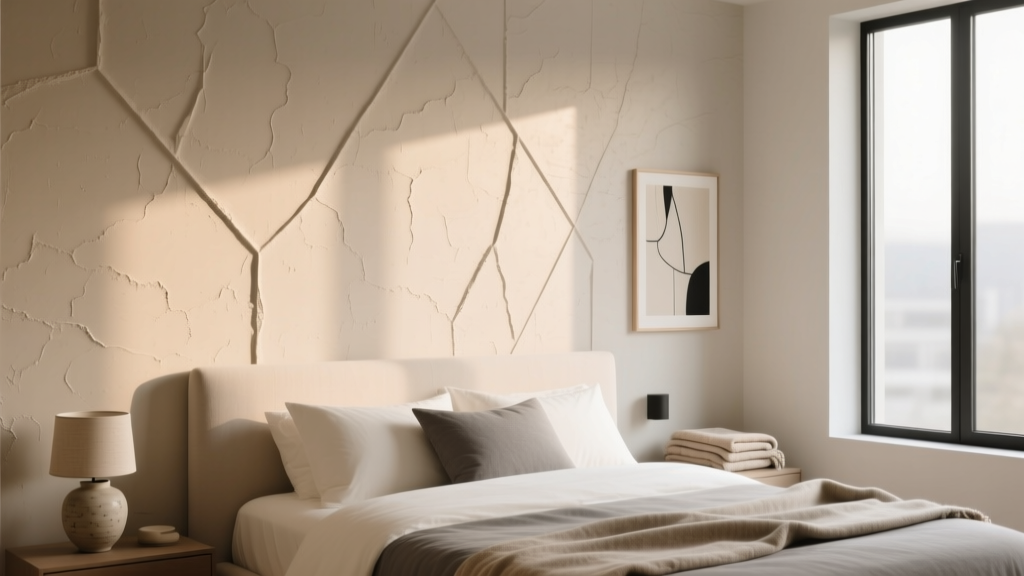 Bedroom Textured Plaster Headboard Wall - The Decor Mag
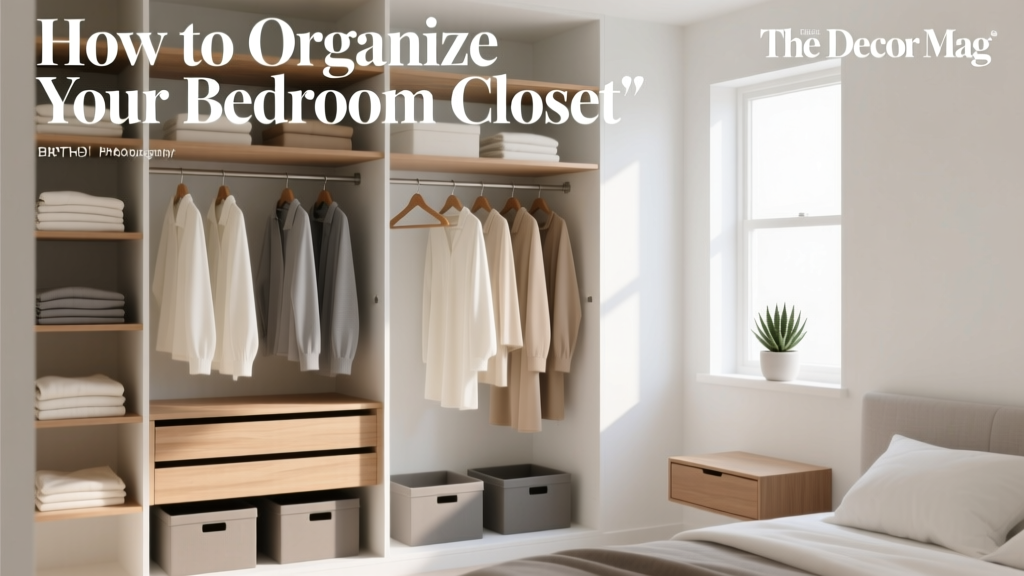 How to Organize Your Bedroom Closet - The Decor Mag
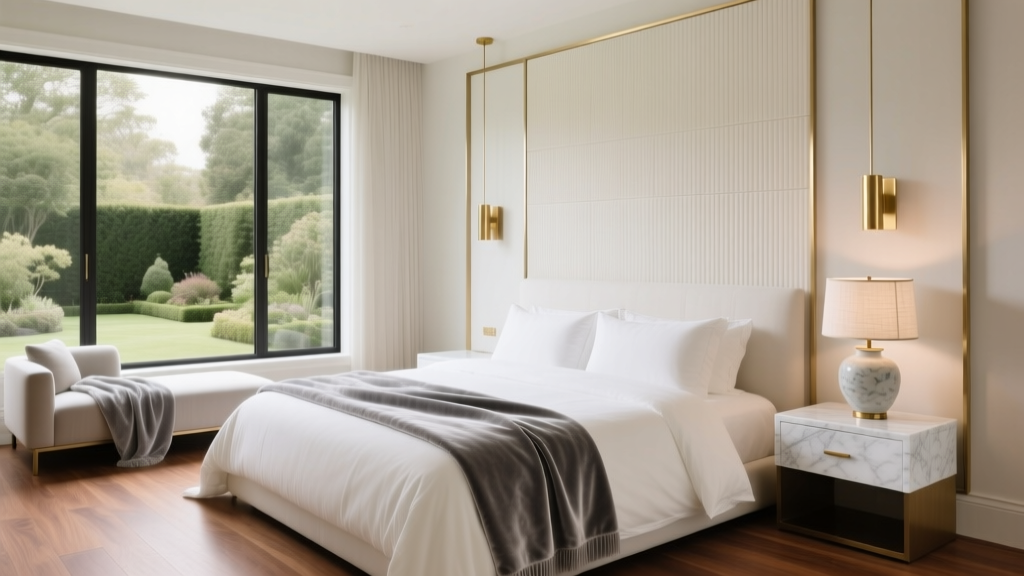 How to Create a Bedroom That Feels Luxurious - The Decor Mag
 How to Create Symmetry in Bedroom Design - The Decor Mag
 Bedroom Window Seat Design Ideas - The Decor Mag
 Best Bedroom Sunglasses Organization - The Decor Mag
 How to Create a Bedroom That Feels Warm - The Decor Mag
 Bedroom Tufted Headboard Trends - The Decor Mag
 Bedroom Wingback Headboard Design - The Decor Mag
 Best Bedroom Sleep Temperature Guide - The Decor Mag