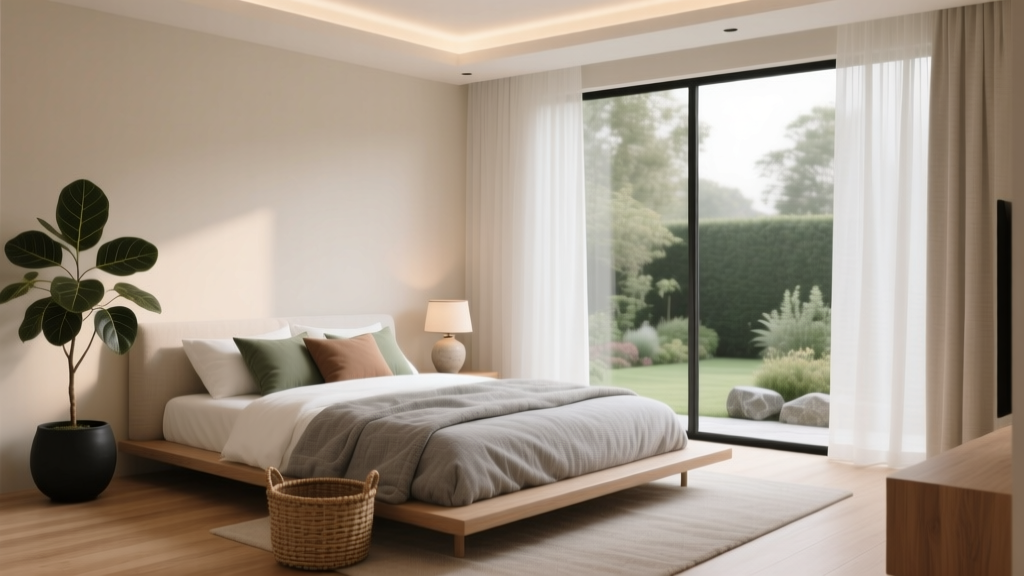
How to Create a Bedroom for Better Sleep - The Decor Mag
Your bedroom isn’t just where you keep a bed—it’s the environment that cues your brain and body to downshift, recover, and sleep deeply. When the room is visually busy, too bright, too hot, or uncomfortable, your nervous system stays on alert. When it feels calm, supportive, and intentionally arranged, falling asleep becomes easier and staying asleep becomes more likely.
Bedroom design and sleep quality are closely connected because your sleep environment influences key “sleep signals”: light, sound, temperature, comfort, and a sense of safety. The good news is you don’t need a full renovation. Small, strategic changes—like adjusting lighting, choosing breathable bedding, or moving furniture for better flow—can noticeably improve rest and relaxation.
This guide breaks down practical bedroom design tips for homeowners and renters, with specific furniture and decor recommendations, material suggestions, and realistic budget ranges—so you can create a sleep-friendly bedroom that looks good and feels even better.
Start With the Sleep Basics: What Your Bedroom Should Support
A bedroom for better sleep supports five essentials. Use these as your checklist before buying anything new:
- Darkness: Your brain needs low light to produce melatonin.
- Quiet: Fewer disturbances mean fewer micro-awakenings.
- Cool temperature: Most people sleep best in a slightly cool room.
- Comfort: Pressure relief, breathable fabrics, and supportive pillows matter.
- Calm: Visual simplicity and a soothing color palette reduce mental “noise.”
Plan the Layout for Ease, Flow, and Calm
Position the Bed as the Anchor
Your bed is the centerpiece of bedroom design. A stable, grounded placement can make the space feel more secure and restful.
- Best placement: Headboard on a solid wall, not floating in the middle of the room.
- Avoid if possible: Bed directly under a window (drafts/light/noise) or aligned with harsh overhead lighting.
- Leave walking space: Aim for 24–36 inches of clearance on each side if the room allows.
Declutter the “Sightlines” That Trigger Alertness
When your eyes catch clutter from bed, your brain reads it as unfinished business. Reduce what you see from the pillow.
- Keep surfaces (nightstands, dresser tops) 60–80% clear.
- Store laundry in a lidded hamper rather than an open pile.
- Use closed storage (dressers, cabinets) more than open shelving for a calmer look.
Work-From-Bedroom? Create Separation
If your bedroom doubles as an office (common for renters and small homes), try to protect the bed as a “sleep-only” zone.
- Face a desk away from the bed if possible.
- Use a folding screen, tall plant, or curtain track to visually divide work and rest.
- Choose a desk lamp with a warmer bulb so evenings don’t feel like daytime.
Choose Sleep-Friendly Furniture (What Matters Most)
A Supportive Bed Frame and Headboard
A solid frame reduces squeaks and motion, and a headboard adds comfort and a visual “stop” that makes the bed feel anchored.
- Best materials: Solid wood, metal with sturdy joinery, or upholstered frames with a stable base.
- Sound-reducing tip: Add felt pads where frame parts meet; tighten hardware every few months.
- Budget range: $150–$400 (basic frames), $400–$1,200 (sturdier frames/headboards).
Nightstands That Reduce Friction at Bedtime
The right nightstand supports a smoother wind-down routine and fewer disruptions.
- Size guide: Top should be roughly level with your mattress height (within 2–4 inches).
- Look for: A drawer or shelf to hide clutter (chargers, lip balm, tissues).
- Budget range: $50–$200 each (renter-friendly), $200–$600 each (solid wood, soft-close).
Dressers and Storage That Quiet the Room Visually
- Closed drawers beat open cubbies for a calmer sleep environment.
- Soft-close hardware reduces noise (helpful for partners with different schedules).
- Budget range: $200–$700 (mid-range), $700–$2,000+ (heirloom, solid wood).
Bedding That Actually Improves Sleep Comfort
When people say they “sleep hot” or wake up stiff, bedding is often part of the problem. Focus on breathability, weight, and feel—then layer so you can adjust without overheating.
Sheets: Fabric Choices That Affect Temperature
- Cotton percale: Crisp, cool, breathable; great for warm sleepers.
- Cotton sateen: Smoother and slightly warmer; better for cooler climates.
- Linen: Airy, moisture-wicking, relaxed look; softens over time.
- Bamboo/viscose blends: Often cool-feeling, but quality varies; choose reputable brands.
Budget range: $40–$90 (basic sets), $90–$200 (better cotton/linen blends), $200–$400+ (premium long-staple cotton or high-quality linen).
Comforter, Duvet, or Quilt: Layering for Better Sleep
- Hot sleepers: Try a lightweight quilt + breathable blanket, or a “summer weight” duvet insert.
- Cold sleepers: Use a medium-weight duvet plus an extra blanket at the foot of the bed.
- Fill options: Down (excellent warmth-to-weight), down alternative (easy care), wool (temperature-regulating), cotton (breathable but heavier).
Budget range: $60–$150 (basic inserts/quilts), $150–$350 (better construction), $350–$700+ (premium down or wool).
Pillows: Match to Sleep Position
- Side sleepers: Medium-to-high loft to fill shoulder/neck gap.
- Back sleepers: Medium loft with good neck support.
- Stomach sleepers: Low loft to reduce neck strain (or consider changing position gradually).
Budget range: $25–$60 (basic), $60–$150 (quality foam/latex/down), $150–$250+ (specialty ergonomic designs).
Mattress Comfort: When to Upgrade vs. Add a Topper
- Try a topper if your mattress is supportive but too firm/too warm (2–3 inches of latex or foam can transform feel).
- Replace the mattress if it sags, causes pain, or is older than ~8–10 years (varies by type).
Budget range: $100–$300 (toppers), $600–$1,500 (good mattresses), $1,500–$3,000+ (premium).
Lighting: The Fastest Way to Make a Bedroom More Sleep-Friendly
Light is one of the strongest drivers of your circadian rhythm. The goal is bright light in the morning and gentle, warm light at night.
Use a Layered Lighting Plan
- Ambient: A ceiling fixture on a dimmer or a shaded floor lamp.
- Task: Bedside reading lamps with focused shades.
- Accent: Soft wall sconces or a low-watt lamp to reduce glare.
Pick the Right Bulbs
- Evening warmth: 2200K–2700K (soft, candle-like to warm white).
- Brightness: Choose dimmable bulbs; aim for lower lumens at night.
- Avoid at bedtime: Cool white/blue-leaning bulbs (4000K+), which can feel energizing.
Blackout Options for Renters and Homeowners
- Blackout curtains: Look for sealed edges or wraparound rods to reduce light leaks.
- Cellular shades: Excellent for insulation and darkness (often “blackout” rated).
- Budget range: $25–$80 (basic blackout panels), $80–$250 (better lined curtains), $200–$600+ (custom shades).
Color and Decor: Create a Calming Bedroom Without Feeling Bare
Soothing bedroom colors and simplified decor help signal “rest” instead of stimulation. Think low contrast, soft edges, and fewer high-energy patterns.
Best Bedroom Colors for Sleep
- Muted blues and blue-greens: Calm, spa-like.
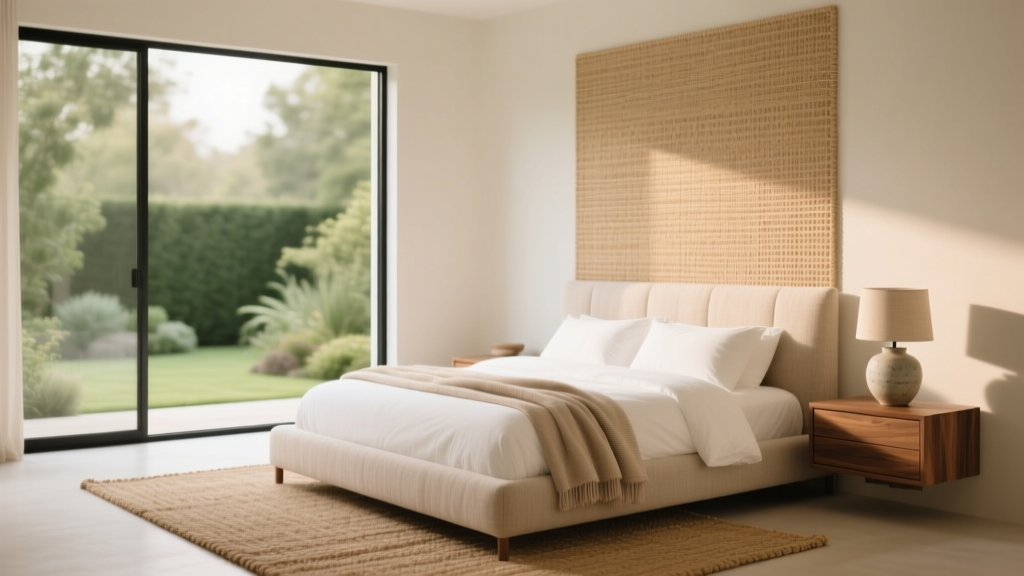
- Warm neutrals: Cream, oatmeal, greige, soft taupe.
- Dusty lavenders or muted blush: Gentle warmth without intensity.
If you love dark colors, use them strategically: a deep, matte accent wall behind the bed can feel cocooning—especially paired with warm lighting and light bedding.
Texture Over Pattern
- Swap busy prints for layered textures: linen curtains, a wool throw, a woven rug.
- Choose matte finishes over high-gloss for a softer look.
- Keep wall art minimal: one larger piece often feels calmer than many small frames.
Sound, Temperature, and Air Quality: Wellness Upgrades That Pay Off
Keep the Bedroom Cool
- Target temperature: Many people sleep best around 60–67°F (adjust for comfort).
- Tools: Ceiling fan, quiet tower fan, breathable bedding, lighter duvet insert.
- Budget range: $25–$80 (fan), $100–$300 (quiet air purifier), $20–$60 (breathable mattress protector).
Reduce Noise and Echo
- Add a rug (especially in apartments) to soften sound.
- Use lined curtains to dampen street noise.
- Try a white noise machine or a fan to mask inconsistent sounds.
Improve Air Quality
- Choose low-odor, low-VOC paints and finishes when possible.
- Wash bedding weekly; consider an allergen-resistant mattress encasement if allergies affect sleep.
- An air purifier with a true HEPA filter can help with dust and pollen in many homes.
Nightstand Setup: A Simple Bedtime Ritual Station
Design your nightstand to make the healthy choice the easy choice.
- Lighting: Warm, dimmable lamp within easy reach.
- Comfort: Hand cream, lip balm, tissues (in a drawer or small box).
- Hydration: Covered water glass or carafe.
- Mind: A book or journal instead of a second screen.
- Charging: Keep chargers tidy; consider placing your phone in a drawer or across the room.
Common Bedroom Design Mistakes That Hurt Sleep
- Overlighting the room: Bright overhead lights at night can delay sleepiness. Use dimmers and warm bulbs.
- Too many pillows and decorative items: They create clutter and nightly effort (moving items off the bed).
- Choosing style over comfort: Scratchy bedding, noisy bed frames, or thin curtains undermine a sleep-friendly bedroom.
- Ignoring window treatments: Streetlights and early sunrise can fragment sleep more than you realize.
- Keeping work or gym gear in constant view: It can keep your brain in “go mode.” Store it or screen it off.
- Overheating the bed: Heavy synthetic comforters and foam layers without breathability can cause night waking.
FAQ: Bedroom Design for Better Sleep
What is the best bedroom lighting for sleep?
Warm, dimmable lighting works best. Aim for bulbs in the 2200K–2700K range in the evening, use bedside lamps instead of bright overhead lights, and consider blackout curtains to reduce outdoor light.
How can I make my bedroom more sleep-friendly on a budget?
Start with the biggest impact per dollar: blackout curtains ($25–$80), warm LED bulbs ($10–$30), a cozy breathable sheet set ($40–$90), and decluttering surfaces. These changes often improve sleep quality quickly without replacing furniture.
Which colors are best for a calming bedroom?
Soft, muted tones tend to feel most restful: warm neutrals (cream, taupe), muted blues and blue-greens, and dusty pastels. If you prefer darker paint, choose a matte finish and balance it with warm lighting and lighter textiles.
Should I have a TV in the bedroom?
If sleep is the priority, keeping screens out of the bedroom helps many people fall asleep faster and wake less often. If you keep a TV, try to hide it in a cabinet, set a hard cutoff time, and avoid watching in bed every night.
What bedding materials help with night sweats or sleeping hot?
Look for breathable, moisture-managing materials like cotton percale or linen, and consider a lighter duvet insert (or a quilt). Avoid heavy synthetic layers that trap heat, and keep the room slightly cool.
How do I make a small bedroom feel calmer and more relaxing?
Use fewer, larger pieces (one dresser instead of multiple small shelves), keep walkways clear, choose closed storage to hide clutter, and stick to a simple color palette with layered textures. Wall-mounted sconces or floating nightstands can also free up floor space.
Actionable Next Steps: A Simple Weekend Plan
If you want a clear path to a better sleep environment, try this two-day reset:
- Friday night: Lower your evening light (swap to warm bulbs, use lamps only).
- Saturday morning: Declutter what you can see from bed; clear nightstands and dresser tops.
- Saturday afternoon: Improve darkness (hang blackout curtains or add a sleep mask if needed).
- Saturday evening: Refresh bedding—clean sheets, breathable layers, one supportive pillow adjustment.
- Sunday: Fine-tune layout (walking paths, bed placement), then add one calming touch (a textured throw, a soft rug, or a single piece of soothing art).
A bedroom designed for better sleep doesn’t need to be perfect—it needs to feel consistent, comfortable, and calm. When your decor and sleep environment work together, your body gets a clearer signal to rest, and your nights often become deeper and more restorative.
Looking for more calming bedroom design ideas, bedding guides, and decor inspiration? Explore the latest sleep-friendly spaces and styling tips on thedecormag.com.
More Articles
 Best Bedroom Perfume Collection Display - The Decor Mag
 Best Bedroom Sleep Mask and Pillow Spray - The Decor Mag
 How to Choose Bedroom Art for Relaxation - The Decor Mag
 How to Incorporate Vintage Linens in Bedroom - The Decor Mag
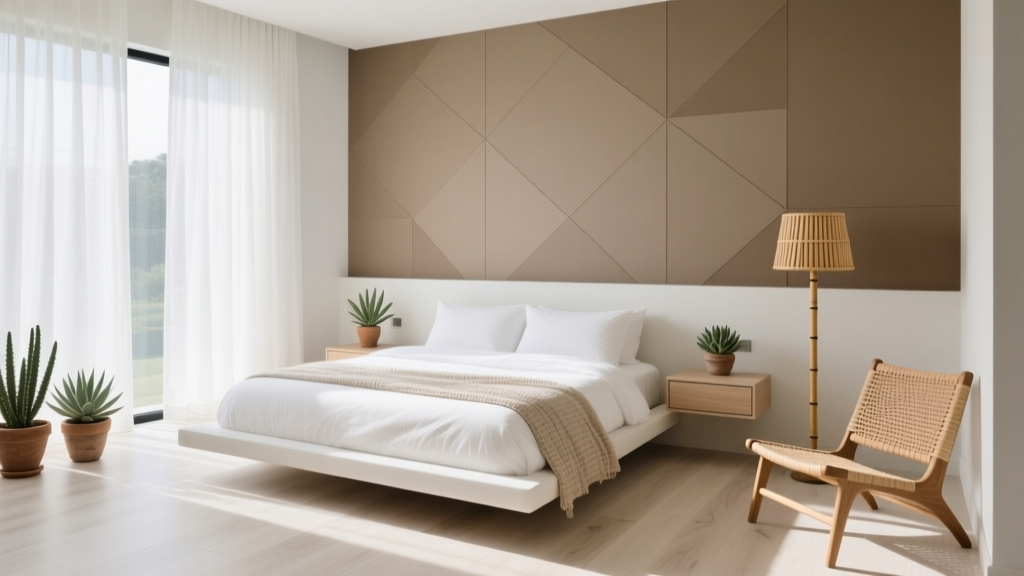 Summer Bedroom Design: Stay Cool & Stylish
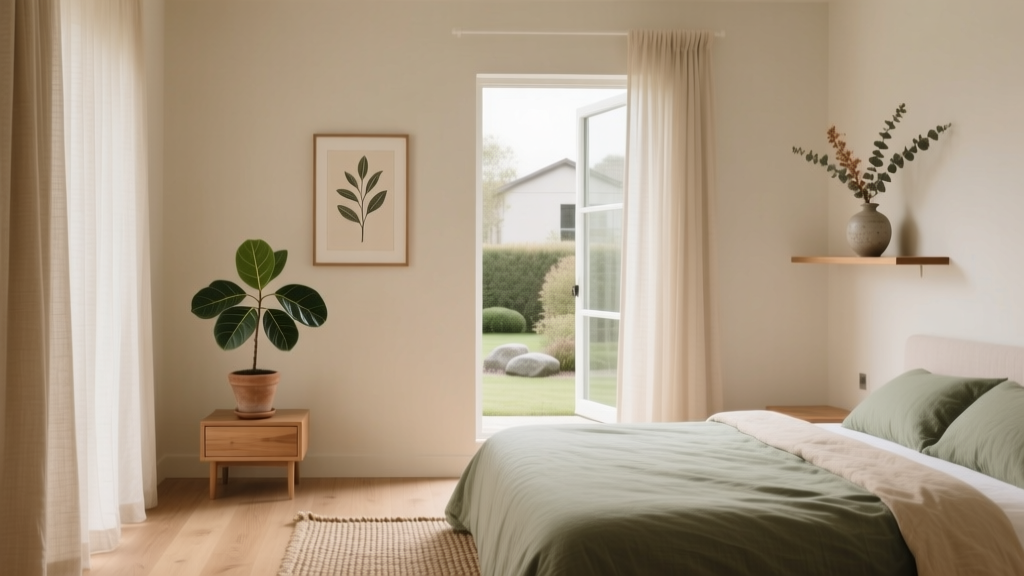 Grounded Bedroom Decor: Calm & Serene (2026)
 Bedroom Layout Common Mistakes: What 92% of Homeowners Get Wrong (And How to Fix Them)
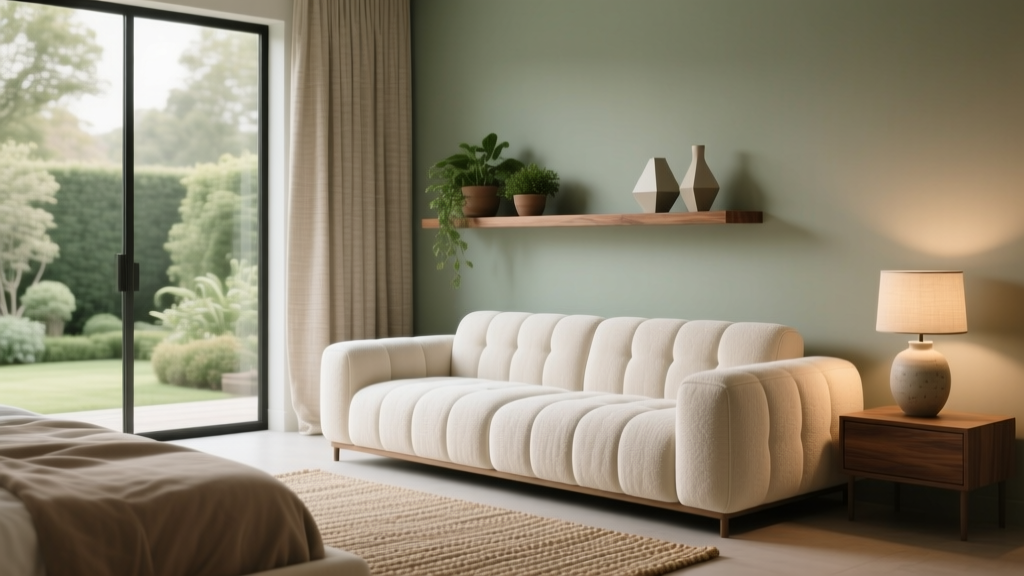 Bedroom Boucle Fabric Furniture Trend - The Decor Mag
 How to Style a Bedroom with Neutral Tones - The Decor Mag
 Best Bedroom Sleep Spray Collection - The Decor Mag