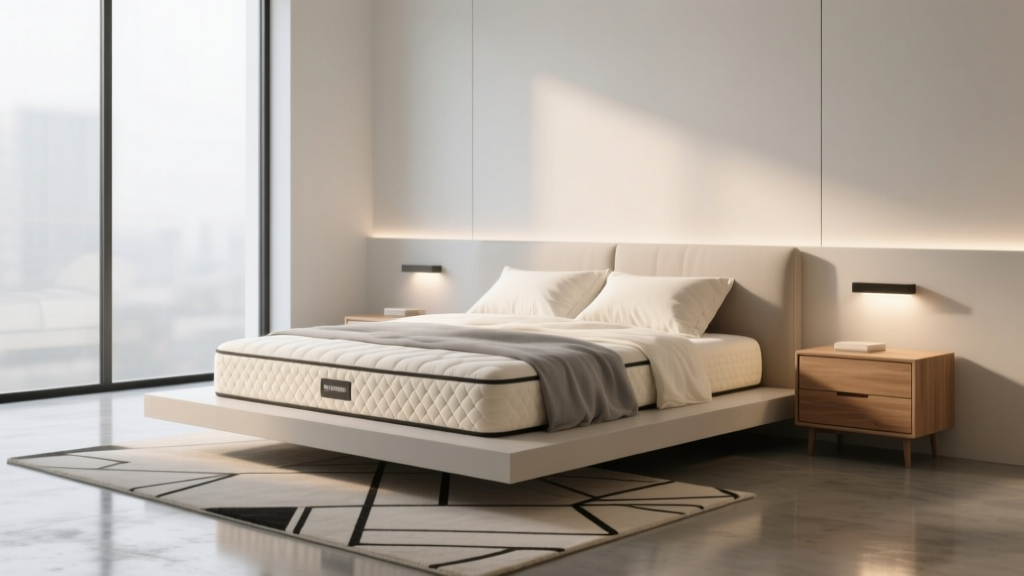
Perfect Mattress for Bedrooms: 2026 Picks
A beautiful bedroom can feel calm and inviting, but true comfort starts with what supports you for seven to nine hours each night. The right mattress doesn’t just reduce aches and tossing—it can improve your sleep quality, energy, mood, and even how your bedroom functions as a restful space. When your mattress suits your body and sleep style, your entire sleep environment works better: you fall asleep faster, wake less often, and start the day feeling more restored.
Because a mattress is both a wellness purchase and a design decision, it deserves more than a quick “firm or soft” guess. Your mattress height changes how your bed looks in the room, the materials affect temperature and allergy sensitivity, and the feel influences how much you enjoy winding down. With a practical plan (and a few design-minded choices), you can pick a mattress that supports your body and complements your bedroom decor.
Use this guide to evaluate materials, firmness, and fit—then tie it all together with bedding, lighting, and layout tips that create a sleep-friendly bedroom you’ll want to return to every night.
Start With Your Sleep Needs (Before You Shop)
The “perfect” mattress is personal. Begin with how you sleep, what you feel when you wake up, and what your bedroom is like at night (temperature, noise, light). A mattress should solve problems, not add new ones.
Identify your primary sleep position
- Side sleepers: Usually need pressure relief at shoulders and hips. Look for medium to medium-soft comfort layers (often foam or latex) with supportive core.
- Back sleepers: Tend to do best with medium to medium-firm support to keep the spine neutral.
- Stomach sleepers: Often need a firmer feel to prevent the hips from sinking and straining the lower back.
- Combination sleepers: Look for a responsive surface (latex or hybrid) that makes it easier to change positions.
Consider body weight and pressure points
- Under ~130 lbs: You may experience firm mattresses as too hard; consider soft to medium.
- ~130–230 lbs: Most “medium” mattresses fit here, but match to sleep position.
- Over ~230 lbs: Look for reinforced support, thicker comfort layers, and durable materials (high-density foam, latex, or robust coil systems).
Clarify your “why” (comfort goals)
Before browsing, pick your top two priorities:
- Pressure relief
- Back support
- Cooling / temperature regulation
- Motion isolation (for couples)
- Edge support (easier to get in/out, more usable surface)
- Low odor / low VOC materials
Mattress Types Explained: Pros, Cons, and Who They’re For
Your mattress type influences feel, longevity, and how your bed looks in the room. Below are the most common options you’ll see when shopping for bedroom upgrades.
Memory Foam
- Best for: Pressure relief, side sleepers, motion isolation, smaller bedrooms (quiet, stable surface).
- Feel: Contouring “hug.”
- Watch for: Heat retention in lower-quality foams; slower response can make repositioning harder.
- Look for: Open-cell foams, gel infusions (helpful but not magic), breathable covers, and high-density support foam for durability.
Innerspring
- Best for: People who like a traditional bounce, strong airflow, and a more “on top” feel.
- Feel: Supportive, responsive.
- Watch for: Thinner comfort layers can feel pressure-y; motion transfer can disturb light sleepers.
- Look for: Pocketed coils (reduces motion transfer), decent comfort layer thickness, and reinforced edges.
Hybrid (Coils + Foam/Latex)
- Best for: Couples, combination sleepers, people who want both support and cushioning.
- Feel: Balanced—lifted support with contouring on top.
- Watch for: Quality varies widely; check coil count/gauge and foam density.
- Design perk: Often taller profiles create a luxe, layered-bed look.
Latex (Natural or Synthetic)
- Best for: Hot sleepers, eco-minded shoppers, those who want a buoyant, responsive surface.
- Feel: Springy, supportive, gently contouring.
- Watch for: Higher upfront cost; ensure you’re comfortable with a more responsive feel (less “sink”).
- Look for: Natural latex (Dunlop for denser support; Talalay for lighter feel), organic certifications if important to you.
Airbeds (Adjustable Air Chambers)
- Best for: Partners with different firmness preferences; those who like adjustability.
- Watch for: Mechanical components and higher prices; check warranty coverage.
How Firmness, Support, and Pressure Relief Work Together
Firmness is the immediate feel; support is what keeps your spine aligned. A mattress can feel plush and still support you well if the core is strong and the comfort layers are thoughtfully designed.
A quick firmness guide
- Soft: Plush sink; can help lighter side sleepers with sharp pressure points.
- Medium: Most versatile; often ideal for couples with different needs.
- Firm: Flatter surface; can help back/stomach sleepers and those wanting extra support.
Signs you need more support
- Lower back pain or stiffness on waking
- Hips sinking noticeably lower than shoulders
- Feeling like you “roll toward the middle”
Signs you need more pressure relief
- Numb arms/shoulders, hip pain, tingling
- Frequent shifting to find a comfortable spot
Bedroom Design Factors That Should Influence Your Mattress Choice
Mattress shopping isn’t just about anatomy—your bedroom design and sleep environment matter. A mattress that runs warm, sits too high, or fights your layout can subtly disrupt rest.
Mattress height + bed frame proportions
For a visually balanced bed, consider the total height of frame + foundation + mattress. A comfortable seat height for many adults is roughly 22–25 inches from floor to top of mattress, but adjust for your height and mobility needs.
- Low platform bed: Works well with a 10–14 inch mattress for a modern, grounded look.
- Standard frame with box/foundation: Often pairs best with 10–12 inches to avoid an overly tall bed.
- Tall headboard: Can visually handle a thicker 12–16 inch mattress, especially with layered bedding.
Temperature, airflow, and sleep comfort
If your bedroom runs warm or has limited ventilation, prioritize breathable materials:
- Best cooling options: Latex, hybrids with pocket coils, breathable wool/cotton covers
- Be cautious with: Low-quality memory foam that traps heat
- Helpful add-ons: A slatted base (proper spacing), a breathable mattress protector, and natural fiber bedding
Noise and motion transfer for shared bedrooms
- Most motion-isolating: Memory foam, pocketed-coil hybrids with thicker comfort layers
- More bounce/motion: Traditional innerspring
- Tip: If one partner is a light sleeper, consider a medium hybrid plus a quality mattress pad to soften impact and reduce movement.
Materials to Look For (and What They Mean for Wellness)
A sleep-friendly bedroom considers air quality and skin sensitivity along with comfort.
- CertiPUR-US® foams: Indicates certain chemical restrictions; helpful if you’re sensitive to odors.
- OEKO-TEX® Standard 100 fabrics: Tests for harmful substances in textiles.
- Natural latex, organic cotton, wool: Breathable, supportive, and often preferred for eco-focused bedroom design.
- Fiberglass-free construction: If you’re shopping memory foam, look for brands that clearly state their fire barrier approach (wool, rayon/silica blends, etc.).
Budget Ranges and What You Can Expect
Pricing varies by materials, thickness, and brand. These ranges are typical for a queen mattress, not including a frame or foundation.
- $300–$700 (Budget): Entry-level foam or basic innerspring. Expect simpler covers and shorter lifespan. Best for guest rooms or short-term rentals.
- $700–$1,500 (Mid-range sweet spot): Better foams, more supportive hybrids, improved cooling features. Great balance for primary bedrooms.
- $1,500–$3,000+ (Premium): High-end latex, advanced hybrids, zoned support, luxury covers. Often better durability and temperature regulation.
Where to spend vs. save
- Spend on: Support core quality (coils/foam density), cooling if you sleep hot, motion isolation if you share the bed.
- Save on: Trendy “tech” claims that don’t change the basics (a great cover helps; it won’t replace good airflow).
Try-Before-You-Buy Tips (Without Overthinking)
- In-store: Lie down for at least 10 minutes in your usual sleep position. Notice shoulder/hip pressure and lower-back comfort.
- At home trials: Many online brands offer 90–365 nights. Give yourself 2–4 weeks to adjust unless pain is immediate.
- Check return policies: Confirm pickup vs. drop-off, restocking fees, and required protector use.
- Match it to your base: Some mattresses require specific slat spacing or foundations to keep warranties valid.
Pair Your Mattress With Sleep-Friendly Bedroom Design Choices
The mattress is the anchor, but the surrounding bedroom decor and layout determine how easily your body shifts into rest mode.
Bed frame and foundation recommendations
- Platform bed with wood slats: Clean, modern look; supports foam, latex, and hybrids when slats are closely spaced.
- Upholstered frame: Softens the room visually and acoustically—helpful for a cozy sleep environment.
- Adjustable base: Great for readers, reflux, snoring support, and elevated lounging without extra pillows.
Bedding that complements comfort (and bedroom decor)
- Sheets: Cotton percale for crisp/cool; sateen for silky warmth; linen for breathability and relaxed texture.
- Comforter/duvet fill: Down alternative for easy care; wool for temperature regulation; lightweight down for airy warmth.
- Pillows: Match loft to sleep position—higher for side sleepers, medium for back sleepers, low for stomach sleepers.
- Mattress topper (optional): A 2–3" latex topper adds buoyant softness; memory foam topper adds deeper contouring. Useful for fine-tuning firmness.
Lighting, colors, and layout for better sleep
- Lighting: Use warm bulbs (around 2700K) and add dimmers or bedside lamps to reduce harsh overhead light at night.
- Window treatments: Layered curtains (sheers + blackout) help regulate light and improve the sleep environment.
- Colors: Soft neutrals, muted greens, dusty blues, warm taupes—calm tones that support relaxation.
- Layout: Leave breathing room around the bed (ideally 24–30 inches of clearance on main walkways). A less cramped bedroom often feels quieter and more restorative.
Sleep Wellness Tips That Make a New Mattress Feel Even Better
- Keep the room cool: Many sleepers rest best around 60–67°F. Pair a breathable mattress with natural fiber bedding.
- Reduce sensory clutter: A calm bedroom design—tidy nightstands, hidden cords, minimal visual noise—can lower pre-sleep stress.
- Protect the mattress: Use a breathable, waterproof protector to guard against spills and allergens without overheating.
- Rotate when appropriate: Many one-sided mattresses benefit from rotation every 3–6 months for even wear.
Common Mattress Shopping Mistakes to Avoid
- Choosing firmness based only on labels: “Medium” varies by brand. Focus on alignment and pressure relief.
- Ignoring your bed base: An unsupportive foundation can ruin a great mattress and create dips.
- Buying too hot for your room: If your bedroom runs warm, avoid dense, heat-trapping foams without cooling design.
- Prioritizing price over support: A bargain mattress that worsens sleep can cost more in discomfort and replacement.
- Skipping measurements: Ensure the mattress height suits your frame, headboard, and bedside table height for a cohesive bedroom look.
- Over-accessorizing the bed: Too many decorative pillows can become nightly clutter. Keep it simple and functional.
FAQ: Choosing the Perfect Mattress
How long should a mattress last?
Many mattresses last 7–10 years, depending on materials and use. Latex and high-quality hybrids often last longer; budget foams may show wear sooner. Replace sooner if you see sagging, feel persistent aches, or sleep quality drops.
Is a firmer mattress always better for back pain?
Not always. Back pain often improves with a mattress that keeps the spine neutral while cushioning pressure points. Many back sleepers do best with medium to medium-firm rather than extra firm.
What’s the best mattress for couples?
A hybrid with pocketed coils and a supportive comfort layer is a reliable choice. Look for strong motion isolation, sturdy edge support, and a medium feel if you have different preferences.
Do I need a box spring?
Many modern mattresses do not require a traditional box spring. A platform bed, slatted base, or foundation is often recommended instead. Always check the brand’s support requirements for warranty coverage.
How can I make my mattress cooler?
Choose breathable sheets (cotton percale or linen), use a lightweight duvet, add a fan or improve airflow, and consider a breathable mattress protector. If you’re shopping new, latex and hybrid styles usually sleep cooler than dense foam.
What size mattress is best for my bedroom layout?
Measure your room and aim for comfortable walkways. A queen suits many bedrooms; a king is luxurious but can crowd smaller spaces; a full can work well in apartments or guest rooms. Keep nightstands proportional and leave clearance to open drawers and doors.
Actionable Next Steps for a Better Mattress—and a Better Bedroom
- Write down your sleep profile: position, temperature, pain points, and partner needs.
- Choose a mattress category: foam for contouring, hybrid for balance, latex for cooling and responsiveness.
- Measure your bed setup: frame type, desired height, room clearances.
- Set a realistic budget: prioritize support and temperature regulation first.
- Finish the sleep environment: breathable bedding, warm layered lighting, calming colors, and a clutter-light layout.
Your mattress is the centerpiece of your bedroom design and your nightly recovery. When it supports your body and fits your space, the whole room feels more peaceful—and sleep comes more naturally.
For more calming bedroom decor ideas, space-planning tips, and sleep-friendly upgrades, explore the latest inspiration on thedecormag.com.
More Articles
 Luxury Bedroom Design Trends - The Decor Mag
 Cool Summer Bedroom: Sleep Better in Heat (2026)
 Best Bedroom Bedside Essential Oil Roller - The Decor Mag
 Best Bedroom Bedside Carafe and Glass - The Decor Mag
 Industrial Bedroom Design Inspiration - The Decor Mag
 Minimalist Bedroom Styling: Simple Ideas (2026)
 Bedroom Paint for Sleep Quality | The Decor Mag
 Best Bedroom Lavender Pillow Spray - The Decor Mag
 Bedroom Fluted Wood Bed Frame Trend - The Decor Mag
 How to Layer Bedding Like a Designer - The Decor Mag