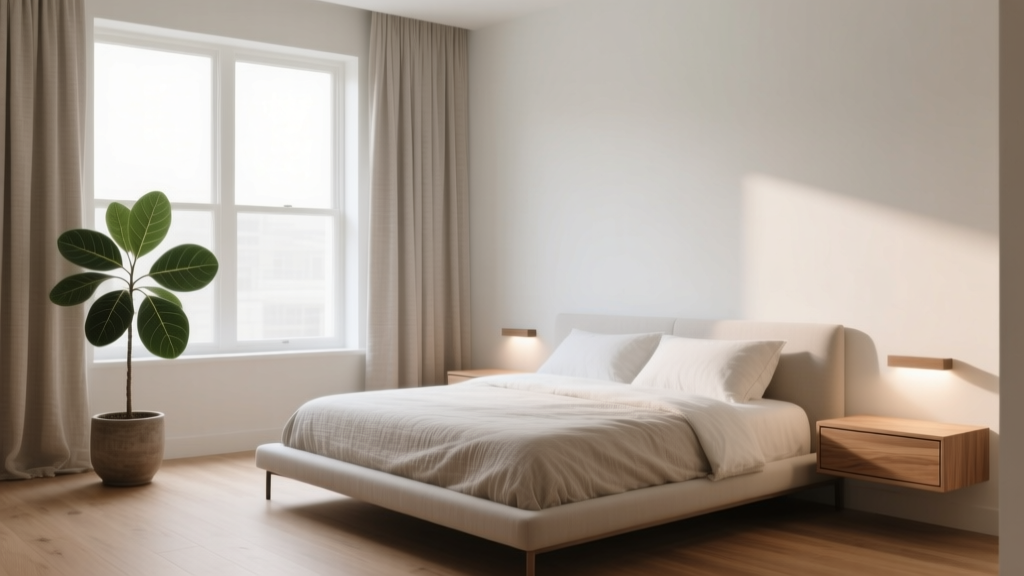
Wellness Bedroom Decor: Design Tips for 2026
Your bedroom is one of the few spaces you return to every single day—yet it’s often designed last, filled with leftovers, or treated as purely functional. The result can be a room that looks fine but doesn’t feel restful. When the sleep environment is cluttered, too bright, too noisy, or uncomfortable, your body stays in “alert mode,” making it harder to fall asleep and stay asleep.
Wellness-focused bedroom design is about more than style. It’s the intentional pairing of layout, lighting, materials, color, and daily routines to support calm nervous system cues. A bedroom that promotes wellness helps regulate your circadian rhythm, reduces stress, and creates a consistent “sleep signal” your brain learns to trust.
Whether you’re a homeowner planning a full refresh or a renter working with limits, you can build a healthier bedroom with a few strategic upgrades. Start with the basics—comfort, light control, and air quality—then layer in decor choices that reinforce peace and simplicity.
Start with a Wellness Blueprint: What Your Bedroom Needs to Do
A sleep-friendly bedroom supports three core goals: comfort, darkness, and quiet. From there, everything else becomes a layer—beautiful, personal, and calming, but still functional for rest.
The “sleep sanctuary” checklist
- Comfortable support: mattress + pillows that match your sleeping position
- Temperature control: breathable bedding and good airflow
- Light management: layered lighting + blackout options
- Noise reduction: soft surfaces, seals, and sound-masking if needed
- Low visual stress: fewer items in view, tidy surfaces, cohesive palette
- Healthy materials: low-VOC finishes, washable textiles, natural fibers
Budget ranges for a wellness reset
- Under $150: dimmable bulbs, cotton sheets, a bedside lamp, simple declutter tools
- $150–$600: blackout curtains, quality pillows, area rug, air purifier, upgraded duvet
- $600–$2,500+: mattress upgrade, new bed frame, layered storage, premium lighting, full paint refresh
Layout That Calms: Furniture Placement for Better Sleep
Bedroom layout affects how safe and settled you feel. When furniture blocks pathways or the bed feels exposed, your nervous system may stay slightly on guard. A calmer layout is open, intuitive, and easy to maintain.
Place the bed for comfort and stability
- Anchor the bed on a solid wall (avoid floating it in the middle unless the room demands it).
- Keep clear walking paths on both sides if possible—aim for 24–30 inches of clearance.
- Avoid aligning the bed directly with the door when possible. If it’s unavoidable, add a foot bench or a taller duvet to create visual grounding.
Choose wellness-friendly furniture essentials
- Bed frame: sturdy platform or slatted base to support the mattress and reduce squeaks. Look for solid wood or metal with reinforced joints.
- Nightstands: one on each side if space allows; keeping essentials close reduces bedtime “search stress.”
- Dresser/storage: closed storage helps reduce visual clutter and dust.
Practical product types and price cues
- Platform bed frame (wood or steel): $200–$900
- Wall-mounted nightstands (great for small rooms): $60–$250 each
- Storage bench or ottoman for linens: $120–$500
Bedding That Supports Sleep: Fabrics, Layers, and Comfort
Wellness bedroom design becomes real the moment you get into bed. The best decor in the world can’t compensate for sheets that trap heat or pillows that strain your neck. Prioritize breathable materials and build a simple layering system you can adjust with the seasons.
Choose breathable, skin-friendly materials
- Sheets: percale cotton (crisp and cool), sateen cotton (smooth, slightly warmer), linen (excellent airflow), or bamboo lyocell (soft, temperature-friendly).
- Duvet insert: wool (great temperature regulation), down/down-alternative (plush warmth), or silk (lightweight, smooth).
- Mattress protector: choose a breathable, waterproof option to protect hygiene without trapping heat.
Recommended bedding setup (simple and effective)
- Breathable fitted sheet (cotton percale or linen for hot sleepers)
- Light blanket for mild nights
- Duvet + washable cover (two covers makes laundry easier)
- One supportive pillow + one comfort pillow (avoid stacking too many)
Budget ranges for bedding upgrades
- Quality sheet set: $50–$200+
- Duvet insert: $80–$350+
- Pillows (each): $30–$150+
- Mattress topper (latex or memory foam): $120–$400
Wellness tip: match pillows to sleep position
- Side sleepers: medium-to-firm, higher loft to fill shoulder gap
- Back sleepers: medium loft for neck neutrality
- Stomach sleepers: low loft (or no pillow) to reduce neck strain
Lighting for Circadian Rhythm: The Most Overlooked Bedroom Upgrade
Light is one of the strongest signals affecting sleep quality. Bright, cool light at night can delay melatonin release and make it harder to wind down. A wellness bedroom uses layered lighting and warmer tones after sunset.
Build a three-layer lighting plan
- Ambient lighting: soft overhead fixture on a dimmer, or a shaded ceiling light
- Task lighting: bedside lamps or adjustable sconces for reading
- Accent lighting: warm LED strips behind a headboard, picture light, or a small table lamp to soften the room
What to buy for sleep-friendly lighting
- Dimmable warm bulbs: aim for 2200K–2700K in the evening
- Blackout curtains or shades: especially if streetlights or early sun disrupt your sleep
- Motion-activated night light: low-level amber lighting for nighttime bathroom trips
Budget ranges
- Warm dimmable bulbs: $10–$40 per pack
- Bedside lamps: $30–$200 each
- Blackout curtains: $30–$150 per set (plus rods)
Wellness tip: create a “low-light hour”
Set your bedroom lamps to their dimmest warm setting 45–60 minutes before bed. If you use screens, consider blue-light filtering and keep devices out of bed when possible.
Color, Texture, and Decor Choices That Feel Restorative
Bedroom decor affects mood. The goal isn’t to make the room bland—it’s to reduce visual noise and choose colors and textures that cue relaxation. Think soft contrast, nature-inspired tones, and tactile comfort.
Best bedroom colors for a calming sleep environment
- Warm neutrals: creamy white, oatmeal, sand, greige
- Muted greens: sage, olive-gray, eucalyptus
- Dusty blues: soft slate, misty blue, blue-gray
- Gentle earth tones: clay, warm taupe, muted terracotta
Finish and paint recommendations
- Low-VOC or zero-VOC paint for better indoor air quality
- Eggshell or matte finishes to reduce glare and create softness
Add texture without clutter
- Area rug: helps with warmth, acoustics, and comfort underfoot
- Window treatments: fabric curtains add softness and absorb sound
- Layered textiles: a throw, a lumbar pillow, or a quilt—keep it minimal and intentional
Air Quality, Temperature, and Sound: Hidden Drivers of Sleep Quality
A wellness bedroom isn’t only what you see; it’s what you breathe and hear. Clean air, comfortable temperature, and reduced noise support deeper sleep and fewer wake-ups.
Air quality upgrades that make a real difference
- Ventilate daily: open a window for 5–15 minutes if outdoor air is decent
- Use an air purifier: especially helpful for allergies, pets, or urban areas (look for HEPA filtration)
- Vacuum and wash regularly: rugs, curtains, and bedding can hold dust
- Choose low-odor materials: avoid heavily fragranced sprays and plug-ins in the sleep space
Temperature targets and bedding strategy
- Cooler tends to be better for sleep: many people rest well in the mid-60s°F, but comfort matters most.
- Use breathable layers: cotton, linen, and wool help regulate temperature.
- Ceiling fan or quiet fan: improves airflow and provides gentle sound masking.
Noise control for a calmer bedroom
- Soft surfaces reduce echo: rug, curtains, upholstered headboard
- Door draft stopper: reduces hallway noise and light leaks
- White noise or sound machine: helpful for apartment living or street noise
Clutter and Storage: Design a Room That Stays Easy to Maintain
Clutter isn’t a moral failing—it’s often a design problem. When storage is inconvenient, items end up on the floor, chair, or nightstand, and your bedroom starts to feel like a work zone instead of a place to recover.
Wellness-focused storage solutions
- Closed storage over open shelves to reduce visual stimulation and dust buildup.
- Under-bed bins for off-season clothes or extra linens (use lidded containers).
- A catch-all tray on the nightstand for glasses, lip balm, and jewelry.
- Laundry system that’s one step: a hamper where clothes actually land.
Nightstand setup for better sleep
- Keep only what supports rest: lamp, book, water, hand cream
- Charge devices outside the bedroom if possible; if not, use a drawer or a charging station away from the bed
- Skip piles: papers and to-do lists raise mental noise—move them elsewhere
Common Mistakes That Undercut Bedroom Wellness
- Using bright, cool LEDs at night: harsh lighting makes it harder to relax and can disrupt circadian rhythm.
- Overcrowding the room: too much furniture reduces airflow and increases stress visually.
- Ignoring window treatments: streetlights and early sun can fragment sleep.
- Choosing bedding for looks only: synthetic fabrics may trap heat and feel less breathable.
- Letting the bed face a TV as the focal point: encourages late-night viewing and less restful association with the bed.
- Relying on heavy fragrance to “freshen” the room: it can irritate airways and mask the real issue (dust, ventilation, or laundry).
FAQ: Bedroom Design and Sleep Environment
What is the best bedroom lighting for sleep?
Warm, dimmable lighting is the most sleep-friendly. Use bulbs around 2200K–2700K in the evening, avoid bright overhead lighting before bed, and add blackout curtains to control outdoor light.
What colors help you sleep better?
Soft, muted colors tend to feel more restful—warm neutrals, sage greens, dusty blues, and gentle earth tones. Choose low-glare finishes like matte or eggshell to keep the room visually calm.
How can renters create a wellness bedroom without renovations?
Focus on reversible upgrades: blackout curtains, plug-in sconces, warm dimmable bulbs, a supportive mattress topper, an area rug, and closed storage baskets. Rearranging furniture and decluttering surfaces can also transform the feel of the room at no cost.
Is an air purifier worth it for the bedroom?
If you have allergies, pets, or live near traffic, a HEPA air purifier can improve your sleep environment by reducing airborne particles. Pair it with regular bedding washes and vacuuming for best results.
What’s the simplest change that improves sleep quality fast?
Control light. Add blackout curtains or a quality sleep mask, switch to warm dimmable bedside lighting, and create a consistent low-light wind-down routine.
How do I make a small bedroom feel calmer?
Use fewer, more functional pieces (a bed, slim nightstand, and closed storage), keep walking paths clear, hang curtains higher to visually lift the ceiling, and limit decor to a few soothing, meaningful items.
Next Steps: A Simple Plan to Create Your Wellness Bedroom
If you want a bedroom that promotes wellness, start with the essentials and build outward. A few intentional choices—especially around light, bedding, and layout—can noticeably improve your sleep environment within a weekend.
- Tonight: dim your lights, clear your nightstand, and remove anything that feels mentally “loud.”
- This week: upgrade to warm dimmable bulbs, add a small tray for bedside essentials, and wash bedding in fragrance-free detergent.
- This month: invest in blackout curtains, a breathable sheet set, and a storage solution that reduces clutter.
- When ready: consider a mattress or pillow upgrade, low-VOC paint, and layered lighting for a true sleep sanctuary.
For more calming bedroom decor, sleep-friendly design ideas, and practical room refresh guides, explore the latest inspiration on thedecormag.com.
More Articles
 Best Bedroom Memory Display Shelf - The Decor Mag
 Best Bedroom Sleep Tea Collection - The Decor Mag
 How to Create a Bedroom for Better Sleep - The Decor Mag
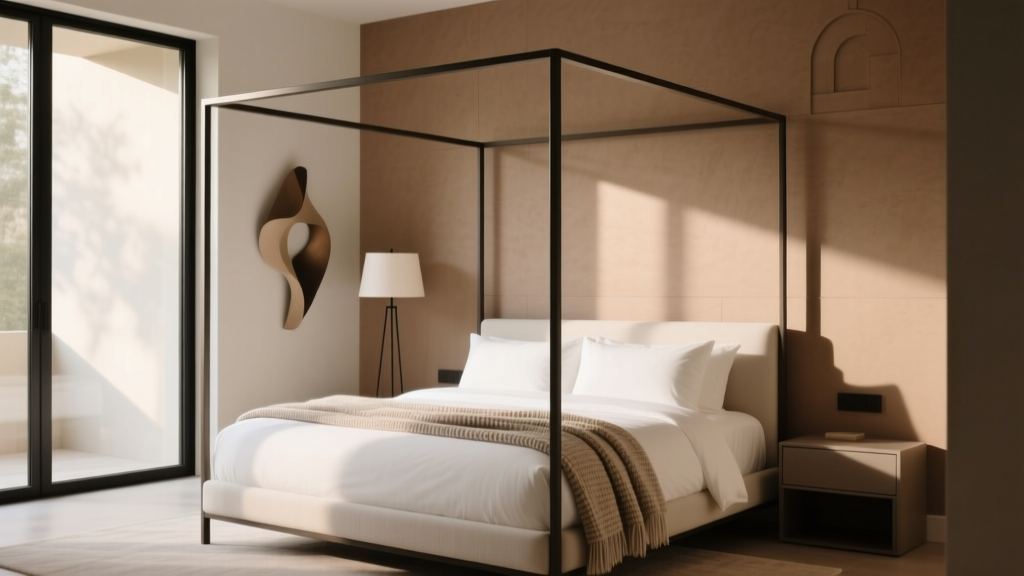 Bedroom Four Poster Bed Styling - The Decor Mag
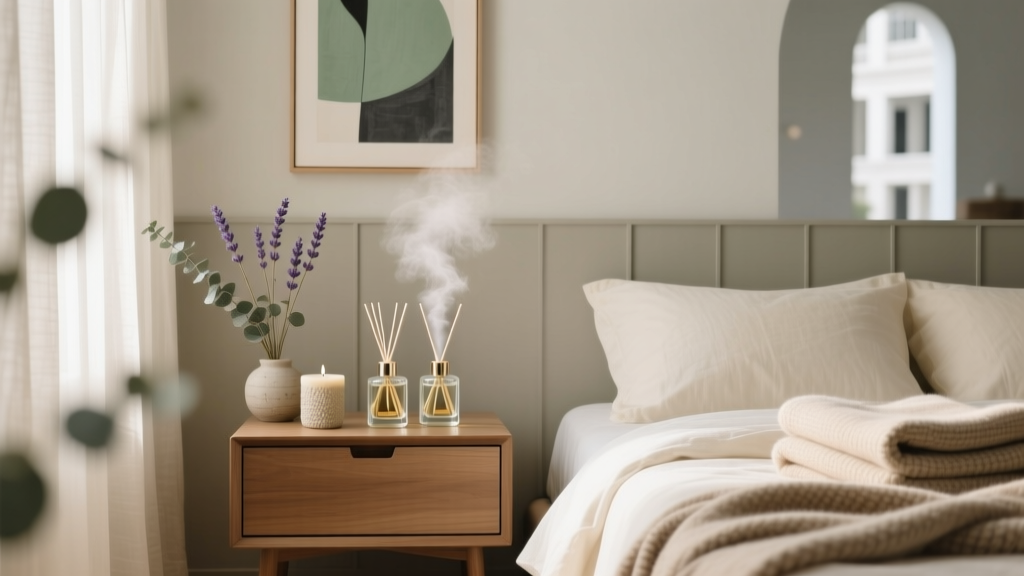 Best Bedroom Essential Oil Blend for Sleep - The Decor Mag
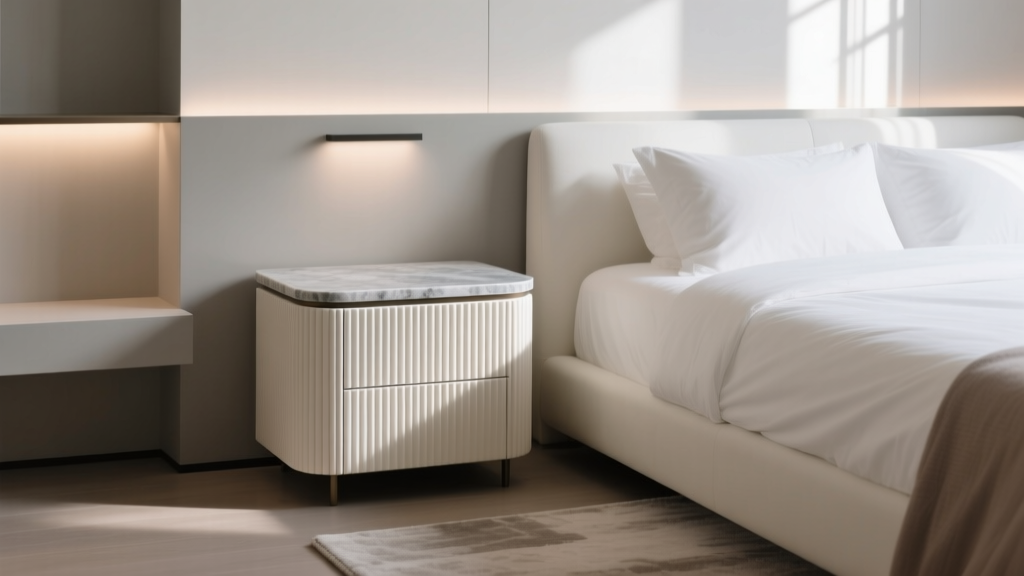 Bedroom Fluted Nightstand with Stone Top - The Decor Mag
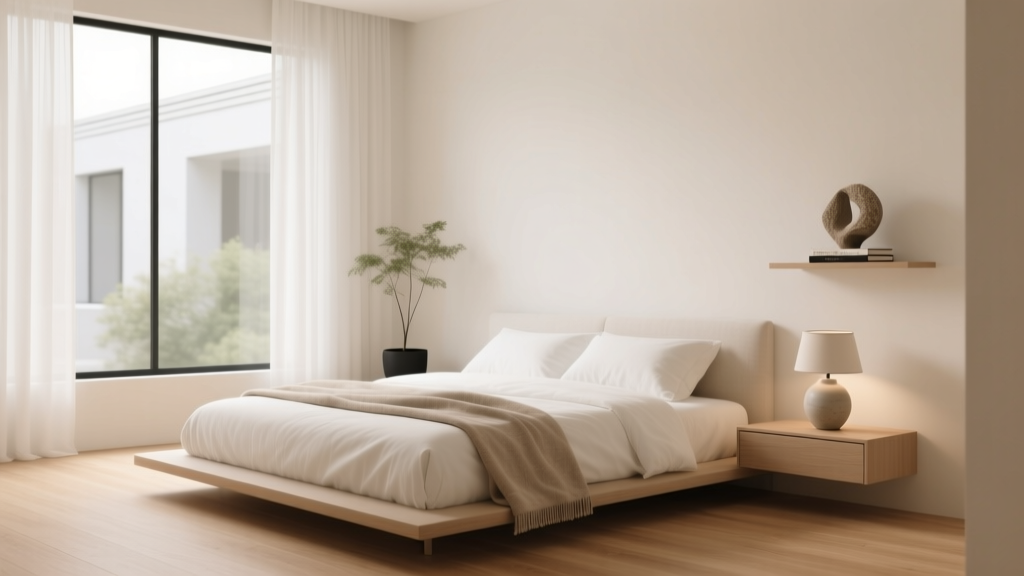 Minimalist Bedroom Design Guide - The Decor Mag
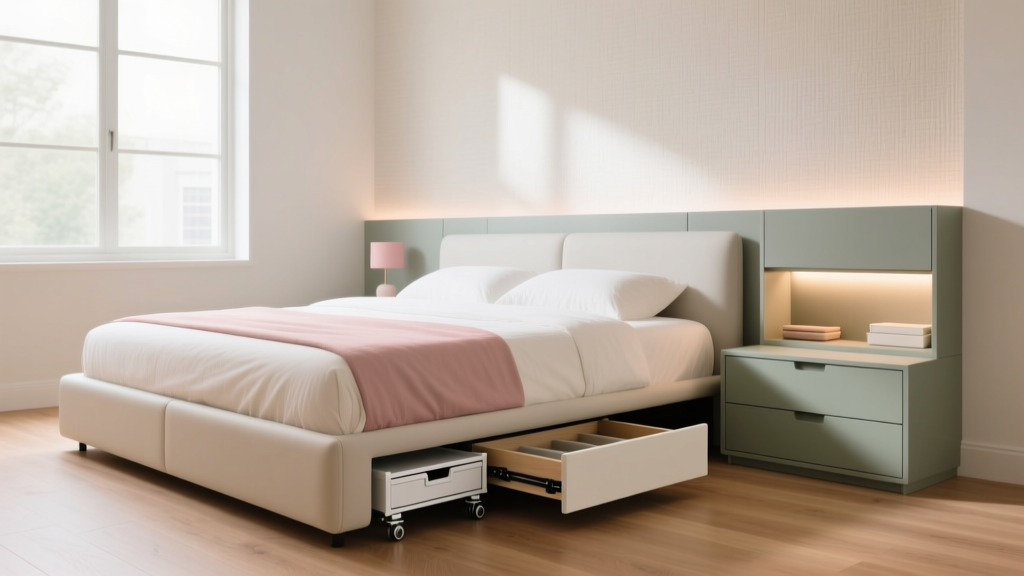 Best Bedroom Storage Solutions Under Bed - The Decor Mag
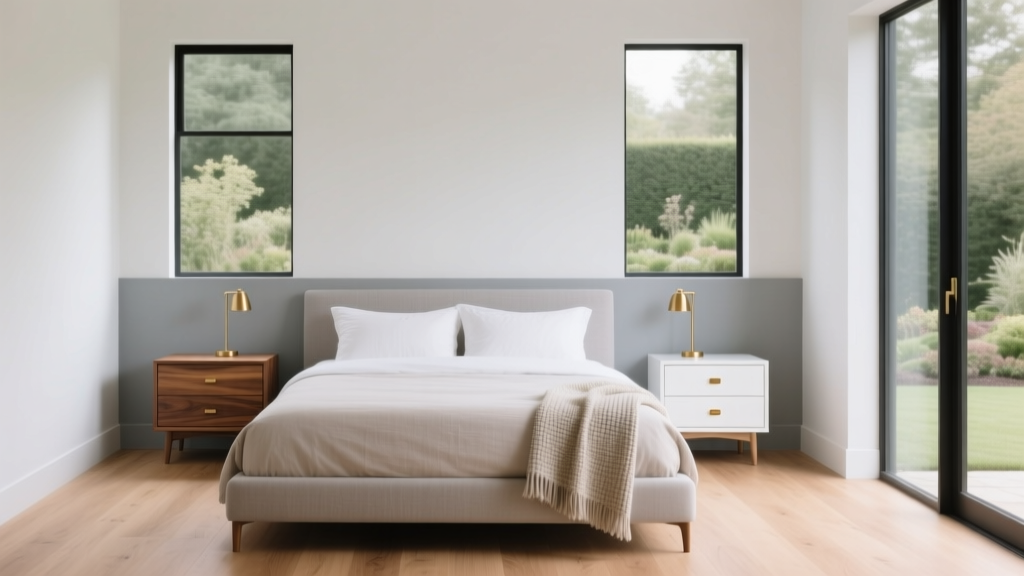 How to Mix Bedroom Furniture Finishes - The Decor Mag
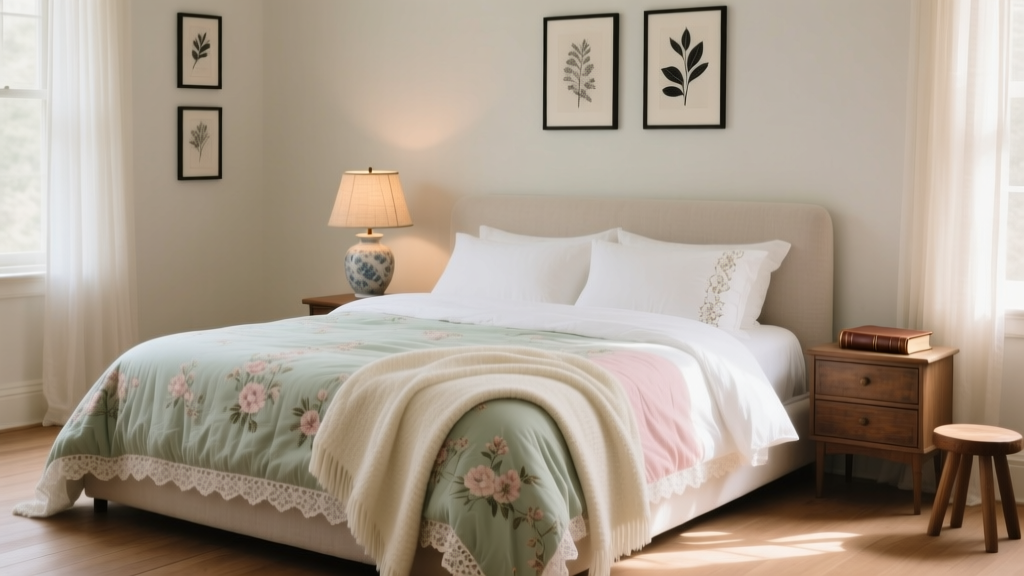 How to Incorporate Vintage Linens in Bedroom - The Decor Mag