Coastal Bedroom Decor Inspiration - The Decor Mag
A bedroom should feel like a deep exhale. Coastal bedroom decor works so well for rest because it leans into what the brain naturally reads as “safe and soothing”: soft light, gentle color contrast, natural textures, and a calmer visual rhythm. When your sleep environment feels uncluttered and breathable, it becomes easier to wind down, fall asleep faster, and stay asleep with fewer wake-ups.
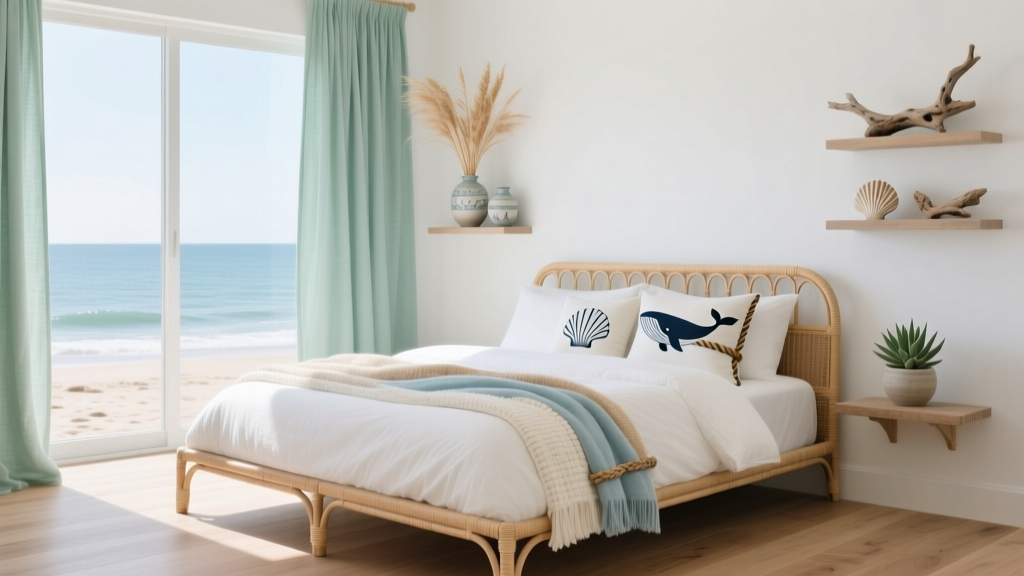
Coastal style isn’t about filling your room with seashells or turning it into a themed beach rental. The most sleep-friendly coastal bedrooms borrow from the shoreline in a more subtle, design-forward way—think sun-faded whites, ocean blues, sand-beige neutrals, linen bedding, airy window treatments, and warm wood tones that ground the space. Done well, the result is a relaxing bedroom space that supports better sleep quality and daily wellbeing.
Whether you’re a homeowner ready for a full refresh or a renter looking for reversible updates, this guide offers practical coastal bedroom ideas—colors, furniture, lighting, layout, and wellness upgrades—plus common mistakes to avoid.
What Coastal Bedroom Decor Really Means (and Why It Helps Sleep)
Coastal bedroom decor is built around lightness, natural materials, and a calm palette. It’s visually “quiet,” which matters for sleep: busy patterns, harsh lighting, and clutter can keep your nervous system on alert. Coastal design encourages the opposite—lower visual noise, softer transitions, and comfort-first textures.
Core elements of a sleep-friendly coastal bedroom
- Airy neutrals (warm white, ivory, sand, oatmeal) to reduce visual intensity.
- Ocean-inspired accents (muted blues, sea-glass green) used sparingly.
- Natural texture (linen, cotton, jute, rattan, light wood) to add depth without busyness.
- Soft, layered lighting that avoids overhead glare in the evening.
- Balanced layout that supports easy movement and a calmer bedtime routine.
Start with Color: Coastal Bedroom Palettes That Calm the Mind
Color affects how a room feels within seconds. For a relaxing bedroom, aim for low-contrast, muted tones rather than high-saturation brights. Coastal palettes are especially effective because they mirror nature’s gradients—sky to sea to sand—so the eye doesn’t have to work as hard.
3 Coastal color palettes that work in real bedrooms
1) Soft White + Sand + Driftwood
- Walls: warm white or creamy off-white (avoid stark, blue-white if your room feels cold).
- Textiles: oatmeal linen, beige cotton, ivory knits.
- Wood: light oak, ash, or “weathered” finishes.
Best for: smaller bedrooms, low natural light, minimalist tastes.
2) Misty Blue + Warm White + Natural Woven Texture
- Walls: pale blue-gray or misty blue (matte finish reduces glare).
- Accents: rattan, seagrass baskets, woven shades.
- Metals: brushed nickel or soft brass for warmth.
Best for: bedrooms that need a cooling, serene feel without going “nautical.”
3) Sea-Glass Green + Sand + Linen White
- Walls: muted green with gray undertones.
- Bedding: crisp white cotton percale with a soft green throw.
- Decor: ceramic vases, matte stone accessories.
Best for: stress relief and a spa-like sleep environment.
Budget guidance for painting
- Budget: $40–$80 per gallon (standard interior paint).
- Mid-range: $80–$120 per gallon (washable, better coverage).
- Tip: Choose low-VOC or zero-VOC paint to keep the bedroom air cleaner, especially in small rooms.
Coastal Furniture: Light, Grounded, and Comfortable
Furniture sets the tone more than any accessory. Coastal bedroom furniture tends to be visually lighter—slimmer profiles, lighter wood, woven details—but still grounded. For sleep quality, prioritize comfort and function: a supportive mattress, a stable bed frame, and storage that keeps clutter out of sight.
The bed: your anchor piece
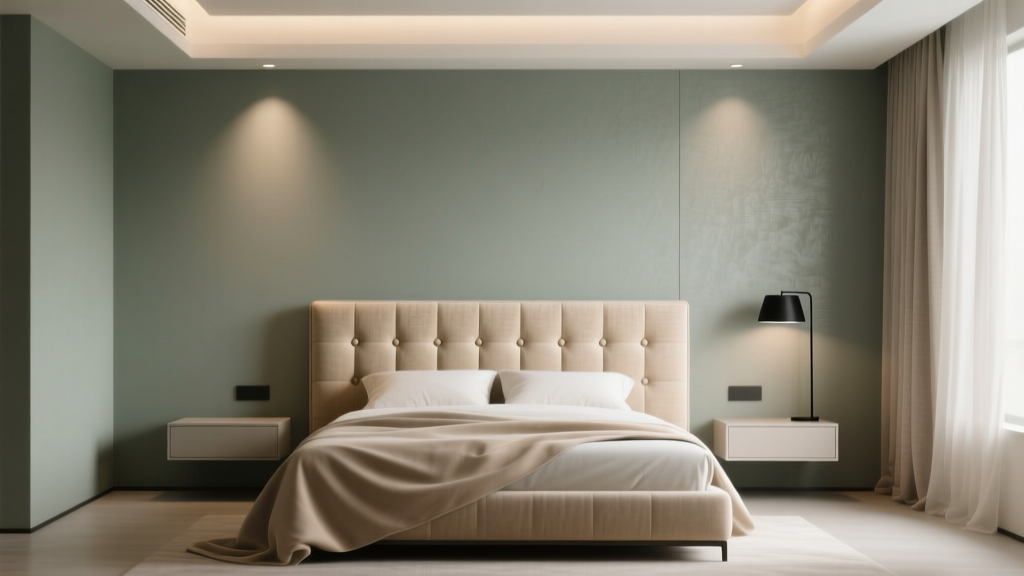
- Upholstered headboard in linen or performance fabric for softness and sound absorption.
- Light wood frame (oak, birch, ash) for an airy look.
- Cane or rattan headboard for coastal texture—pair with quiet bedding to keep it restful.
Budget ranges:
- Bed frame: $200–$600 (budget), $600–$1,500 (mid-range), $1,500+ (investment solid wood).
- Headboard (alone): $150–$500 (budget), $500–$1,200 (mid-range).
Nightstands: calm surfaces, not catch-alls
A coastal bedroom benefits from nightstands with closed storage so your sleep environment stays visually tidy.
- Best materials: light wood, painted wood, cane-front drawers.
- Ideal size: top surface close to mattress height for easy reach.
- Storage tip: one drawer for “sleep tools” (hand cream, eye mask, earplugs) reduces clutter.
Dressers and storage: keep the room breathable
- Choose: a low, wide dresser to maintain an open sightline.
- Look for: soft-close drawers (less noise), smooth hardware, and finishes that wipe clean.
- Renter-friendly add-on: seagrass baskets on shelves for hidden storage.
Bedding That Feels Like a Cool Coastal Breeze
When people say they want a “cozy coastal bedroom,” they often mean comfortable rather than heavy. The most sleep-friendly coastal bedding layers breathable fabrics so you can regulate temperature through the night—one of the biggest factors in sleep quality.
Best bedding materials for a coastal sleep environment
- Cotton percale: crisp, cool, ideal for warm sleepers; great “hotel” coastal vibe.
- Linen: breathable and relaxed; softens over time; excellent for humidity-prone climates.
- Cotton voile or gauze blankets: light layers that add texture without heat.
- Wool or down-alternative duvet: choose based on temperature needs; wool regulates well.
A simple coastal bedding formula (easy to copy)
- Base: white or ivory percale sheets.
- Layer: sand-toned linen duvet cover or quilt.
- Texture: a chunky knit throw in oatmeal or pale gray.
- Accent: 1–2 pillows in muted blue or sea-glass green (avoid too many).
Budget ranges for bedding
- Sheet set: $50–$120 (budget cotton), $120–$250 (quality percale), $250+ (premium).
- Linen duvet cover: $120–$250 (budget), $250–$400 (mid-range), $400+ (luxury).
- Throw blanket: $30–$80 (cotton), $80–$200 (wool blend).
Sleep-friendly tip: choose matte, quiet textures
Shiny fabrics and noisy materials (like certain synthetics) can feel overstimulating at night. Matte, natural fibers look calmer and often feel better against the skin.
Lighting: The Secret to a Serene Coastal Bedroom at Night
Coastal bedrooms are known for their bright, sunlit look—but the key for sleep wellness is what happens after sunset. Harsh overhead lighting can disrupt your wind-down routine and suppress melatonin. Aim for warm, layered light that gently signals “evening.”
Coastal lighting checklist
- Bedside lamps: soft-glow, warm temperature (around 2700K).
- Overhead fixture: dimmable if possible; choose a woven shade or frosted glass to diffuse glare.
- Wall sconces: great for small bedrooms; frees nightstand space.
- Soft ambient light: a small table lamp on a dresser or a plug-in wall light.
Budget ranges
- Bedside lamp: $30–$80 (budget), $80–$200 (mid-range), $200+ (designer).
- Plug-in sconces: $40–$150 per side (excellent for renters).
- Dimmers: $15–$60 for smart bulbs or plug-in dimmers (renter-friendly options exist).
Wellness tip: reduce blue light at night
- Use warm LED bulbs (2700K or warmer).
- Consider smart bulbs that shift warmer in the evening.
- Keep bright overhead lighting for daytime only.
Window Treatments for Privacy, Light Control, and That Airy Coastal Look
Light control is a cornerstone of a good sleep environment. Coastal style often features breezy curtains, but bedrooms still need darkness for quality rest—especially if you live near streetlights or wake early.
Best coastal window treatment combinations
- Sheer linen-look curtains + blackout roller shade: airy by day, dark at night.
- Woven wood shade + blackout lining: coastal texture with sleep-friendly darkness.
- Room-darkening curtain panels: choose a linen-textured blackout for a softer look.
Budget ranges:
- Blackout shades: $40–$120 (basic), $120–$300 (custom sizes).
- Curtain panels: $30–$80 per panel (budget), $80–$200 (linen or linen-blend).
Coastal Decor Accents: Keep It Minimal, Natural, and Restful
The fastest way to shift a bedroom into coastal territory is through texture and a few intentional accents. The sleep-friendly approach is to keep surfaces clear and decor meaningful—less visual clutter, more calm.
Easy coastal decor ideas that won’t overwhelm the room
- Wall art: soft horizon photography, abstract ocean tones, or minimalist line drawings.
- Rug: flatweave in ivory/sand; avoid overly rough jute right next to the bed if you’re barefoot often.
- Mirrors: light wood or subtle rattan frame to reflect daylight (place so it doesn’t reflect streetlights into the bed at night).
- Ceramics: matte white or sandy stoneware vases; one statement piece is enough.
- Plants: one low-maintenance plant (snake plant or pothos) for freshness; keep soil/mold in check and avoid strong floral scents.
Coastal accent do’s
- Choose two to three textures and repeat them (linen + light wood + woven).
- Stick to one accent color (misty blue or sea-glass green) to reduce visual noise.
- Use closed storage (baskets, drawers) to keep the bedroom clutter-free.
Layout Tips: Make Your Bedroom Feel Like a Retreat
Even the prettiest coastal bedroom decor won’t feel restful if the layout is cramped or chaotic. A better layout supports a smoother bedtime routine and reduces friction—literally and mentally.
Practical layout recommendations
- Create clear walkways: aim for 24–30 inches around the bed where possible.
- Balance both sides of the bed: matching lamps or similar visual weight helps the room feel settled.
- Keep work out of the sleep zone: if you must have a desk, place it away from the bed and use a closing laptop station or basket.
- Reduce “piles”: add a hamper with a lid and a small tray for daily items.
Small coastal bedroom hacks (renter-friendly)
- Use plug-in sconces instead of nightstand lamps.
- Choose a storage bed or under-bed bins in neutral tones.
- Hang curtains high and wide to make the room feel taller and brighter.
Sleep Wellness Upgrades That Fit Coastal Style
Coastal design naturally pairs with sleep-friendly upgrades because it favors comfort and simplicity. A few subtle changes can noticeably improve sleep quality.
Wellness-focused additions
- White noise or a fan: helps mask street sounds; choose a quiet model with a simple profile.
- Mattress and pillow support: prioritize spinal alignment; replace pillows every 1–2 years depending on fill.
- Breathable mattress protector: cotton or Tencel for cooler sleep.
- Gentle scent boundaries: skip heavy fragrances; if using essential oils, keep it subtle and stop if it triggers headaches.
- Declutter the air: vacuum rugs, wash bedding weekly, and consider a HEPA air purifier if allergies affect sleep.
Common Mistakes to Avoid in Coastal Bedroom Decor
- Going too themed: anchors, lifebuoys, and slogan signs can feel visually loud and less relaxing. Choose abstract coastal references instead.
- Too many blues: a fully blue room can feel cold or dark at night. Ground it with warm whites and sand tones.
- Choosing scratchy textures near the bed: jute and rough weaves can irritate bare feet. Use softer flatweaves or layer a plush bedside runner.
- Bright white lighting: cool bulbs (4000K+) can make evenings feel like daytime, disrupting your wind-down.
- Cluttered nightstands: too many items add visual stress. Keep only essentials: lamp, book, water, small tray.
- Ignoring light control: sheer curtains alone often lead to early wake-ups. Pair sheers with blackout shades for better sleep.
FAQ: Coastal Bedroom Decor and Sleep Environment
What colors are best for a coastal bedroom that also supports sleep?
Warm whites, soft sand neutrals, and muted blues or sea-glass greens work well. These lower-contrast colors create a calmer bedroom design that feels restorative, especially under warm evening lighting.
How do I make my bedroom coastal without renovating?
Focus on reversible updates: linen-look curtains, a woven shade, white percale bedding, a light neutral rug, and a rattan or light wood mirror. Swap bulb color temperature to warm light for a softer nighttime feel.
Is coastal decor good for small bedrooms?
Yes. Coastal style often uses light colors and airy materials that visually expand a room. Keep the palette tight (white + sand + one accent color) and use wall sconces or floating nightstands to free floor space.
What bedding is best for a coastal look and hot sleepers?
Cotton percale sheets and a lightweight quilt or linen duvet cover are strong options. Layer with a breathable cotton throw so you can adjust through the night without overheating.
How can I make a coastal bedroom feel cozy, not cold?
Add warmth through texture and undertones: choose creamy whites (not icy), incorporate warm wood, use layered textiles (linen + cotton knit), and add soft brass or warm-toned lighting. Cozy coastal is more about tactile comfort than darker colors.
Are woven textures like rattan and seagrass safe for allergy sufferers?
They can collect dust if not maintained. If allergies disrupt sleep, choose woven pieces you can wipe or vacuum easily, keep them minimal, and consider a HEPA air purifier. Wash bedding weekly and avoid heavy fabric dust collectors.
Next Steps: Create Your Coastal Sleep Retreat
Start with the change that will improve your sleep environment fastest: light control and warm lighting. Then build outward—choose a calm coastal palette, upgrade bedding to breathable natural fabrics, and add a few grounded textures like light wood and woven accents. Keep decor intentional, surfaces clear, and the layout easy to move through. A coastal bedroom should feel like open air and soft light—exactly the kind of space your body understands as “time to rest.”
For more calming bedroom design inspiration, sleep-friendly decor ideas, and practical room refresh guides, explore the latest on thedecormag.com.
More Articles
 Best Bedroom Perfume Collection Display - The Decor Mag
 Bedroom Upholstered Headboard Trends - The Decor Mag
 Bedroom Fabric Wrapped Headboard Ideas - The Decor Mag
 How to Create a Calming Bedroom Retreat - The Decor Mag
 Bedroom Warm Wood Canopy Bed Frame - The Decor Mag
 Best Bedroom Sleep Mask and Pillow Spray - The Decor Mag
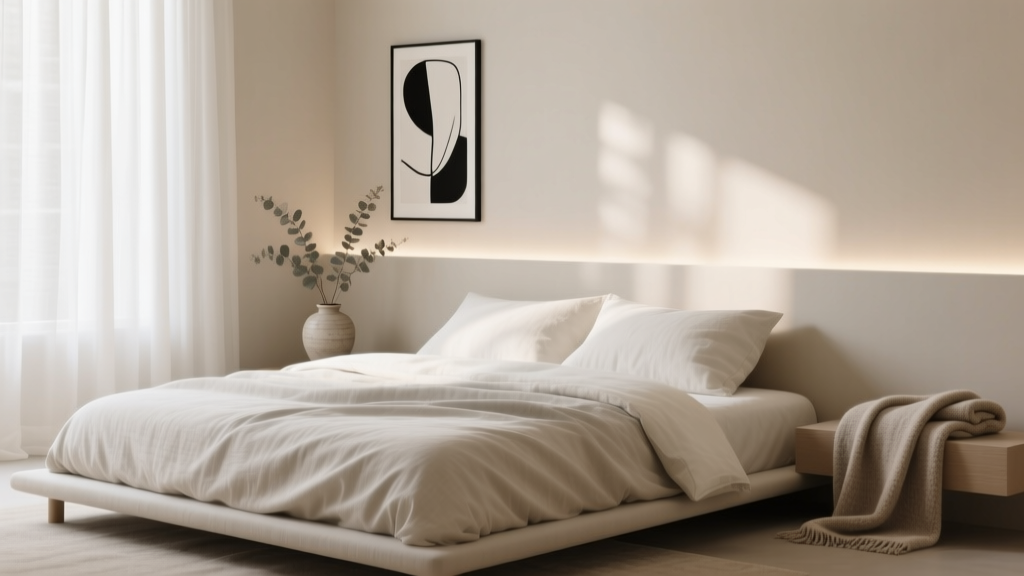 Bedroom Washed Linen Bedding Styling - The Decor Mag
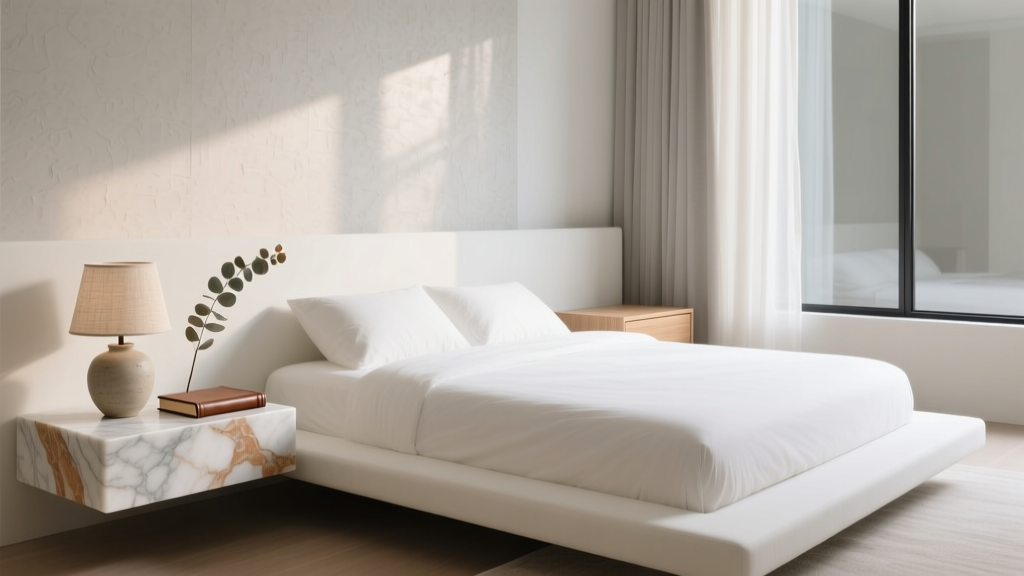 Bedroom Natural Stone Bedside Tray - The Decor Mag
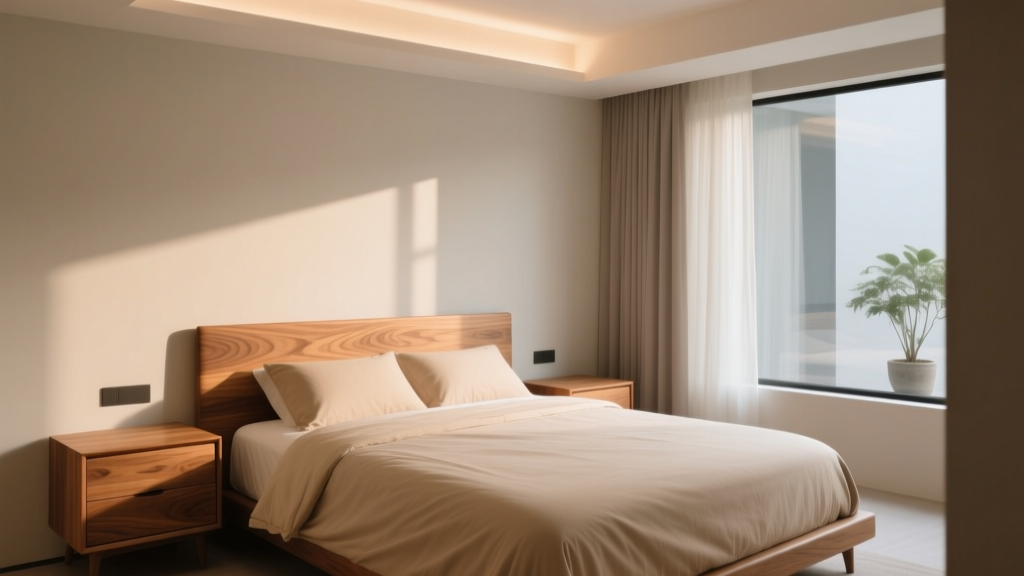 Bedroom Warm Wood Nightstand Pair - The Decor Mag
 How to Match Your Family’s Needs With the Right Bedroom Options: A Practical, Evidence-Based Guide