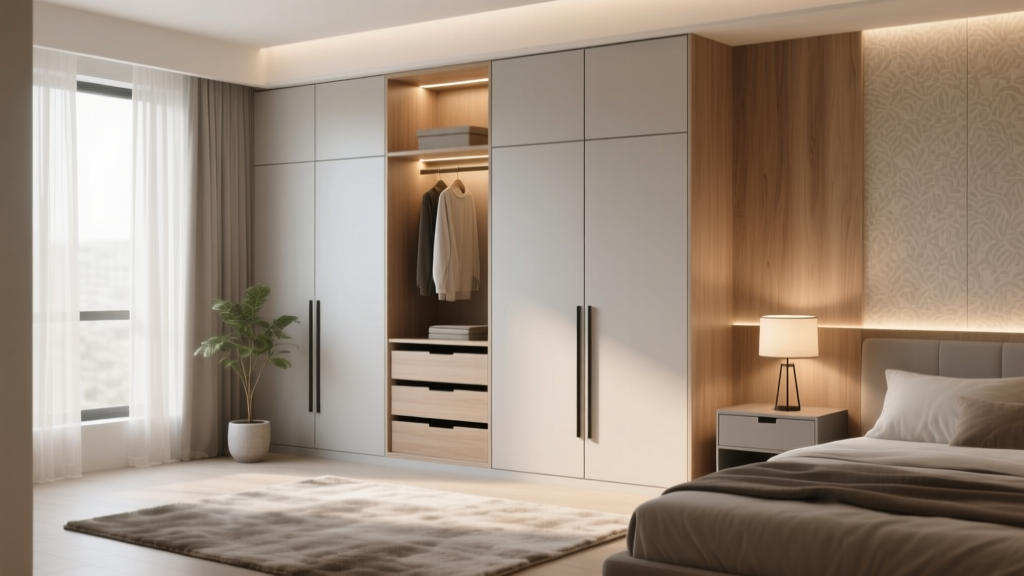
Bedroom Built-In Wardrobe Ideas - The Decor Mag
A calm, uncluttered bedroom is one of the most reliable design upgrades you can make for better sleep. When clothing piles, open shelving, and mismatched storage creep into view, the room can start to feel busy—even if it’s technically “clean.” Visual clutter quietly signals your brain to stay alert, which can make it harder to wind down at night and easier to wake feeling unrefreshed.
A built-in wardrobe helps because it solves two problems at once: it creates efficient storage tailored to your space, and it gives the bedroom a smoother, more intentional look. Whether you own your home or rent, there are built-in wardrobe ideas that improve bedroom layout, enhance the sleep environment, and support daily routines—without turning the room into a showroom.
Below are practical, sleep-friendly built-in wardrobe designs, material choices, lighting ideas, and budgeting guidance to help you create a bedroom that feels restorative and organized.
Why Built-In Wardrobes Support Better Sleep
Bedroom design and sleep quality are closely connected. Your brain responds to the environment as a cue: darkness, order, and softness encourage rest; harsh light, chaos, and constant reminders of to-dos can keep you wired. Built-in wardrobes reduce that mental “noise” by minimizing what’s visible.
- Less visual clutter: Doors hide clothing and accessories, creating a calmer bedroom aesthetic.
- Better layout flow: Built-ins can reclaim awkward corners and improve circulation around the bed.
- Noise control: Solid doors and quality hardware reduce rattles compared to freestanding wardrobes.
- Improved routines: A place for everything reduces frantic mornings and late-night searching.
Planning Your Built-In Wardrobe: Start With Sleep and Layout
Before picking door styles or colors, plan around how you sleep and move through the room. A built-in should make the bedroom feel more spacious, not tighter.
Measure and map the “quiet zone”
- Keep at least 24–30 inches of clear walking space on each side of the bed when possible.
- If you share the room, prioritize symmetry near the bed (matching nightstands or lighting) even if the wardrobe layout is asymmetrical.
- Avoid placing a wardrobe where doors open toward the bed, especially if they could reflect light or create visual busyness.
Choose door type based on space
- Sliding doors: Great for tight bedrooms; fewer clearance needs. Choose soft-close tracks to reduce noise.
- Hinged doors: Better full access and easier maintenance; need clearance for swing.
- Bi-fold doors: Useful for shallow wardrobes; can look more “closet-like.” Choose quiet hinges.
Set your storage priorities
A sleep-friendly bedroom stays calm when the wardrobe truly fits your lifestyle. List what needs to live inside:
- Hanging: long items (coats/dresses) and short items (shirts)
- Folded storage: sweaters, tees, workout gear
- Drawers: undergarments, sleepwear, accessories
- Shoes and bags
- Optional: hamper, safe, jewelry tray, ironing board niche
Built-In Wardrobe Ideas That Elevate Bedroom Design
1) Full-wall built-in for a “hotel calm” look
A full-wall wardrobe creates a smooth, architectural surface—ideal for a restful bedroom design. It reads like part of the room rather than a bulky piece of furniture.
- Best for: Small-to-medium bedrooms that need visual simplicity
- Style tip: Use flat-panel doors in a matte finish to reduce glare.
- Sleep-friendly win: Minimal lines help the room feel quieter.
2) Built-in wardrobe around the bed (bridge style)
This layout frames the bed with tall cabinets on both sides and optional overhead storage. Done well, it feels cocooning and efficient.
- Best for: Narrow rooms where side wall space is limited
- Design tip: Keep overhead units shallower (about 12–14 inches) to avoid a heavy look.
- Wellness tip: Avoid storing heavy items overhead; reserve that space for linens or light items.
3) Corner built-in to reclaim awkward space
Corners often become clutter magnets. A corner built-in wardrobe can turn a dead zone into clean storage.
- Best for: Bedrooms with angled walls, alcoves, or tight footprints
- Practical feature: Add a pull-out corner rail or rotating hanging unit if budget allows.
4) Built-in with a dressing nook (mirror + seat)
Pairing the wardrobe with a small dressing area keeps “getting ready” items in one place, away from the bed.
- Best for: Primary bedrooms or anyone who wants a calmer morning routine
- Include: A shallow drawer for jewelry, a small upholstered bench, and a mirror with warm lighting.
- Sleep-friendly tip: If a mirror faces the bed and bothers you at night, choose a mirrored door with a curtain panel or position the mirror inside the wardrobe.
5) Built-in with integrated nightstands
Connecting nightstands to the wardrobe creates a custom, streamlined look and reduces gaps where clutter collects.
- Best for: Bedrooms where freestanding nightstands feel cramped
- Include: A drawer for tech, tissues, and books to keep the sleep environment tidy.
6) “Built-in look” for renters: modular systems and hacks
Renters can still get the benefits of built-in wardrobe design with semi-permanent solutions:
- Modular wardrobes with trim/crown molding add-ons to create a fitted look.
- Tension-mounted closet systems for inside reach-in closets.
- Peel-and-stick panels or removable wallpaper on wardrobe doors for a custom finish.
- Freestanding wardrobes framed with side panels (secured safely, without wall damage if required).
Materials, Finishes, and Hardware for a Calmer Bedroom
The best built-in wardrobes for sleep-friendly bedrooms prioritize low glare, low odor, and quiet operation.
Recommended materials
- Plywood (cabinet-grade): Durable, good for painted or wood veneer finishes; typically stronger than MDF.
- MDF: Smooth for paint, budget-friendly; choose low-VOC options and allow time to off-gas.
- Solid wood (select elements): Great for face frames or trims; can raise costs.
Finishes that suit a restful sleep environment
- Matte or eggshell paint: Softer light reflection than gloss.
- Wood veneer: Adds warmth; look for oak, ash, or walnut tones for a grounded feel.
- Low-VOC paints and adhesives: Helpful for indoor air quality, especially in small bedrooms.
Quiet hardware (a small upgrade that matters)
- Soft-close hinges and soft-close drawer slides reduce slamming sounds.
- Felt bumpers on doors help prevent late-night clacks.
- D-shaped pulls or edge pulls are comfortable and reduce snagging on sleepwear.
Lighting Ideas: Make the Wardrobe Functional Without Disrupting Sleep
Lighting affects circadian rhythm and bedroom mood. Wardrobe lighting should support easy mornings and calm evenings.
Inside-wardrobe lighting
- Motion-sensor LED strips or puck lights inside the wardrobe prevent bright overhead light at night.
- Choose 2700K–3000K warm white to keep the bedroom feeling cozy.
- Look for diffused LED channels to avoid harsh “dot” lighting.
External lighting near the wardrobe
- Wall sconces near a dressing nook create flattering, low-glare illumination.
- Dimmer switches are ideal for winding down and avoiding sudden brightness.
Sleep-friendly tip
If you tend to wake at night, keep a low-level amber night light near the floor rather than using the wardrobe light. This reduces stimulation and helps you return to sleep faster.
Color and Style Ideas That Make Bedrooms Feel Larger and Quieter
Color is one of the fastest ways to influence how restful a bedroom feels. Built-in wardrobes take up visual real estate, so their color matters.
- Soft whites and warm neutrals: Cream, ivory, greige, and warm taupe suit most bedrooms.
- Muted greens and blue-grays: Sage, eucalyptus, dusty blue—calming and sleep-friendly.
- Match walls for a seamless look: Painting wardrobe doors the same color as the wall reduces contrast and visual noise.
- Use wood for warmth: A wood veneer wardrobe can balance cool wall colors and make the room feel grounded.
Specific Recommendations: Pairing Wardrobes With Bedding, Furniture, and Layout
Built-in wardrobes look best—and feel calmest—when the rest of the bedroom supports the same goal: rest.
Bedding choices that complement built-ins
- Breathable bedding: Cotton percale for crisp coolness, linen for airflow, or Tencel/lyocell for silky temperature regulation.
- Layering for comfort: A light quilt + breathable duvet insert reduces overheating.
- Color tie-in: Echo the wardrobe tone in a throw or pillow to create a cohesive bedroom decor story.
Furniture that keeps the room open
- Low-profile bed frame to reduce visual heaviness if the wardrobe is tall.
- Floating nightstands or integrated nightstands to free floor space.
- Upholstered bench at the foot of the bed (if space allows) for “in-between” clothing to prevent chair piles.
Layout tips for a calmer sleep environment
- Keep the wardrobe area clear of laundry baskets and gym bags—store a lidded hamper inside if possible.
- Place mirrors so they don’t reflect bright windows into the bed.
- If the wardrobe is near the bed, choose push-to-open or discreet pulls to avoid snagging linens and clothing.
Budget Ranges: What Built-In Wardrobes Typically Cost
Costs vary by region, size, and materials, but these ranges help set expectations.
- Budget-friendly “built-in look” (DIY/modular): $400–$2,000
- Modular wardrobe systems, peel-and-stick finishes, basic lighting add-ons
- Mid-range semi-custom built-in: $2,000–$6,000
- Plywood or MDF boxes, upgraded doors, soft-close hardware, basic interior organization
- High-end custom built-in: $6,000–$15,000+
- Premium veneers, custom paint, integrated dressing nook, high-end lighting and storage features
Sleep-Friendly Wellness Tips for Wardrobe Design
- Protect indoor air quality: Choose low-VOC paints, sealants, and adhesives; ventilate well after installation.
- Reduce dust traps: Go to the ceiling or fully box in the top to avoid dusty gaps that can affect allergies and sleep.
- Create a “night mode” routine: Store sleepwear in the same drawer every night to reduce evening decision fatigue.
- Manage light exposure: Keep wardrobe lighting warm and dimmable, and avoid blue-white LEDs in the bedroom.
Common Mistakes to Avoid
- Overbuilding in a small room: Too-deep wardrobes can crowd the bed. Standard depths are often around 22–24 inches; sliding systems may require more.
- Glossy doors in bright rooms: They reflect light and movement, which can feel stimulating at night.
- No plan for outlets: If you store a steamer, iron, or charge devices inside, include a safe electrical plan with a professional.
- Ignoring door swing/clearance: Hinged doors that hit the bed or nightstand quickly become annoying.
- Too few drawers: Drawers are the secret to calm. Without them, small items spill onto surfaces.
- Cheap tracks and hinges: Noisy hardware can disrupt a partner’s sleep and makes the room feel less serene.
FAQ: Bedroom Built-In Wardrobes
Are built-in wardrobes worth it for small bedrooms?
Yes—often more than for large rooms. A well-planned built-in can reduce the footprint of freestanding furniture, improve layout flow, and create a cleaner visual line, all of which can make the bedroom feel calmer and larger.
What’s better for a tight space: sliding or hinged wardrobe doors?
Sliding doors usually work best in tight bedrooms because they don’t need swing clearance. If you want full access to the entire wardrobe at once, hinged doors are more practical—just confirm there’s enough room for the door swing.
What colors are best for a sleep-friendly bedroom wardrobe?
Soft neutrals (warm white, cream, greige) and muted tones (sage, dusty blue, blue-gray) tend to support a restful bedroom design. Matte or eggshell finishes reduce glare and keep the sleep environment feeling gentle.
How do I get a built-in wardrobe look as a renter?
Use modular wardrobe units, then add removable trim pieces, a peel-and-stick door finish, and consistent hardware. You can also “frame” a freestanding wardrobe with side panels for a fitted look, depending on lease rules.
Should wardrobe mirrors face the bed?
It’s personal. Some people find reflected light or movement distracting, which can affect relaxation. If it bothers you, move the mirror to a side wall, place it inside a door, or use a curtain panel at night.
What are the best wardrobe features for keeping the bedroom tidy?
Prioritize a mix of drawers (for small items), double hanging rails (for shirts and pants), a dedicated hamper space, and a shelf for linens. This prevents “overflow” onto chairs and bedside surfaces.
Next Steps: Create a Wardrobe Plan That Feels Restful
Start with your bedroom layout and sleep habits, then choose the built-in wardrobe style that reduces visual clutter and supports quiet routines. Aim for warm, glare-free finishes, soft-close hardware, and lighting that won’t overstimulate you at night. Even a renter-friendly built-in look can make the room feel more settled—and that sense of order often translates into easier evenings and better rest.
For more calming bedroom design ideas, space-saving storage inspiration, and sleep-friendly decor tips, explore the latest guides on thedecormag.com.
More Articles
 Best Bedroom Aromatherapy Diffuser Blend - The Decor Mag
 Best Bedroom Crystal Collection Display - The Decor Mag
 How to Choose Bedroom Mattress Topper - The Decor Mag
 Modern Bedroom Design on a Budget: Smart, Stylish, and Sustainable Solutions
 Best Bedroom Color Palettes for Relaxation - The Decor Mag
 Best Bedroom Sleep Journal Prompts - The Decor Mag
 How to Incorporate Vintage Linens in Bedroom - The Decor Mag
 Best Bedroom Humidifier Placement - The Decor Mag
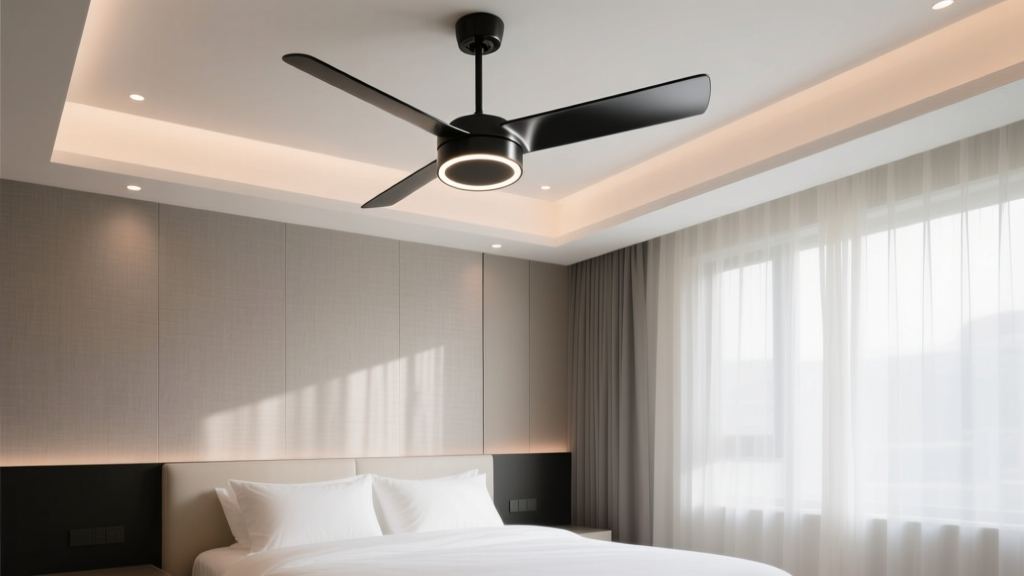 Best Bedroom Ceiling Fan Options - The Decor Mag
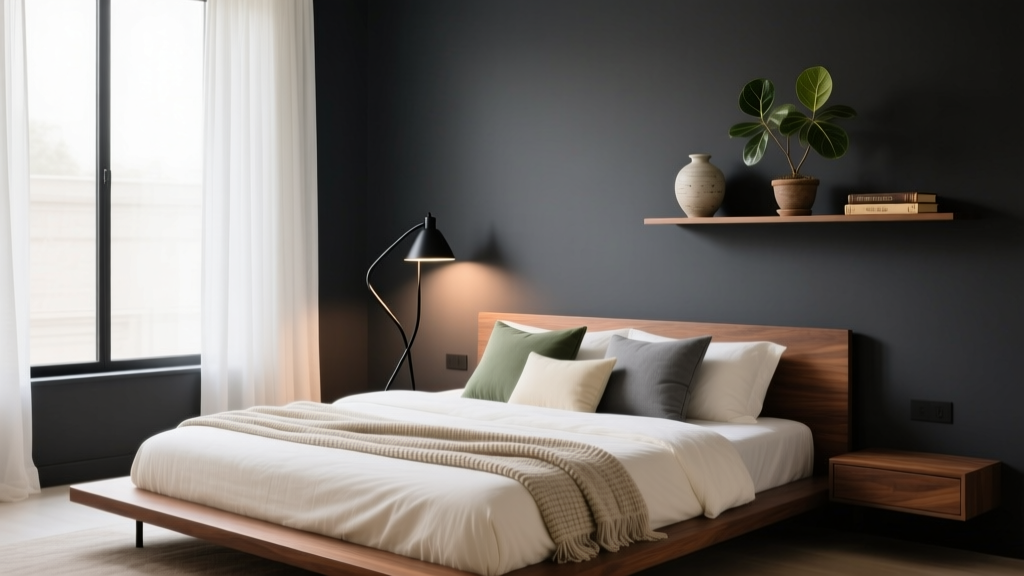 How to Style a Bedroom with Dark Walls - The Decor Mag