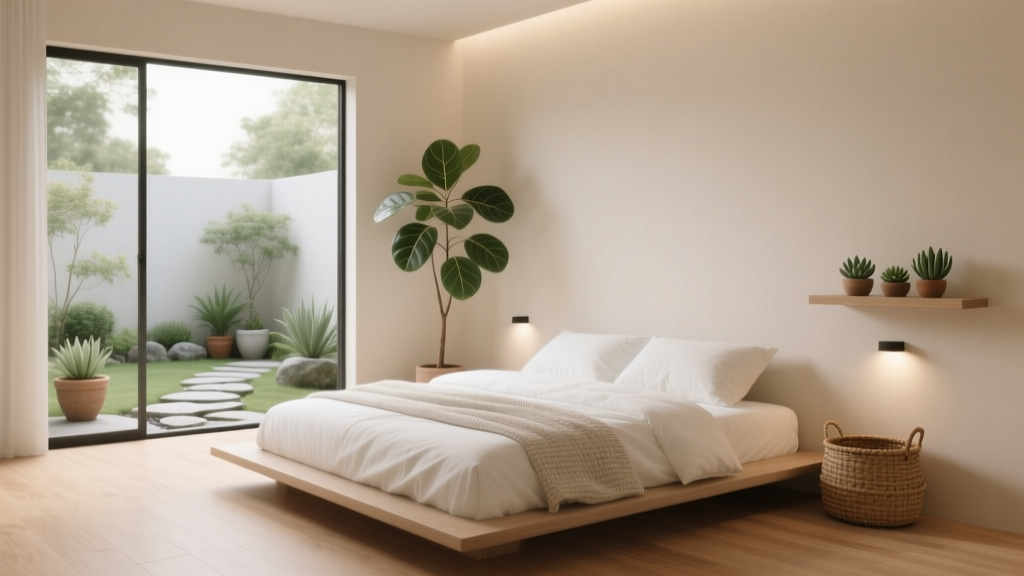
How to Create a Bedroom That Feels Peaceful - The Decor Mag
A peaceful bedroom isn’t just a style goal—it’s a sleep and wellbeing strategy. The way your bedroom looks, feels, sounds, and even smells can either calm your nervous system or keep it quietly on alert. When your sleep environment supports relaxation, it’s easier to fall asleep, stay asleep, and wake up feeling more restored.
For homeowners and renters alike, the most soothing bedrooms have a few things in common: visual simplicity, comfortable materials, thoughtful lighting, and a layout that feels intuitive. You don’t need a full renovation or designer budget to get there. Small, targeted upgrades—like better bedding, softer lighting, and a clutter plan—often create the biggest shift.
This guide breaks down practical bedroom design choices that support real rest, along with sleep-friendly wellness tips, budget ranges, and common mistakes to avoid. Think of it as a calming blueprint for building a bedroom that feels like an exhale.
Start With the Foundations: Calm, Comfort, and Control
Define what “peaceful” means for you
Peacefulness can look different depending on your lifestyle and sensitivities. Before you shop or rearrange, decide what you want your bedroom to do for you.
- If your mind races at night: prioritize visual calm (less decor, fewer patterns) and low, warm lighting.
- If you’re a light sleeper: prioritize sound control, blackout solutions, and bedding temperature regulation.
- If your space is small: prioritize layout clarity, hidden storage, and fewer but better pieces.
- If you rent: prioritize reversible upgrades (plug-in sconces, peel-and-stick treatments, rugs, textiles).
Sleep environment checklist (the “peaceful bedroom” baseline)
- Dark: light control to support melatonin
- Quiet: reduced noise or steady background sound
- Cool: generally 60–67°F (15–19°C) for many sleepers
- Comfortable: supportive mattress/pillows, breathable bedding
- Low clutter: fewer visual “to-dos” in sight
Choose a Restful Color Palette That Lowers Visual Noise
Color is one of the fastest ways to shift mood. For a peaceful bedroom, aim for hues that feel soft and grounding rather than high-contrast or intensely saturated. The goal is a sleep-friendly backdrop that makes the room feel still.
Best calming bedroom colors
- Warm whites and creams: cozy, clean, and light-reflective
- Soft greige/taupe: neutral and grounding without feeling cold
- Muted greens (sage, olive wash): nature-linked and soothing
- Dusty blues: calming, especially in bedrooms with lots of daylight
- Clay and soft terracotta: warm, cocooning, and flattering in lamplight
Practical paint guidance
- Finish: matte or eggshell tends to feel softer and hides wall imperfections.
- Contrast rule: keep contrast low (walls, bedding, and large furniture within a similar value range) for a quieter look.
- Renters: create a palette with textiles—curtains, bedding, rugs, and removable wallpaper behind the bed.
Budget ranges: paint and supplies often run $60–$200 for a typical bedroom; peel-and-stick wallpaper accents can range $40–$200+ depending on coverage and brand.
Design the Layout for Ease, Not Just Appearance
A peaceful bedroom layout feels predictable and easy to move through. When the room is cramped or visually chaotic, the brain reads it as friction—one more thing to manage. Start with flow.
Bed placement that feels grounding
- Place the bed on the most solid wall (often opposite the door), if possible.
- Avoid pushing the bed into a corner unless space demands it; balanced access on both sides feels calmer.
- Use a headboard (or a substantial wall treatment) to create a “rest zone” anchor.
Clear pathways = calmer nervous system
- Aim for 24–30 inches of walkway space where you can.
- Remove “pinch points” like a chair you always bump into or a basket blocking a drawer.
- Consider wall-mounted nightstands or floating shelves in tight rooms.
Furniture recommendations (peaceful, not fussy)
- Bed frame: sturdy platform or upholstered frame to reduce squeaks and visual clutter.
- Nightstands: matching or visually similar pairs create symmetry (calming to the eye).
- Dresser: closed storage beats open shelves for a cleaner look.
- Seating: if you add a chair, keep it simple and avoid it becoming a clothing pile.
Budget ranges: platform bed frames $150–$800; upholstered frames $400–$1,500; nightstands $80–$350 each; dressers $250–$1,200 depending on size and construction.
Upgrade Bedding Like a Sleep Wellness Essential
Bedding is both decor and daily sensory input. If your sheets feel scratchy, your duvet traps heat, or your pillows don’t support your neck, the room can look peaceful but still sleep poorly. Prioritize comfort first; style comes naturally when the bed feels good.
Material recommendations for a cooler, calmer sleep environment
- Sheets: cotton percale (crisp and breathable), linen (airy and relaxed), or bamboo lyocell (smooth and temperature-regulating).
- Duvet insert: down or down-alternative with breathable cotton shell; choose weight based on your climate.
- Blankets: cotton knit or lightweight wool for layering; consider a breathable quilt.
- Pillows: adjustable fill (shredded memory foam or latex) for personalized support.
Build a calm bed with simple layering
- Fitted + flat sheet in a solid or subtle stripe.
- Lightweight blanket folded at the foot for temperature flexibility.
- Duvet with a washable cover in a muted tone.
- Two sleeping pillows plus 1–2 accent pillows maximum to reduce clutter.
Budget ranges: sheet sets $50–$250; duvet inserts $80–$300; duvet covers $60–$250; supportive pillows $40–$150 each.
Lighting: The Fastest Way to Make a Bedroom Feel Serene
Lighting has a direct relationship with sleep quality because it influences circadian rhythms. Bright, cool light at night can suppress melatonin and keep your brain awake. Soft, warm, layered lighting helps your body shift into wind-down mode.
Use layered lighting (not one overhead glare)
- Ambient: dimmable ceiling fixture or a soft flush mount.
- Task: bedside lamps or plug-in wall sconces for reading.
- Accent: a small table lamp, LED strip behind a headboard, or a salt lamp-style glow (warm only).
Sleep-friendly bulb choices
- Color temperature: aim for 2200K–2700K (warm white) in the evening.
- Dimming: use dimmable bulbs with a compatible dimmer or smart bulb.
- Avoid: bright 4000K–6500K “daylight” bulbs in the bedroom at night.
Practical lighting upgrades for renters
- Plug-in sconces mounted with removable hooks
- Smart bulbs to schedule a gradual dim at night
- Warm LED nightlight in the hallway to avoid overhead lights during nighttime wake-ups
Budget ranges: lamps $25–$200; plug-in sconces $40–$250; smart bulbs $15–$60 each; dimmer switches (if allowed) $20–$60.
Reduce Clutter Without Becoming Minimalist Overnight
Clutter is visual stimulus—and visual stimulus is mental stimulus. When your eyes keep landing on laundry, cords, or unfinished projects, the brain interprets it as “open loops.” A peaceful bedroom doesn’t require an empty room; it requires fewer signals competing for attention.
The “closed storage” rule
- Choose dressers and nightstands with drawers rather than open shelving.
- Use lidded baskets for blankets, chargers, or skincare.
- Under-bed storage works best when items are contained (bins with lids) and not visible.
A simple nightly reset (5 minutes)
- Put clothes in a hamper or hang them—no “chair pile.”
- Clear nightstand surfaces (keep only lamp, book, water).
- Return mugs, dishes, and work items to the kitchen or office area.
- Set out tomorrow’s essentials (optional) so mornings feel calmer.
Budget ranges: storage baskets and bins $10–$60; under-bed containers $20–$80; drawer organizers $10–$40.
Bring in Softness: Textiles That Quiet the Room
Soft furnishings absorb sound, add warmth, and make a bedroom feel finished. They’re also a renter-friendly way to improve the sleep environment with minimal commitment.
Rugs for comfort and acoustics
- Best types: wool (durable, naturally resilient), wool-blend, or high-quality cotton.
- Size tip: choose a rug large enough that your feet land on it when you get out of bed (often 8x10 for queen beds, depending on layout).
- Layering: use a rug pad to add cushion and reduce slipping.
Window treatments that support sleep quality
- Blackout curtains: ideal for light-sensitive sleepers or streetlight exposure.
- Double layer: sheer + blackout creates daytime softness and nighttime darkness.
- Color: match curtain color to wall color for a seamless, calmer look.
Budget ranges: rugs $150–$800 (more for large wool); rug pads $20–$80; blackout curtains $30–$200 per panel; curtain rods $20–$120.
Sound, Scent, and Air: The Quiet Wellness Upgrades
Peace is sensory. Once the visuals are calmer, small environmental changes can noticeably improve sleep comfort.
Sound control for a more restful bedroom
- Soft surfaces: rugs, curtains, and upholstered headboards reduce echo.
- White noise: a dedicated white noise machine or fan can mask street noise.
- Door draft stopper: reduces hallway noise and light leaks.
Air quality and temperature
- Air purifier: helpful for allergies and for creating “clean air” comfort.
- Humidity: a humidifier in dry climates can reduce throat dryness; keep it clean to prevent mold.
- Cooling: breathable sheets, lighter duvets, and a ceiling fan can prevent overheating (a common sleep disruptor).
Scent (keep it subtle)
- Choose gentle scents like lavender, chamomile, or cedar.
- Use a reed diffuser or linen spray lightly; avoid overpowering fragrances near bedtime.
- If you’re sensitive, skip fragrance and focus on clean air and fresh bedding.
Budget ranges: white noise machines $25–$80; air purifiers $80–$300; humidifiers $30–$120; linen sprays $10–$30.
Decor That Feels Peaceful (Not Busy)
Decor should support the mood you want at night: safe, soft, quiet. Aim for fewer pieces with more intention.
Calming decor ideas
- Art: landscapes, abstracts, or photography with gentle movement and muted color.
- Mirrors: useful for light, but avoid placing one where it reflects the bed if it feels visually “active” to you.
- Greenery: one or two easy plants (snake plant, pothos) can soften edges—just keep soil and watering tidy.
- Natural materials: wood, linen, wool, rattan, and ceramic add warmth without visual noise.
Common Mistakes That Make Bedrooms Feel Less Peaceful
- Overhead-only lighting: creates glare and feels harsh at night.
- Too many pillows and throws: looks styled but becomes nightly clutter.
- Work spillover: laptops, paperwork, and chargers on the bed blur the mental boundary between rest and productivity.
- High-contrast patterns everywhere: visually stimulating and can feel busy, especially in small rooms.
- Ignoring noise and light leaks: even a beautiful bedroom won’t support sleep if it’s bright and loud at night.
- Cheap, scratchy bedding: discomfort shows up as longer time to fall asleep and more tossing and turning.
FAQ: Peaceful Bedroom Design and Sleep Environment
What is the best bedroom layout for good sleep?
Place the bed on a solid wall where you can access both sides if possible, keep clear walking paths, and avoid crowding the bed with extra furniture. A balanced, uncluttered layout reduces visual stress and makes the room feel calmer.
Which colors are most relaxing for a bedroom?
Soft neutrals (warm white, cream, greige), muted greens, dusty blues, and gentle clay tones tend to feel calming. Keep contrast low across large surfaces (walls, bedding, curtains) for a more peaceful bedroom aesthetic.
Do blackout curtains really help sleep quality?
Yes—especially if you have streetlights, early sun, or shift-work sleep schedules. A darker sleep environment supports melatonin production and can reduce nighttime awakenings caused by light changes.
How can renters make a bedroom feel more peaceful without painting?
Focus on textiles and lighting: blackout curtains, a large rug, upgraded bedding, warm bulbs, and plug-in sconces. Add removable art, peel-and-stick wallpaper behind the bed, and closed storage solutions like dressers and lidded baskets.
What bedding material is best for hot sleepers?
Cotton percale and linen are top picks for breathability. Bamboo lyocell can also feel cool and smooth. Pair sheets with a lighter duvet insert and consider a cotton quilt for layering instead of a heavy comforter.
Should you have a TV in the bedroom?
If peaceful sleep is the priority, it’s often better to keep screens out. TVs add light, stimulation, and noise, and can encourage late-night viewing. If you keep one, use a sleep timer, dim the brightness, and avoid watching in bed every night.
Next Steps: A Simple Weekend Plan for a More Peaceful Bedroom
If you want a noticeable change without getting overwhelmed, follow this order. Each step builds on the last and improves both bedroom design and sleep environment.
- Declutter surfaces: clear nightstands and remove anything that signals work or unfinished tasks.
- Fix light problems: add warm bulbs and a bedside lamp; consider blackout curtains if needed.
- Upgrade one bedding layer: start with sheets or pillows—whatever is most uncomfortable.
- Soften the room: add a rug (or rug pad), curtains, and a calm, simple bed layering scheme.
- Refine the palette: keep decor and textiles within a soothing color family for visual quiet.
Your bedroom doesn’t need to be perfect to feel peaceful. When the room supports darkness, quiet, comfort, and simplicity, sleep often follows more naturally—and the whole day can feel a little steadier.
For more calming bedroom decor, sleep-friendly design ideas, and practical room-by-room upgrades, explore the latest inspiration on thedecormag.com.
More Articles
 Bedroom Wingback Headboard Design - The Decor Mag
 Wellness Bedroom Decor: Design Tips for 2026
 Bedroom Limewash Paint Wall Trend - The Decor Mag
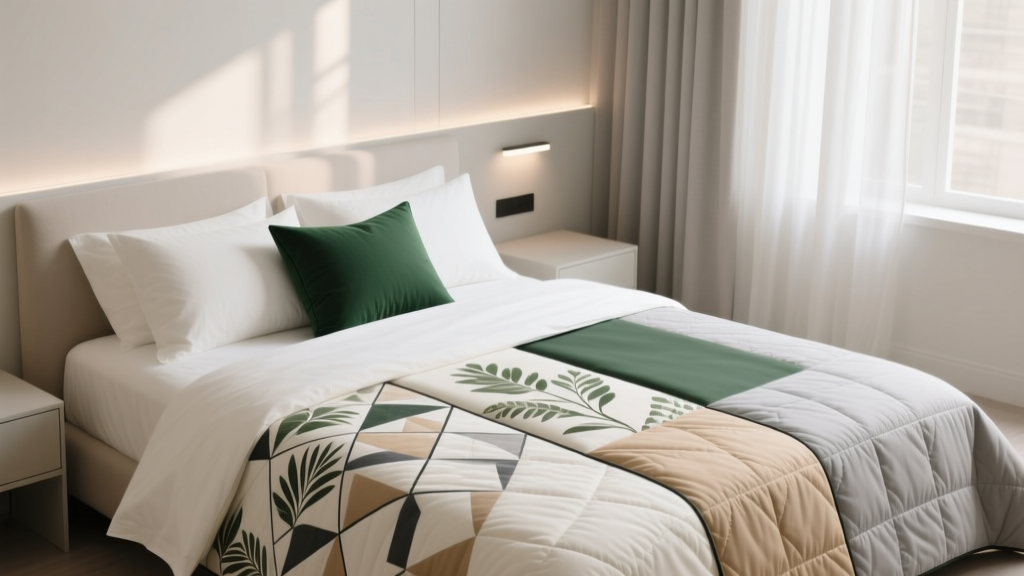 How to Choose Bedroom Quilt Cover Pattern - The Decor Mag
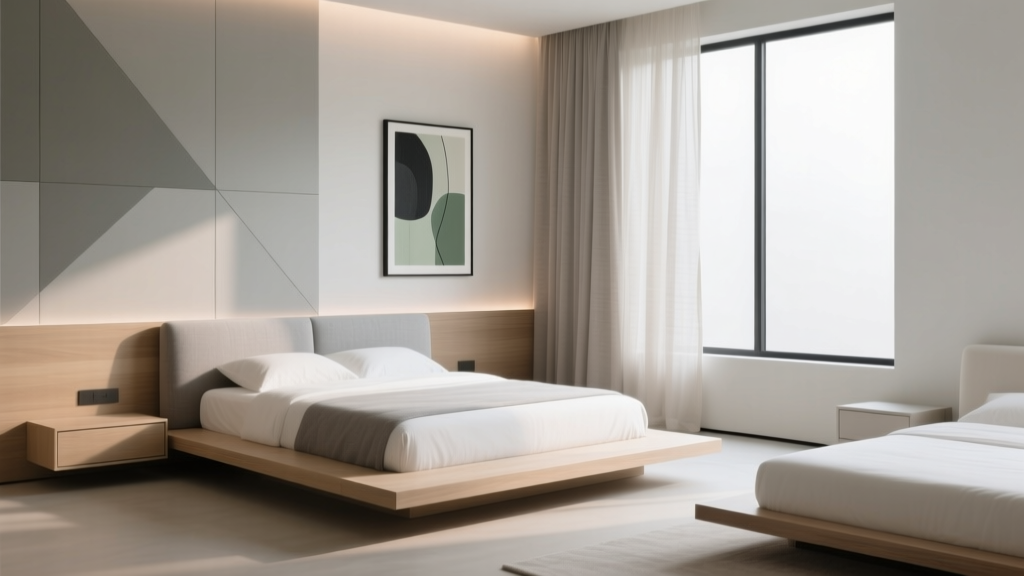 Bedroom Low Profile Bed Frame Styles - The Decor Mag
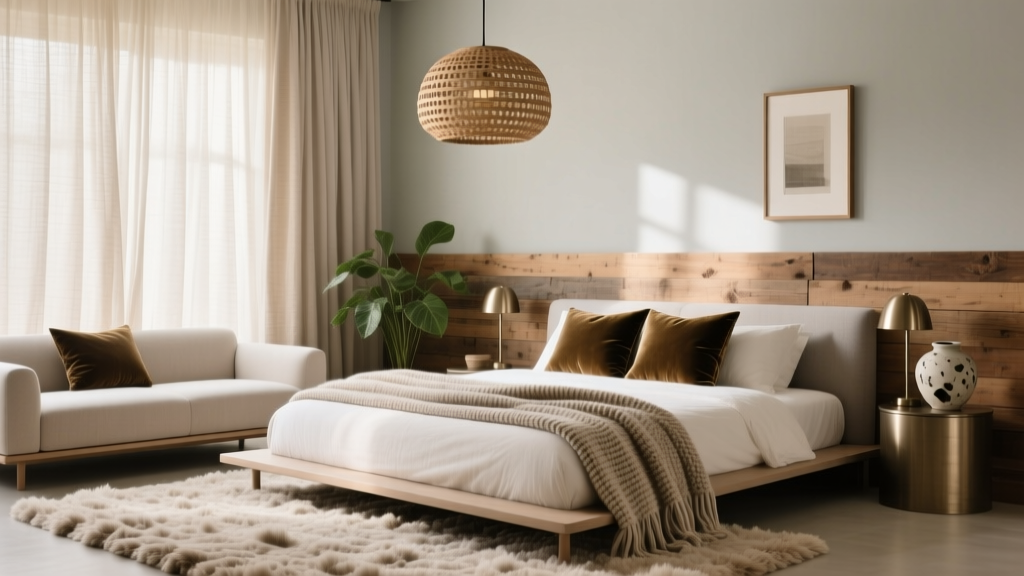 How to Incorporate Texture in Bedroom Decor - The Decor Mag
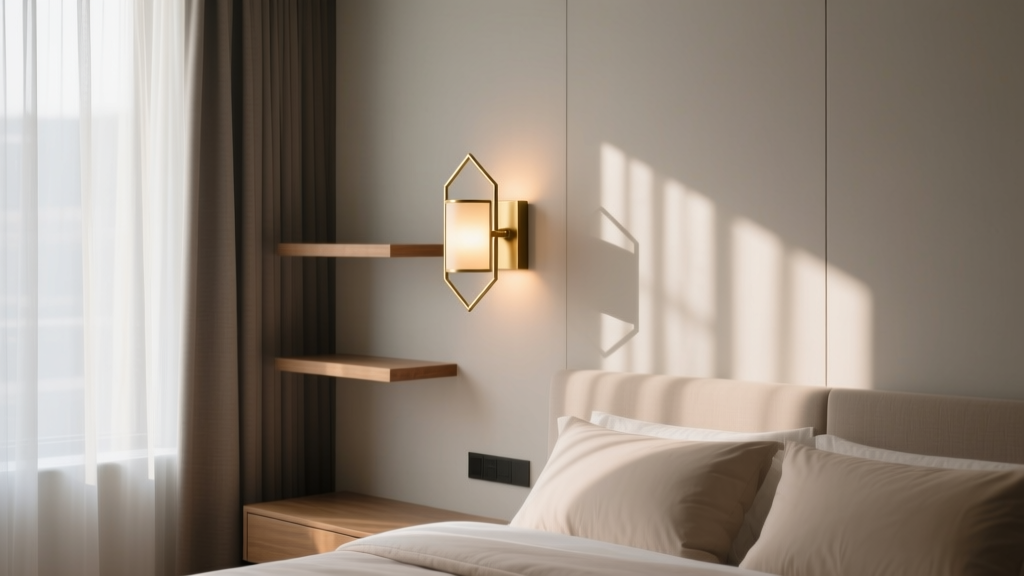 Best Bedroom Sconce Lighting Options - The Decor Mag
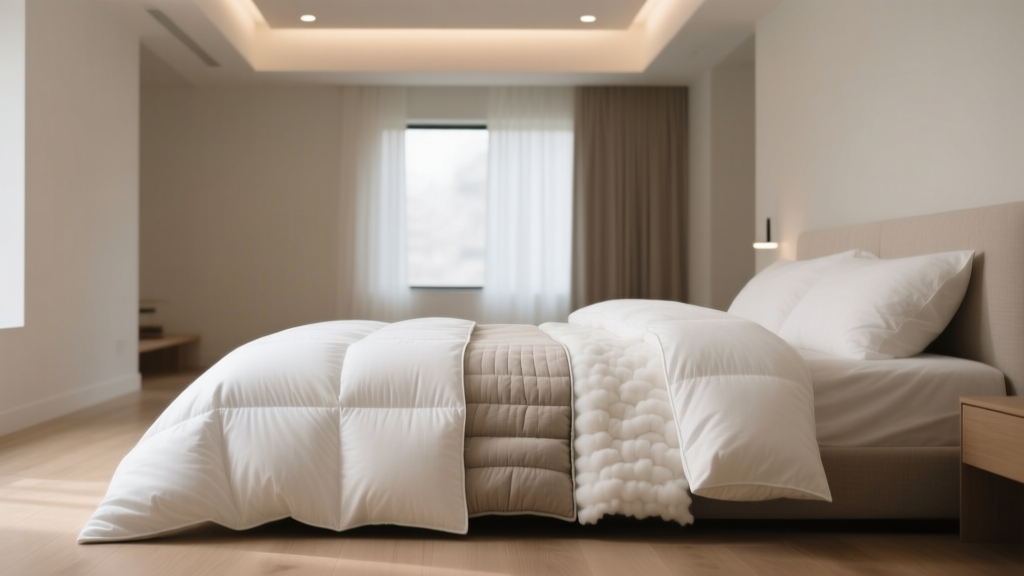 How to Choose Bedroom Comforter Fill - The Decor Mag
 The Best Bedding Sets for Every Season - The Decor Mag
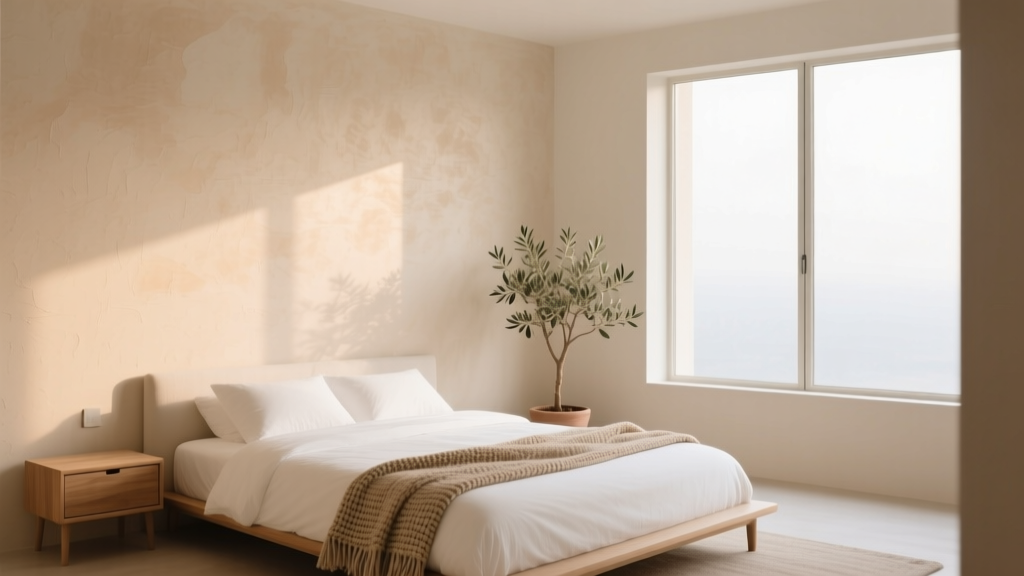 Bedroom Limewash Bedroom Wall Treatment - The Decor Mag