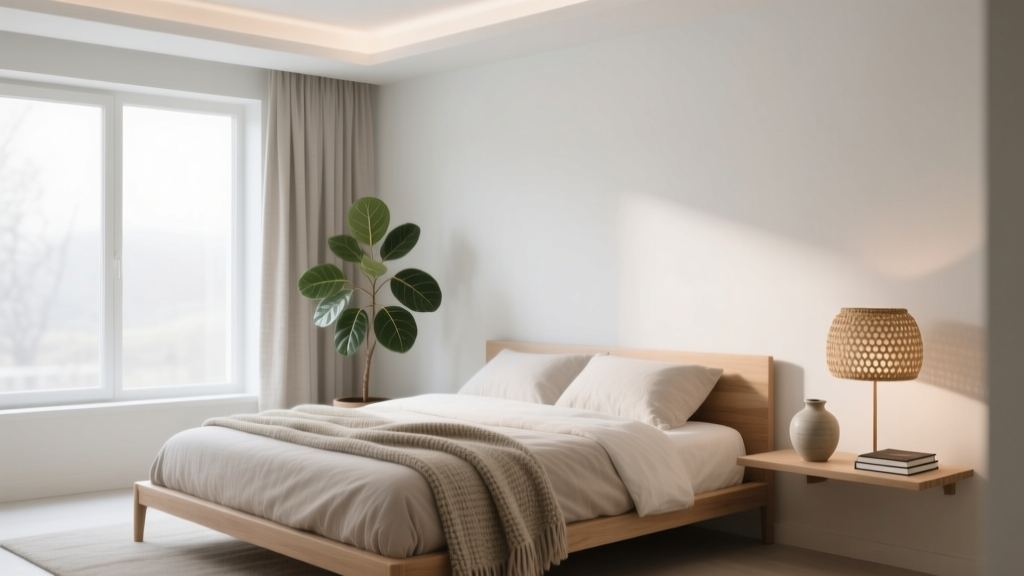
Scandinavian Bedroom Design Essentials - The Decor Mag
A bedroom should feel like a soft exhale. The right design choices can lower visual clutter, ease stress, and support a sleep environment that helps you fall asleep faster and stay asleep longer. Scandinavian bedroom design has become a favorite for good reason: it prioritizes calm, comfort, and function—three pillars of a truly restorative space.
Rooted in Nordic living, this style embraces light, natural materials, and intentional simplicity. When those elements come together, your bedroom becomes more than “nice decor.” It becomes a wellness space where lighting supports your circadian rhythm, fabrics feel soothing against skin, and the layout reduces friction in your daily routine—especially at bedtime.
Whether you’re a homeowner upgrading your primary suite or a renter working with limitations, Scandinavian design essentials can be adapted to almost any room size and budget. The goal isn’t perfection; it’s a bedroom that feels steady, breathable, and sleep-friendly.
What Makes a Scandinavian Bedroom Sleep-Friendly?
Scandinavian bedroom decor looks effortless, but it’s built on smart choices that quietly improve the sleep environment. Instead of relying on heavy ornamentation, it focuses on clarity and comfort—both of which reduce overstimulation when your nervous system needs to wind down.
Core principles to guide every decision
- Light + warmth: Bright, airy backdrops balanced with cozy textiles to avoid a cold or sterile feel.
- Natural materials: Wood, wool, linen, cotton, leather (used sparingly) for sensory comfort and longevity.
- Function first: Every piece earns its place—storage that prevents clutter, lighting that supports evening calm.
- Minimal palette: Soft neutrals with muted color accents to keep the room visually quiet.
- Quality over quantity: Fewer items, better made, easier to maintain.
Scandinavian Bedroom Colors: Calm, Light, and Layered
Color is one of the fastest ways to influence mood and perceived spaciousness. Scandinavian bedroom color palettes tend to reflect natural light and reduce visual noise—helpful for relaxation and sleep quality.
Best wall colors and palettes
- Warm whites: Creamy white, soft ivory, or “linen” whites prevent the starkness of pure bright white.
- Greige and pale taupe: Adds warmth while keeping the room airy.
- Light gray (warm undertone): A classic Scandinavian choice that pairs beautifully with natural wood.
- Muted nature tones: Sage, dusty blue, clay, or soft charcoal as accent colors.
Practical tip: choose one “anchor” tone
To avoid a flat look, pick a dominant neutral (like warm white) and layer 2–3 supporting shades in textiles and decor. A simple formula:
- 70% base neutral (walls, large rug, duvet)
- 20% supporting neutral (curtains, headboard, throw)
- 10% muted accent (pillows, art, a vase)
Furniture Essentials: Simple Lines, High Comfort
Scandinavian bedroom furniture is known for clean silhouettes and practical craftsmanship. The best pieces disappear into the background while making daily life easier—especially your bedtime routine.
1) The bed frame: low-profile, stable, and quiet
A Scandinavian bed frame typically features light wood tones (oak, birch, ash) or painted finishes with tapered legs. Prioritize stability and noise control—creaks and wobble can disrupt sleep.
- Best materials: Solid wood or high-quality engineered wood with reinforced joints
- Sleep-friendly feature: A solid headboard for pillow support and reading comfort
- Budget ranges:
- $250–$600: simple platform beds, often engineered wood
- $600–$1,500: solid wood frames with stronger joinery
- $1,500–$3,500+: premium Scandinavian-inspired craftsmanship
2) Nightstands: symmetrical and uncluttered
Matching nightstands can make the room feel balanced and calm. Look for one drawer (to hide visual clutter) plus a lower shelf if you need it.
- Ideal size: top surface roughly level with your mattress
- Sleep upgrade: choose a design that hides chargers, tissues, and hand cream
- Budget ranges: $50–$150 (basic), $150–$400 (solid wood or higher quality)
3) A dresser that doesn’t dominate the room
Scandinavian bedroom layout works best when the floor feels open. Choose a dresser with simple fronts and integrated pulls (or minimal hardware) to keep the look quiet.
- Best picks: low, wide dressers that keep sightlines clear
- Wellness tip: less “surface dumping” reduces stress—aim to keep the top 70% clear
4) Seating (optional): a small chair that invites decompression
If space allows, add a small accent chair or a bench at the foot of the bed. It helps keep “day clothes” off the bed and supports better sleep hygiene.
- Space-saving option: a slim bench with storage under the seat
- Budget ranges: $80–$250 (bench), $200–$800 (chair)
Bedding and Textiles: The Scandinavian Secret to Coziness
Scandi style is minimal, but it’s never meant to feel cold. Textiles create the warmth. For sleep quality, prioritize breathable, skin-friendly materials and layer them for seasonal flexibility.
Best bedding materials for comfort and temperature regulation
- Linen: airy, moisture-wicking, excellent for hot sleepers; looks relaxed and natural
- Long-staple cotton (percale): crisp and cool for warm climates and night sweats
- Cotton sateen: smoother and slightly warmer for cooler rooms
- Wool (throws or blankets): naturally temperature-regulating; great for layering
- Down or down-alternative duvet inserts: choose warmth level based on bedroom temperature
Layering formula for a Scandinavian bed
- Breathable sheets: linen or cotton percale
- All-season duvet: in a simple duvet cover (white, oatmeal, pale gray)
- Textured throw: wool or cotton knit across the foot of the bed
- 2–4 pillows max: keep it tidy; add one lumbar pillow for softness without clutter
Budget guidance for bedding upgrades
- Starter refresh ($150–$300): new duvet cover + pillowcases + a throw
- Comfort-focused ($300–$700): add quality sheets and a better duvet insert
- Luxury sleep setup ($700–$1,500+): premium linen set, high-end duvet, extra pillow options
Lighting: Soft Layers That Support Your Circadian Rhythm
Lighting is one of the most overlooked Scandinavian bedroom essentials—yet it’s central to sleep wellness. Bright, cool light at night can delay melatonin production. Soft, warm layers help your brain recognize it’s time to wind down.
Use three layers of light
- Ambient: ceiling fixture or semi-flush mount with a warm bulb
- Task: bedside reading lamp or wall-mounted sconce
- Accent: a small table lamp, paper lantern, or subtle LED strip behind a headboard (dim only)
Bulb recommendations for a sleep-friendly bedroom
- Evening bulbs: 2200K–2700K (warm white)
- Dimmers: worth it for bedtime; use dimmable LEDs to reduce glare
- Smart lighting: set a routine to gradually dim 60–90 minutes before sleep
Scandinavian lighting style cues
- Matte white, black, or brushed metal finishes
- Simple silhouettes (globe, cone, dome)
- Fabric or frosted shades to soften the light
Layout and Flow: Make the Room Feel Larger and Quieter
Scandinavian bedroom design favors open space. The layout should support ease—no awkward squeezing around furniture, no clutter piles that become mental noise at bedtime.
Simple layout rules that work in most bedrooms
- Keep clear walkways: aim for 24–30 inches around the bed where possible
- Anchor with a rug: a large rug under the bed reduces echo and feels warmer underfoot
- Place the bed thoughtfully: ideally on the longest wall, not blocking windows if avoidable
- Create a “landing zone”: a small tray on the dresser for keys/jewelry to prevent nightstand clutter
Rug sizing suggestions
- Full/Queen: 8x10 rug (ideal) or 6x9 (works in smaller rooms)
- King: 9x12 rug for a balanced, grounded look
- Budget ranges: $120–$400 (synthetic), $400–$1,200+ (wool)
Decor and Storage: Minimal, Meaningful, and Easy to Maintain
Scandinavian decor is intentionally restrained. This isn’t about having an empty room—it’s about choosing items that contribute to calm. For sleep quality, fewer objects also means fewer dust collectors and less visual stimulation.
Choose decor that adds softness without clutter
- Wall art: 1–2 pieces with gentle landscapes, abstract neutrals, or line drawings
- Plants: one easy-care plant (snake plant or pothos) if it doesn’t trigger allergies
- Natural elements: a wooden tray, ceramic vase, or linen curtain panels
Storage that keeps the bedroom calm
- Under-bed storage bins: choose covered styles to reduce dust
- Closed nightstand drawer: hides charging cables and small items
- Closet organization: matching hangers + labeled bins reduces visual chaos
Sleep Wellness Upgrades That Fit Scandinavian Style
A Scandinavian bedroom is an ideal foundation for a healthier sleep environment. Add a few quiet wellness upgrades that look seamless and feel supportive.
Small changes with big sleep benefits
- Blackout curtains or lined shades: helps regulate melatonin by blocking streetlights and early sun
- White noise machine or fan: masks disruptive sounds without visual clutter
- Air quality support: a compact air purifier (especially helpful for allergies)
- Temperature control: aim for a cool room (often comfortable around 60–67°F / 15–19°C)
- Low-screen routine: set a charging station away from the bed to reduce late-night scrolling
Common Scandinavian Bedroom Mistakes to Avoid
- Going too stark: all-white everything can feel cold. Add warmth with wood tones, textured bedding, and soft lighting.
- Choosing form over comfort: minimalist furniture that’s uncomfortable (or noisy) will undermine your sleep quality.
- Too many small decor items: clutter breaks the calm. Fewer, larger pieces look cleaner and feel more restful.
- Ignoring lighting temperature: cool white bulbs at night can keep you alert. Choose warm bulbs and add dimmers.
- Undersizing the rug: a tiny rug makes the room feel choppy. Size up for a grounded, serene layout.
- No storage plan: Scandinavian bedroom design depends on clear surfaces. If clutter has nowhere to live, it will show up everywhere.
FAQ: Scandinavian Bedroom Design Essentials
What is the best Scandinavian bedroom color palette for relaxation?
Warm whites, soft greige, pale taupe, and warm light gray are classic choices. Add muted accents like sage, dusty blue, or soft charcoal for depth without overstimulation.
Can Scandinavian bedroom decor work in a small apartment or rental?
Yes. Focus on renter-friendly upgrades: removable wallpaper in a subtle tone, plug-in wall sconces, blackout curtains, and streamlined storage. Keep furniture scaled to the room and prioritize clear walkways.
What materials are most “Scandi” for furniture and bedding?
For furniture, look for oak, birch, ash, and simple matte finishes. For bedding, choose linen, cotton percale, wool throws, and natural textures that feel comfortable and breathable.
How do I make a Scandinavian bedroom feel cozy, not cold?
Use layered textiles (duvet + throw + rug), warm lighting (2200K–2700K), and natural wood tones. A single textured element—like a wool rug or linen curtains—can shift the whole room toward cozy.
What kind of lighting is best for a sleep-friendly bedroom?
Layered lighting with dimmers is ideal: warm ambient light, a soft bedside reading light, and gentle accent lighting. Avoid bright overhead lighting late at night and keep bulbs in the warm range.
How much should I budget to create a Scandinavian bedroom?
A practical refresh can start around $300–$700 (bedding, lighting, small storage). A more complete makeover with a new bed frame, rug, and upgraded textiles often falls between $1,200–$3,500, depending on materials and room size.
Next Steps: Build Your Calm, One Layer at a Time
Start with the decisions that affect sleep quality most: warm layered lighting, breathable bedding, and a clutter-reducing layout. Then refine the Scandinavian look with a soft neutral palette, natural materials, and a few meaningful decor pieces. Small upgrades—like blackout curtains or a better duvet insert—often deliver the biggest day-to-day difference.
For more soothing bedroom design ideas, sleep-friendly decor tips, and practical room upgrades, explore more inspiration on thedecormag.com.
More Articles
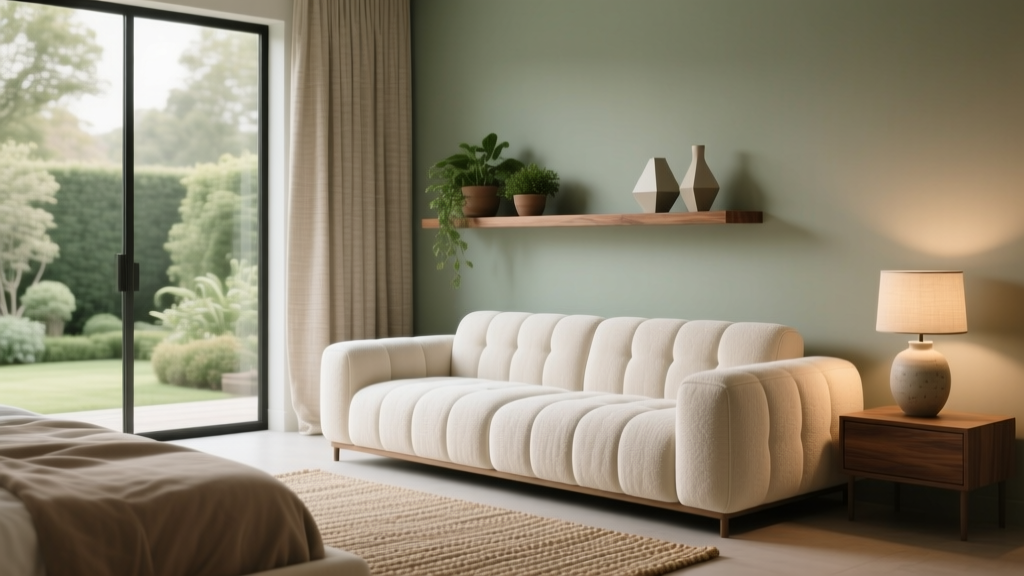 Bedroom Boucle Fabric Furniture Trend - The Decor Mag
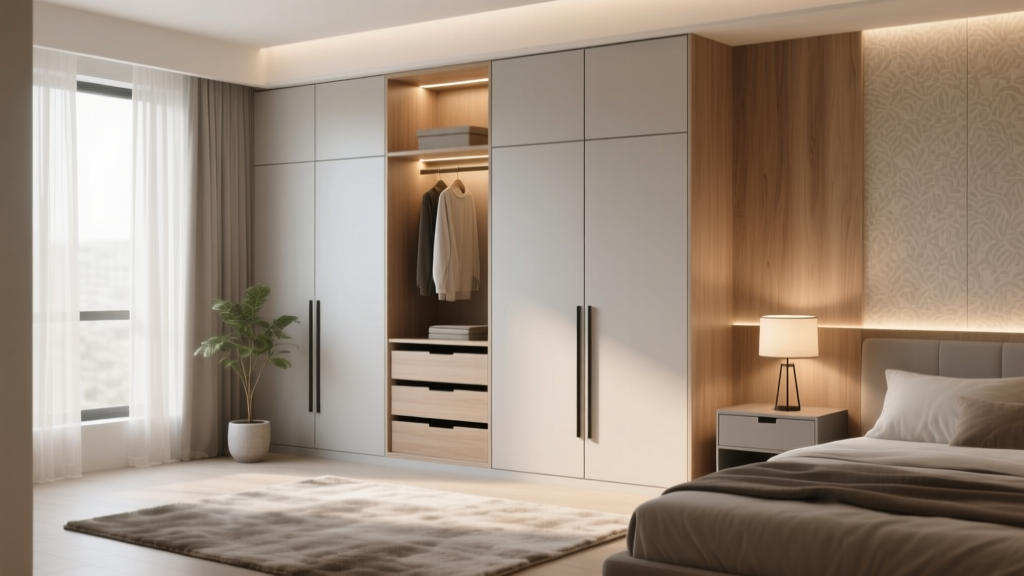 Bedroom Built-In Wardrobe Ideas - The Decor Mag
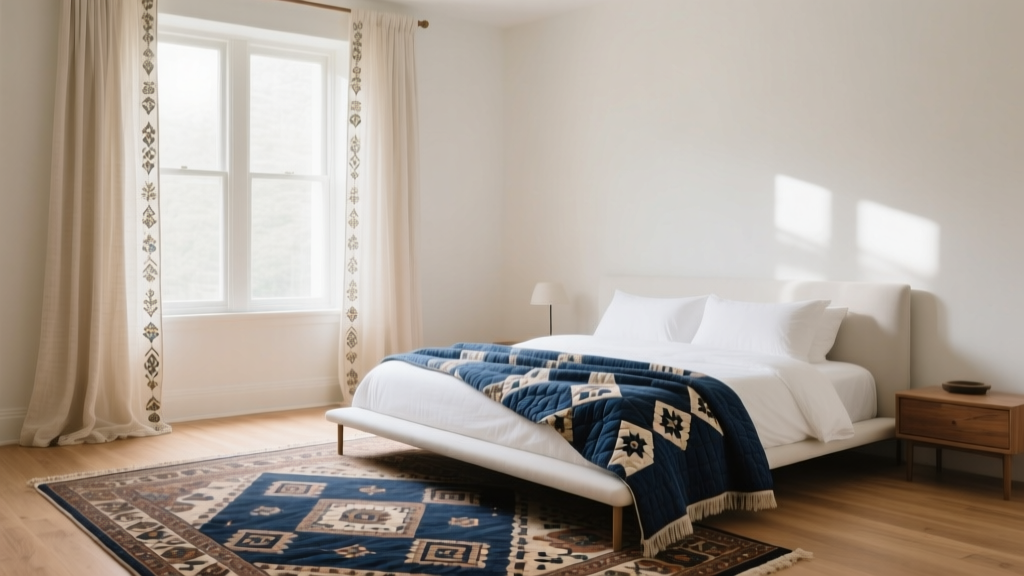 Heirloom Textiles in Bedrooms: Styling Ideas (2026)
 Best Bedroom Meditation Corner Setup - The Decor Mag
 How to Create a Bedroom Sanctuary - The Decor Mag
 Minimalist Bedroom Design Guide - The Decor Mag
 Bedroom Curved Furniture Design Trend - The Decor Mag
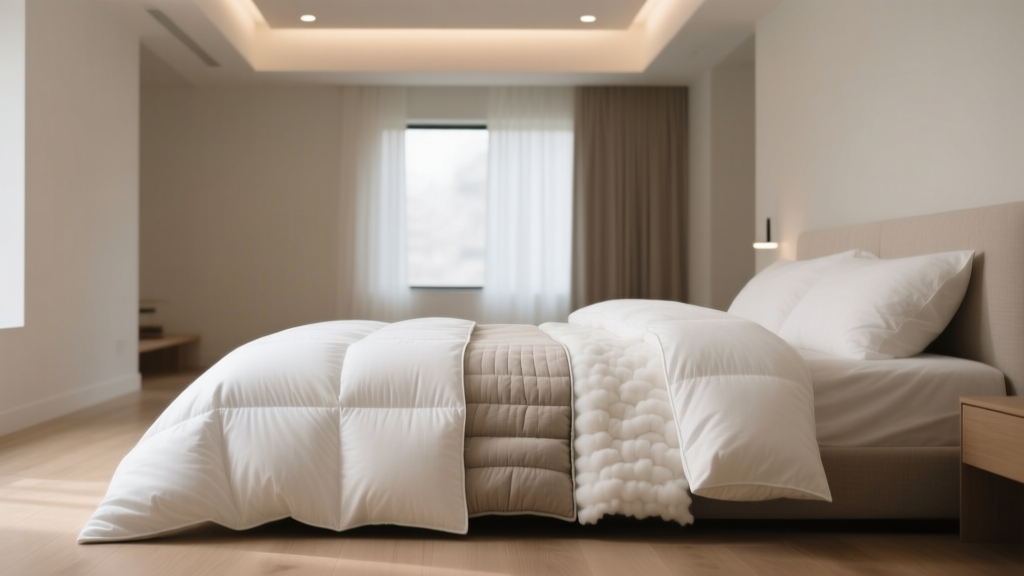 How to Choose Bedroom Comforter Fill - The Decor Mag
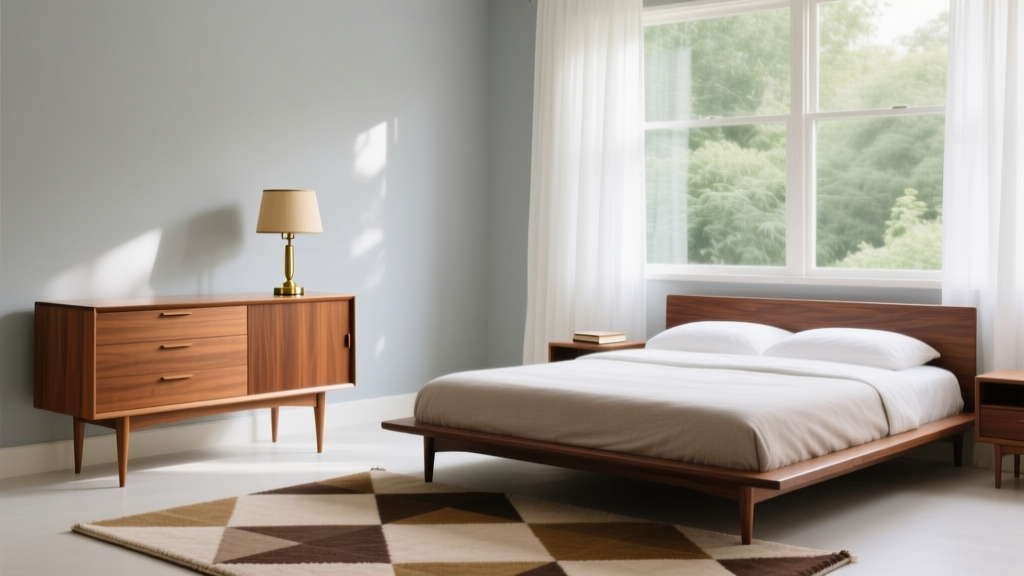 Mid-Century Modern Bedroom Furniture Guide - The Decor Mag
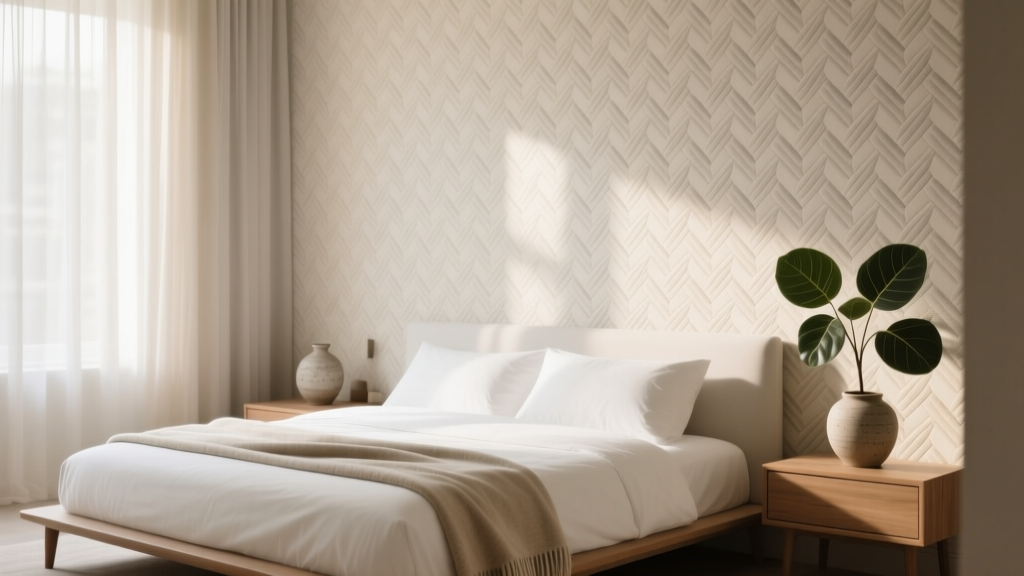 Bedroom Textured Wallpaper Ideas - The Decor Mag