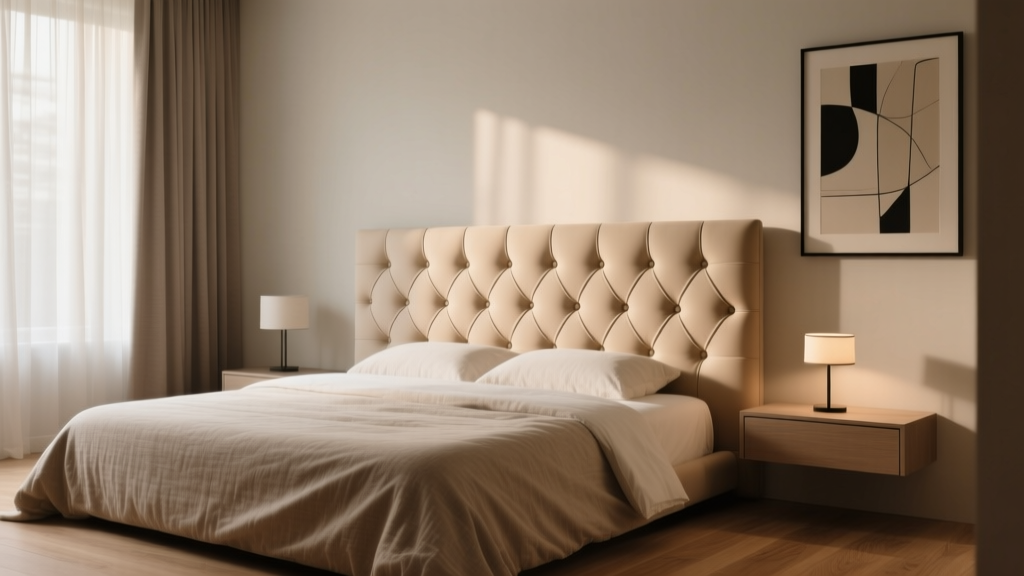
Bedroom Channel Tufted Headboard Guide - The Decor Mag
A bedroom that supports great sleep is rarely an accident. The pieces you see first—your bed, headboard, lighting, and textiles—shape how calm (or stimulating) the room feels at night and how rested you feel in the morning. A channel tufted headboard may look like a purely decorative upgrade, but it also plays a practical role in comfort, acoustics, and the overall “settle down” mood of your sleep environment.
Channel tufting—those clean, padded vertical or horizontal channels—offers a tailored look that reads as restful and structured. When you pair the right headboard style with supportive bedding, gentle lighting, and a thoughtful layout, you build a bedroom design that signals safety and relaxation to your brain. That sense of ease matters: a soothing sleep space can reduce pre-bed stress, make winding down feel automatic, and help you maintain consistent sleep habits.
This guide walks you through how to choose a channel tufted headboard that fits your room, your lifestyle, and your budget—plus the design decisions around it that improve comfort and sleep quality.
What Is a Channel Tufted Headboard?
A channel tufted headboard is an upholstered headboard with evenly spaced “channels” of padding stitched in a linear pattern. Unlike button tufting (which creates dimples and a more traditional look), channel tufting is sleeker and more modern, often seen in contemporary, transitional, and hotel-inspired bedroom decor.
Why channel tufting works so well in bedrooms
- Soft support: Comfortable for reading or lounging, especially with dense foam or layered padding.
- Calming visual rhythm: Repetition and symmetry feel orderly—helpful for a restful sleep environment.
- Textile warmth: Upholstery adds softness and reduces “echo-y” hardness compared to wood or metal headboards.
- Style flexibility: Works with minimalist decor, cozy modern, glam, and classic neutral bedrooms.
Choosing the Right Size and Proportions
One of the fastest ways to improve bedroom design is getting the scale right. A headboard that’s too small can make the bed feel temporary, while one that’s too tall can overwhelm a low-ceiling room and create visual pressure.
Headboard width: match the bed (or go slightly wider)
- Standard fit: Choose a headboard that matches your mattress size (Twin, Full, Queen, King, Cal King).
- Luxurious look: An “oversized” headboard that extends 2–6 inches beyond each side of the mattress can feel more high-end—especially in a primary bedroom.
- Space-saving for rentals: A standard-width, wall-mounted headboard keeps the look polished without dominating smaller rooms.
Headboard height: comfort + balance
- Low profile (40–50 inches): Best for small bedrooms, low ceilings, or a minimal vibe.
- Standard (50–60 inches): A versatile range that works with most nightstands and room proportions.
- Tall statement (60–72+ inches): Great for large rooms, high ceilings, or a boutique-hotel feel—especially with dramatic channeling.
Channel direction: vertical vs. horizontal
- Vertical channels: Draw the eye upward, making ceilings feel taller. A smart pick for compact bedrooms.
- Horizontal channels: Visually widen the bed wall, which can make narrow rooms feel broader and calmer.
Material and Upholstery Options (and How They Affect Sleep Comfort)
Beyond style, upholstery impacts how your bedroom feels at night—temperature, texture, and maintenance all matter in a sleep-friendly space.
Best fabrics for a soothing bedroom
- Performance velvet: Plush, sound-softening, and cozy. Modern performance versions resist stains and pet hair better than traditional velvet.
- Linen or linen-blend: Breathable, relaxed, and perfect for airy, natural bedroom decor. Great for warm sleepers.
- Chenille: Soft and inviting with good durability; works well in family homes.
- Performance woven fabric: Ideal for renters, kids, or pets; easy cleaning supports a healthier sleep environment by reducing dust and odors.
Leather and faux leather: when they work
- Faux leather: Easy to wipe down, sleek look, budget-friendly. Can feel cool in winter and sticky in humid climates.
- Top-grain leather: Durable and elevated, but higher cost and less “soft” visually than textiles.
Padding and frame quality checklist
- Foam density: Look for medium-to-high density foam for back support that holds its shape.
- Corner softness: Rounded or well-padded corners are safer and more comfortable for small spaces.
- Frame material: Solid wood or quality engineered wood tends to be sturdier than thin composite frames.
- Off-gassing: If you’re sensitive to odors, look for low-VOC fabrics/foams and let the headboard air out before installation.
Style Guide: Matching a Channel Tufted Headboard to Your Bedroom Decor
A channel tufted headboard is a strong visual anchor. Once it’s in place, the rest of the room can feel easier: coordinate bedding and lighting around it to build a cohesive sleep sanctuary.
Modern calm (minimal + cozy)
- Headboard: Vertical channels in oatmeal, warm gray, or greige performance fabric
- Bedding: Crisp cotton percale sheets + a lightweight duvet in a solid neutral
- Lighting: Soft-glow bedside lamps with fabric shades; warm bulbs (2700K)
- Finishing touch: One textured throw (waffle knit or brushed cotton) for warmth without clutter
Hotel-inspired luxury (high comfort, high polish)
- Headboard: Tall channel tufted velvet (charcoal, deep olive, navy, or warm taupe)
- Bedding: White sateen or percale + two layers (duvet + quilt) for that “turned-down” look
- Lighting: Plug-in swing-arm sconces to free up nightstand space
- Rug: A plush area rug under the front two-thirds of the bed to soften morning footsteps
Soft glam (subtle shine, still sleep-friendly)
- Headboard: Velvet or chenille in blush, sand, or pearl gray
- Accent metals: Brushed brass or champagne finishes (avoid overly reflective chrome near the bed)
- Bedding: Matte cotton layers to balance any sheen
Layout Tips: Where the Headboard Should Go
Placement affects both aesthetics and how restful your room feels. A stable, centered bed wall reduces visual tension and helps the room feel grounded—an underrated element of a sleep-friendly bedroom design.
Best placement for most bedrooms
- Center the bed on the longest uninterrupted wall when possible.
- Allow breathing room: Aim for 24–36 inches of walkway on each side (even 18–24 inches can work in rentals).
- Keep the bed away from drafts: Avoid placing the headboard directly under a frequently opened window if it causes temperature swings.
Wall-mounted vs. bed-frame mounted headboards
- Wall-mounted: Great for small rooms, adjustable height, and a built-in look. Works well if your bed frame is low-profile.
- Bed-frame mounted: Easier for renters who don’t want many wall holes; move-friendly when changing apartments.
Sleep-Friendly Pairings: Bedding, Lighting, and Color That Support Rest
A channel tufted headboard sets the tone, but the full sleep environment is what improves nightly recovery. These choices support relaxation, reduce sensory strain, and make your bedroom feel consistent and safe.
Bedding recommendations (comfort + temperature control)
- Sheets: Cotton percale for hot sleepers; cotton sateen for a smoother, slightly warmer feel.
- Duvet insert: Choose by season—lightweight for warm climates, all-season for most homes.
- Layering strategy: Use 2–3 breathable layers (sheet + duvet + throw) so you can regulate temperature without waking fully.
- Pillows: Match to sleep position (side sleepers often need higher loft; back sleepers medium; stomach sleepers low).
Lighting that encourages melatonin-friendly evenings
- Use warm light: 2200K–2700K bulbs in bedside lamps and sconces.
- Add dimming: Dimmer switches, smart bulbs, or lamps with low/high settings.
- Limit glare: Prefer shaded lamps over bare bulbs; reduce shiny surfaces near the bed that bounce light.
- Nighttime navigation: Consider a motion-activated, low-lumen night light to avoid overhead lighting when you get up.
Colors that pair beautifully with channel tufting
- Soft neutrals: Warm white, sand, oatmeal, taupe, mushroom, greige
- Restful hues: Dusty blue, muted sage, smoky lavender, soft charcoal
- High-contrast accents (use sparingly): Black, ink navy, deep espresso—best in small doses (frames, hardware, a single lumbar pillow)
Budget Ranges and What to Expect
Pricing varies based on height, upholstery, frame quality, and whether the headboard is custom.
- Budget: $150–$350
- Upholstered headboards with simpler frames, moderate foam, standard heights
- Best for renters, guest rooms, and quick upgrades
- Look for performance fabric if you have pets or kids
- Mid-range: $350–$900
- Taller silhouettes, better upholstery options, sturdier construction
- More refined channel spacing and cleaner seams
- Good balance for primary bedrooms
- Premium: $900–$2,500+
- Designer fabrics, extra-tall headboards, upgraded foam, solid frames
- Customization (height, width, channel depth, fabric)
- Best if you’re building a long-term sleep sanctuary
Common Mistakes to Avoid
- Choosing style over cleanability: A delicate fabric in a high-touch home can look worn quickly. Performance upholstery keeps the bedroom feeling fresh and calm.
- Going too tall for the room: In low-ceiling spaces, an ultra-tall headboard can feel looming at night. Keep proportions balanced.
- Ignoring the nightstand height: Aim for nightstands roughly level with the top of the mattress (or within a few inches) for ergonomic reaching and a visually settled look.
- Over-accessorizing the bed wall: A channel tufted headboard is already a statement. Too many frames, shelves, or bright decor above it can create visual noise that fights relaxation.
- Using harsh, cool lighting: Bright 4000K–5000K bulbs can make the room feel alert and clinical, undermining your sleep routine.
- Skipping airflow and allergen control: Upholstery can collect dust. Regular vacuuming (with an upholstery attachment) helps maintain a healthier sleep environment.
Care and Maintenance for a Cleaner Sleep Environment
Keeping your headboard clean supports better indoor air quality, which can make nighttime breathing more comfortable.
- Weekly: Light vacuuming along channels and seams using an upholstery brush attachment.
- Monthly: Spot-check for marks; spot clean according to the fabric code (W, S, SW, X).
- Seasonally: Rotate or adjust pillows so oils and hair products aren’t consistently rubbing the same headboard area.
- If you’re sensitive to fragrance: Skip heavily scented fabric sprays; choose mild, fabric-safe cleaners.
FAQ: Channel Tufted Headboards
Are channel tufted headboards comfortable to lean against?
Yes—especially models with thicker foam and a supportive frame. If you read in bed often, look for a taller headboard with medium-to-firm padding so it doesn’t compress too quickly.
Do channel tufted headboards work in small bedrooms?
They can be excellent in small spaces. Choose a low-to-standard height, consider vertical channels to visually lift the ceiling, and use wall-mounted sconces to keep nightstands uncluttered.
What’s the easiest fabric to maintain?
Performance fabric (woven or performance velvet) is typically the most forgiving for everyday use. It resists stains, cleans more easily, and holds up well to pets and kids—helpful for maintaining a calm, tidy sleep space.
Should the headboard touch the floor?
Either can work. Floor-to-near-floor headboards feel tailored and substantial, while floating designs can look lighter and are easier to clean around—useful in rentals or for allergy management.
Can I use a channel tufted headboard without a box spring?
Yes. Many people pair them with a platform bed for a modern look. Just confirm your mattress height so the headboard remains visually balanced and still feels comfortable to sit against.
What lighting looks best with a channel tufted headboard?
Warm, dimmable bedside lighting is ideal. Plug-in sconces or swing-arm wall lamps create a hotel-like feel and reduce surface clutter, supporting a calmer bedtime routine.
Next Steps: Build a Bedroom That Feels Like a Soft Landing
Start by measuring your bed wall and deciding whether vertical or horizontal channels best support your room’s proportions. Choose an upholstery that matches your lifestyle—especially if you want a low-maintenance, sleep-friendly bedroom—and pair it with breathable bedding and warm, dimmable lighting. A channel tufted headboard can be the anchor that makes the whole room feel quieter, softer, and more intentional at night.
For more calming bedroom design ideas, headboard inspiration, and tips for a better sleep environment, explore the latest guides on thedecormag.com.
More Articles
 Bedroom Curved Architectural Bedroom Detail - The Decor Mag
 How to Create a Bedroom That Feels Grounded - The Decor Mag
 Bedroom Plaster Wall Treatment Ideas - The Decor Mag
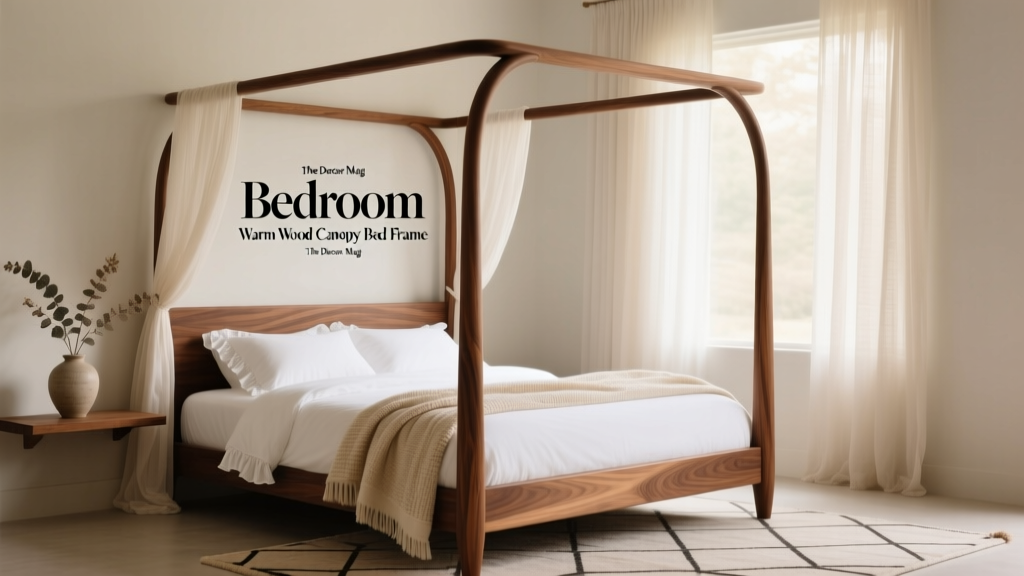 Bedroom Warm Wood Canopy Bed Frame - The Decor Mag
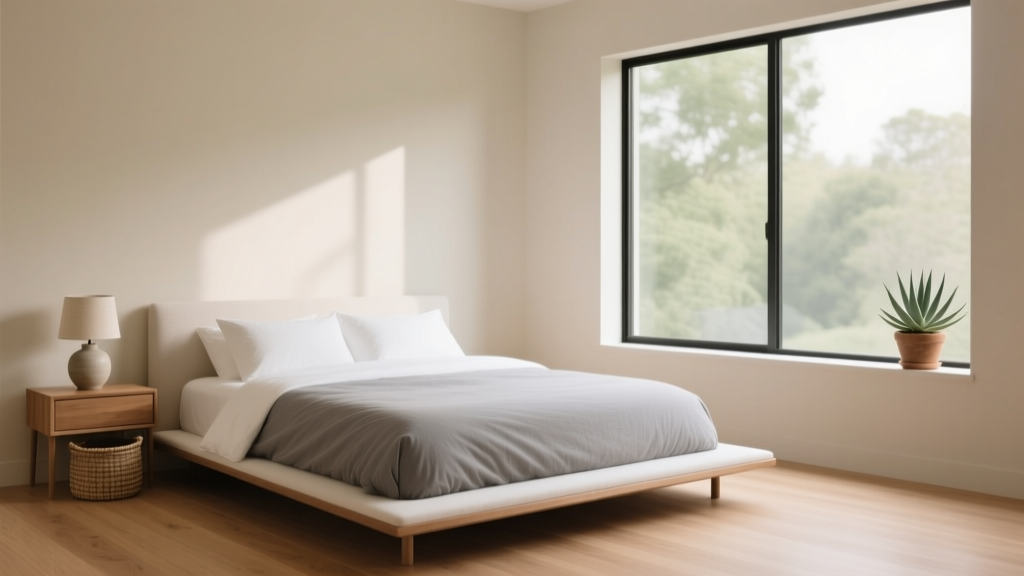 Minimalist Bedroom Styling: Simple Ideas (2026)
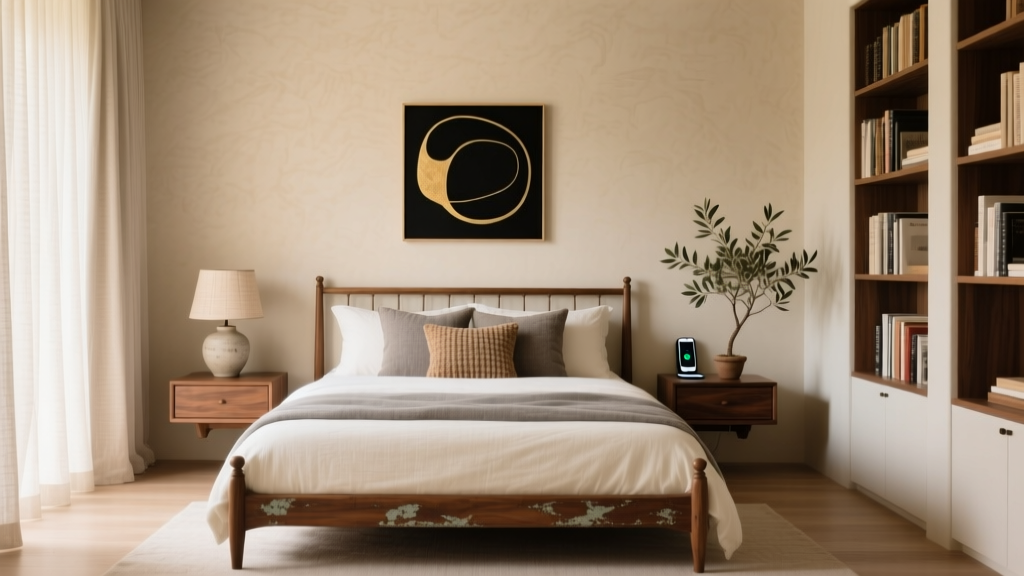 How to Create a Bedroom That Feels Timeless - The Decor Mag
 Scheme Kitchen Design Essentials: Precision, Proportion, and Purpose-Built Functionality
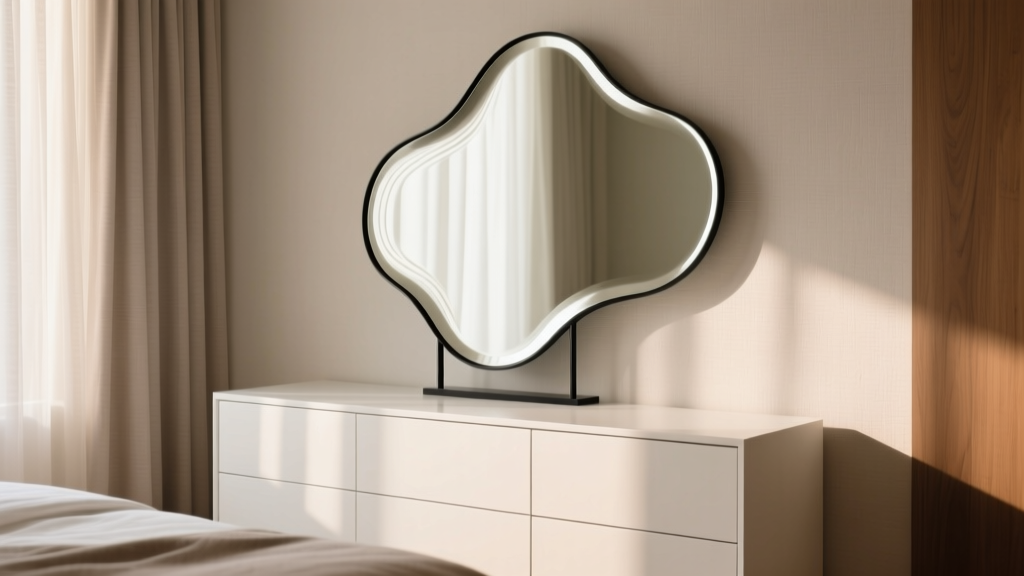 Bedroom Organic Shaped Mirror Above Dresser - The Decor Mag
 How to Choose Bedroom Lighting for Reading - The Decor Mag
 Sustainable Bedroom FAQs Answered: Materials, Certifications, and Real Impact