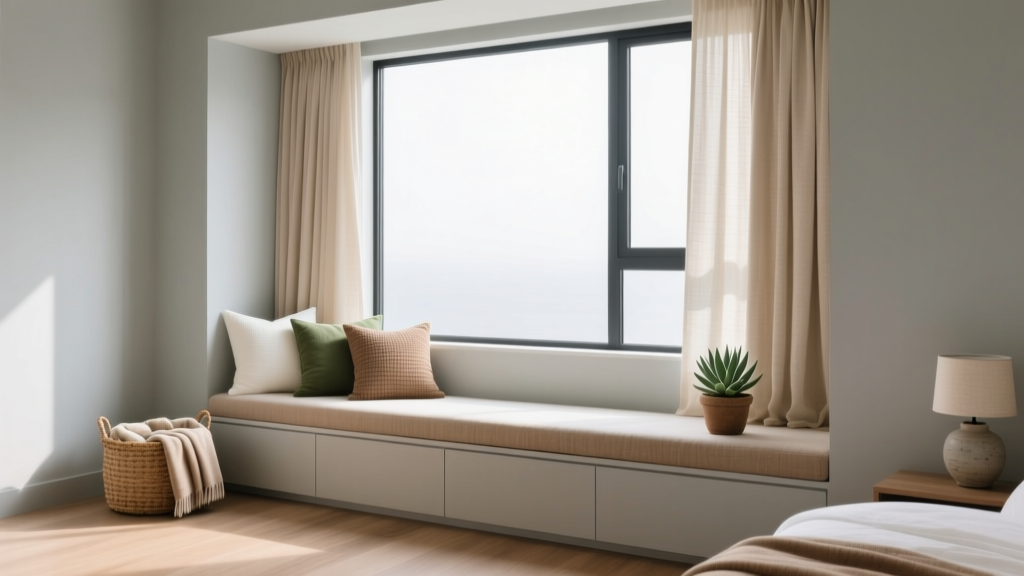
Bedroom Window Seat Design Ideas - The Decor Mag
A bedroom window seat is more than a charming architectural detail—it can become a daily reset button. A well-designed seat creates a soft landing spot for morning light, a quiet place to read, and a gentle transition zone between the pace of the day and the calm your body needs for sleep. When your bedroom supports these small rituals, your sleep environment becomes more predictable, soothing, and restorative.
Design choices in the bedroom—light, color, clutter levels, and comfort—directly affect how quickly you unwind at night and how refreshed you feel in the morning. A window seat can improve bedroom function without adding visual noise: it introduces built-in seating, storage, and a cozy “away-from-the-bed” spot that keeps work, screens, and stress from creeping under your covers.
Whether you own your home or rent, you can create a window nook that looks intentional and feels sleep-friendly. Below are practical bedroom window seat design ideas, including layout options, material recommendations, lighting plans, and budget ranges to help you build a calm, welcoming retreat.
Why a Bedroom Window Seat Supports Better Rest
Sleep wellness is shaped by cues: dimming light in the evening, a tidy visual field, soft textures, and consistent routines. A window seat helps you build those cues into the room.
- Creates a wind-down zone: Reading, journaling, stretching, or breathing exercises can happen here—away from the bed—so the bed stays associated with sleep.
- Boosts daytime light exposure: Morning daylight supports your circadian rhythm, helping you feel sleepy at night and alert during the day.
- Adds storage to reduce clutter: Visual clutter can subtly raise stress. A storage bench or drawers under the seat helps keep the sleep space calm.
- Improves bedroom layout: A well-placed seat can balance furniture, soften an awkward wall, and make the room feel finished.
Assess Your Window and Bedroom Layout First
Measure for Comfort and Proportion
Before choosing cushions or built-ins, start with basic dimensions. Comfort matters more than looks when you want a restful bedroom design.
- Seat height: Aim for 17–19 inches (similar to a chair) for easy sitting.
- Seat depth: 18–22 inches works for upright lounging; 24 inches feels more daybed-like (best with back pillows).
- Clearance: Leave 24–30 inches of walking space in front of the seat so it doesn’t interrupt flow.
- Radiators/vents: Avoid blocking heat sources; heat imbalance can disrupt sleep quality. If a vent is nearby, choose a design that allows airflow.
Choose the Right Type: Built-In vs. Freestanding
Your budget, rental status, and room shape will guide your decision.
- Built-in window seat: Best for homeowners or long-term renters with permission. Looks seamless and can include drawers, cabinets, or a lift-top.
- Freestanding bench: Ideal for renters. A cushioned bench, storage ottoman, or low console can mimic a built-in without construction.
- Daybed-style nook: Works in larger bedrooms or deep bays, offering nap-friendly lounging (keep naps short if nighttime sleep is a challenge).
Budget range:
- DIY renter-friendly setup: $150–$600 (bench + cushion + pillows + lighting)
- Mid-range custom look: $700–$2,000 (semi-custom cabinetry, custom cushion)
- Full built-in with millwork: $2,500–$8,000+ (depending on carpentry, drawers, and finishes)
Design Styles That Work Beautifully in Bedrooms
1) Classic Cozy Nook (Timeless and Sleep-Friendly)
This is the “curl up with a book” look—soft, neutral, and quietly elegant.
- Furniture: Built-in bench or upholstered storage bench with simple legs
- Materials: Painted wood, linen-blend cushion covers, cotton or wool throws
- Colors: Warm whites, oatmeal, greige, muted taupe
- Tip: Add a small closed-lid basket for books or a journal to keep surfaces clear at bedtime.
2) Modern Minimal Window Seat (Calm, Clean Lines)
Minimalism supports rest by reducing visual stimulation. Keep it crisp, but not cold.
- Furniture: Flat-front bench with hidden storage, slab-style drawers, or a streamlined wood bench
- Materials: Light oak, matte painted MDF, boucle accent pillow (in moderation)
- Colors: Soft white, pale gray, clay, sand
- Tip: Choose one statement pillow and one lumbar pillow instead of a pile—easy to reset daily.
3) Romantic Cottage Window Seat (Soft and Layered)
Great for creating a cozy bedroom retreat, especially with traditional trim or older windows.
- Furniture: Built-in with beadboard detail, or a vintage-style bench
- Materials: Cotton ticking stripes, brushed cotton, quilted throws
- Colors: Dusty blue, sage, muted blush, creamy ivory
- Tip: Use blackout shades under airy curtains to keep the look soft while supporting melatonin-friendly darkness at night.
4) Boho-Inspired Window Nook (Warm, Textural, Relaxed)
This style thrives on texture and natural materials—perfect for a grounded, calming sleep environment.
- Furniture: Low bench or platform with floor cushions (best if you’re comfortable rising from low seating)
- Materials: Linen, jute, rattan baskets, chunky knit throw
- Colors: Terracotta, warm beige, caramel, olive
- Tip: Keep patterns within one palette so it feels soothing, not busy.
Window Seat Cushioning and Bedding Choices
Best Cushion Materials for Comfort (and Longevity)
A window seat should feel supportive, not like a decorative afterthought.
- High-resilience foam (2.5–3.0 lb density): Supportive and holds shape; ideal for daily use
- Down-alternative wrap: Adds softness without allergens associated with down
- Wool batting: Naturally temperature regulating and breathable (excellent for sleep-adjacent comfort)
Practical spec to ask for: A 3–5 inch thick cushion with a washable cover (zippered), especially in a bedroom where you want cleanliness and low allergens.
Fabric Picks That Feel Good in a Sleep Space
- Linen or linen-blends: Breathable, relaxed texture, great for warm sleepers
- Brushed cotton: Soft and cozy, good for cooler climates
- Performance fabric (tight weave): Helpful if you snack or drink tea there; choose matte textures to keep it bedroom-appropriate
Budget guidance:
- Ready-made bench cushion: $40–$120
- Semi-custom cushion: $150–$400
- Fully custom cushion (size + fabric + foam): $400–$900+
Lighting Ideas: Create a Soft, Restful Glow
Lighting is one of the most overlooked parts of bedroom decor that affects sleep quality. A window seat should be inviting in the evening without blasting bright light that delays drowsiness.
Layered Lighting That Works
- Wall sconce: Perfect if you want to keep the seat surface clear; choose a warm bulb (2700K or warmer)
- Plug-in swing-arm lamp: Rental-friendly and adjustable for reading
- Small table lamp on a nearby nightstand: Soft ambient glow if you don’t have room for dedicated lighting
- LED strip in a channel (hidden): Subtle, modern, and great as a night light alternative
Sleep-Friendly Bulb and Control Tips
- Color temperature: 2200K–2700K in the evening (warm, candle-like)
- Dimmers: Add a plug-in dimmer or smart bulb so brightness can drop as bedtime approaches
- Avoid blue-heavy light: Skip cool white (4000K+) bulbs in the bedroom
Color and Window Treatments for a Calm Bedroom
Paint Colors That Complement a Window Seat
For a restful bedroom design, choose hues that soften contrast and reduce visual “buzz.”
- Warm neutrals: Cream, oatmeal, soft camel
- Muted greens: Sage, olive-gray (often reads calming and nature-linked)
- Dusty blues: Blue-gray, slate-blue (soothing without feeling cold)
- Earthy blush: A quiet, beige-leaning pink for warmth
Window Treatments That Balance Light and Sleep
- Blackout shades: Best for sleep quality, especially for streetlights or early sunrise
- Light-filtering Roman shades: Beautiful for daytime; pair with blackout liners if needed
- Double-layer approach: Sheer curtains for daytime softness + blackout roller shade for night
Pro comfort tip: If your window seat is where you read at night, keep blackout shades down and use warm task lighting. It helps your brain associate the bedroom with nighttime calm rather than bright stimulation.
Storage and Built-In Details That Reduce Bedroom Clutter
Clutter can increase stress and make it harder to unwind. A window seat is an ideal place for hidden storage that supports a more peaceful sleep environment.
Best Storage Options
- Drawers: Easiest daily access for extra linens, pajamas, or seasonal items
- Lift-top bench: Budget-friendly, but choose soft-close hinges for quiet nighttime use
- Cabinets with doors: Great for keeping visual calm; choose simple knobs or recessed pulls
What to Store There (and What Not to)
- Ideal: Extra throw blanket, pillow covers, reading materials, meditation cushion, spare eye mask
- Avoid: Work files, gym clutter, tangled chargers, or anything that creates a “to-do” feeling at night
Renter-Friendly Bedroom Window Seat Ideas
You don’t need a renovation to get the benefits of a window nook. The goal is a stable, comfortable seat with cozy styling and good lighting.
Simple Setups That Look Built-In
- Storage bench + custom-ish cushion: Buy a bench close to your window width, then order a cushion in a matching size.
- Two small ottomans side-by-side: Works for wide windows; add a single long cushion on top for a seamless look.
- Low bookcase base: Place a sturdy low shelf unit under the window, secure it safely (anti-tip), and top with a cushion for a “banquette” effect.
- Finish trick: Use a curtain panel hung wider than the window to frame the nook and make it feel intentional.
- Noise tip: Add a thick rug or rug pad nearby to soften sound reflections, especially in apartments.
Wellness Upgrades for a More Restorative Bedroom
A window seat can support small habits that improve sleep quality—especially when paired with a few wellness-minded choices.
- Create a screen-free ritual: Keep a book, puzzle, or journal in the seat storage and charge devices outside the nook.
- Support breathing and posture: Add a lumbar pillow and a small footstool if your legs dangle—physical comfort makes relaxation easier.
- Manage temperature: Choose breathable fabrics (linen, cotton, wool). Overheating can fragment sleep.
- Allergen control: Opt for washable covers, vacuum the cushion regularly, and keep the nook free of dusty piles.
- Morning light routine: Spend 5–10 minutes by the window after waking. Natural light exposure helps regulate your circadian rhythm.
Common Mistakes to Avoid
- Making it too deep without back support: Deep seats need substantial pillows or a bolster, otherwise posture feels awkward and you won’t use it.
- Ignoring blackout needs: A beautiful nook won’t help sleep if streetlights pour in. Prioritize effective window treatments.
- Overcrowding with pillows: Too many throw pillows become nightly clutter. Keep it to 2–4 and store extras.
- Choosing scratchy or heat-trapping fabric: If the texture irritates you, it won’t feel calming. Avoid overly stiff upholstery or cheap synthetics that trap heat.
- Blocking airflow: Don’t cover vents or radiators—temperature instability can disrupt rest.
- Too-bright lighting: Cool bulbs and bright overhead light near bedtime can delay sleepiness. Use warm, dimmable light.
FAQ: Bedroom Window Seat Design Ideas
What is the best height for a bedroom window seat?
Most comfortable window seats are 17–19 inches high, similar to a standard chair. If you’re adding a thick cushion, reduce the base height so the finished height stays in that range.
Do I need a custom cushion, or can I buy one off the shelf?
Off-the-shelf cushions work if your bench matches common sizes. For odd window widths or deeper seats, a semi-custom or custom cushion improves comfort and looks more tailored. Expect roughly $150–$900+ depending on size and fabric.
What window treatments work best for sleep and privacy?
A blackout shade is the most sleep-supportive option. If you want softness, layer sheer curtains over a blackout roller shade so you can adjust light for daytime lounging and nighttime darkness.
How do I style a window seat without making the bedroom feel cluttered?
Use a simple formula: one cushion, two pillows, one throw, plus a small basket or hidden storage. Keep colors within the room’s palette and avoid piles of decor items.
Can a window seat work in a small bedroom?
Yes—choose a slim storage bench (around 14–18 inches deep) and keep the area clear. A window seat can replace a bulky chair and add storage, which often makes a small bedroom feel calmer.
What lighting is best for reading on a window seat at night?
A plug-in swing-arm sconce or wall-mounted reading light with a 2700K (or warmer) bulb is ideal. Add a dimmer or smart bulb so brightness can drop as bedtime gets closer.
Next Steps: Build Your Window Seat Retreat
Start with a quick plan: measure your window wall, decide whether you need storage, and pick a cushion setup that feels genuinely comfortable. Then focus on the sleep-friendly layers—blackout window treatments, warm lighting, and calming colors—so the nook supports both daily relaxation and nighttime rest.
- This week: Measure, choose your bench/built-in approach, and set a budget.
- Next: Add a supportive cushion and 2–3 washable pillows in breathable fabrics.
- Finish: Install warm, dimmable lighting and upgrade to blackout shades if needed.
If you’re ready for more calming bedroom design inspiration and sleep-supportive decor ideas, explore the latest guides and room looks on thedecormag.com.
More Articles
 Heirloom Textiles in Bedrooms: Styling Ideas (2026)
 Perfect Mattress for Bedrooms: 2026 Picks
 Bedroom Boucle Fabric Furniture Trend - The Decor Mag
 Best Bedroom Sound Machine Placement - The Decor Mag
 Bedroom Organic Linen Curtain Draping - The Decor Mag
 How to Create a Calming Bedroom Retreat - The Decor Mag
 Scheme Kitchen Design Essentials: Precision, Proportion, and Purpose-Built Functionality
 How to Create a Bedroom That Feels Timeless - The Decor Mag
 Bedroom Low Profile Bed Frame Styles - The Decor Mag
 Bedroom Fluted Headboard Panel Design - The Decor Mag