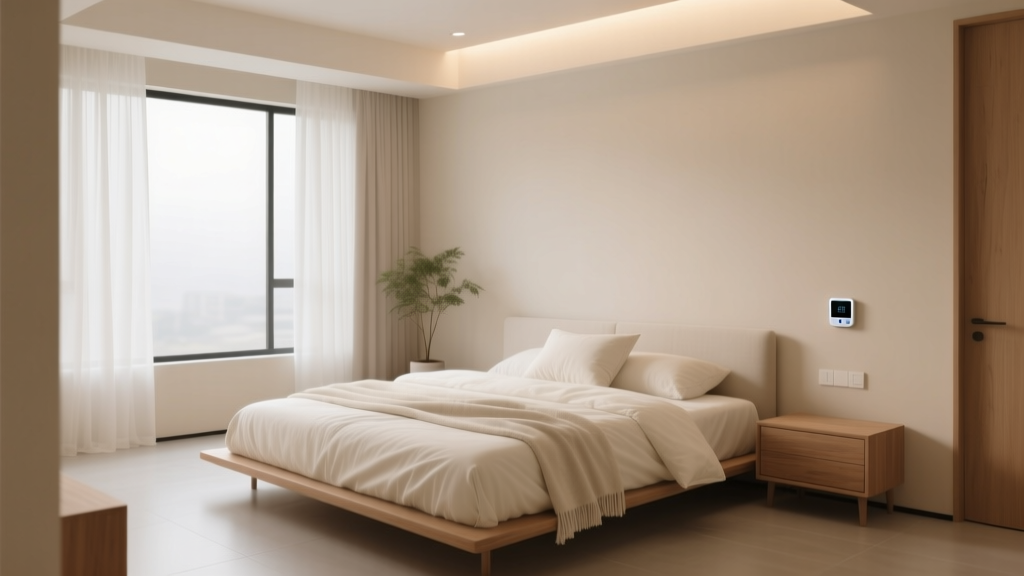
Best Bedroom Sleep Temperature Guide - The Decor Mag
Waking up sweaty at 2 a.m. or shivering under the covers isn’t just annoying—it can quietly erode your sleep quality night after night. Temperature is one of the strongest drivers of comfort, and comfort is what allows your body to slip into deeper, more restorative sleep stages. When your bedroom is too warm or too cold, your brain keeps checking in on your surroundings, and those micro-alerts can disrupt your sleep cycles even if you don’t fully wake up.
The good news: you don’t need a full home renovation to create a better sleep environment. With a few smart upgrades—like choosing breathable bedding materials, adjusting your lighting and window treatments, and rearranging furniture to improve airflow—you can shape a bedroom design that supports cooler, calmer nights (or cozier warmth when needed). This guide breaks down ideal sleep temperature ranges, room-by-room design strategies, and practical product choices for homeowners and renters alike.
What’s the Best Bedroom Sleep Temperature?
Most adults sleep best in a slightly cool room. While personal preference matters, research and sleep clinicians commonly recommend a bedroom temperature range that supports the body’s natural nighttime drop in core temperature.
Recommended temperature range
- Most sleepers: 60–67°F (15.5–19.5°C)
- Warmer preference sleepers: 67–70°F (19.5–21°C)
- Hot sleepers / night sweats: 58–65°F (14.5–18.5°C) plus breathable bedding
Why cooler tends to work better
Your body naturally cools down at night as part of your circadian rhythm. A bedroom that’s slightly cool helps that process along, making it easier to fall asleep and stay asleep. When the room is too warm, your body works harder to shed heat—often leading to tossing, turning, and lighter sleep.
How Bedroom Design Impacts Sleep Temperature
Bedroom decor isn’t just visual—it shapes airflow, heat retention, and how your body feels once you’re under the covers. Think of temperature as a system with four parts: the room (air temperature), the bed (materials touching your skin), the windows (heat gain/loss), and the layout (air movement).
Airflow and layout: small changes, big comfort
- Keep vents clear: Avoid placing a bed, dresser, or hamper directly over a vent. Leave 12–18 inches of clearance where possible.
- Create a “breathing path”: Don’t block the space between windows and the bed with tall furniture. Air needs a clear route.
- Use the right fan placement: A fan across the room is often better than one pointed directly at your face (which can dry eyes and sinuses).
- Reduce heat traps: Heavy upholstered chairs, thick rugs layered over carpet, and bulky bed skirts can all hold warmth.
Furniture choices that support a cooler sleep environment
Some furniture materials hold heat more than others. For a sleep-friendly bedroom design, look for pieces that feel visually light and allow air to circulate.
- Bed frames: Platform or slatted frames that allow airflow under the mattress; avoid solid boxed bases if you sleep hot.
- Nightstands: Open-leg designs (instead of closed cabinets) can help keep the room feeling less “stuffy.”
- Headboards: Wood, cane, or metal headboards tend to retain less heat than thick, fully upholstered headboards.
Budget ranges:
- Slatted bed frame: $120–$450 (budget), $450–$1,200 (mid-range), $1,200+ (premium)
- Cane/wood headboard: $150–$600
- Quality ceiling fan (with quiet motor): $120–$400 plus installation if needed
Choose Bedding That Regulates Temperature (Not Just Feels Soft)
Bedding is the fastest way to change how you sleep tonight. If your room temperature is decent but you still overheat or feel chilled, your sheets, comforter, and mattress layers are usually the issue.
Best sheet materials for temperature control
- Perale cotton (crisp weave): Great for hot sleepers; feels cool and breathable. Look for long-staple cotton if possible.
- Linen: Excellent airflow and moisture-wicking; ideal for humid climates and night sweats.
- Tencel/Lyocell: Smooth, breathable, and good at managing moisture; helpful for people who run warm.
- Wool (for cold sleepers): Surprisingly temperature-regulating; warms without trapping moisture.
Skip or limit: microfiber sheets (often trap heat), very heavy flannel (unless you’re truly cold), and low-quality polyester blends that don’t breathe well.
Comforters, duvets, and blankets: build a layer system
A layered bed is a sleep wellness upgrade because it lets you adjust quickly during the night. Aim for 2–3 layers instead of one overly heavy comforter.
- Hot sleeper setup: lightweight duvet insert + breathable duvet cover (linen or percale) + optional cotton blanket folded at the foot
- Balanced setup: all-season duvet insert + cotton blanket + breathable sheets
- Cold sleeper setup: wool or down-alternative duvet + midweight blanket + flannel or brushed cotton sheets
Material recommendations:
- Duvet fill: wool (great regulator), cotton (breathable), down (warm; choose lighter fill if you overheat), down-alternative with airflow channels
- Duvet cover: linen or percale cotton for cooling; sateen for a slightly warmer feel
Budget ranges:
- Cooling sheet set: $60–$140 (budget), $140–$280 (mid), $280+ (premium)
- Lightweight duvet insert: $80–$180 (budget), $180–$350 (mid), $350+ (premium)
- Wool comforter: typically $220–$600
Mattress and pillow materials that run cooler
- Mattresses: hybrid (coils + comfort layer) often sleeps cooler than dense all-foam; latex also tends to breathe well.
- Mattress toppers: ventilated latex or wool toppers are good for temperature regulation; avoid thick memory foam toppers if you overheat.
- Pillows: shredded latex, buckwheat, or breathable down-alternative with cotton shells; consider a cooling pillow protector if you sweat.
Cooling and Heating Tools That Look Good in a Bedroom
Bedroom design and sleep quality work best when comfort tools blend into the room. You can add temperature control without making the space feel like an office or utility room.
Fans, air circulators, and quiet HVAC upgrades
- Ceiling fan (quiet motor): Best for consistent airflow; choose a style that matches your decor (matte white, natural wood, or black modern).
- Air circulator fan: More effective than a basic box fan for moving air through the room; place it near a doorway to pull cooler air in.
- Portable AC (renters): Choose a dual-hose model for better efficiency; pair with blackout curtains to reduce heat gain.
- Smart thermostat (homeowners): Use a nighttime schedule that gradually cools the room 60–90 minutes before bed.
Window treatments that prevent overheating (or heat loss)
- For hot rooms: blackout curtains or cellular shades to block daytime heat; light-colored curtains reflect more sun.
- For cold rooms: thermal curtains can reduce drafts; ensure the curtain rod extends wider than the window to cover edges.
- Layering tip: sheer + blackout gives daytime light control and nighttime insulation.
Budget ranges:
- Blackout curtain panels: $25–$80 per pair (budget), $80–$200 (mid)
- Cellular shades: $60–$250 per window depending on size and cordless upgrades
- Air circulator fan: $35–$120
Lighting, Colors, and Decor Choices That Support Cooler, Calmer Sleep
Light and color won’t change the thermostat, but they do change how warm a room feels—and how easily your nervous system settles down. A soothing sleep environment reduces stress, which can also reduce night sweating and restlessness.
Best bedroom colors for a cool, restful feel
- Cool neutrals: soft white, oatmeal, greige (choose cooler undertones)
- Soft cool tones: misty blue, sage green, pale gray-blue, dusty lavender
- Accent strategy: keep warm tones (terracotta, mustard) as small accents rather than full-wall color if you’re sensitive to heat
Lighting setup for sleep wellness
- Use warm, dimmable bulbs: 2200K–2700K in bedside lamps to cue relaxation.
- Avoid bright overhead light at night: Rely on layered lighting—table lamps, wall sconces, or plug-in pendant lights.
- Add blackout options: Light leaks can fragment sleep; consider draft-stopping door sweeps and blackout liners if streetlights shine in.
Sleep-Friendly Wellness Tips for Temperature Regulation
Even with the best bedroom decor, habits can override the room’s comfort. These practical adjustments pair well with a temperature-focused bedroom design.
- Time your shower: A warm shower 60–90 minutes before bed can help your body cool afterward, supporting sleep onset.
- Hydrate earlier: Drink enough water during the day; reduce large amounts close to bedtime to avoid wake-ups.
- Limit late alcohol and spicy foods: Both can raise body temperature and trigger night sweats.
- Use a “cool-down kit”: Keep a glass of water and a spare light blanket nearby so you can adjust without fully waking.
- Consider humidity: If the room feels sticky, a dehumidifier can make the same temperature feel cooler.
Common Bedroom Temperature Mistakes to Avoid
- Overcorrecting with one heavy comforter: Layering is more adaptable and usually more comfortable.
- Choosing bedding by thread count alone: Weave and fiber matter more; percale and linen typically sleep cooler than sateen.
- Blocking vents with furniture: A gorgeous bed placement can backfire if it stops airflow.
- Ignoring window heat gain: If the sun hits your bedroom, window treatments often do more than a stronger fan.
- Using harsh lighting at night: Bright, cool-toned bulbs can delay sleepiness and make temperature discomfort feel worse.
- Sleeping on heat-trapping foam toppers: If you love the feel, choose a ventilated or gel-infused option—but know that airflow layers often work better.
A Simple Step-by-Step Plan to Find Your Ideal Sleep Temperature
- Set a baseline: Try 66°F (19°C) for three nights with the same bedding.
- Adjust by 1–2 degrees: If you wake sweaty, lower the thermostat slightly; if you wake tense or cold, raise it slightly.
- Upgrade your first layer: Switch to percale, linen, or Tencel sheets before buying a new mattress.
- Add airflow: Try an air circulator fan aimed to move air around the room, not directly at your face.
- Control the windows: Add blackout or thermal curtains based on your room’s issue (heat gain vs drafts).
- Refine with a seasonal swap: Keep a warm-weather duvet insert and a cool-weather insert to rotate.
FAQ: Bedroom Sleep Temperature and Design
What temperature should I set my bedroom to at night?
A comfortable starting point is 60–67°F (15.5–19.5°C). Many people land around 65–66°F, then adjust based on whether they wake up too warm or too cold.
How can I keep my bedroom cool without AC?
Focus on heat reduction and airflow:
- Use blackout curtains or cellular shades during the day
- Run an air circulator fan to move air through the room
- Sleep with percale, linen, or Tencel sheets
- Reduce heat sources (old bulbs, electronics charging on the nightstand)
Do cooling sheets really work?
Yes—when they’re made from breathable fibers and weaves. Percale cotton, linen, and Tencel are reliable for improving airflow and moisture control. “Cooling” microfiber often doesn’t breathe as well, even if it feels slick at first.
What bedding is best for night sweats?
Look for moisture-wicking, breathable layers:
- Linen or Tencel sheets
- Lightweight duvet insert (wool can be excellent for regulation)
- Washable mattress protector that doesn’t crinkle and still breathes
- A spare cotton blanket for flexible layering
Is a ceiling fan worth it for better sleep?
For many bedrooms, yes. A quiet ceiling fan provides consistent airflow, helps the room feel cooler, and can reduce the need to drop the thermostat as low. Choose a style that fits your bedroom decor and a motor known for quiet operation.
How do I make a cold bedroom feel warmer without overheating?
Insulate and layer strategically:
- Add thermal curtains to reduce drafts
- Use a wool blanket or wool comforter (warm but breathable)
- Try a flannel or brushed cotton sheet set in winter
- Seal door gaps with a door sweep to reduce cold air leaks
Next Steps for a Better Sleep Environment
Start with one change that matches your biggest issue: if you wake up hot, switch to breathable sheets and a lighter duvet insert; if your room swings in temperature, add window treatments and improve airflow with a fan. Then fine-tune your thermostat by small increments until your bedroom feels consistently comfortable. A thoughtfully designed bedroom—layout, bedding, lighting, and decor working together—can make falling asleep feel easier and staying asleep feel natural.
For more calming bedroom design ideas, sleep-friendly decor tips, and practical guides to upgrade your space, explore the latest on thedecormag.com.
More Articles
 Bedroom Fluted Wood Dresser Trend - The Decor Mag
 Bedroom Organic Cotton Bedding Guide - The Decor Mag
 How to Style a Bedroom with Earth Tones - The Decor Mag
 Bedroom Curved Headboard Upholstery Trend - The Decor Mag
 How to Choose Bedroom Quilt Style - The Decor Mag
 Bedroom Fluted Nightstand with Stone Top - The Decor Mag
 Bedroom Channel Tufted Headboard Guide - The Decor Mag
 Best Bedroom Water Glass Bedside - The Decor Mag
 Cozy Farmhouse Bedroom Decor Inspiration - The Decor Mag
 Bedroom Floating Nightstand Ideas - The Decor Mag