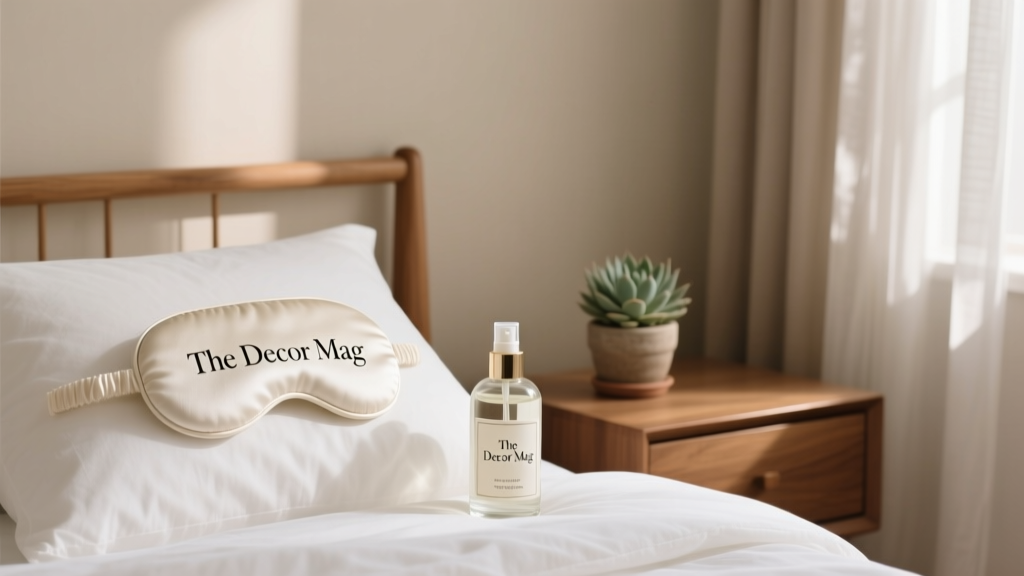
Best Bedroom Sleep Mask and Pillow Spray - The Decor Mag
Most bedrooms look “finished” long before they feel restorative. You can have a beautiful bed frame, stylish nightstands, and the right paint color—yet still lie awake because light slips around the curtains, your mind won’t downshift, or the room doesn’t signal safety and calm. Sleep masks and pillow sprays are two small tools that make an outsized difference because they work directly with the sleep environment: blocking disruptive light and building a relaxing scent cue at bedtime.
For homeowners and renters alike, these are low-commitment upgrades that pair naturally with smart bedroom design. A good sleep mask supports darkness and comfort without tugging at your skin or hair. A well-chosen pillow spray can become part of a soothing wind-down ritual, especially when your bedroom decor and lighting already encourage quiet. Together, they help your space feel less like a multi-purpose room and more like a dedicated sleep sanctuary.
Below you’ll find practical, expert guidance on choosing the best bedroom sleep mask and pillow spray—plus the decor and layout tweaks that help them work even better.
Why Sleep Masks and Pillow Sprays Work (When the Bedroom Supports Them)
Darkness is a design feature
Light is one of the most common sleep disruptors in modern homes: streetlights, charging LEDs, hallway glow, early sunrise. A sleep mask creates instant, portable darkness—useful even in a well-designed bedroom—while also serving as a gentle boundary between “awake time” and “rest time.”
Scent becomes a consistent bedtime cue
Pillow sprays are less about “knocking you out” and more about conditioning your body to associate a particular aroma with sleep. When used consistently, a light, calming scent can become part of a reliable bedtime routine—especially when paired with warm lighting, soft textures, and a clutter-free bedroom layout.
They solve renter-friendly problems
- No drilling or permanent changes required
- Easy to pack for travel or overnight guests
- Affordable compared to major decor updates
How to Choose the Best Bedroom Sleep Mask
The best sleep mask is the one you can forget you’re wearing. Look for comfort, true light-blocking, and skin-friendly materials—then match the style to your sleep position and bedroom habits.
1) Pick the right mask style for your sleep position
- Contoured (3D) sleep masks: Ideal if you dislike pressure on your eyelids, have eyelash extensions, or toss and turn. The molded eye cups help prevent smudged skincare and reduce “mask rub.”
- Flat, classic masks: Simple and often more affordable; best for side sleepers if the edges are soft and the strap sits comfortably without buckles pressing into your head.
- Wraparound or wide-band masks: Great for people sensitive to light leaks and for those who want extra coverage around the temples. Often more stable for active sleepers.
2) Prioritize skin-friendly, breathable materials
Because the mask sits against delicate facial skin, fabric choice matters for comfort and long-term wear.
- Mulberry silk (19–22 momme): Smooth, gentle on skin and hair, and naturally breathable. A strong pick if you wake with face creases or frizz.
- Bamboo viscose or TENCEL™ lyocell: Soft, cooling, and helpful if you sleep warm.
- Cotton sateen: Breathable and easy to wash, though it can feel less “slip” than silk.
- Memory foam (in contoured masks): Good light-blocking and comfort, but choose breathable covers to avoid heat buildup.
3) Look for a strap that doesn’t wake you up
- Adjustable, snag-free straps: Prefer sliders over hook-and-loop when possible; Velcro can catch hair and wear out.
- Wide elastic bands: Distribute pressure and reduce headaches.
- Low-profile hardware: If you sleep on your side, avoid bulky buckles that press into your head or pillow.
4) Check for true blackout coverage
Even tiny light leaks can be stimulating, especially in early morning. A mask with a gentle nose bridge contour tends to block light better than a straight-cut edge.
Recommended sleep mask types (with budget ranges)
- Best overall for most sleepers: Contoured 3D mask with breathable cover (approx. $15–$35)
- Best for sensitive skin and hair: 100% mulberry silk mask, 19–22 momme (approx. $25–$60)
- Best budget option: Soft, flat cotton or microfiber mask with adjustable strap (approx. $8–$15)
- Best for frequent travelers: Lightweight blackout mask + earplug case set (approx. $15–$40)
How to Choose the Best Pillow Spray (Without Overpowering Your Room)
Pillow sprays should feel like a whisper, not an air freshener. The goal is a subtle, clean scent that supports relaxation and doesn’t cling too heavily to bedding.
1) Choose calming scent profiles that suit a sleep environment
- Lavender: Classic bedtime scent; best when balanced (not sharp or medicinal).
- Chamomile: Soft and cozy, often blends well with lavender.
- Bergamot: Gentle citrus-floral that feels airy and clean.
- Cedarwood or sandalwood: Grounding, warm, and especially nice in minimalist bedroom decor.
- Vanilla (light): Comforting, but keep it subtle to avoid feeling cloying.
2) Read labels for fabric-friendliness
Look for sprays intended for textiles and bedding. If you’re sensitive or you’ve invested in quality linens, avoid formulas that can leave residue.
- Good signs: Water-based, low-residue, designed for linens, clear usage directions
- Use caution with: Very oily sprays, heavy dyes, or anything that stains
3) Match your spray to your bedding materials
- For linen or cotton percale: Almost any gentle linen spray works; these fabrics breathe well and dry quickly.
- For silk pillowcases: Use a very fine mist and avoid direct saturation; test a corner first.
- For memory foam pillows: Spray the pillowcase, not the foam; allow it to dry before sleep.
Recommended pillow spray types (with budget ranges)
- Best everyday option: Water-based lavender/chamomile linen mist (approx. $12–$25)
- Best “spa bedroom” vibe: Bergamot + cedarwood blend (approx. $18–$35)
- Best for scent-sensitive sleepers: Very lightly fragranced or unscented “calming” mist (approx. $10–$22)
- Luxury treat: Fine fragrance-grade linen spray in an amber glass bottle (approx. $30–$60)
Bedroom Design Tweaks That Make Masks and Sprays Even More Effective
Sleep accessories shine when the bedroom design supports rest: darkness, quiet, comfortable temperature, and a visual sense of ease. These decor updates are practical for both renters and homeowners.
Lighting: create a sunset-like glow
- Use warm bulbs: 2200K–2700K for bedside lamps to soften the room at night.
- Add layered lighting: A bedside lamp + a dimmable floor lamp helps you avoid harsh overhead light.
- Control LED clutter: Cover bright electronics with small adhesive light-dimming stickers or place them inside a drawer at night.
Colors: choose calming, low-contrast palettes
Your bedroom color palette influences how visually “busy” the space feels when you’re trying to unwind.
- Best wall colors for sleep: Warm whites, soft greige, muted sage, dusty blue, clay-beige.
- Accent colors that stay restful: Deep olive, navy, charcoal, terracotta in small doses (pillows, art, throw).
Bedding: textures that support comfort and temperature control
- Sheets: Cotton percale for crisp and cool; cotton sateen for silky warmth; linen for breathable texture; bamboo/TENCEL™ for a smooth, cooling feel.
- Comforter/duvet: Choose a weight that matches your climate; keep a lighter option for summer and a warmer insert for winter.
- Pillowcases: Silk or satin can reduce friction on skin and hair; percale feels cool and fresh.
Layout: reduce visual stress and improve flow
- Keep the bed the focal point: Anchor it with a headboard or substantial pillows, then minimize competing focal points.
- Create a “landing zone” for sleep tools: Place a small tray on your nightstand for your sleep mask, pillow spray, hand cream, and a book.
- Clear a pathway: Avoid squeezing furniture too tightly around the bed—ease of movement supports a calmer mind.
Furniture and decor recommendations (practical and budget-aware)
- Nightstands: Choose one with a drawer to hide chargers and clutter (approx. $80–$250 each; budget-friendly sets often run $140–$300).
- Blackout curtains or lined drapes: Even if you use a sleep mask, darkening the room reduces early-morning light spikes (approx. $30–$120 per panel depending on lining and length).
- Soft rug underfoot: Adds quiet and warmth, especially in rentals with hard floors (approx. $60–$250 for 5’x7’).
- Upholstered or wood headboard: Visually softens the room and supports reading in bed (approx. $120–$500).
How to Build a Simple Night Routine With a Sleep Mask and Pillow Spray
A calm bedroom routine works best when it’s repeatable. Aim for consistency rather than complexity.
- Dim the room 30–60 minutes before bed: Switch to warm bedside lighting; avoid overhead lights.
- Lightly mist the pillowcase: 1–3 sprays from 8–12 inches away. Let it dry for a minute.
- Set your sleep mask within reach: Keep it on a clean tray or inside your nightstand drawer.
- Wind down with one quiet activity: Reading, gentle stretching, or a short breathing exercise.
- Put on the mask after you settle: Adjust the strap so it’s snug but not tight; check for light leaks.
Sleep-Friendly Wellness Tips to Pair With Bedroom Decor
- Temperature matters: Most people sleep better in a cool room. Use breathable bedding and keep heavy throws folded at the foot of the bed for easy layering.
- Reduce nighttime noise: If your home is lively, consider a white noise machine or a small fan to soften sudden sounds.
- Protect your skin barrier: If you use a mask nightly, keep it clean and avoid heavily fragranced sprays near your face.
- Make mornings gentler: If you rely on a sleep mask because mornings are too bright, consider adding blackout curtains so you’re not depending on one tool alone.
Common Mistakes to Avoid
- Buying a mask that’s too tight: Pressure can cause headaches, sinus discomfort, or wake-ups. A good fit is secure without squeezing.
- Choosing scratchy or heat-trapping fabrics: Stiff synthetic materials can irritate skin and feel hot by 3 a.m.
- Over-spraying the pillow: Heavy scent can become cloying, trigger sneezing, or transfer to hair and skin.
- Spraying directly onto foam pillows: Moisture can linger; spray the pillowcase instead and allow it to dry.
- Ignoring the bigger bedroom setup: A sleep mask can’t fully compensate for glaring overhead lights, cluttered surfaces, or bright electronics at eye level.
- Skipping cleaning: Masks collect skincare, sweat, and oils. Wash regularly based on the label to keep your sleep environment fresh.
FAQ: Bedroom Sleep Masks and Pillow Sprays
What is the best material for a sleep mask?
Mulberry silk (around 19–22 momme) is a top choice for comfort and skin friendliness, while bamboo/TENCEL™ styles suit hot sleepers. For maximum blackout, a contoured mask with a breathable cover is often the most practical.
Do pillow sprays actually help you sleep?
Pillow sprays can support sleep by creating a consistent, relaxing scent cue as part of your bedtime routine. They work best alongside a calming bedroom design—warm lighting, comfortable bedding, and reduced clutter.
How often should I wash a sleep mask?
If you use it nightly, washing once a week is a good baseline (or more often if you wear heavy skincare). Follow the care label—silk usually prefers gentle detergent and air drying.
Will pillow spray stain my bedding?
Most linen sprays formulated for textiles should not stain when used lightly, but it depends on ingredients. Test a small, hidden area first, especially on silk pillowcases or dark bedding.
What scents are best for a relaxing bedroom?
Lavender, chamomile, bergamot, and soft woods like cedarwood are popular for a sleep-friendly bedroom. If you’re scent-sensitive, choose a lightly fragranced mist and use fewer sprays.
Is a sleep mask necessary if I already have blackout curtains?
Not always, but it can still be helpful for early morning light leaks, travel, naps, or if a partner uses a bedside lamp. Many people like having both: curtains for overall bedroom darkness and a mask for personal control.
Next Steps: Make Your Bedroom Feel Like a Sleep Sanctuary
If you want a bedroom that supports deeper rest, start small and build from there. Choose a comfortable sleep mask that truly blocks light, select a pillow spray with a subtle calming scent, and then reinforce the effect with warm lighting, breathable bedding, and a tidy nightstand setup. These shifts are budget-friendly, renter-friendly, and immediately noticeable—because they work with your body’s need for darkness, comfort, and calm.
For more soothing bedroom decor ideas, sleep environment upgrades, and practical styling tips, explore the latest guides on thedecormag.com.
More Articles
 Bedroom Wingback Headboard Design - The Decor Mag
 Small Bedroom Design Tricks to Maximize Space (2026)
 How to Style a Bedroom with Neutral Tones - The Decor Mag
 Best Bedroom Aromatherapy Diffuser Blend - The Decor Mag
 Bedroom Reeded Wood Mirror Frame - The Decor Mag
 Bedroom Warm Limewash Bedroom Walls - The Decor Mag
 Best Bedroom Scarf and Accessory Storage - The Decor Mag
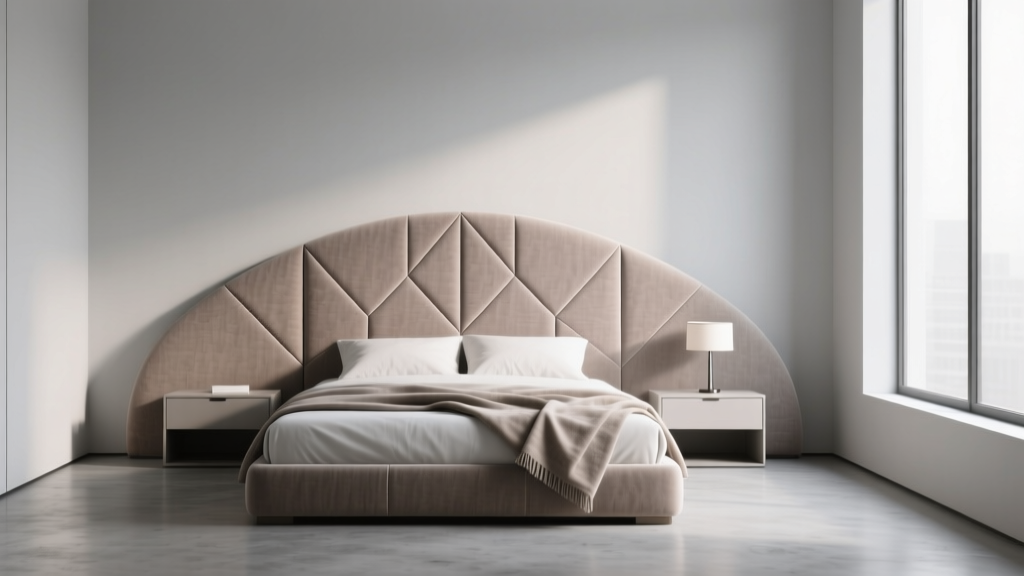 Bedroom Curved Headboard Upholstery Trend - The Decor Mag
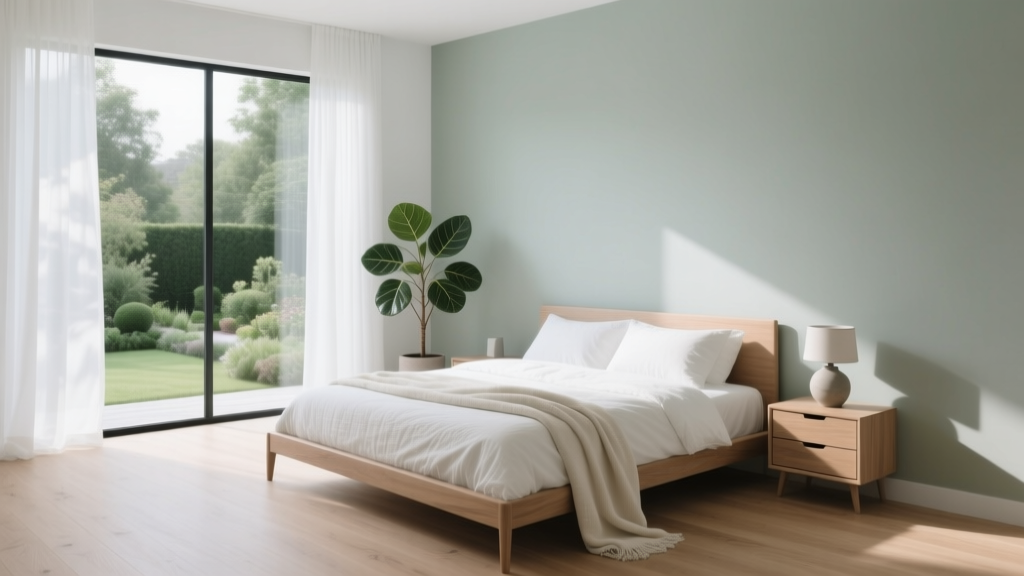 Cool Summer Bedroom: Sleep Better in Heat (2026)
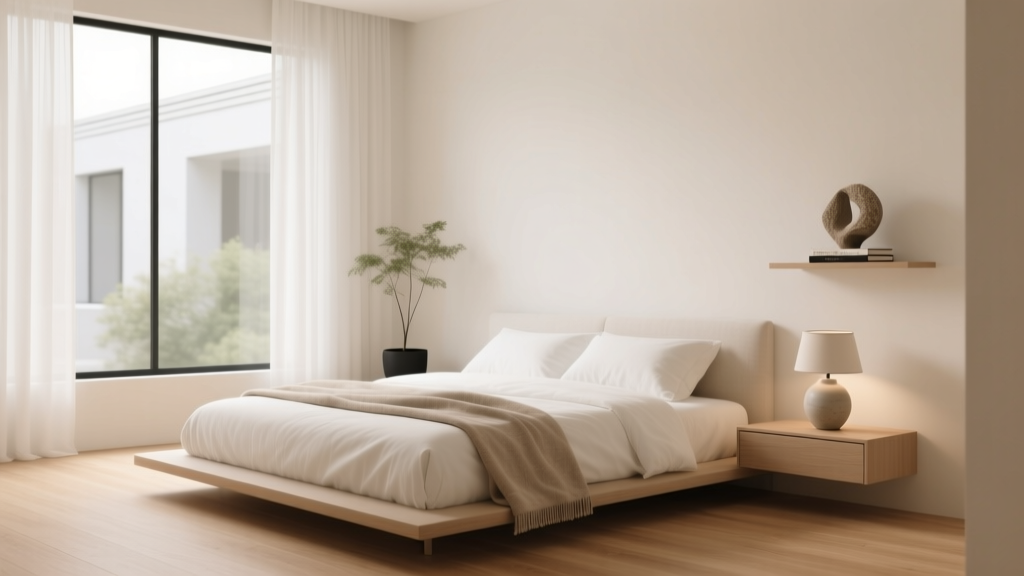 Minimalist Bedroom Design Guide - The Decor Mag