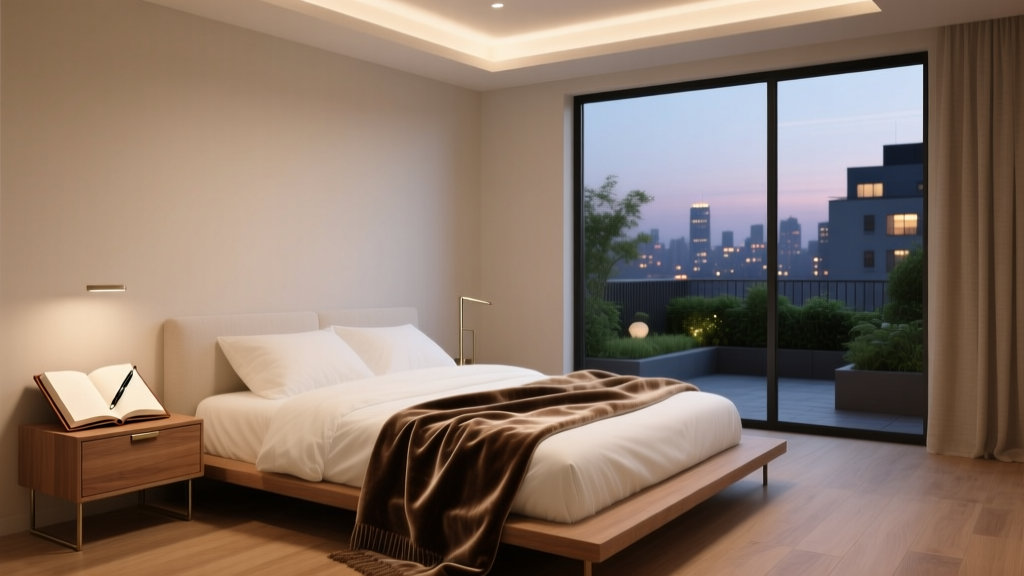
Best Bedroom Sleep Journal Writing Prompts - The Decor Mag
Your bedroom is more than a place to store clothes and charge your phone. It’s the environment that sets the tone for your nervous system each night—through light, sound, texture, temperature, and the subtle signals of clutter or calm. When your bedroom design supports rest, your body gets the message that it’s safe to power down. When it doesn’t, sleep can turn into a nightly negotiation.
A sleep journal bridges the gap between how your bedroom looks and how you actually sleep in it. A few quiet minutes of writing helps you notice patterns: the pillow that strains your neck, the lamp that’s too bright, the late-night scrolling that spikes alertness, or the bedding that traps heat. Over time, journaling turns “I’m tired” into specific, fixable insights—and makes it easier to create a sleep-friendly bedroom that feels genuinely restorative.
Below you’ll find the best bedroom sleep journal writing prompts, plus practical decor and wellness ideas—furniture, bedding, lighting, colors, and layout—so your space supports your sleep routine night after night.
How to Use a Sleep Journal in the Bedroom (Without Making It Another Chore)
The most effective sleep journal is the one you’ll actually use. Keep it simple, keep it nearby, and keep it paired with a calming bedroom ritual.
Set up a “journal-ready” nightstand
- Place the journal in arm’s reach (top drawer or a dedicated tray on the nightstand).
- Use a soft-glow light source: a bedside lamp with a warm bulb (2700K or lower) or an amber night light.
- Choose one good pen so you’re not hunting around. A smooth rollerball reduces friction and makes writing feel easier.
- Keep it low stimulation: avoid storing chargers, tablets, and work items on the same surface.
A realistic nightly rhythm (3–7 minutes)
- One line recap: “Tonight my body feels…”
- Two quick prompts (choose from sections below).
- One micro-action for tomorrow’s bedroom setup (example: “Put eye mask on nightstand at 9 pm”).
Sleep journal formats that work
- Bound notebook (best for consistency and reduced screen time).
- Guided sleep journal with checkboxes (best if you want structure).
- Index cards in a small box (best for renters or minimalists; easy to keep tidy).
Best Bedroom Sleep Journal Writing Prompts (Organized by What Impacts Sleep)
Use these prompts as a menu. You don’t need to answer all of them—rotate them based on what you’re troubleshooting: sleep onset, nighttime wake-ups, overheating, stress, or bedroom clutter.
1) Prompts for your bedroom environment (light, noise, air, temperature)
- What was the brightest light I saw in the last hour before bed?
- Did my bedroom feel more cozy or stimulating tonight? What detail caused that?
- What sounds did I notice (neighbors, HVAC, traffic)? How did my body respond?
- How did the air feel—dry, stuffy, fresh, cool?
- What was my best guess of the room temperature? Did I wake up hot or cold?
- If my bedroom were a hotel room, what would I change immediately to sleep better?
Bedroom design tie-in: Your journal answers will point to practical decor fixes: blackout curtains, softer bulbs, a quieter fan, or breathable bedding materials.
2) Prompts for bedding comfort (mattress, pillow, sheets)
- Where did I feel tension in my body (neck, shoulders, hips, lower back)?
- Did my pillow feel too high, too flat, or just right?
- Did my sheets feel cool and smooth—or did they cling and trap heat?
- What woke me up: pressure points, temperature, noise, or thoughts?
- What position did I fall asleep in, and did I stay there?
- If I could upgrade one bedding item first, what would it be—and why?
3) Prompts for stress relief and winding down
- What thought is looping tonight? What do I want to tell my brain: “Not now” or “Tomorrow at 10am”?
- What does “rest” mean to me tonight—sleep, stillness, quiet, comfort?
- What’s one thing that went well today (even small)?
- What am I carrying physically (jaw tension, clenched hands, tight chest)?
- What is one gentle boundary I can set around bedtime this week?
4) Prompts for bedroom clutter and visual calm
- What is the first thing I see when I enter my bedroom—does it calm me?
- What object feels “loud” visually (laundry pile, paperwork, busy art, bright storage)?
- What could I put away in under 60 seconds to make the room feel lighter?
- What do I keep in the bedroom that doesn’t support sleep?
- How would my breathing change if the floor and nightstand were clear?
5) Prompts for routines, habits, and timing
- What time did I last eat? Did it affect my comfort?
- How late did I scroll, watch, or work in bed?
- What time did I dim the lights?
- What helped most tonight: shower, reading, stretching, tea, or music?
- What’s one small change to try tomorrow: earlier wind-down, cooler room, different pillow?
6) Prompts for morning reflection (the fastest way to spot patterns)
- How many times do I remember waking?
- When I woke up, what did I notice first: temperature, noise, discomfort, anxiety?
- What’s my energy level right now (1–10)?
- Did I wake up with dry mouth, headache, or stiffness?
- What’s one bedroom adjustment that might help tonight?
Bedroom Design Recommendations That Support Sleep (Furniture, Bedding, Lighting, Colors, Layout)
Your sleep environment is a system. A few targeted upgrades—often inexpensive—can change how quickly you fall asleep and how deeply you rest.
Nightstand setup: calm and functional
- Choose a nightstand with at least one drawer to hide visual clutter (chargers, hand cream, tissues).
- Use a small tray for the essentials: journal, pen, lip balm, earplugs.
- Budget ranges:
- $50–$150: basic nightstand, floating shelf, or slim table
- $150–$400: solid wood, soft-close drawer, better stability
Bedding materials: prioritize breathability and sensory comfort
- Sheets:
- Cotton percale (crisp, cool) for hot sleepers
- Cotton sateen (smooth, slightly warmer) for cooler rooms
- Linen (highly breathable, relaxed texture) for temperature regulation
- Duvet and blanket strategy: Layering beats one heavy comforter. Try a breathable duvet insert plus a light cotton blanket so you can adjust easily.
- Pillows:
- Side sleepers often do well with a medium to high loft
- Back sleepers usually prefer medium loft with neck support
- Stomach sleepers typically need low loft
- Budget ranges:
- $40–$90: basic cotton sheet sets, lightweight throws
- $100–$250: quality percale/linen sheet sets
- $80–$200: supportive pillow (including adjustable-fill options)
Lighting: the simplest high-impact sleep upgrade
- Use warm bulbs (ideally 2200K–2700K) in bedside lamps.
- Add dimmable lighting so you can taper the room into nighttime mode.
- Limit overhead lighting at night; it keeps the room feeling “daytime active.”
- Consider blackout curtains if streetlights or early sunrise disrupt sleep.
- Budget ranges:
- $10–$30: warm LED bulbs, plug-in dimmers
- $30–$120: table lamp or wall-mounted sconce
- $40–$200: blackout curtain panels and a wraparound rod
Colors and decor: quieter visuals, calmer nervous system
- Wall colors: soft warm neutrals, gentle greige, muted sage, dusty blue, and clay-leaning tones can read as restful in evening light.
- Avoid overly glossy finishes near the bed; they reflect light and can feel stimulating.
- Art placement: choose one or two calm pieces rather than a busy gallery wall right above the pillow.
- Texture over pattern: add interest with knit throws, linen shams, or a wool blend rug instead of high-contrast prints.
Layout tweaks that make a bedroom feel more sleep-friendly
- Create a clear path from the door to the bed to reduce subconscious stress.
- Anchor the bed with a headboard or wall placement that feels secure; a simple upholstered headboard can also soften sound.
- Keep work zones out of sight if possible (even a folding screen or curtain divider helps renters).
- Airflow matters: a quiet fan or an unobtrusive air purifier can improve comfort and white noise.
Sleep-Friendly Wellness Tips to Pair With Journaling
- Try a “thought parking” line: Write the top worry and the earliest time you’ll address it tomorrow.
- Use scent sparingly: If fragrance helps you relax, keep it consistent and subtle (linen spray or diffuser on a timer). Strong scents can be stimulating.
- Keep hydration practical: A small lidded water bottle on the nightstand reduces disruptions.
- Support circadian rhythm with light: Bright daylight in the morning, dim light at night. Your bedroom lighting should match the schedule you want.
- Protect the bed’s “sleep association”: Aim to reserve the bed for sleep and intimacy—journal on the edge of the bed or in a nearby chair if you tend to spiral.
Common Mistakes to Avoid
- Turning journaling into a long self-analysis session that increases alertness. Cap it at 3–7 minutes.
- Using bright, cool-toned bulbs in bedside lamps. A sleep-friendly bedroom thrives on warm light.
- Overstuffing the nightstand with clutter (old cups, receipts, skincare backlog). Visual noise can translate into mental noise.
- Buying bedding based on looks alone rather than breathability and feel. If you sleep hot, prioritize linen or percale over heavy synthetics.
- Keeping the bedroom as a multipurpose storage zone without boundaries. Even renters can define a calm sleep corner with a rug, lamp, and tidy nightstand.
- Chasing perfection—changing everything at once. Journal first, then make one improvement, then reassess.
FAQ: Bedroom Sleep Journaling and Sleep Environment Design
How often should I write in a sleep journal?
Most people benefit from 3–5 nights per week. Consistency matters more than volume. If you’re troubleshooting a specific issue (waking at 3 a.m., overheating), try daily journaling for two weeks to spot patterns.
What should I write if I’m too tired to journal?
Use a one-minute template: (1) “Energy level: ___/10” (2) “Biggest sleep barrier tonight:” (3) “One small fix for tomorrow:”. Keeping the journal on the nightstand with a pen makes this easy.
Can bedroom decor really affect sleep quality?
Yes. Lighting temperature, window treatments, noise control, bedding materials, and clutter levels all influence how relaxed your body feels at bedtime. A sleep-friendly bedroom reduces stimulation and supports comfort, which helps sleep onset and fewer nighttime disruptions.
What are the best bedroom colors for sleep?
Muted, low-contrast colors tend to feel calmer at night: warm off-whites, soft taupe, gentle greige, dusty blue, muted sage, and clay-leaning neutrals. The most sleep-supportive choice is the one that feels visually quiet in your room’s evening light.
I rent—what are the best low-budget bedroom upgrades for better sleep?
Focus on reversible changes: blackout curtains ($40–$200), warm bulbs ($10–$30), a breathable sheet set ($40–$250), a supportive pillow ($80–$200), and a small lidded basket for nightstand clutter ($15–$40). These upgrades improve your sleep environment without altering the space permanently.
Should I journal in bed or somewhere else?
If writing relaxes you, journaling in bed under a warm lamp is fine. If it triggers overthinking, journal in a nearby chair or at a small desk, then return to bed only when you feel sleepy.
Next Steps: Build a Bedroom Routine That Actually Supports Rest
Tonight, choose three prompts—one about your bedroom environment, one about bedding comfort, and one about your mind—and write for five minutes under warm, dim lighting. Tomorrow, make one simple change based on what you learned: clear the nightstand, swap to a warmer bulb, add a blackout panel, or adjust your bedding layers. Small shifts in bedroom design add up quickly when you’re paying attention.
For more calming bedroom decor, sleep-friendly layouts, and practical design ideas, explore more guides and inspiration on thedecormag.com.
More Articles
 Best Bedroom Lingerie Drawer Organizers - The Decor Mag
 Bedroom Natural Jute Rug Under Bed - The Decor Mag
 Best Bedroom Scarf and Accessory Storage - The Decor Mag
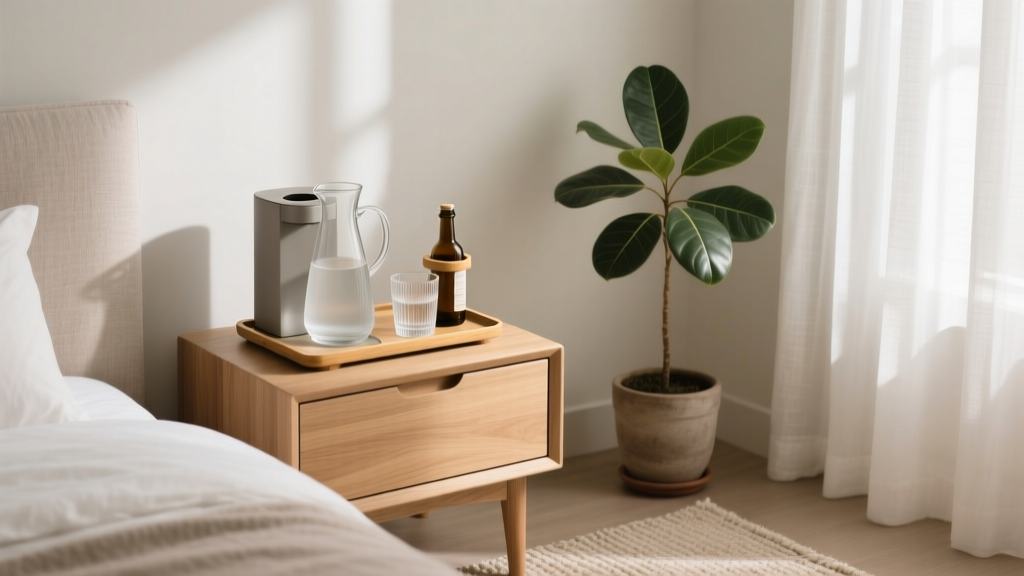 Best Bedroom Bedside Hydration Station - The Decor Mag
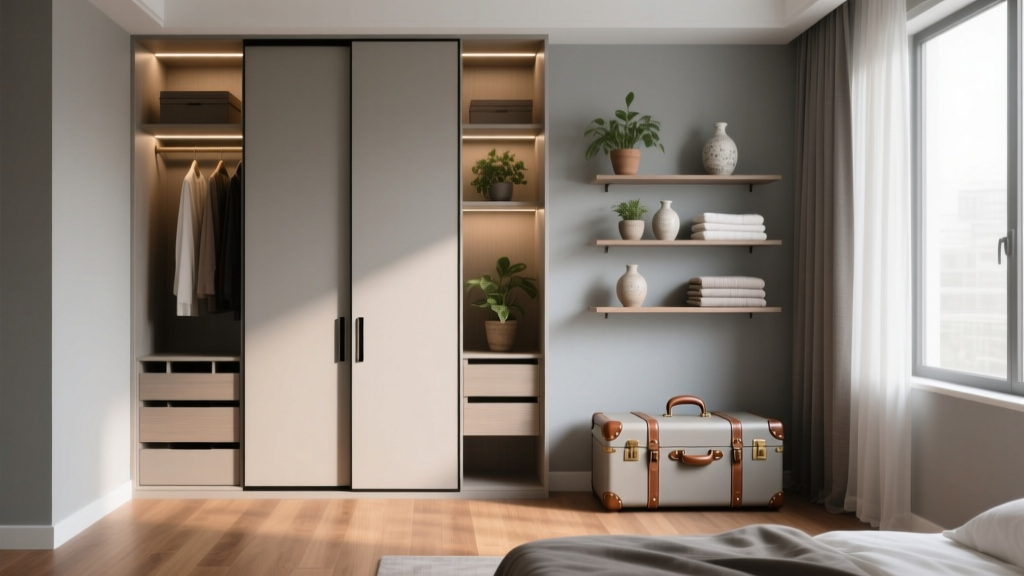 Best Bedroom Luggage Storage Solutions - The Decor Mag
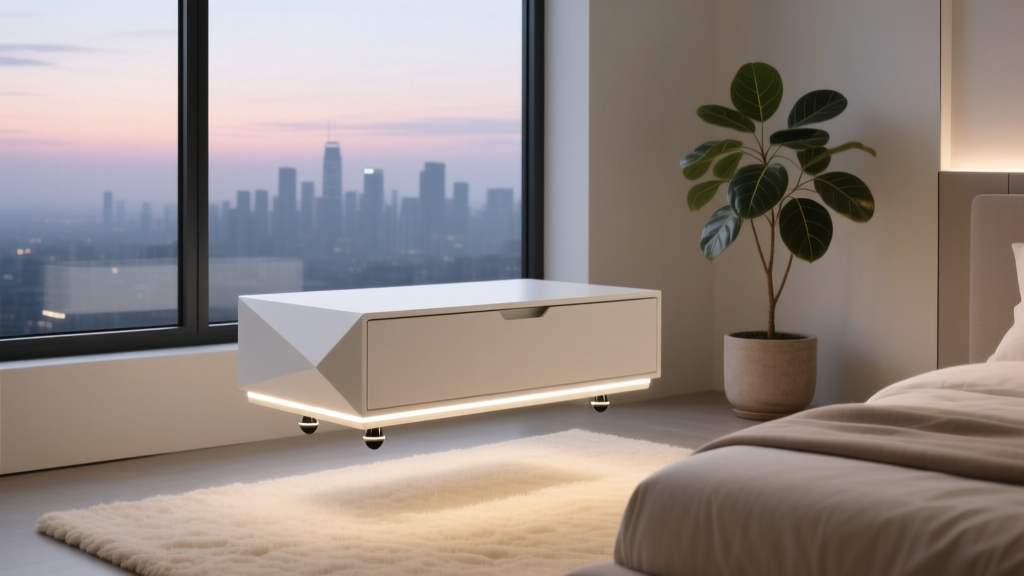 Bedroom Floating Nightstand Ideas - The Decor Mag
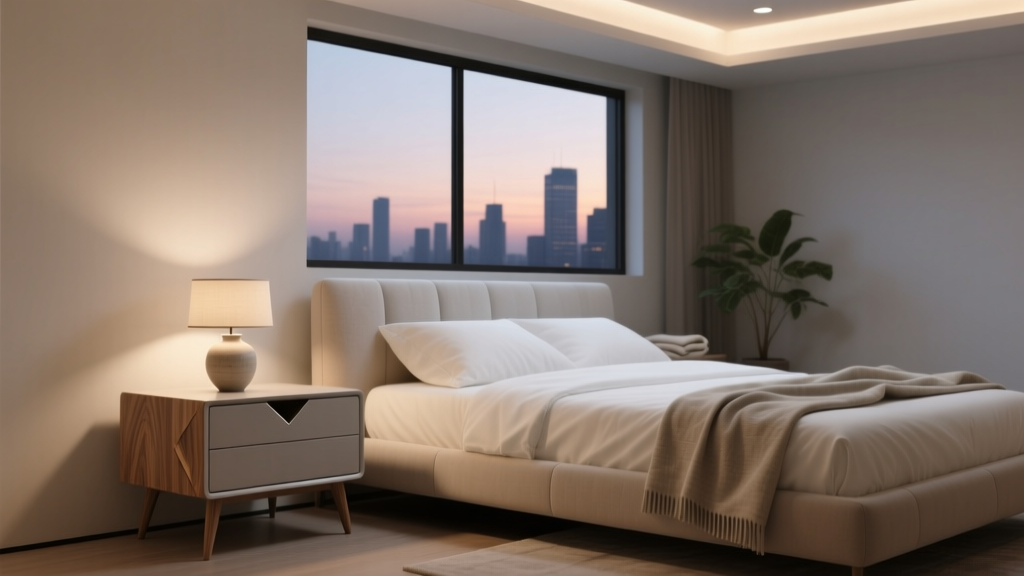 How to Choose Bedroom Nightstand Height - The Decor Mag
 Best Bedroom Shoe Storage Solutions - The Decor Mag
 Bedroom Upholstered Headboard Trends - The Decor Mag
 Best Bedroom Memory Display Shelf - The Decor Mag