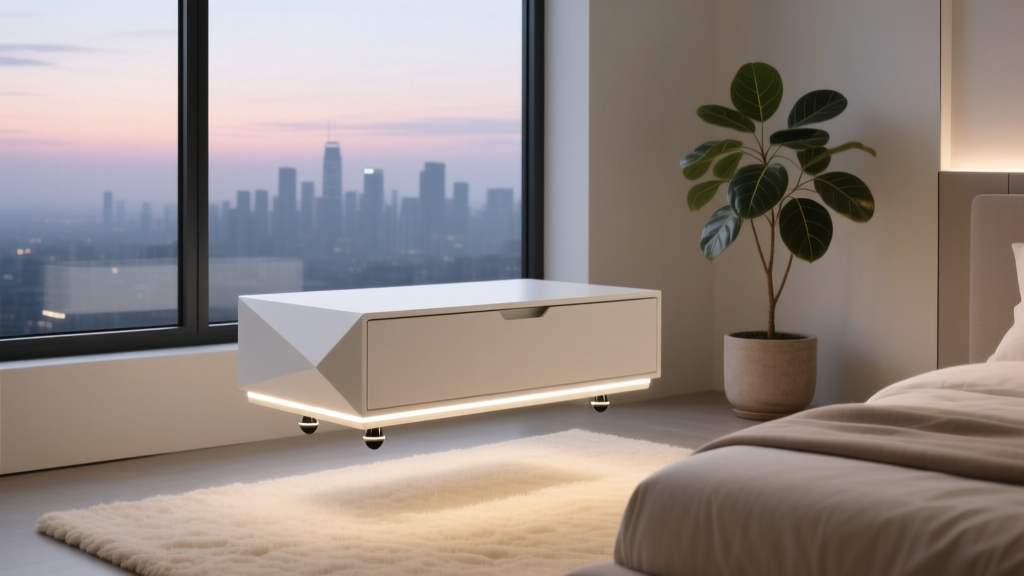
Bedroom Floating Nightstand Ideas - The Decor Mag
A calm, clutter-free bedside area does more for sleep than most people realize. The moments right before bed are when your brain is deciding whether it’s safe to fully power down—and a crowded nightstand, harsh lighting, or awkward layout can quietly keep your nervous system on alert. A floating nightstand (wall-mounted bedside table) is one of the simplest bedroom design upgrades for creating visual ease and better bedtime flow.
Beyond style, floating nightstands support a cleaner sleep environment. By lifting storage off the floor, they make the room feel lighter, simplify cleaning (less dust and fewer allergens), and can reduce the “stuff pile” effect that often builds up on bulky furniture. For renters and homeowners alike, they’re a practical way to refine a bedroom decor plan while prioritizing rest and relaxation.
Below are bedroom floating nightstand ideas—plus layout guidance, lighting tips, and sleep-friendly choices—to help you create a soothing bedside setup that looks intentional and feels genuinely restorative.
Why Floating Nightstands Improve Bedroom Design (and Sleep)
A well-designed sleep environment is about more than aesthetics: it’s about reducing friction at night and creating cues of comfort. Floating nightstands can support sleep quality in a few key ways:
- Less visual weight: More visible floor area can make small bedrooms feel calmer and more spacious.
- Easier cleaning: Vacuuming and mopping are simpler, which helps reduce dust—especially helpful if allergies interrupt sleep.
- Better bedside ergonomics: When mounted at the right height, essentials are easier to reach without twisting or leaning.
- Encourages minimal clutter: Smaller surfaces naturally limit nighttime “drop zones,” supporting a calmer mind at bedtime.
- Flexible lighting: Many floating designs integrate sconces, LED strips, or cable pass-throughs for a neater look.
Before You Buy: Sizing, Height, and Placement Basics
Choose the Right Height for Comfort
A bedside table should feel effortless to use when you’re lying down. A simple guideline:
- Best height: Flush with the top of your mattress or up to about 2–4 inches (5–10 cm) above.
- Lower than the mattress: Can feel awkward, especially for water, glasses, or a book.
- Much higher: Encourages reaching up and can feel disruptive at night.
Pick a Practical Depth (Especially for Small Bedrooms)
Floating nightstands are ideal for tight layouts. Look for:
- Depth: 8–14 inches is usually plenty for a lamp, phone, and book.
- Width: 12–24 inches depending on your bed size and storage needs.
- Clearance: Leave enough space so duvet edges don’t constantly brush items off the surface.
Plan Cable Management Early
Cords are visual noise. For a clean, sleep-friendly bedroom decor look, choose designs with:
- Rear cable cutouts or grommets
- Hidden power strips mounted underneath
- Optional in-wall outlet placement (homeowners)
- Surface raceways (renters) to hide cords without opening walls
Floating Nightstand Styles That Work in Real Bedrooms
1) Minimal Floating Shelf Nightstand (Best for Small Spaces)
A simple wall shelf can function as a slim floating nightstand when you keep it intentional. This is one of the most budget-friendly bedroom design upgrades and works especially well for renters in small bedrooms.
Look for:
- Solid wood or thick MDF shelf (at least 1.25 inches thick for a substantial feel)
- Hidden brackets for a clean silhouette
- Rounded front edge for a softer, safer bedside profile
Budget range: $25–$120 per side
Sleep-friendly tip: Keep only a few items on top—water, book/e-reader, and a soft-glow light source—to reduce bedtime visual stimulation.
2) Floating Nightstand with Drawer (Best for Clutter Control)
If your current nightstand collects chargers, skincare, and loose items, a single drawer can dramatically improve the feel of your sleep environment. Less surface clutter tends to equal less mental clutter at bedtime.
Best features:
- Soft-close drawer (quieter during nighttime wake-ups)
- Full-extension slides (easy access)
- Integrated pull or finger-groove (sleek and less snag-prone)
Budget range: $90–$300 per side
Material recommendation: Plywood or solid wood veneers generally wear better than thin particleboard in high-touch areas.
3) Two-Tier Floating Nightstand (Best for Book Lovers)
Two-tier designs provide a top surface plus a lower shelf for books, a small basket, or a neatly folded sleep mask and pillow spray. It’s practical without looking bulky.
Style suggestions:
- Light oak or ash for airy Scandinavian bedroom decor
- Walnut for warmth in mid-century modern bedrooms
- White lacquer for crisp, minimal contemporary rooms
Budget range: $120–$350 per side
Sleep-friendly tip: Avoid stacking too many books; a tall pile reads as unfinished business and can subtly increase bedtime stress.
4) Floating Nightstand with Built-In LED (Best for Gentle Night Lighting)
Integrated LED underglow can replace the need for a bright lamp when you’re winding down. It also helps with safe movement during nighttime wake-ups without blasting your eyes with overhead lighting.
Look for lighting specs that support sleep:
- Warm color temperature: 2200K–2700K for evening calm
- Dimmable controls: Essential for a bedtime routine
- Motion sensor (optional): Useful for subtle night guidance
Budget range: $150–$500 per side
Wellness note: Keep LEDs warm and dim; cool white (4000K+) can feel energizing at night and may interfere with melatonin-friendly routines.
5) Corner Floating Nightstand (Best for Tight Layouts)
When the bed sits close to a wall or window, a corner floating nightstand can reclaim usable bedside space. This is a smart solution for renters working around awkward floor plans.
Ideal uses:
- Studio apartments
- Bedrooms with radiators/baseboard heaters
- Spaces where a standard table would block a closet or door swing
Budget range: $40–$180 per side
6) Statement Floating Nightstand (Best for Elevated Bedroom Decor)
If your room feels bland, consider a floating nightstand that doubles as a design focal point: fluted wood fronts, cane webbing, natural stone tops, or matte metal. The key is balancing visual interest with bedtime calm.
Materials that feel soothing (not busy):
- Light or medium-toned wood with visible grain
- Textured fronts in a single tone (fluting, reeding)
- Matte finishes rather than high-gloss shine
Budget range: $250–$900+ per side
Bedside Lighting Ideas That Pair Beautifully with Floating Nightstands
Lighting is one of the most direct links between bedroom design and sleep quality. A floating nightstand often looks best with wall-mounted lighting that frees up surface space and reduces clutter.
Best Lighting Options
- Hardwired wall sconces: Cleanest look for homeowners; place 20–30 inches above the nightstand surface.
- Plug-in sconces: Great for renters; hide the cord with a paintable cord cover.
- Swivel reading lights: Perfect for couples with different bedtime schedules.
- Mini table lamp: Choose a small base and warm bulb (2700K) if you prefer a classic look.
Sleep-Friendly Bulb Recommendations
- Color temperature: 2200K–2700K for evening; avoid cool white in bedrooms
- Brightness: 400–800 lumens is usually enough for bedside
- Dimming: Use a dimmer switch, smart bulb, or inline dimmer for plug-in lights
Colors and Finishes That Create a Restful Sleep Environment
Floating nightstands can either blend in for a serene look or add gentle contrast. For better bedroom vibes, prioritize tones that feel grounded rather than stark.
- Warm neutrals: ivory, oatmeal, sand, greige
- Soft earth tones: clay, muted terracotta, warm taupe
- Nature-inspired hues: sage green, dusty olive, misty blue
- Wood tones: oak for brightness, walnut for warmth, ash for a light modern feel
Practical finish tip: Matte or satin finishes hide fingerprints and feel calmer than high-gloss surfaces under lamp light.
Layout Pairings: How to Style Floating Nightstands for Real Life
A floating nightstand looks best when the rest of the bedside area is equally considered. Aim for a layout that feels open and easy to move through, supporting relaxation.
Simple Styling Formula (Calm, Not Cluttered)
- Light source: sconce or small lamp
- One comfort item: coaster with water, hand cream, or a small plant
- One wind-down cue: book, journal, or sleep spray
Helpful Add-Ons (If You Need More Function)
- Under-shelf basket: soft storage for eye mask, earplugs, or chargers
- Felt drawer organizer: keeps small items quiet and tidy
- Wall hook: for a robe or sleep headphones to prevent chair piles
Pair with Bedding That Supports Sleep
To strengthen the rest-and-relaxation effect, coordinate your floating nightstand with calming bedding textures:
- Breathable sheets: cotton percale or linen for hot sleepers
- Cozy layers: cotton quilt, wool blanket, or a lightweight duvet for temperature control
- Color palette: match one bedding tone to your nightstand finish for a cohesive bedroom decor story
Budget Guide: What to Expect at Different Price Points
- $25–$120: floating shelves, basic MDF units, simple brackets (best for minimal setups)
- $120–$350: quality veneer/plywood options, one drawer, cleaner hardware, better finishes
- $350–$900+: solid wood, designer details (fluting/cane), integrated lighting, premium hardware
Where to invest: If you’re sensitive to sound at night, prioritize soft-close hardware and stable mounting. Rattly drawers and wobbly surfaces are small irritations that add up.
Sleep-Friendly Considerations (Often Overlooked)
- Keep the top surface mostly clear: A visually “quiet” bedside encourages a calmer mind.
- Choose rounded corners: Especially helpful in tight bedrooms where you pass close to the bed.
- Mind the mirror effect: Avoid high-gloss tops that bounce light into your eyes.
- Reduce blue light: Charge your phone out of arm’s reach when possible; consider a small drawer with a charging cable routed inside.
- Support an evening routine: Make room for a book, a journal, or a gentle scent cue (lavender or chamomile) rather than daytime clutter.
Common Mistakes to Avoid
- Mounting at the wrong height: Too high strains your shoulder; too low feels inconvenient and encourages spills.
- Underestimating weight limits: Check the rated load and mount into studs when possible (or use heavy-duty anchors appropriate to your wall type).
- Ignoring cable planning: Dangling cords create visual clutter and can snag when you change sheets.
- Choosing a surface that’s too small: If you always balance items precariously, you’ll never feel settled at night.
- Over-styling: Too many decor objects turn a sleep space into a display shelf—restful bedroom design thrives on simplicity.
- Using harsh lighting: Bright, cool bulbs or uncovered LEDs can make the room feel alert rather than sleepy.
FAQ: Bedroom Floating Nightstands
Are floating nightstands sturdy enough for daily use?
Yes—when properly installed. Look for units designed for wall mounting with strong brackets, and mount into studs whenever possible. If you can’t hit studs, use anchors rated for your wall type (drywall, plaster, masonry) and keep within the listed weight capacity.
What’s the best floating nightstand size for a small bedroom?
A depth of 8–12 inches and width of 12–18 inches works well in most compact rooms. Pair it with a wall sconce to free up surface space and keep the layout feeling open.
Can renters install floating nightstands without major wall damage?
Many renters do, but it depends on your lease and wall type. Consider a lightweight floating shelf with smaller brackets and use patchable holes. Plug-in sconces and cord covers can create a polished look without electrical work.
Should my floating nightstand match my bed frame?
Matching isn’t required. Coordinating tones usually feels calmer: pair warm wood with warm neutrals, or mix finishes thoughtfully (for example, walnut nightstands with a cream upholstered bed). Keeping undertones consistent helps the bedroom decor feel restful.
What should I keep on a nightstand for better sleep?
Stick to essentials: a warm, dimmable light; water; and one relaxing activity item (book or journal). If clutter stresses you out, choose a drawer style and store everything else out of sight.
Are floating nightstands safe with kids or pets?
They can be, but prioritize rounded corners, secure installation, and appropriate height. Avoid placing breakables at the edge, and choose sturdy materials that won’t flex if bumped.
Next Steps: Create a Calm, Elevated Bedside Setup
Start by measuring mattress height and available wall space, then choose a floating nightstand style that matches your storage needs: a simple shelf for minimalists, a drawer option for clutter control, or a two-tier design for books and extras. Pair it with warm, dimmable bedside lighting and a calm color palette to support a sleep-friendly bedroom design.
For more soothing bedroom ideas, space-saving decor tips, and sleep environment upgrades, explore the latest guides on thedecormag.com.
More Articles
 Bedroom Cane Webbing Headboard Ideas - The Decor Mag
 How to Choose Bedroom Nightstand Height - The Decor Mag
 How to Create a Bedroom That Feels Grounded - The Decor Mag
 Best Bedroom Dresser Organization Tips - The Decor Mag
 How to Choose Bedroom Furniture Scale - The Decor Mag
 How to Create a Calming Bedroom Retreat - The Decor Mag
 Bedroom Rattan Furniture Trends - The Decor Mag
 How to Create a Bedroom That Promotes Rest - The Decor Mag
 Bedroom Warm Limewash Bedroom Walls - The Decor Mag
 Bedroom Window Seat Design Ideas - The Decor Mag