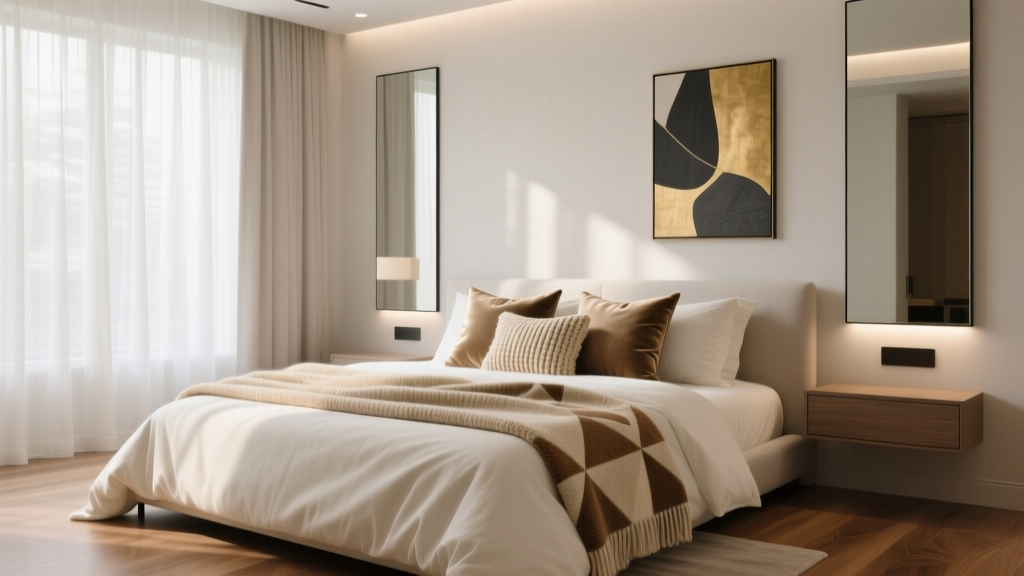
How to Style a Bedroom with Layered Textiles - The Decor Mag
A bedroom that truly supports rest rarely happens by accident. The way a space feels—soft or stark, warm or drafty, calming or cluttered—directly shapes how your nervous system winds down at night. Layered textiles are one of the simplest, most effective tools in bedroom design because they influence both comfort and atmosphere: temperature regulation, sound dampening, and the cozy visual cues that tell your brain it’s safe to relax.
Textiles also offer a renter-friendly path to a better sleep environment. You can’t always repaint walls, replace flooring, or install new lighting, but you can add breathable bedding, a plush rug, lined curtains, and a few tactile accents that make the room feel intentionally designed. Done well, layering turns a basic bed into a sleep sanctuary—without needing a full renovation.
This guide breaks down how to layer fabrics in a practical, sleep-friendly way, with material recommendations, styling formulas, budget ranges, and common mistakes to avoid. The goal is a bedroom that looks pulled together in the daytime and feels deeply comfortable at night.
What “Layered Textiles” Means in Bedroom Design
Layered textiles are simply multiple fabric elements working together—on the bed, floor, windows, and seating—to add comfort, depth, and softness. The best results come from balancing three things:
- Function: warmth, breathability, light control, sound absorption
- Texture: smooth + nubby, crisp + plush, matte + subtle sheen
- Color: a calm palette with a few intentional contrasts
From a sleep wellness perspective, textiles help create a consistent microclimate (not too hot, not too cold) and reduce overstimulation. Blackout curtains limit early-morning light; rugs soften footfalls; layered bedding lets you adjust comfort without blasting the thermostat.
Start with a Calming Color Palette (Then Layer Within It)
Color is a powerful mood signal. For a sleep-friendly bedroom decor scheme, start with a base of soft, low-contrast shades, then add texture for visual interest rather than high-contrast patterns everywhere.
Sleep-friendly color directions
- Warm neutrals: ivory, oatmeal, sand, mushroom, warm gray
- Muted cools: fog blue, dusty sage, soft slate, muted lavender
- Grounding earth tones (as accents): terracotta, cocoa, olive, clay
Easy palette formulas that look styled
- Monochrome + texture: all creams/whites with linen, cotton, and a chunky knit throw
- Neutral base + one accent: beige bedding with a sage throw and matching curtain trim
- Two-tone contrast: warm white sheets + taupe duvet + charcoal lumbar pillow
If your room already has strong colors (like a bold wall or patterned carpet), keep textiles quieter: solids, subtle stripes, or tone-on-tone weaves.
Layering the Bed: A Practical Formula That Always Works
Your bed is the centerpiece of the sleep environment, so build layers from the skin outward: breathable at the bottom, insulating and cozy on top. The aim is a bed you can fine-tune through the night without waking fully.
1) Sheets: comfort meets temperature regulation
Choose sheets based on how you sleep:
- Hot sleepers: percale cotton (crisp, airy), linen (highly breathable), or Tencel/lyocell (cool-touch)
- Cold sleepers: sateen cotton (smoother, slightly warmer), brushed cotton (soft warmth without heavy bulk)
Budget range: $40–$120 (basic sets), $120–$250 (mid-range quality), $250+ (luxury or specialty weaves).
2) Pillow strategy: support first, style second
For sleep quality, your main pillow should match your sleep position (side, back, stomach). Then layer decorative pillows sparingly so the bed still feels easy to use.
- Core setup: 2 sleeping pillows (standard/king) + optional 2 back pillows for reading
- Style setup (simple): add 1 lumbar pillow or 1 euro sham layer
Material tip: If allergies are a concern, look for washable pillow protectors and hypoallergenic fills.
3) Duvet/comforter: create the “cloud” layer
Pick an insert that matches your climate and thermostat habits, then use duvet covers to change the look without replacing the whole comforter.
- All-season duvet insert: best for most homes
- Lightweight insert: better for hot sleepers or warm apartments
- Wool fill: great for moisture control and temperature balancing
- Down alternative: often more budget-friendly and easier for allergies
Budget range: $60–$150 (basic inserts), $150–$350 (mid-range), $350+ (premium down or wool).
4) Blanket layer: your adjustable comfort tool
Add a blanket between the sheet and duvet, or fold it at the foot for visual layering. This is the layer you’ll reach for at 3 a.m. when the room cools.
- Cotton waffle blanket: breathable, year-round
- Lightweight quilt: adds structure and a tailored look
- Alpaca or wool blend: warm without feeling clammy
5) Throw blanket: texture and softness (without overheating)
Place a throw diagonally across the corner, or neatly folded at the foot. Choose one tactile “statement” texture per bed for a calm look:
- Chunky knit (cozy, best in cooler seasons)
- Brushed cotton or soft fleece (budget-friendly warmth)
- Linen throw (relaxed, breathable, lightly textured)
Budget range: $25–$60 (basic), $60–$180 (mid-range), $180+ (premium wool/alpaca).
Texture Mixing: How to Make Neutrals Feel Rich (Not Boring)
Layering is most effective when you mix textures at different scales. Think “smooth + nubby + plush” rather than matching everything.
A simple texture recipe
- Smooth base: percale sheets or cotton sateen
- Mid-texture: linen duvet cover, waffle blanket, matelassé quilt
- Plush accent: velvet lumbar pillow, faux mohair throw, bouclé cushion
Patterns that stay calming
For a restful bedroom design, keep patterns subtle and layered in small doses:
- Thin stripes
- Micro-checks
- Soft botanicals in muted tones
- Tone-on-tone jacquards
If you want one bolder pattern, keep everything else solid and pull one color from that pattern across the room (for example: a slate stripe echoed in a curtain tie or pillow).
Don’t Stop at the Bed: Rugs, Curtains, and Upholstery Layers
A bedroom feels most restorative when textiles are distributed around the space, not concentrated only on the mattress. This also improves acoustics and reduces the “echo” feeling that can make a room seem cold.
Rug layering for warmth and quiet
- Best placement: an 8x10 under a queen bed (or 9x12 if space allows), extending at least 18–24 inches on the sides
- Budget option: a large low-pile rug with a thick rug pad
- Luxury comfort: wool rugs (naturally durable, warm underfoot)
Budget range: $120–$300 (synthetic/flatweave), $300–$900 (mid-range), $900+ (large wool or handwoven).
Window treatments that support sleep quality
Light control is foundational for a healthy sleep environment. Even small amounts of streetlight can fragment sleep for sensitive sleepers.
- Best combo: blackout curtains + sheer layer (privacy by day, darkness at night)
- Renter-friendly: tension rods, no-drill curtain brackets, or stick-on blackout liners behind existing curtains
- Material tip: choose heavier linen blends or lined cotton for a soft drape and better sound dampening
Budget range: $30–$80 per panel (basic), $80–$200 (lined/quality fabric), $200+ (custom or premium).
Upholstery and soft seating
If you have space, a small upholstered bench or chair adds a “landing zone” that keeps the bed clearer (and reduces visual clutter—helpful for bedtime calm).
- Good textile choices: performance linen blends, cotton canvas, bouclé (if you don’t have shedding pets)
- Practical add-on: a small cushion or lumbar pillow that matches the bed accent color
Lighting + Textiles: Pair Them for a Softer Bedroom Mood
Textiles absorb and diffuse light, which is why a layered room often feels gentler at night. Pair your fabrics with sleep-friendly lighting for the best effect.
- Warm bulbs: 2700K (or 2200K for extra cozy) to reduce harshness
- Bedside lampshades: fabric shades soften glare; choose wider shades for a calmer glow
- Layered lighting plan: overhead on dimmer + two bedside lamps + one low-level night light for safe navigation
Wellness tip: dim lights 60–90 minutes before bed to cue melatonin production. If you use smart bulbs, set an evening scene that gradually warms and dims.
Furniture and Layout Tips That Make Textile Layers Look Intentional
Even beautiful bedding can look messy if the proportions are off. A few layout tweaks help textiles fall and frame the bed correctly.
Proportion guidelines
- Duvet size: size up (use a king duvet on a queen bed) for a fuller, more luxurious drape
- Nightstands: aim for a height close to the top of your mattress for easy reach
- Bed clearance: leave at least 24 inches of walkway space on each side when possible
Keep the “sleep zone” visually quiet
- Limit busy patterns near the pillow area
- Use closed storage (or baskets) to hide laundry and reduce clutter signals
- Choose one focal textile moment: a standout headboard fabric, a special throw, or statement curtains
Sleep-Friendly Fabric Choices (and What to Avoid)
When comfort is the priority, material matters as much as style. These picks tend to support better temperature regulation and fewer nighttime wake-ups.
Best materials for a healthy sleep environment
- 100% cotton: reliable, breathable; percale for coolness, sateen for softness
- Linen: excellent airflow; softens over time
- Tencel/lyocell: smooth and cooling; helpful for hot sleepers
- Wool: moisture-wicking and temperature-balancing (great for duvets and blankets)
Materials to be cautious with
- Cheap microfiber sheets: can trap heat and feel clammy for some sleepers
- Very heavy synthetic throws: may overheat and shed fibers
- Overly fragranced textiles: can irritate airways; choose fragrance-free detergents for bedding
Common Mistakes to Avoid When Layering Bedroom Textiles
- Too many decorative pillows: they end up on the floor at night and add visual noise
- All textures, no structure: pairing only fluffy items can look sloppy—add one tailored layer like a quilt or crisp duvet cover
- Ignoring temperature: a “cozy” look that overheats you will disrupt sleep; build adjustable layers instead
- Skipping a rug pad: a rug without cushioning feels thin and slides, reducing comfort and safety
- Hanging curtains too low: mount rods closer to the ceiling to elongate walls and make textiles look elevated
- Competing patterns: keep to one main pattern and one subtle secondary, max
Budget-Friendly Layering Plans (So You Can Build Over Time)
Under $200 refresh
- New sheet set in cotton percale or brushed cotton
- One textured throw (waffle or knit)
- Two pillow covers to add a new accent color
$200–$600 “noticeable upgrade”
- Duvet cover in linen or quality cotton
- All-season duvet insert matched to your sleep temperature
- Blackout curtain liners or lined panels
- Rug pad (often overlooked, big comfort return)
$600–$1,500 “sleep sanctuary”
- Large wool rug (or higher-quality area rug)
- Upgraded pillows suited to your sleep position + protectors
- Layered curtains (sheer + blackout)
- Dimmer lighting or warm bedside lamps with fabric shades
FAQ: Layering Textiles for a Calmer Bedroom
How many layers should a bed have?
A comfortable, styled bed usually has 4–6 functional layers: sheets, duvet/comforter, one adjustable blanket or quilt, and a throw. Add pillows thoughtfully rather than stacking too many.
What’s the best bedding material for hot sleepers?
Look for cotton percale, linen, or Tencel/lyocell. Pair with a lightweight duvet insert and avoid heavy synthetic blankets that trap heat.
How can renters add layered textiles without changing the room?
Focus on removable upgrades: duvet covers, curtains on tension rods or no-drill brackets, a large rug with a pad, and slipcovered pillows. These deliver a big bedroom decor impact with minimal commitment.
Do blackout curtains really help sleep quality?
They can. Blocking streetlights and early sunrise reduces light exposure that may disrupt melatonin rhythms and cause early waking. If full blackout feels too dark, combine sheers for daytime with blackout liners you close at night.
How do I keep layered bedding from looking messy?
Use one structured layer (a quilt or neatly sized duvet), limit the palette, and repeat the same accent color in two places (for example, throw + lumbar pillow). Fold the throw cleanly at the foot if you prefer a tailored look.
What’s the easiest first step if my bedroom feels “flat”?
Add one contrasting texture in a calm color—like a waffle blanket or a linen duvet cover—then build around it. Texture adds depth without needing bold patterns.
Next Steps: Build Your Layers, One Comfort Upgrade at a Time
Start with the layer that affects sleep the most: breathable sheets and a duvet insert that matches your temperature needs. Then add a mid-layer (quilt or waffle blanket), soften the floor with a rug and pad, and finish with light-controlling curtains and warm lighting. With each textile layer, your bedroom becomes quieter, cozier, and more supportive of real rest.
For more calming bedroom design ideas, sleep-friendly decor guides, and practical styling tips, explore the latest inspiration on thedecormag.com.
More Articles
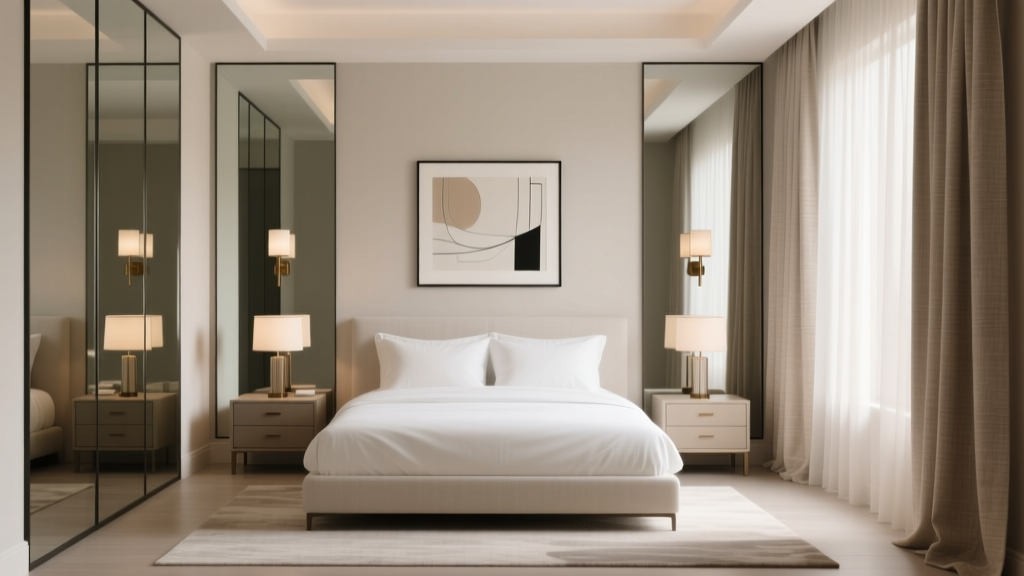 How to Create Symmetry in Bedroom Design - The Decor Mag
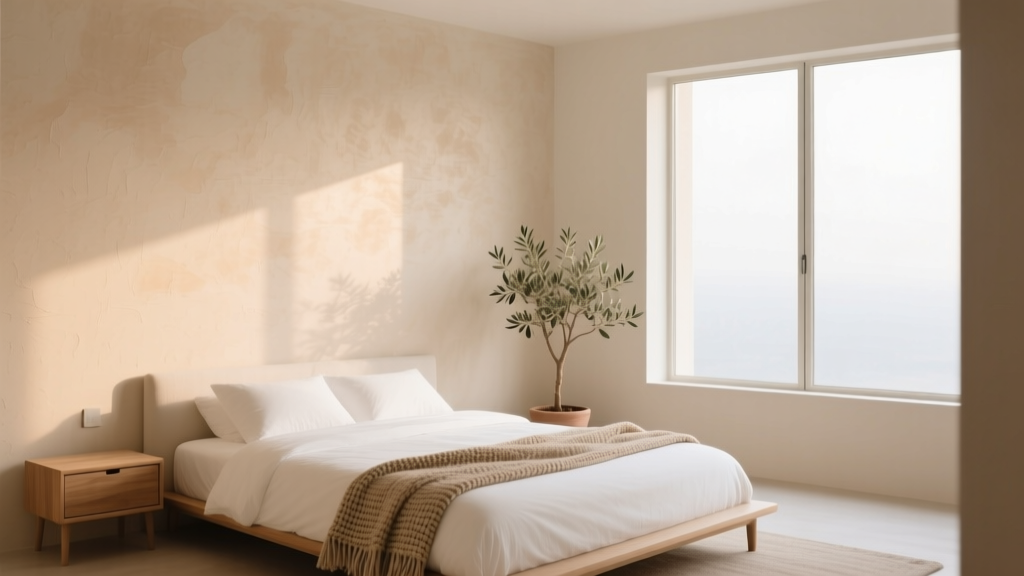 Bedroom Limewash Bedroom Wall Treatment - The Decor Mag
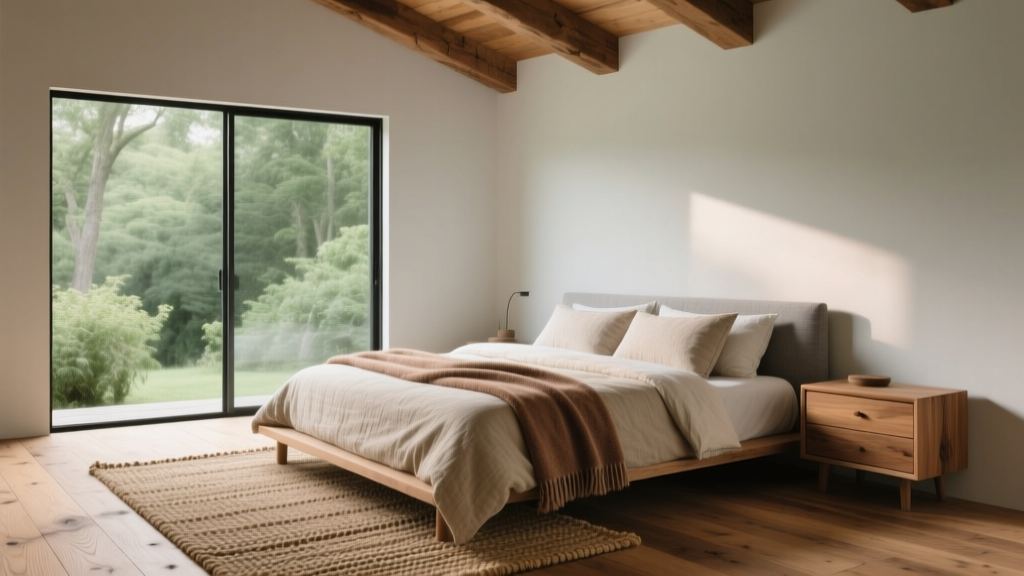 Natural Bedroom Materials: Stylish Ideas for 2026
 Best Bedroom Sunglasses Organization - The Decor Mag
 Bedroom Curved Headboard Upholstery Trend - The Decor Mag
 Bedroom Rattan Furniture Trends - The Decor Mag
 Best Bedroom Valet Stand Options - The Decor Mag
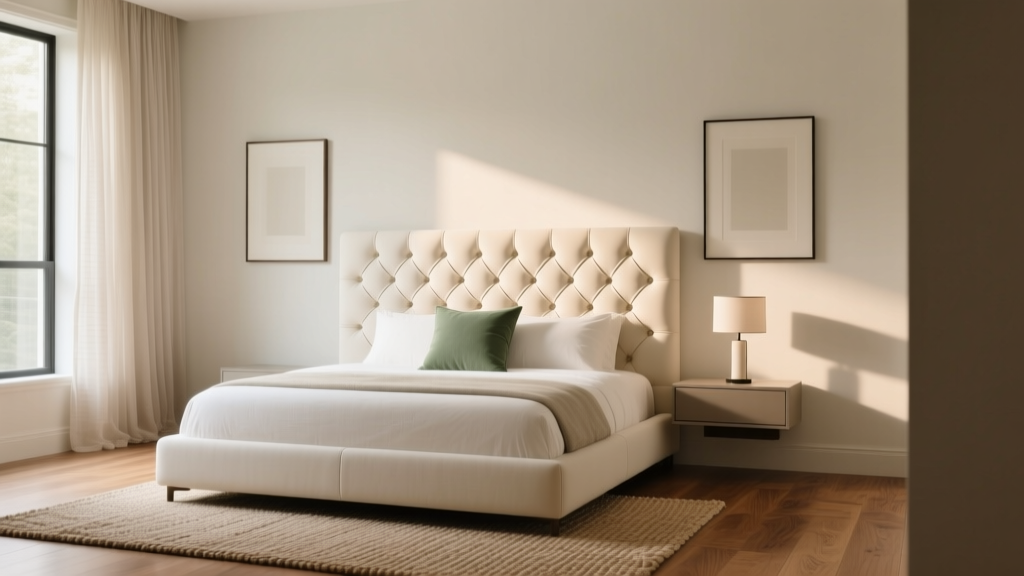 Bedroom Tufted Headboard Trends - The Decor Mag
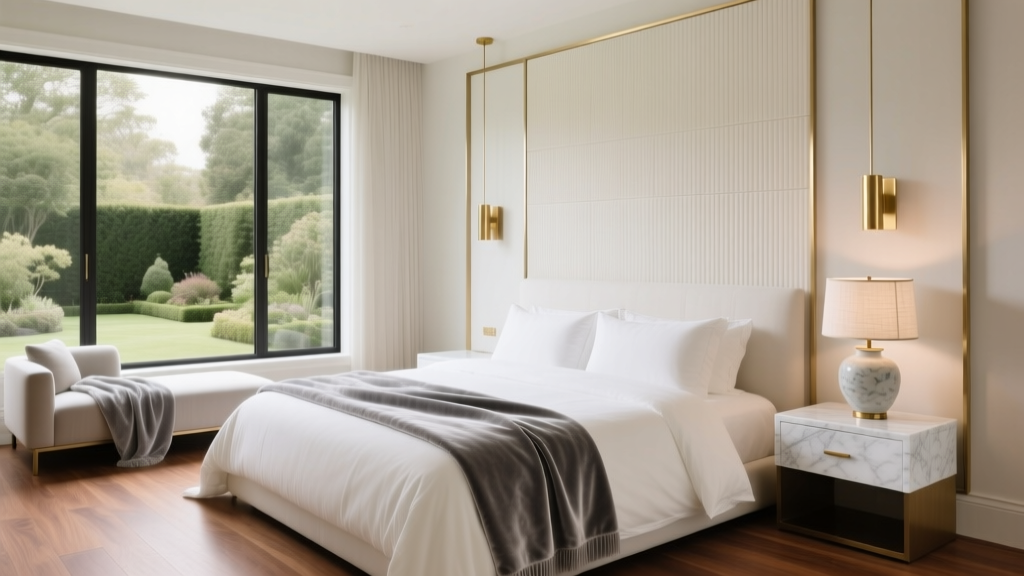 How to Create a Bedroom That Feels Luxurious - The Decor Mag
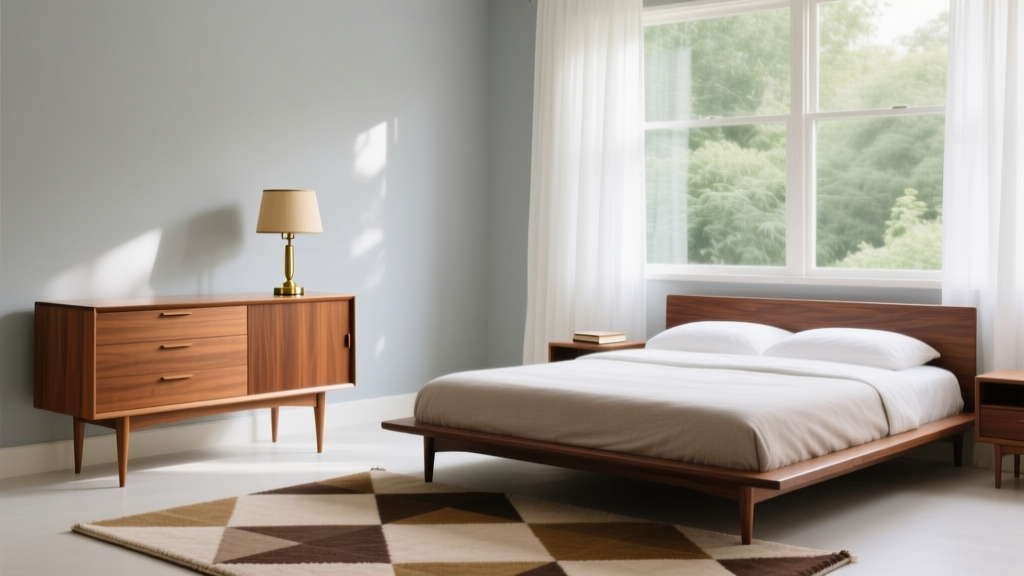 Mid-Century Modern Bedroom Furniture Guide - The Decor Mag