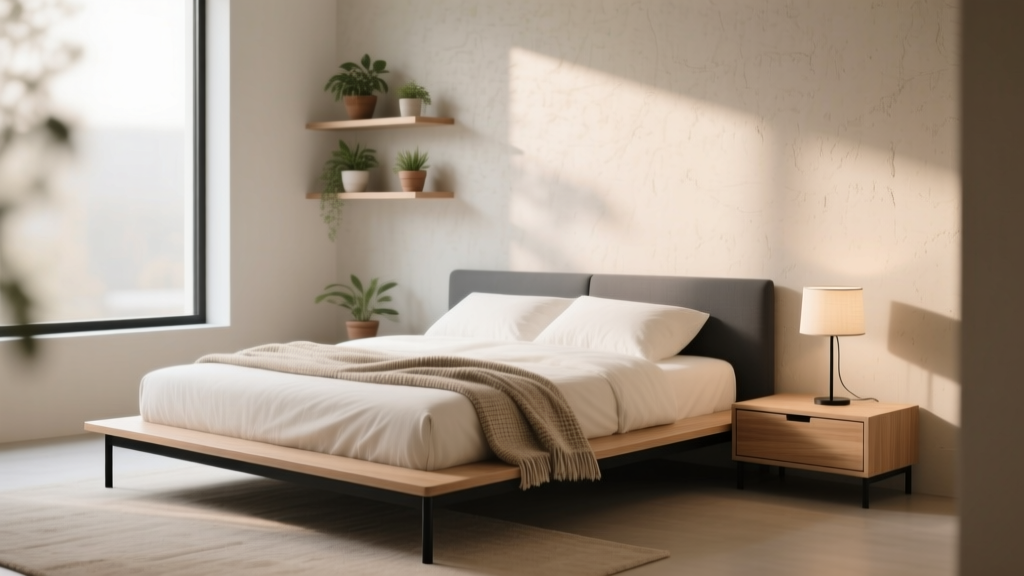
Bedroom Platform Bed Design Ideas - The Decor Mag
A platform bed can be one of the most calming upgrades you make to a bedroom. Its low, grounded profile naturally signals “rest” to the brain, helping the room feel less busy and more settled. When the bed looks intentional and the space around it is thoughtfully arranged, it becomes easier to wind down at night—and easier to wake up without that visual clutter tugging at your attention.
Bedroom design affects sleep quality more than most people realize. Light exposure, noise, airflow, temperature, and even how much “stuff” you see from bed can influence how quickly you fall asleep and how deeply you rest. Platform beds are especially helpful because they simplify the foundation (no bulky box spring), create clean lines, and often add built-in storage—making it easier to maintain a tidy, sleep-friendly bedroom.
Below you’ll find practical platform bed design ideas for homeowners and renters, along with layout guidance, wellness-minded tips, budget ranges, and common mistakes to avoid. The goal: a bedroom that looks beautiful in daylight and supports restorative sleep at night.
Why Platform Beds Work So Well for Restful Bedroom Design
Clean lines reduce visual noise
Platform beds are typically lower and more streamlined than traditional bed frames. That visual simplicity can make a room feel calmer, which supports relaxation and a more consistent bedtime routine.
Supportive foundation for modern mattresses
Many mattresses (especially memory foam, latex, and hybrid styles) perform best on a solid or slatted platform foundation. The right platform bed can improve mattress longevity and comfort by offering even support.
Storage options help keep the sleep environment tidy
Clutter is a common sleep disruptor—mentally and physically. Storage platform beds (drawer bases or lift-up hydraulic storage) can reduce overflow furniture and keep floors clear for easier cleaning and better air quality.
Choose the Right Platform Bed Style (with Design Ideas)
1) Minimalist wood platform bed (warm, timeless, easy to style)
A simple oak, walnut, ash, or bamboo platform bed creates instant calm and pairs beautifully with many bedroom decor styles, from Scandinavian to modern organic.
- Best for: Small bedrooms, renters, anyone who prefers a serene look.
- Materials to look for: Solid wood or wood veneer over plywood (more stable than particleboard). Bamboo is a sustainable, durable option.
- Design tip: Keep the nightstands “floaty” and light—think slim-leg tables or wall-mounted shelves—to maintain an airy feel.
- Budget range: $250–$900 (basic frames), $900–$2,500 (solid wood, higher craftsmanship).
2) Upholstered platform bed (softness + sound absorption)
If your room echoes or feels visually harsh, an upholstered platform bed can soften the whole space. Fabric also absorbs some sound, which can help bedrooms feel quieter.
- Best for: Cozy, hotel-inspired bedrooms; anyone who likes reading in bed.
- Fabric picks: Performance linen, tightly woven polyester blends, or bouclé for texture. If allergies are a concern, choose low-pile fabrics that trap less dust.
- Headboard suggestion: A padded headboard at least 48–60 inches tall for a more enveloping feel (especially in rooms with high ceilings).
- Budget range: $300–$1,200 (mainstream), $1,200–$3,500 (designer upholstery, premium foam, better joinery).
3) Storage platform bed (for smaller spaces and calmer floors)
Storage beds can replace a dresser in tight rooms and reduce the “stuff” left out. Less clutter generally means a more sleep-friendly environment.
- Choose drawers if: You have open floor area on both sides of the bed and prefer easy access.
- Choose lift-up storage if: You want maximum storage and don’t want drawer clearance issues.
- Best items to store: Extra bedding, off-season clothes, spare pillows, and rarely used items (avoid storing anything strongly scented).
- Budget range: $450–$1,500 (drawer storage), $700–$2,500 (lift-up mechanisms, sturdier builds).
4) Floating or recessed-base platform bed (spa-like, modern)
A recessed base creates the illusion that the bed is floating. This is a favorite modern bedroom design idea because it feels sleek and visually light.
- Lighting idea: Add warm underbed LED lighting (2700K) on a dimmer for gentle nighttime navigation without harsh overhead light.
- Safety note: Floating styles can be shin-bump magnets—consider rounding corners or choosing a slightly inset frame.
- Budget range: $500–$2,500+ depending on materials and lighting integration.
5) Canopy-style platform bed (structured coziness)
A canopy frame adds a soothing sense of enclosure—helpful in large bedrooms that feel too open to relax in.
- Keep it sleep-friendly: Skip heavy drapes that collect dust; choose light linen panels if you want softness.
- Pair with: Simple bedding and calm wall colors so the canopy remains the focal point.
- Budget range: $400–$2,000 (metal), $1,200–$5,000 (solid wood canopy frames).
Layout Ideas: Where to Place a Platform Bed for Better Sleep
Anchor the bed on a solid wall
Placing the headboard against a full wall (not a window) tends to feel more secure and visually restful. When possible, allow space on both sides so you can use matching lighting and keep movement balanced.
Use the “calm path” rule
Try to create a clear, unobstructed route from the door to the bed and from the bed to the bathroom/closet. A clean walking path reduces nighttime stress and makes the room feel more spacious.
- Ideal clearance: 24–30 inches on each side of the bed, 36 inches at the foot if possible.
- Small room workaround: If one side must be against a wall, use a wall sconce and a slim shelf as a nightstand.
Mirror placement for a calmer sleep environment
Large mirrors reflecting the bed can feel visually “active” at night. If you love mirrors for light-bouncing, angle them to reflect a plant, art, or window instead of the sleeping area.
Bedding Pairings That Look Good and Feel Better
Choose breathable layers for temperature regulation
Overheating is a frequent sleep disruptor. Platform beds already promote a streamlined look—pair that with breathable bedding to support comfort.
- Sheets: Cotton percale (crisp, cool) or bamboo lyocell (smooth, moisture-wicking). Budget: $40–$120; premium: $120–$300.
- Comforter/duvet: All-season down alternative for easy care, or wool for excellent temperature control. Budget: $80–$250; premium: $250–$600.
- Blanket layer: Cotton waffle or linen blanket for texture without heavy heat. Budget: $50–$200.
Pillow strategy: supportive, not excessive
Too many pillows can look styled, but it often becomes nightly clutter. Keep it simple and supportive.
- 1–2 sleeping pillows per person (matched to sleep position: side sleepers often need higher loft).
- 1 lumbar or one accent pillow for daytime styling (optional).
Rug placement to soften sound and add warmth
A rug helps reduce echo and makes getting out of bed gentler on the body.
- Size guideline: For a queen bed, a 8' x 10' rug often works best; for a king bed, consider 9' x 12'.
- Material: Wool (durable, naturally stain-resistant) or low-pile blends for easier cleaning.
- Budget range: $150–$600 (synthetic/wool blend), $600–$2,000 (hand-tufted or higher-quality wool).
Lighting Ideas for a Sleep-Friendly Bedroom
Layer your lighting (ambient + task + low glow)
Great bedroom lighting supports both function and melatonin-friendly evenings.
- Ambient: Flush mount or semi-flush ceiling light on a dimmer.
- Task: Swing-arm wall sconces or adjustable bedside lamps for reading.
- Low glow: Warm night light or underbed LEDs for safe nighttime movement.
Bulb specs that feel calmer at night
- Color temperature: 2700K (warm) or 2200K (extra warm) in the evening.
- Brightness: Aim for 400–800 lumens per bedside lamp, with dimming for flexibility.
- Wellness tip: Use smart bulbs or plug-in dimmers to gradually lower light 60–90 minutes before bed.
Color Palettes That Compliment Platform Beds (and Encourage Rest)
Color influences mood and perceived brightness. For a relaxing bedroom design, choose shades that look soft at night and fresh in the morning.
- Warm neutrals: Cream, oatmeal, warm white, mushroom beige—excellent with walnut or oak platform beds.
- Muted greens: Sage, olive-gray, soft eucalyptus tones—nature-inspired and grounding.
- Dusty blues: Gray-blue, denim, slate-blue—cool, calm, and easy to pair with white bedding.
- Terracotta accents: Use sparingly in pillows or art for warmth without overstimulation.
Practical paint tip: Sample colors in the evening with lamps on. Many paints look dramatically different under warm lighting, which is what you experience before sleep.
Materials and Build Details Worth Paying For
- Slat spacing: For foam and latex mattresses, look for slats around 2–3 inches apart (closer is generally better support).
- Center support: Queen and king sizes should have a center rail and at least one to two legs for stability.
- Low-VOC finishes: Helpful for indoor air quality, especially in small bedrooms.
- Noise control: Choose frames with solid joinery; add felt pads or rubber gaskets at contact points to reduce squeaks.
Wellness Tips: Make the Platform Bed the Heart of a Restorative Sleep Environment
- Keep the area under the bed clean: Dust buildup can affect allergies and nighttime breathing. If your platform bed is open underneath, vacuum regularly.
- Prioritize airflow: A breathable mattress and slatted base can help heat dissipate. Keep vents unblocked by furniture.
- Set up a “landing zone”: Use a small tray on the nightstand for glasses, lip balm, and a book. Less rummaging means less stress at bedtime.
- Sound softening: Add curtains, an upholstered headboard, or a rug to reduce echo—especially in apartments.
- Bedroom scent boundaries: Avoid strong fragrances on bedding. If you use aromatherapy, keep it subtle and discontinue if it irritates breathing.
Common Mistakes to Avoid with Platform Bed Bedroom Design
- Choosing a frame that’s too large for the room: If the bed overwhelms the space, the room feels cramped and restless. Measure and mock up with painter’s tape before buying.
- Forgetting nightstand height: Aim for the top of the nightstand to be within 2–4 inches of the mattress top for comfortable reach.
- Over-styling the bed: Excess throw pillows and layered décor can become nightly clutter and create a mentally “busy” sleep environment.
- Ignoring lighting temperature: Bright, cool bulbs (4000K+) can feel energizing at night. Warm, dimmable lighting supports wind-down.
- Buying flimsy slats: Thin, widely spaced slats can sag and reduce mattress support, affecting comfort and sleep quality.
- Blocking natural light during the day: Daytime light helps regulate circadian rhythm. Use sheer curtains for day, blackout curtains at night.
FAQ: Bedroom Platform Bed Design Ideas
Do platform beds need a box spring?
No. A platform bed is designed to support a mattress directly, either with a solid deck or slats. Most modern mattresses do best without a box spring on a platform foundation.
What’s the best platform bed for a small bedroom?
Look for a minimalist platform bed with a slim headboard (or no headboard) and optional storage. Lighter wood tones or upholstered neutrals can make the room feel more open. If storage is tight, a lift-up storage platform bed can replace a bulky dresser.
Are platform beds good for back pain?
They can be, because a sturdy platform provides even mattress support. Comfort still depends on your mattress type and firmness. If you’re experiencing back pain, prioritize a supportive mattress and ensure the slats are strong with proper center support.
What colors work best with a wood platform bed?
Warm whites, soft greiges, muted greens, and dusty blues pair beautifully with most woods. For a calm sleep environment, keep contrast gentle and use darker accents (charcoal, deep olive) sparingly.
How do I stop a platform bed from squeaking?
Tighten all hardware, add felt pads where wood meets wood or metal meets metal, and ensure the bed sits level. If the slats shift, use non-slip tape or slat holders. Quality joinery and center support also make a big difference.
Is underbed storage bad for sleep?
Not necessarily. The key is keeping it organized, clean, and low-odor. Use closed drawers or clean storage bins, avoid storing anything damp or strongly scented, and dust regularly to support better air quality.
Next Steps: Build a Calmer Bedroom Around Your Platform Bed
Start by choosing the platform bed style that matches your space constraints and how you actually live—minimal for visual calm, upholstered for softness, storage for organization, or floating for a modern spa feel. Then support it with breathable bedding, warm layered lighting, and a simple layout that keeps pathways open and surfaces uncluttered. Small adjustments in the bedroom environment can translate into better sleep quality over time.
If you’d like more soothing, practical bedroom design ideas, explore the latest inspiration and sleep-friendly decor guides on thedecormag.com.
More Articles
 Handmade Ceramics in Bedrooms (2026)
 How to Style a Bedroom Around a View - The Decor Mag
 Reading Corner in Bedroom: Decor Ideas (2026)
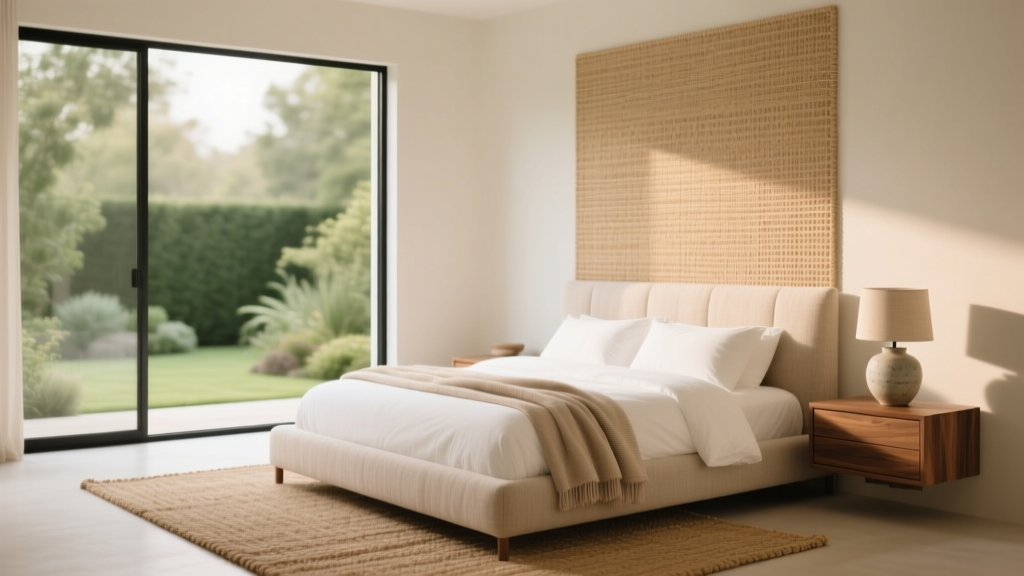 How to Style a Bedroom with Neutral Tones - The Decor Mag
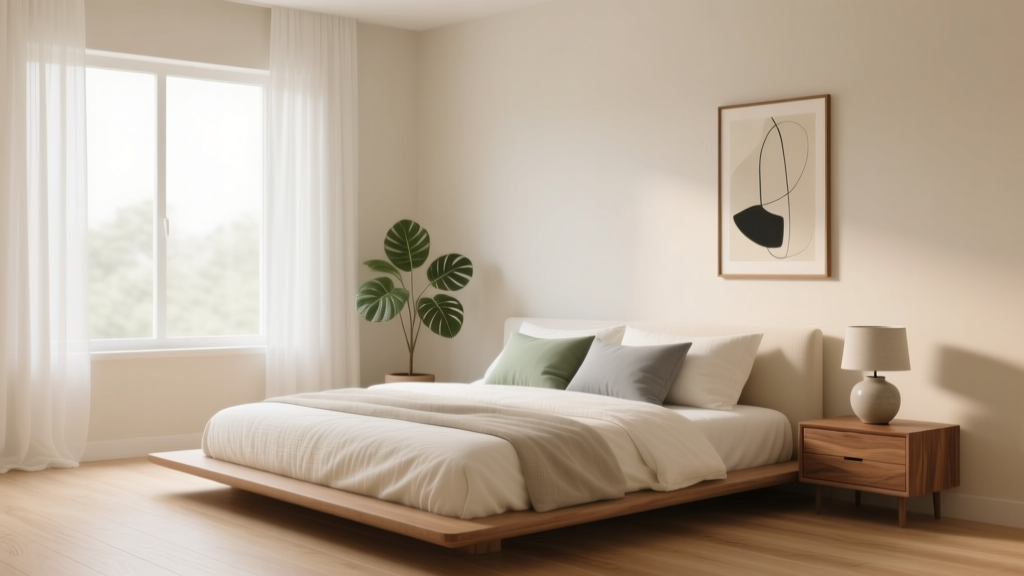 How to Create a Bedroom That Promotes Rest - The Decor Mag
 Scheme Kitchen Design Essentials: Precision, Proportion, and Purpose-Built Functionality
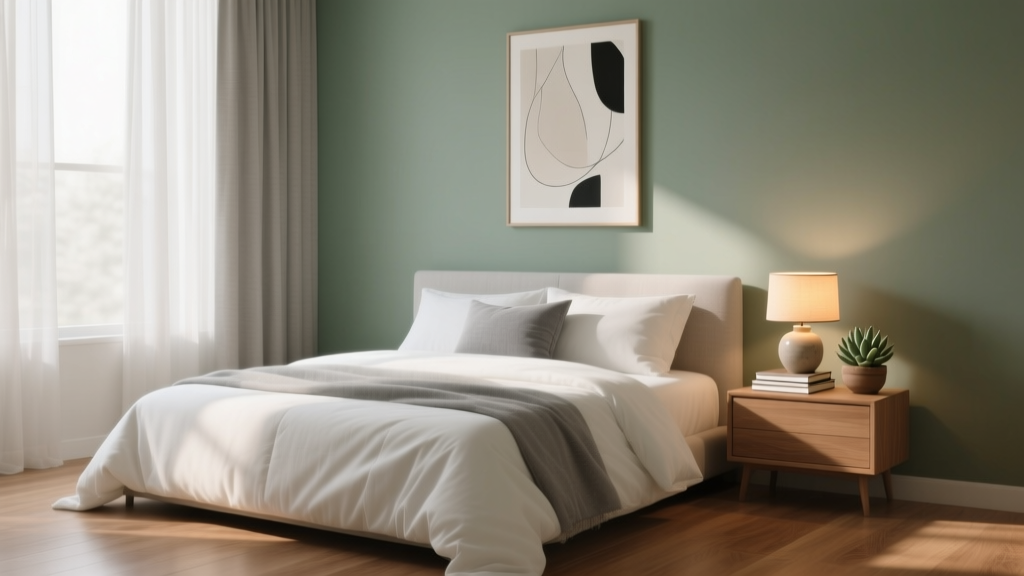 Best Bedroom Sleep Environment Checklist - The Decor Mag
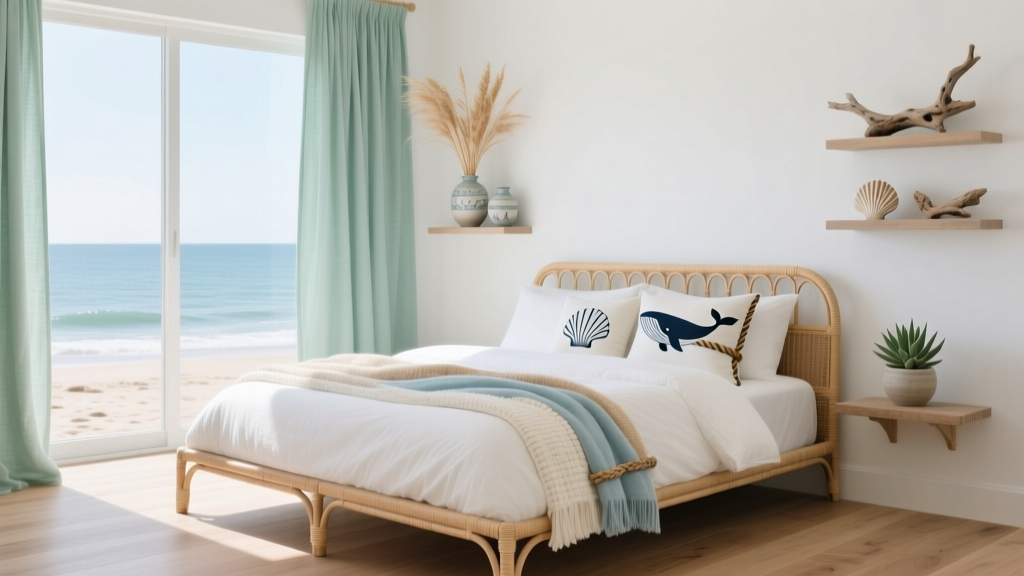 Coastal Bedroom Decor Inspiration - The Decor Mag
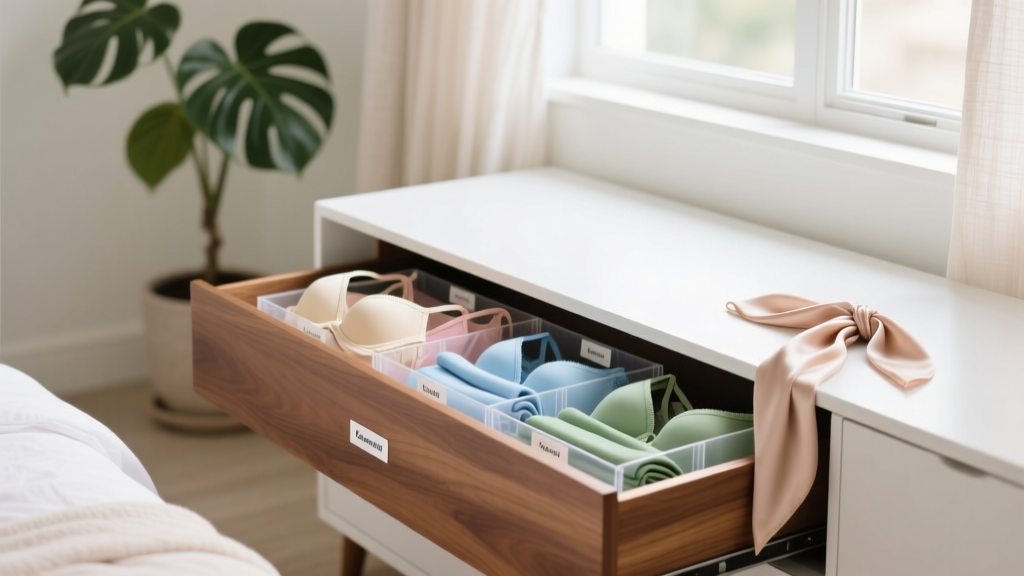 Best Bedroom Lingerie Drawer Organizers - The Decor Mag
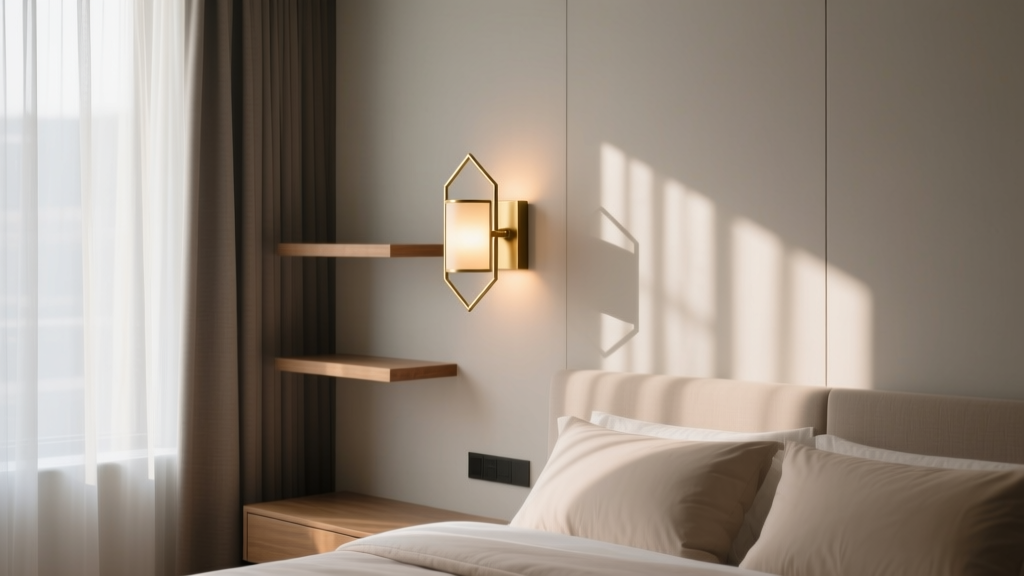 Best Bedroom Sconce Lighting Options - The Decor Mag