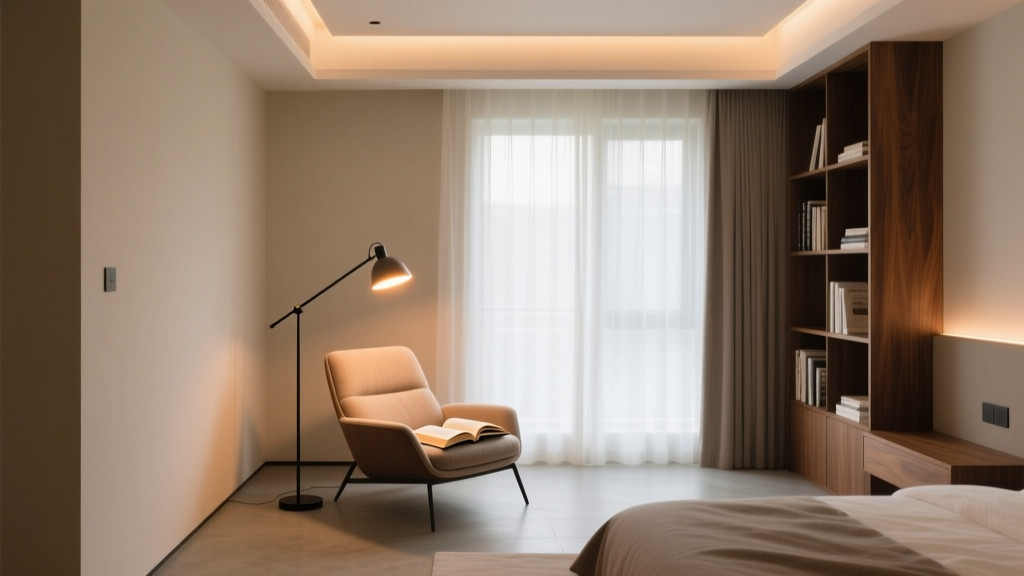
How to Choose Bedroom Lighting for Reading - The Decor Mag
Reading in bed can be one of the most comforting nightly rituals—an easy bridge between a busy day and restful sleep. The right bedroom lighting makes that ritual feel effortless: your eyes stay relaxed, your posture improves, and your space feels calm rather than harsh or overly bright.
But bedside lighting isn’t just about seeing the page. Light is one of the strongest signals to your body’s internal clock. Bright, cool-toned light late at night can nudge your brain toward “daytime mode,” making it harder to wind down. Thoughtful bedroom design—especially a layered, sleep-friendly lighting plan—supports both your decor goals and your sleep environment.
This guide walks through how to choose bedroom lighting for reading with practical, renter-friendly ideas, product types, layout tips, and wellness considerations. The goal: a bedroom that looks beautiful, feels soothing, and makes it easy to read without sacrificing sleep quality.
Start With the Reading Task: What Do You Need Your Light to Do?
Before shopping, consider how you actually read in bed. A lighting setup that works for a hardcover novel may not be ideal for an e-reader, and a shared bed needs a different approach than a solo sleeper.
Ask Yourself These 5 Questions
- Do you read sitting up or lying on your side? Side readers benefit from adjustable arms and focused beams.
- Do you share the bed? You’ll want a directed light that doesn’t spill across the room.
- Print, tablet, or e-reader? Print needs more illumination; backlit screens need gentler ambient light to reduce contrast.
- How long do you read at night? Longer reading sessions call for better glare control and warmer color temperature.
- Do you have a small nightstand or none at all? This affects whether sconces, clip-on lights, or floor lamps make sense.
Comfort Benchmarks for Bedside Reading
- Brightness: Aim for a cozy, focused light—generally around 400–800 lumens at the lamp level for reading, depending on shade and placement.
- Color temperature: Choose 2200K–3000K for evening reading (warm white/soft white).
- Control: A dimmer or multiple brightness levels helps you keep the room sleep-friendly.
Layered Bedroom Lighting: The Secret to a Better Sleep Environment
Great bedroom lighting design uses layers—so your bedside light doesn’t have to do everything. This keeps the room calm and reduces eye strain.
The 3 Layers to Include
- Ambient lighting: General room light (ceiling fixture, soft flush mount, or a shaded floor lamp).
- Task lighting: Your reading light (bedside lamp, sconce, adjustable wall light, clip-on).
- Accent lighting: Low, gentle glow for atmosphere (LED strip behind a headboard, picture light, or a small table lamp across the room).
Sleep-Friendly Tip
Keep ambient lighting soft and warm in the hour before bed. Then rely on a focused task light for reading instead of flooding the room with brightness. This supports melatonin production and helps your body transition toward sleep.
Choose the Best Type of Reading Light for Your Bedroom Layout
Your ideal fixture depends on your nightstand space, headboard style, and whether you want a built-in look or a flexible solution.
1) Bedside Table Lamps (Classic and Easy)
Table lamps are popular for a reason: they’re simple, decorative, and renter-friendly.
- Best for: Most bedrooms with a nightstand; design-forward setups.
- Look for: A stable base, shade that directs light down, and a dimmable bulb.
- Shade style: A tapered or drum shade with an opaque material reduces glare.
Size guidance: If your nightstand is small, choose a lamp with a base under 6–8 inches wide to leave room for a book, water glass, and essentials.
Budget range: $30–$90 for solid basics; $100–$250 for higher-end designs, ceramic bases, or linen shades.
2) Wall Sconces (Best for Saving Nightstand Space)
Wall sconces free up your nightstand and create a polished bedroom decor look.
- Best for: Tight spaces, minimalist bedrooms, couples needing symmetrical lighting.
- Look for: Swing-arm or adjustable head, dimmer compatibility, warm LED.
- Renter-friendly option: Plug-in sconces (no hardwiring).
Placement tip: Mount so the light source sits roughly 30–36 inches above the top of the mattress, and slightly behind your shoulder line to reduce glare.
Budget range: $40–$120 for plug-in; $120–$350 for hardwired pairs and higher-end finishes.
3) Adjustable Floor Lamps (Flexible for Reading Nooks in Bedroom Corners)
If you like sitting up in bed or reading in a corner chair, an adjustable floor lamp can serve multiple functions.
- Best for: Bedrooms with a reading chair, or nightstands too small for lamps.
- Look for: Gooseneck or pharmacy-style arm, weighted base, warm dimmable LED.
Budget range: $60–$180 for reliable options; $200–$500 for designer or solid metal construction.
4) Clip-On and Headboard-Mounted Reading Lights (Smallest Footprint)
These are ideal for renters, dorm-style bedrooms, or anyone wanting a very directed beam.
- Best for: Shared beds (minimal spill), tiny nightstands, bunk beds.
- Look for: Adjustable neck, stable clamp, multiple brightness levels, warm setting.
Comfort tip: Choose a model with a diffused lens so the light isn’t “pinpoint harsh.”
Budget range: $20–$60.
Get the Light Quality Right: Brightness, Color Temperature, and CRI
Two lamps can look similar and still feel completely different at bedtime. Light quality is what determines whether your eyes feel relaxed—or fatigued after a few pages.
Brightness (Lumens) Recommendations
- Solo reading light: 400–800 lumens at the lamp level is a comfortable range for most readers.
- Shared bed: Use a lower lumen bulb paired with a better shade or a more focused beam to keep light contained.
- Low-vision or small print: Consider 800–1100 lumens with a warm temperature and good diffusion (avoid bare bulbs).
Color Temperature (Kelvin) for Sleep-Friendly Bedroom Lighting
- 2200K–2700K: Candle-warm to warm white; ideal for pre-sleep reading and cozy bedroom ambience.
- 3000K: Soft white; still warm but slightly clearer for print reading.
- Avoid 4000K–6500K at night: Cooler tones can feel energizing and may interfere with wind-down routines.
CRI (Color Rendering Index) for Comfort and True Colors
CRI measures how accurately light shows colors. For a relaxing bedroom design, a high CRI keeps bedding, paint, and decor looking natural.
- Choose CRI 90+ if possible (especially if you care about how your wall color and textiles look at night).
- CRI 80+ is acceptable for many budget bulbs.
Shade and Material Choices That Feel Softer on the Eyes
The shade determines how light spreads—one of the biggest factors in glare, shadows, and how “calm” the room feels.
Best Shade Materials for Bedroom Reading
- Linen or cotton: Soft diffusion, cozy texture, suits most bedroom decor styles.
- Frosted glass: Smooth, modern, and excellent at reducing harsh hotspots.
- Opaque metal shades (with a white interior): Direct light down to the book and keep the rest of the room dim.
Materials to Be Cautious With
- Clear glass or exposed bulbs: Often too bright and glary for bedtime.
- Highly reflective shades: Can create sharp light patterns and visual clutter.
Placement and Layout: Where Your Reading Light Should Go
Even the perfect bulb won’t help if the lamp is in the wrong spot. Placement is what prevents shadows across the page and reduces eye strain.
Quick Placement Rules
- Keep the light slightly behind your shoulder so it shines onto the page without shining into your eyes.
- Aim for mid-chest to chin height when seated for the most comfortable reading angle.
- Angle the beam down (especially with sconces or adjustable heads).
- For couples: Use two separate reading lights so each person controls brightness and direction.
Nightstand Setup Recommendations
- Nightstand size: At least 16–20 inches wide is comfortable for a lamp plus essentials.
- Clutter control: Add a small tray to keep glasses, bookmarks, and lip balm contained, so the surface stays calming.
- Cord management: Use adhesive cable clips along the back edge of the nightstand for a cleaner look.
Bulbs, Dimmers, and Smart Controls That Support Better Sleep
A bedroom should make winding down easy. The best reading light is one you can soften instantly as you get sleepy.
Best Bulb Types for Bedside Reading
- Warm LED bulbs: Energy-efficient, long-lasting, widely available in 2200K–3000K.
- “Warm dim” LEDs: Dimmer-friendly bulbs that get warmer as they dim (a great fit for bedtime routines).
- Three-way bulbs: Simple brightness choices without rewiring (just be sure your lamp supports it).
Easy Control Upgrades
- Plug-in dimmer: Great for renters; use with dimmable bulbs.
- Smart bulb (warm range): Schedule lights to shift warmer at night; reduce brightness automatically.
- Touch lamp or rocker switch: Easier than twisting a knob when you’re already cozy in bed.
Budget range: $8–$20 per quality LED bulb; $15–$40 for plug-in dimmers; $15–$60 per smart bulb depending on features.
Bedroom Colors and Decor Choices That Make Reading Light Feel Gentler
Bedroom design isn’t just fixtures—your surfaces affect how light behaves. Softer finishes and soothing colors reduce glare and help the room feel restful.
Color and Finish Tips
- Choose matte or eggshell paint rather than high-gloss, especially near the bed, to reduce reflective glare.
- Use calming colors like warm whites, greige, muted sage, dusty blue, or clay tones for a sleep-friendly backdrop.
- Add textile softness (linen curtains, a woven throw, upholstered headboard) to visually “absorb” light and reduce harsh contrasts.
Bedding and Furniture Recommendations for a Reading-Friendly Bed
- Upholstered or padded headboard: More comfortable for sitting up to read; helps create a cozy, finished look.
- Supportive pillows: Layer with a firmer back pillow or reading wedge to reduce neck strain.
- Breathable bedding materials: Cotton percale (cool and crisp) or linen (temperature-regulating) keep you comfortable so you don’t rely on bright light to stay alert.
Sleep Wellness Tips: Keep Reading Without Wrecking Your Wind-Down
Reading is often recommended as a calming bedtime routine, but lighting and timing make the difference.
- Keep the room dim overall: Let the reading light be the brightest source, not the overhead fixture.
- Set a gentle endpoint: Use a timer or smart bulb schedule so the light slowly dims after 20–40 minutes.
- If using an e-reader/tablet: Lower screen brightness and use a warm/amber setting to reduce blue-heavy light.
- Protect your circadian rhythm: Choose 2700K or warmer in the evening, especially in bedrooms where sleep quality is the priority.
Common Mistakes to Avoid
- Using only overhead lighting for reading: It often feels glaring and can make the bedroom less relaxing.
- Buying a lamp with an exposed bulb: This creates eye-level glare—uncomfortable in bed.
- Choosing cool white bulbs (4000K+): They can feel clinical and disrupt a sleep-friendly environment.
- Placing the lamp too low: It causes shadows on the page and encourages awkward posture.
- Skipping dimming options: Without a dimmer, you’re stuck between “too bright” and “too dark.”
- One light source for two readers: Couples do better with separate, controllable reading lights.
FAQ: Bedroom Lighting for Reading
What is the best light color for reading in bed?
For bedtime reading, 2700K is a popular sweet spot—warm, cozy, and still clear. If you’re sensitive to light at night or focused on sleep quality, consider 2200K–2400K with a slightly brighter lumen level or a better-directed shade.
How bright should a bedside reading lamp be?
Many people are comfortable with 400–800 lumens for a bedside reading light. If you read small print or have vision concerns, you may prefer 800–1100 lumens, ideally on a dimmer so you can reduce brightness as you get sleepy.
Are wall sconces better than table lamps for reading?
Wall sconces can be better if you want to save nightstand space and direct light precisely where you need it. Table lamps are more flexible and easier to swap out. For shared beds, two adjustable sconces often provide the most personalized setup.
Will reading light affect sleep?
Yes—light influences your circadian rhythm. Bright, cool-toned light late in the evening can make it harder to fall asleep. A warm, dimmable reading light that’s focused on the page (not the whole room) is typically more sleep-friendly.
What’s the best option for renters who can’t hardwire lighting?
Look for plug-in wall sconces, clip-on reading lights, or a floor lamp with an adjustable arm. Pair with warm LED bulbs and a plug-in dimmer for a simple, bedroom-upgrading solution with no permanent changes.
Should I use a smart bulb in the bedroom?
If you like routines, smart bulbs can be a great fit for bedroom design and sleep wellness. Choose a bulb with a warm range and set a schedule to dim and warm up in the evening, keeping your sleep environment consistent night to night.
Next Steps: Build a Calm, Reading-Friendly Bedroom Lighting Plan
To choose bedroom lighting for reading, focus on three things: a directed, glare-free fixture, a warm and dimmable bulb, and placement that lights the page without lighting the whole room. A few small upgrades—like a linen shade, plug-in dimmer, or adjustable sconce—can make your bedroom feel more restful while supporting a nightly reading habit.
- Pick your fixture type based on space: table lamp, sconce, floor lamp, or clip-on.
- Choose a warm bulb (2200K–3000K) with a dimming option.
- Adjust placement to reduce shadows and keep light out of your eyes.
- Refine the overall bedroom decor with softer finishes, calming colors, and cozy bedding.
For more calming bedroom ideas, sleep-friendly lighting tips, and decor inspiration, explore the latest guides on thedecormag.com.
More Articles
 How to Incorporate Vintage Linens in Bedroom - The Decor Mag
 Hotel Bedroom Decor: Transform Your Space (2026)
 Best Bedroom White Noise Setup - The Decor Mag
 Natural Bedroom Materials: Stylish Ideas for 2026
 Bedroom Built-In Wardrobe Ideas - The Decor Mag
 Modern Bedroom Design on a Budget: Smart, Stylish, and Sustainable Solutions
 How to Style a Bedroom That Feels Effortless - The Decor Mag
 Small Bedroom Design Tricks to Maximize Space (2026)
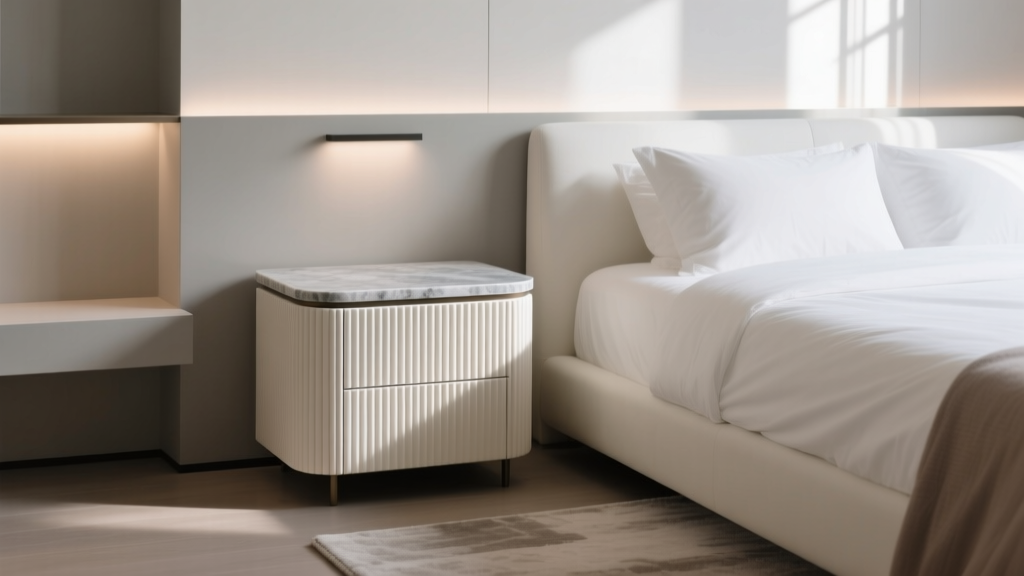 Bedroom Fluted Nightstand with Stone Top - The Decor Mag
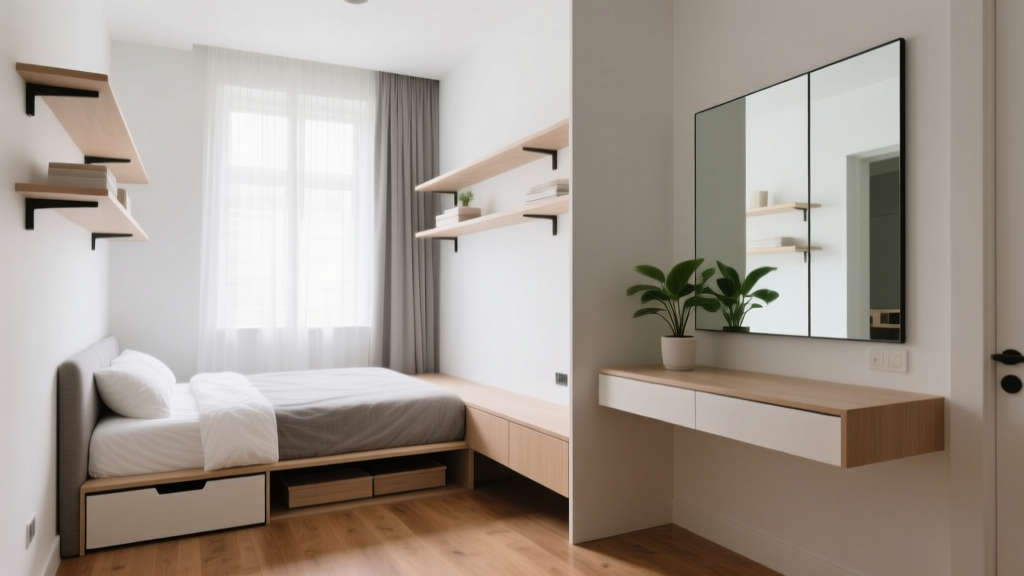 Small Bedroom Layout Hacks for Apartments (2026)