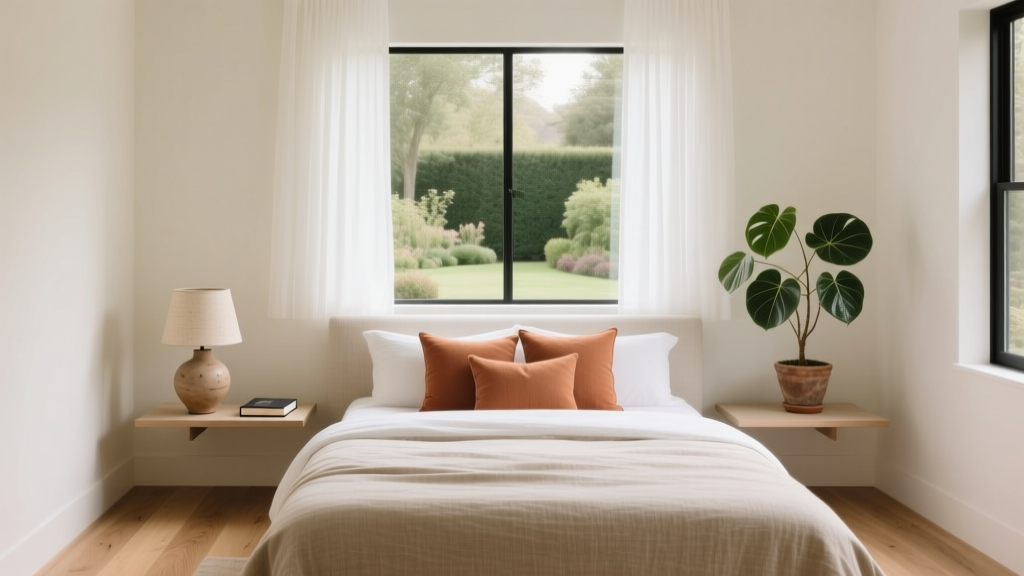
Bedroom Styling with Intentional Design | The Decor Mag
A bedroom can look beautiful and still feel “off.” You might have the right bed frame, a decent rug, and a few art prints, yet the space doesn’t invite you to unwind. That’s because restful bedrooms aren’t created by accident—they’re shaped by intentional design: choices that support sleep, reduce visual noise, and make daily routines feel easier.
Intentional bedroom design is more than decorating. It’s arranging furniture to improve flow, selecting materials that feel good on skin, controlling light and sound, and building a sleep environment that gently cues your nervous system to shift into rest mode. When your room supports your body’s natural rhythms, you’re more likely to fall asleep faster, stay asleep longer, and wake feeling steadier.
Whether you own or rent, you can design a calming bedroom without a total renovation. The goal is a space that looks cohesive, functions smoothly, and actively protects sleep quality—through layout, lighting, bedding, and thoughtful decor choices.
What “Intentional Design” Means in a Bedroom
Intentional bedroom design is the practice of decorating with clear priorities: comfort, function, and a soothing mood—then choosing every element (from furniture to wall color) to reinforce those priorities.
Start with three simple intentions
- Rest: Support sleep hygiene with darkness, quiet, cool temperatures, and comfortable bedding.
- Ease: Make daily routines simple—getting dressed, reading, charging devices, storing laundry.
- Calm: Reduce clutter and overstimulation with cohesive color, soft textures, and balanced proportions.
A quick “bedroom audit” (10 minutes)
- Stand at the doorway. What are the first three things you notice?
- Identify one stress trigger (clutter pile, harsh lighting, tangled cords, crowded walkway).
- Identify one comfort anchor (your pillow, a favorite throw, a lamp with warm light).
- Decide what to remove, what to upgrade, and what to reposition.
Layout First: The Foundation of a Restful Bedroom
Before buying decor, refine the layout. A well-planned bedroom layout improves flow, reduces frustration, and makes the room feel quieter—an underrated factor in sleep quality.
Bed placement: where it matters most
- Anchor the bed on a solid wall when possible. This visually stabilizes the room and makes it feel grounded.
- Avoid placing the bed directly under a window if drafts, streetlight, or morning sun disrupt sleep. If that’s your only option, use blackout curtains and a solid headboard.
- Leave clear paths on both sides (ideally 24–30 inches). If space is tight, prioritize one clear side plus the foot of the bed.
- Keep the bed away from direct door alignment if it makes you feel exposed. Even a small shift in angle or adding a bench at the foot can help.
Right-size your furniture (especially for renters)
Many bedrooms feel restless because the furniture scale is wrong. Oversized nightstands or bulky dressers crowd the room and visually “press” on the bed area.
- Nightstands: Choose a width that doesn’t steal walking space; height should be within 2 inches of your mattress top.
- Dresser: If your room is narrow, consider a tallboy (vertical dresser) or a low, wide dresser that doubles as a media-free surface for a lamp and tray.
- Seating: If there’s room, add one intentional piece (a small upholstered chair or a storage bench) instead of multiple random items.
Budget ranges for key layout upgrades
- Space-saving nightstands: $60–$250 (floating shelves, slim cabinets, wall-mounted drawers)
- Storage bed frame: $250–$900 (platform with drawers, lift-up storage)
- Room-darkening curtains + rod: $50–$200
Choose a Calming Color Palette (That Still Feels Like You)
Color affects mood, perceived temperature, and how visually “loud” a room feels at night. For a sleep-friendly bedroom design, aim for lower contrast and softer saturation—especially around the bed.
Sleep-supportive color families
- Warm neutrals: cream, oatmeal, sand, warm gray (cozy, flattering light)
- Soft greens: sage, olive-gray (nature-coded calm, pairs well with wood)
- Muted blues: dusty blue, blue-gray (cooling, visually quiet)
- Earth tones: clay, terracotta-tinted beige (grounding when used sparingly)
Easy palette formula (works in most bedrooms)
- 60% base: wall color + large textiles (duvet, rug)
- 30% secondary: curtains, upholstered headboard, accent chair
- 10% accent: art, throw pillow, a ceramic lamp, a single bold color note
If you rent and can’t paint, mimic a wall color through large-scale textiles: a tall fabric headboard, floor-to-ceiling curtains, or a substantial rug under the bed.
Furniture That Supports Rest (Not Just Style)
Intentional bedroom furniture choices minimize friction: no wobbling nightstand, no harsh edges in a tight walkway, no “where do I put this?” moments at bedtime.
The bed frame: quiet, sturdy, and supportive
- Platform bed for a clean look and fewer squeaks (great for minimal bedroom decor).
- Upholstered headboard for reading comfort and sound softening.
- Solid wood frame for longevity and a warmer feel than metal.
Material notes: Choose FSC-certified wood when possible. For upholstery, linen blends or performance fabric offer a calm texture and easier maintenance.
Nightstand setup: the “sleep landing zone”
Your nightstand should reduce bedtime decision-making. Keep it simple and consistent on both sides if two people share the bed.
- Warm, dimmable lamp (or wall sconce to free surface space)
- Small tray for essentials (lip balm, glasses, ring dish)
- Carafe or lidded water cup
- One book only (avoid stacks that read as clutter)
Storage that prevents visual clutter
- Closed storage (dressers with solid fronts, lidded baskets) calms the eye more than open shelving.
- Under-bed storage works best with uniform bins and a bed skirt or frame with drawers.
- Closet upgrades: slim hangers, shelf dividers, and a hamper with a lid reduce “mess signals.”
Budget tip: If a new dresser isn’t possible, swap mismatched knobs for a unified set ($15–$60) and use a larger catchall tray ($10–$40) to visually tidy the top.
Bedding and Textiles: Where Comfort Becomes Design
Bedding is both decor and sleep equipment. The best bedroom styling starts with textiles that regulate temperature, feel soothing on skin, and look effortlessly layered.
Material recommendations for better sleep comfort
- Cotton percale: crisp, breathable, ideal for hot sleepers (typically $60–$220 per sheet set)
- Cotton sateen: smoother, slightly warmer feel (often $70–$250)
- Linen: airy, textured, great for temperature swings (often $160–$400; look for stone-washed linen)
- Wool: excellent for thermoregulation in blankets and mattress toppers (blankets often $120–$350)
Layering formula that looks styled and feels functional
- Fitted sheet + top sheet (optional if you prefer duvet-only)
- Duvet insert matched to your climate (all-season for most; lightweight for warm rooms)
- Duvet cover in a calm solid or subtle pattern
- Throw blanket folded at the foot for texture and warmth
- Pillows: sleeping pillows plus 1–2 shams; avoid too many decorative pillows that require nightly removal
Pillow wellness tip: If you wake with neck tension, the best decor upgrade may be a better pillow. Side sleepers often do well with a higher-loft option; back sleepers typically prefer medium loft. Budget range: $40–$180 per pillow depending on fill (down alternative, latex, memory foam, down).
Lighting Design for a Sleep-Friendly Bedroom
Lighting is one of the fastest ways to change how a bedroom feels. A layered lighting plan supports circadian rhythm by keeping evenings warm and low, while still giving you practical task light.
Use three layers of light
- Ambient: ceiling fixture or flush mount on a dimmer
- Task: bedside lamp or adjustable wall sconce for reading
- Accent: soft glow from a floor lamp, picture light, or LED strip tucked behind a headboard
Bulb and fixture specifics
- Warm color temperature: 2200K–2700K for evening calm
- Dimmable bulbs: essential for wind-down (budget $10–$30 per bulb; smart bulbs $15–$50)
- Shades matter: fabric or frosted glass reduces glare compared to clear bulbs
Sleep tip: If you read in bed, aim the light at your book, not your face. Glare can feel stimulating even when the bulb is warm.
Decor with Purpose: What to Add (and What to Skip)
Intentional decor isn’t about having less—it’s about having fewer, better items that earn their place. The goal is a calming bedroom environment with visual continuity.
High-impact decor choices
- Rug under the bed: softens sound and adds warmth. Size guideline: choose a rug that extends at least 18–24 inches beyond the sides of the bed. Budget: $120–$600+.
- Art with low visual “noise”: landscapes, abstracts, soft photography. Hang centered over the headboard or on the wall you see from bed.
- One natural element: wood, linen, rattan, stone, or a low-maintenance plant (snake plant, pothos) if light allows.
- A calming scent ritual: linen spray or essential oil diffuser with gentle oils (lavender, cedarwood). Skip overpowering fragrances.
Keep technology from dominating the room
- Use a covered charging station inside a drawer or a cord box ($12–$40).
- Swap a bright digital clock for a low-glow clock or keep time off the nightstand entirely.
- If a TV is in the bedroom, consider a cabinet or a frame-style display and keep viewing habits intentional.
Wellness Tips That Make Bedroom Design More Effective
A beautiful bedroom helps, but sleep quality improves most when design and habits work together.
- Prioritize darkness: blackout curtains or lined Roman shades reduce light pollution. Add a draft stopper if streetlight leaks under the door.
- Reduce noise: thicker curtains, a rug, upholstered headboard, and a white noise machine can soften disruptive sound. Budget: $25–$70 for a noise machine.
- Keep the room cool: most sleepers prefer a cooler bedroom. Use breathable bedding and a fan if needed.
- Create a 10-minute reset routine: clear surfaces, put clothes in a hamper, set the lamp to low—your brain reads the room as “ready for rest.”
Common Mistakes to Avoid
- Choosing style over comfort for bedding: scratchy fabrics and overly heavy duvets can disrupt sleep even if they look great.
- Harsh overhead lighting only: a single bright ceiling light makes the room feel clinical at night.
- Too many small decor items: lots of little objects create visual clutter and feel mentally “busy.”
- Ignoring scale: tiny art over a large bed, or a massive dresser in a small room, throws off balance.
- Open storage overload: exposed piles signal unfinished tasks, which can raise stress at bedtime.
- Blue-white bulbs (4000K+): they read as daytime light and can make evenings feel more alert than restful.
FAQ: Intentional Bedroom Design and Sleep
What is the best bedroom layout for sleep?
A layout that keeps clear walkways, anchors the bed on a solid wall, and minimizes light and noise exposure. If possible, place the bed away from direct streetlight and allow space on both sides for easier movement and a calmer feel.
What colors are best for a relaxing bedroom?
Soft neutrals, muted greens, and dusty blues are popular for relaxing bedroom decor because they’re low-contrast and visually quiet. If you love bold color, use it as a smaller accent rather than the main wall color.
How can I make my bedroom look expensive on a budget?
Focus on high-visibility upgrades: floor-to-ceiling curtains, matching warm light bulbs, a larger rug, and cohesive bedding in natural fabrics. Budget-friendly “luxury signals” include a substantial headboard, upgraded hardware, and streamlined storage.
What bedding materials help with temperature regulation?
Cotton percale and linen are top choices for breathability; wool blankets and toppers help regulate temperature across seasons. If you sleep hot, avoid overly synthetic fabrics that trap heat.
Should I put a desk in my bedroom?
If you can avoid it, yes—separating work and sleep often improves sleep quality. If a desk must be in the bedroom, keep it out of your direct line of sight from the bed, use closed storage, and “close” work at night (laptop away, chair tucked in, lamp off).
How do I reduce clutter in a small bedroom?
Choose closed storage, use under-bed bins with matching containers, and keep surfaces simple. A small bedroom benefits from fewer decor items, wall-mounted lighting, and furniture with built-in storage.
Next Steps: Style Your Bedroom with Intention (Without Overthinking)
Start with the changes that affect sleep the most: lighting, bedding comfort, and clutter control. Then refine the layout and add decor that supports calm—one larger rug, one piece of meaningful art, and one natural texture can shift the entire mood. When your bedroom design is aligned with rest, the room feels like a cue to exhale.
- Choose a calming palette (2–3 main colors).
- Upgrade one sleep-essential: sheets, pillow, curtains, or lighting.
- Create a simple nightstand “landing zone.”
- Edit decor to a few purposeful pieces and add closed storage where possible.
For more calming bedroom design ideas, sleep-friendly decor tips, and practical styling guides, explore the latest inspiration on thedecormag.com.
More Articles
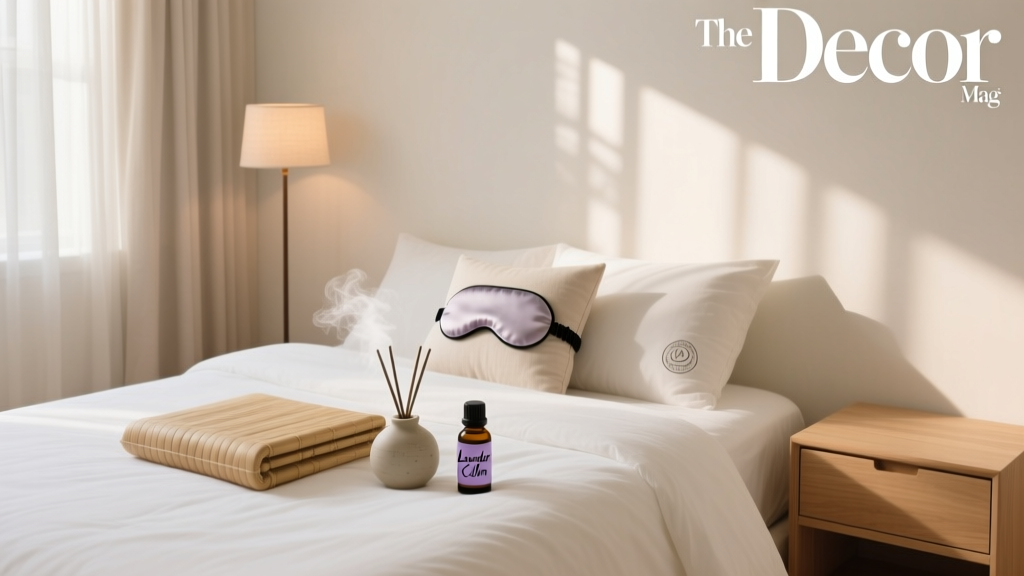 Best Bedroom Sleep Hygiene Essentials - The Decor Mag
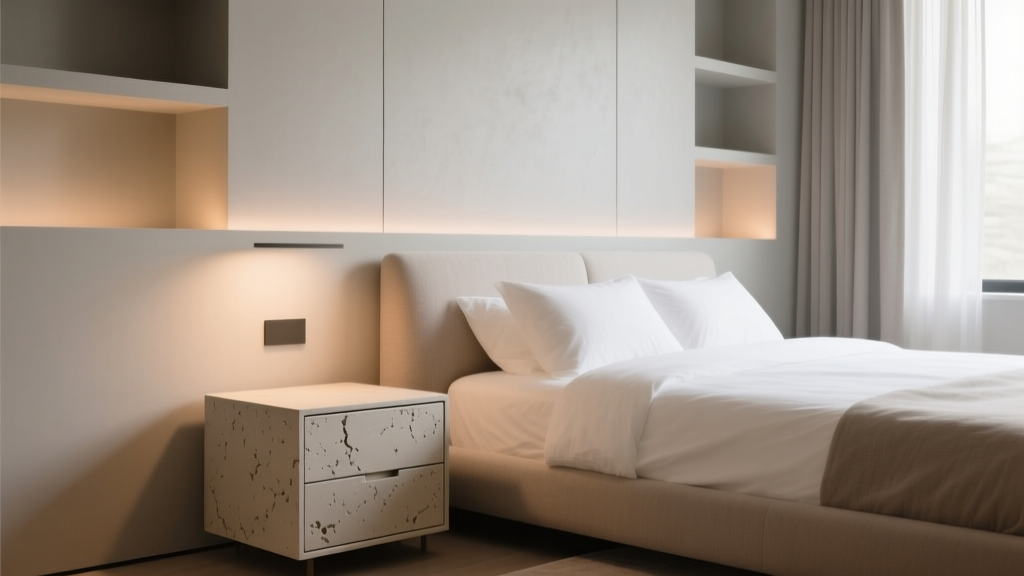 Bedroom Warm Plaster Nightstand Finish - The Decor Mag
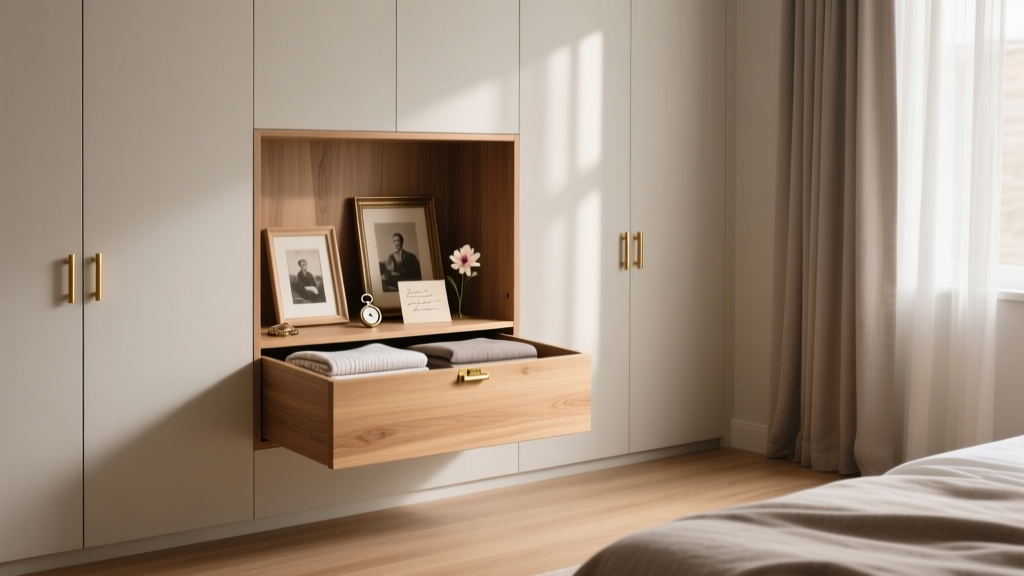 Best Bedroom Keepsake Box Storage - The Decor Mag
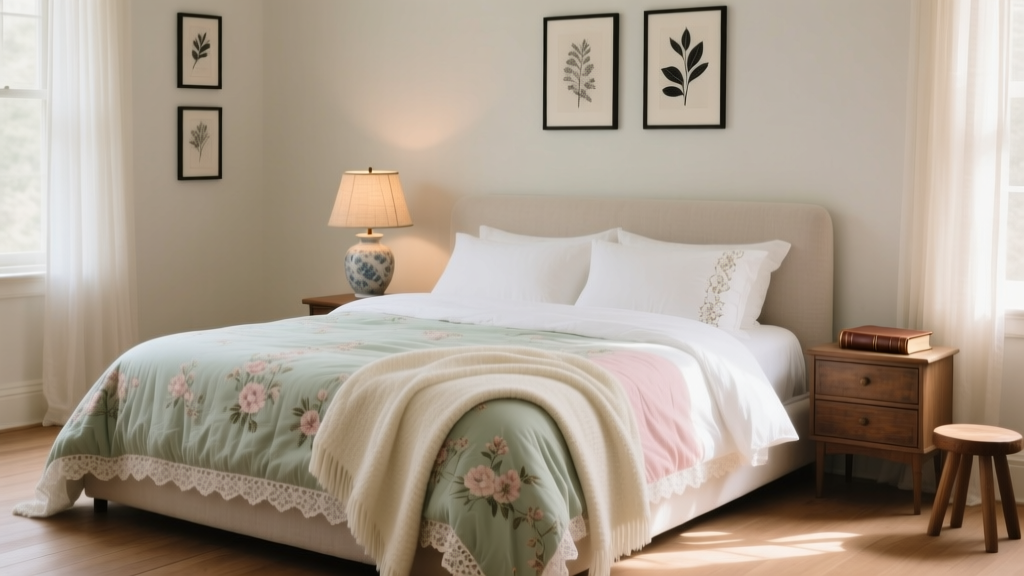 How to Incorporate Vintage Linens in Bedroom - The Decor Mag
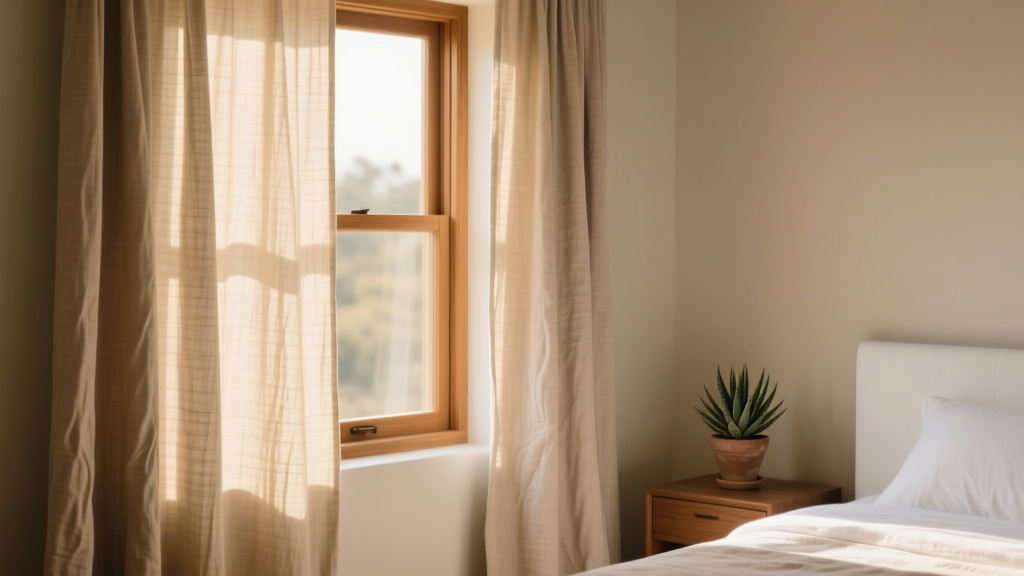 Bedroom Organic Linen Curtain Draping - The Decor Mag
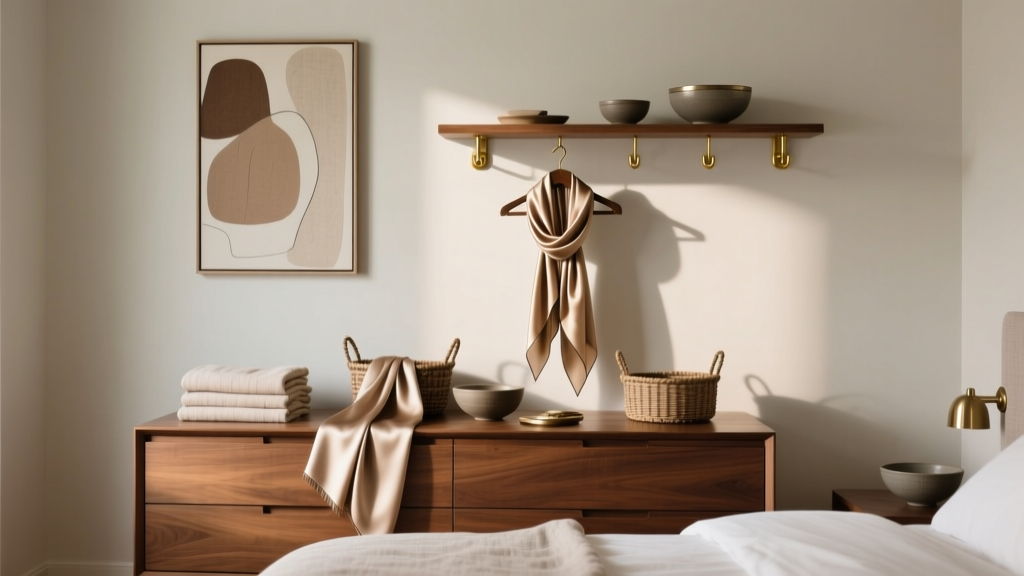 Best Bedroom Scarf and Accessory Storage - The Decor Mag
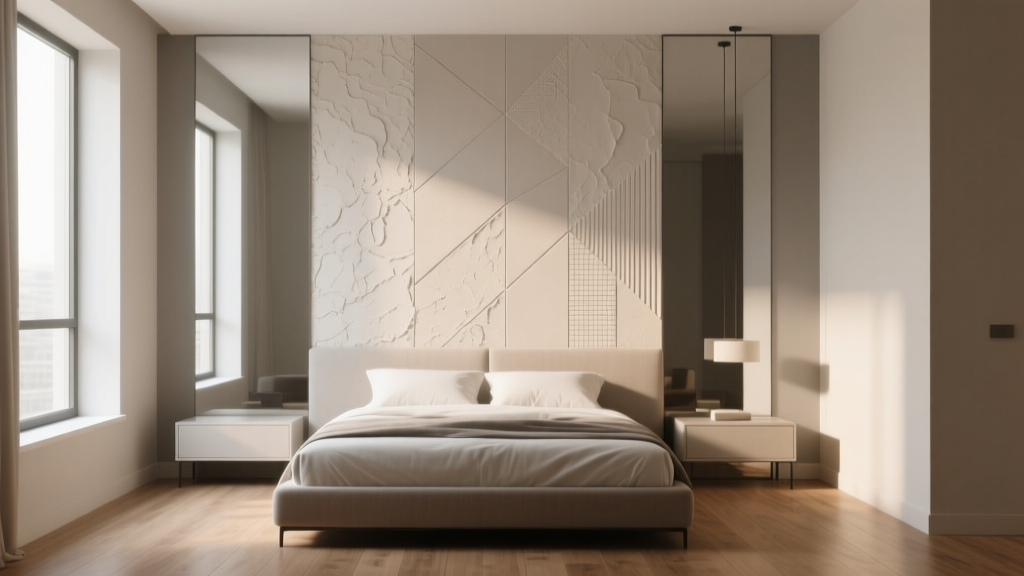 Bedroom Plaster Wall Treatment Ideas - The Decor Mag
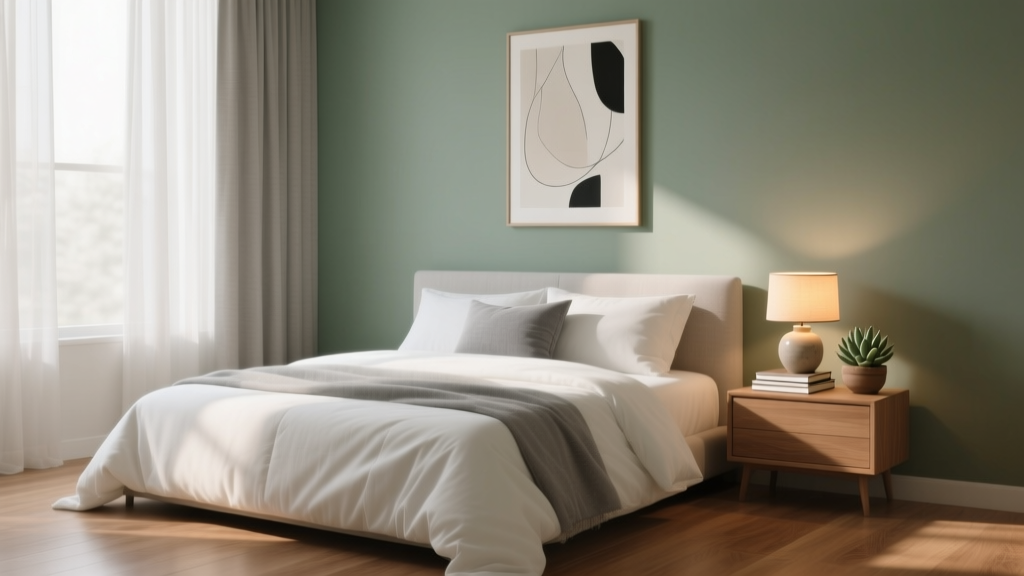 Best Bedroom Sleep Environment Checklist - The Decor Mag
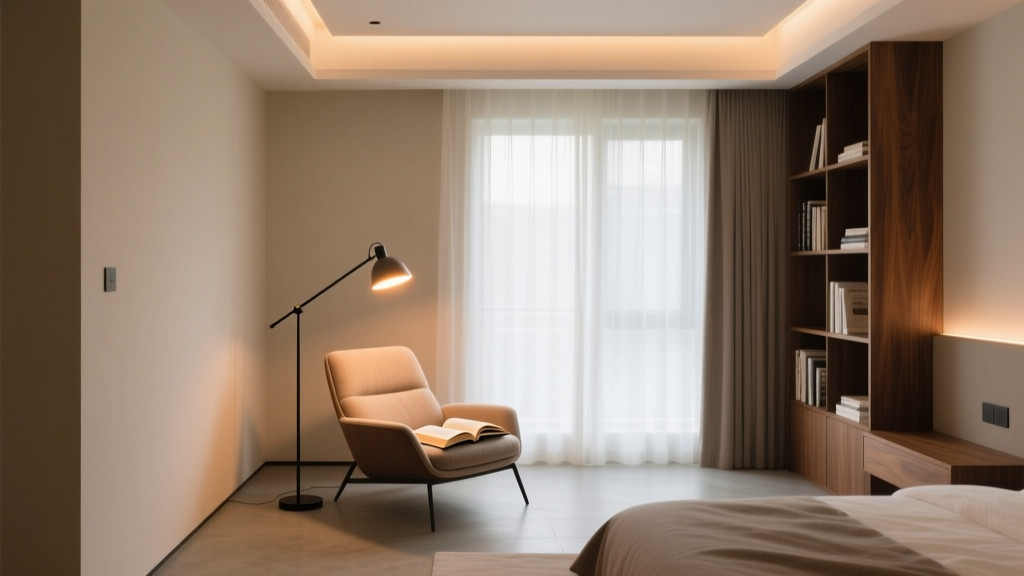 How to Choose Bedroom Lighting for Reading - The Decor Mag
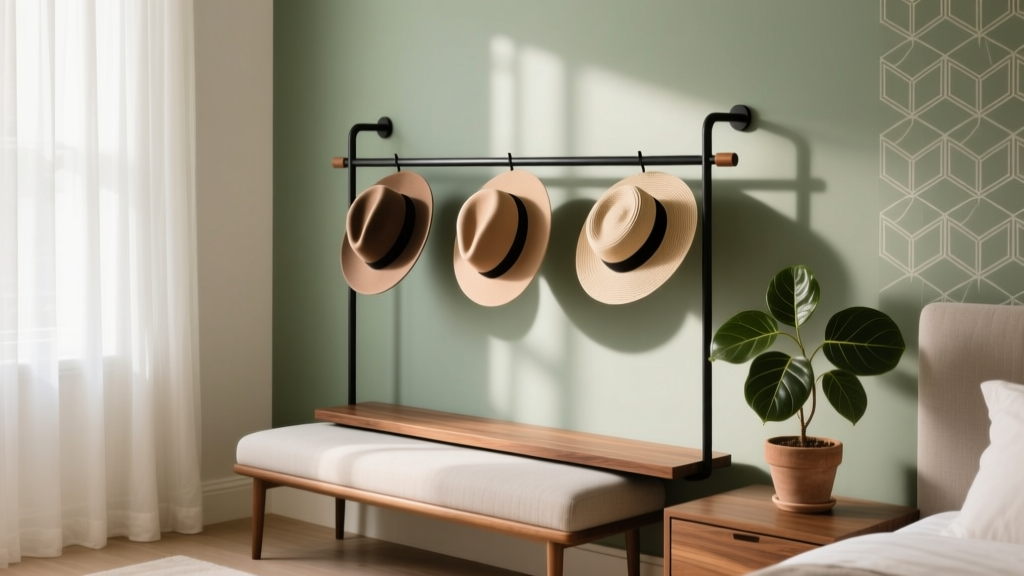 Best Bedroom Hat Storage Display - The Decor Mag