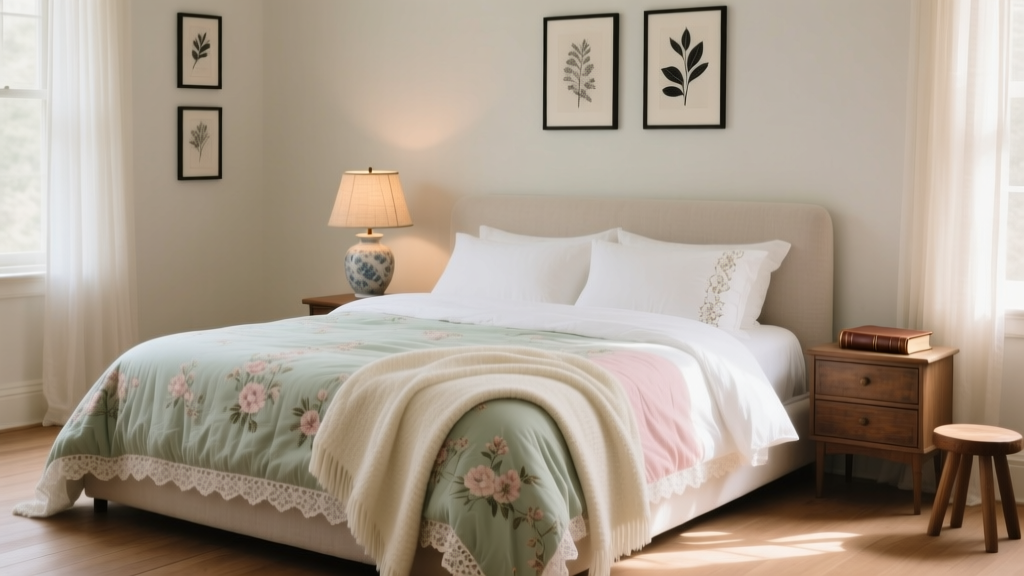
How to Incorporate Vintage Linens in Bedroom - The Decor Mag
There’s a quiet comfort to vintage linens: the softened hand of well-washed cotton, delicate embroidery that feels personal, and patterns that carry a sense of history. When brought into the bedroom thoughtfully, these pieces can do more than elevate decor—they can help create a calmer sleep environment. A bedroom that feels reassuring and lived-in tends to invite slower breathing, a steadier nervous system, and an easier transition into rest.
Design choices influence sleep quality in subtle but real ways. Texture affects how safe and soothed you feel in bed. Color temperature influences melatonin production. Clutter can raise stress, while a cohesive layout supports a sense of order. Vintage linens sit at a helpful intersection of comfort and character: they add warmth without needing a full renovation, and they pair beautifully with sleep-friendly bedroom design principles.
Whether you’ve collected heirloom pieces or you’re browsing thrift stores and online marketplaces, the goal is the same: create a bedroom that looks serene, feels inviting, and supports deep, uninterrupted sleep.
Why Vintage Linens Work So Well in Bedroom Design
They naturally soften a sleep space
Many vintage textiles have already gone through years of washing, which can make them feel gentler than brand-new bedding. This softness matters for sleep wellness: fewer scratchy textures and less tactile irritation can reduce nighttime micro-awakenings.
They add character without visual noise
A bedroom designed for rest benefits from “low visual friction.” Vintage linens often feature subtle details—hemstitching, scalloped edges, faded stripes—that read as calming rather than busy, especially when balanced with solids.
They support sustainable, budget-friendly decorating
Decorating with secondhand or inherited linens is also a more sustainable approach to bedroom decor. You can make a noticeable design change for far less than replacing furniture or repainting an entire room.
Choosing the Right Vintage Linens for Comfort and Sleep Quality
Best materials for a sleep-friendly bed
Prioritize breathable, skin-friendly natural fibers. These help regulate temperature—one of the biggest drivers of sleep quality.
- Cotton (percale, plain weave, or soft vintage sheeting): crisp, breathable, ideal for warm sleepers
- Linen (flax): moisture-wicking, airy, excellent for hot flashes and summer sleep
- Cotton-linen blends: a practical balance of softness and drape
- Wool blankets (vintage): great for insulating without overheating, especially in cooler climates
Use caution with: fragile silk (can snag and be higher maintenance), heavily starched pieces (less cozy), or anything that feels itchy. If it doesn’t feel good against your skin, it won’t support restful sleep.
What to look for when buying vintage bedding
Before you commit to a set of vintage sheets or a quilt, check for durability and comfort. A linen can be beautiful and still not be suitable for daily use.
- Fiber content: look for cotton/linen labels when possible; if unlabeled, feel for breathability
- Weave integrity: hold fabric up to light; thin, weak areas may tear
- Stains and odors: mild discoloration is common, but persistent mildew smell is a red flag
- Seams and edges: check for fraying, loose hems, and old repairs
- Size: vintage sheets may not match modern mattress depths (especially with pillow-top mattresses)
Budget ranges (what to expect)
- Thrifted pillowcases/napkins (as accents): $5–$25
- Vintage flat sheets (for top layers or DIY duvet covers): $15–$60
- Vintage quilts/coverlets: $60–$250 (handmade or rare patterns can be higher)
- Antique lace pieces or embroidered sets: $30–$200+ depending on condition and workmanship
How to Style Vintage Linens on the Bed (Without Making It Feel Like a Museum)
Start with a breathable base layer
Your base layers matter most for sleep comfort. Consider using modern fitted sheets for a secure fit and pairing them with vintage layers that touch your skin less (or only where you prefer).
- Modern fitted sheet in cotton percale or bamboo-derived viscose (if you like a silky feel)
- Vintage flat sheet as a top sheet (if sizing works)
- Vintage quilt or coverlet on top for texture and character
Try the “one vintage statement” rule
If you want a calm bedroom design, limit strong patterns. Let one vintage piece be the star and keep the rest quiet.
- Statement quilt + solid sheets + simple throw pillows
- Embroidered pillow shams + solid duvet cover + neutral blanket
- Vintage lace topper folded at the foot of the bed + minimal bedding
Layer for warmth without overheating
For better sleep, aim for easy temperature control. Instead of one heavy comforter, layer lightweight vintage textiles you can remove during the night.
- Light cotton blanket (vintage or modern) as a middle layer
- Vintage quilt as the top layer for warmth and style
- Wool throw folded at the foot of the bed for cold nights
Color Palettes That Make Vintage Linens Feel Fresh and Sleep-Friendly
Color impacts mood, stress levels, and perceived brightness—key elements of a sleep environment. Vintage linens often come in soft whites, muted florals, faded blues, and warm neutrals. Build a palette that supports relaxation.
Soothing color combinations
- Ivory + warm beige + muted sage: calming, nature-inspired, great for bedrooms with warm light
- Soft white + dusty blue + pale gray: airy and cool, ideal for warm sleepers
- Oatmeal + terracotta accents + creamy white: cozy and grounded without feeling dark
- Blush + linen + antique brass: gentle and romantic, works well with vintage embroidery
Paint and wall ideas that complement vintage textiles
- Warm white (not stark) to make lace and embroidery look intentional
- Muted clay or soft taupe for a cocoon-like bedroom feel
- Desaturated green-gray for a calm, restorative vibe
Furniture and Layout Tips for a Relaxing Vintage-Modern Bedroom
Pair vintage linens with simple, supportive furniture
Let textiles add the charm while furniture stays grounded and functional. This keeps the bedroom from feeling cluttered—helpful for stress reduction and sleep quality.
- Bed frame: upholstered headboard for softness, or a simple wood frame for warmth
- Nightstands: closed storage reduces visual clutter (drawers or a cabinet style)
- Bench or trunk at the foot of the bed: perfect for storing quilts and throws
- Rug: wool or low-pile cotton for comfort underfoot (helps the room feel quieter)
A layout that supports rest
- Keep pathways clear to reduce stress and nighttime tripping hazards
- Place the bed so it feels anchored (often against the longest wall)
- Use symmetry when possible (matching lamps or balanced decor) to create a calmer visual rhythm
Lighting That Flatters Vintage Linens and Helps You Sleep
Lighting affects your circadian rhythm and the way textiles look in the room. Vintage linens shine under warm, low-glare light—and your brain benefits from reduced brightness in the evening.
Bedroom lighting recommendations
- Bedside lamps: warm bulbs (2200K–2700K) for evening wind-down
- Dimmers: one of the best upgrades for sleep-friendly lighting
- Wall sconces: free up nightstand space and create a soft glow
- Shaded fixtures: fabric or frosted glass reduces harsh glare
Budget ranges for lighting upgrades
- Warm LED bulbs: $10–$30 (multi-pack)
- Plug-in dimmer: $15–$35
- Bedside lamps: $40–$150 each
- Sconces (hardwired or plug-in): $60–$250
Practical Care Tips: Cleaning and Restoring Vintage Linens Safely
Vintage textiles can last decades longer with gentle care. Clean, fresh bedding also supports a healthier sleep environment, especially if you’re sensitive to dust.
How to wash vintage linens
- Start with a patch test: test a hidden corner with water and gentle detergent
- Use cool to lukewarm water: hot water can weaken older fibers
- Choose a mild detergent: fragrance-free is best for sensitive sleepers
- Skip harsh bleach: opt for oxygen-based brighteners if needed
- Air dry when possible: or tumble dry low to reduce stress on fibers
Simple restoration ideas
- Re-hem torn edges or add binding to quilts
- Turn pillowcases into shams with hidden envelope backs
- Use a duvet cover to protect a fragile vintage blanket while still showcasing it
Sleep Wellness: Using Vintage Textiles to Create a Better Sleep Environment
Keep allergens and dust under control
- Wash bedding weekly (or at least pillowcases weekly)
- Use zippered pillow and mattress protectors (especially for allergy-prone sleepers)
- Store extra quilts in breathable cotton bags, not plastic bins
Focus on thermal comfort
- Choose breathable materials (cotton, linen, wool) to reduce night sweats
- Layer blankets so you can adjust without fully waking
- If you sleep hot, use vintage quilts as a top layer over a light blanket rather than a heavy comforter
Make the bedroom feel emotionally calming
Vintage linens often carry a sense of story and sentiment. Use that to your advantage—comfort is part physical, part emotional.
- Display one folded quilt on a ladder or bench rather than piling multiple items on the bed
- Keep the palette consistent so the room reads as quiet and cohesive
- Choose textures that feel nurturing: matelassé, washed cotton, soft linen
Common Mistakes to Avoid When Decorating With Vintage Linens
- Using fragile pieces as daily-use sheets: heirloom lace or very thin cotton is better as an accent layer
- Overloading the bed with too many patterns: it can feel visually restless and busy
- Ignoring modern mattress sizing: vintage fitted sheets rarely fit today’s deeper mattresses
- Choosing scratchy or heavy textures: comfort always comes first for sleep quality
- Storing textiles in plastic: can trap moisture and cause musty odors
- Using harsh fragrance detergents: can irritate skin and disrupt sleep for sensitive sleepers
FAQ: Vintage Linens in Bedroom Decor
Are vintage sheets hygienic to sleep on?
Yes—if they’re properly cleaned and in good condition. Wash in gentle detergent, consider an extra rinse, and avoid pieces with persistent mildew odors or weakened fabric. If you have allergies, use protectors and wash pillowcases frequently.
What if vintage sheets don’t fit my mattress?
This is common with modern deep mattresses. Use modern fitted sheets for fit, then style a vintage flat sheet as a top layer, or repurpose vintage fabric into shams, a duvet cover, or a decorative bed runner.
How do I mix vintage linens with modern bedroom design?
Keep the foundation modern and simple—clean-lined furniture, solid bedding basics, and warm lighting—then add one or two vintage textile accents. This balance feels fresh and restful rather than themed.
Which vintage textiles are best for hot sleepers?
Look for lightweight cotton, linen, and airy weaves. A vintage cotton coverlet or a thin quilt layered over a breathable sheet set tends to be more comfortable than heavy blankets.
How can I decorate with vintage linens on a budget?
Start small: pillowcases, a single embroidered sham, or a folded vintage throw at the foot of the bed. Thrift stores and estate sales often have excellent finds in the $5–$60 range.
Can I use vintage linens if I want a minimal bedroom?
Absolutely. Choose a monochrome palette (soft white, oatmeal, pale gray) and let texture do the work—subtle embroidery, hemstitching, or a simple vintage quilt can add depth without adding clutter.
Next Steps: A Calm Plan for Bringing Vintage Linens Into Your Bedroom
- Pick one hero piece (a quilt, coverlet, or pair of embroidered shams).
- Build around it with breathable basics in cotton percale or linen for a comfortable sleep environment.
- Set the mood with warm lighting (2200K–2700K bulbs, dimmers if possible).
- Keep the layout clear and the palette quiet so the bedroom feels restful, not busy.
- Care for textiles gently to preserve softness and longevity.
Vintage linens can turn an ordinary bedroom into a more restorative space—layer by layer, with comfort leading every decision. For more calming bedroom design ideas, sleep-friendly decor tips, and cozy styling guides, explore the latest inspiration on thedecormag.com.
More Articles
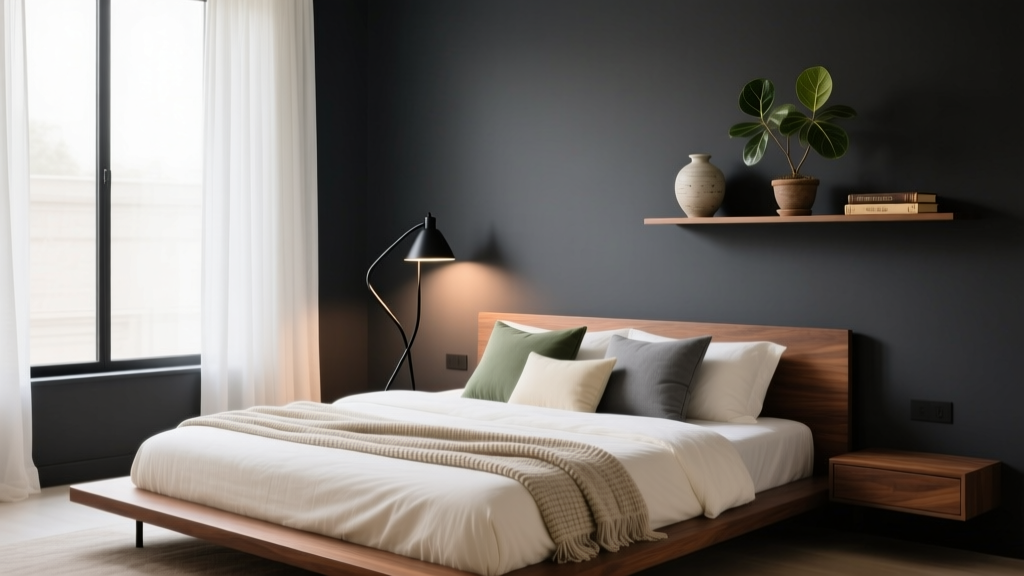 How to Style a Bedroom with Dark Walls - The Decor Mag
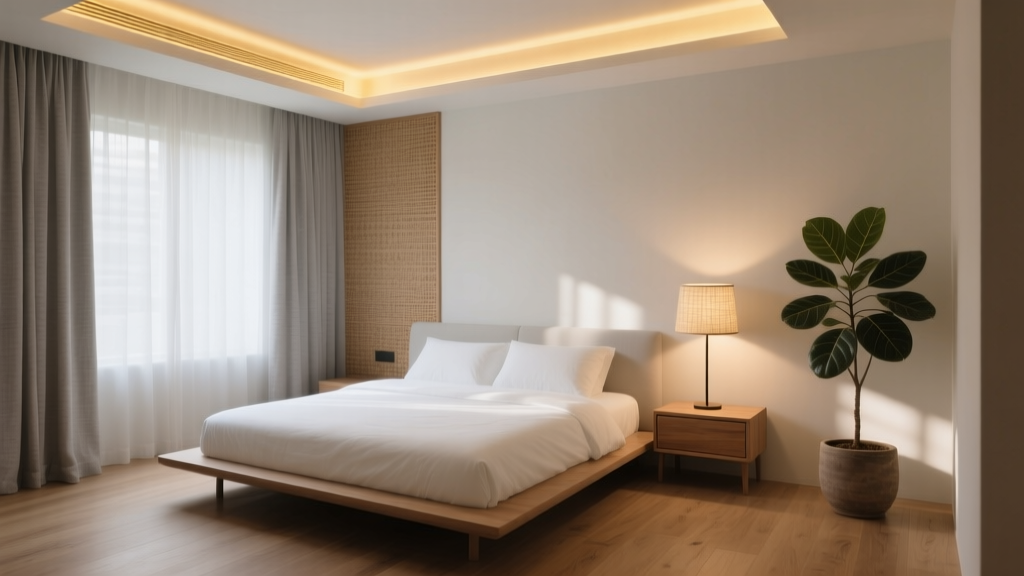 Bedroom Lighting Ideas for Soothing Ambiance (2026)
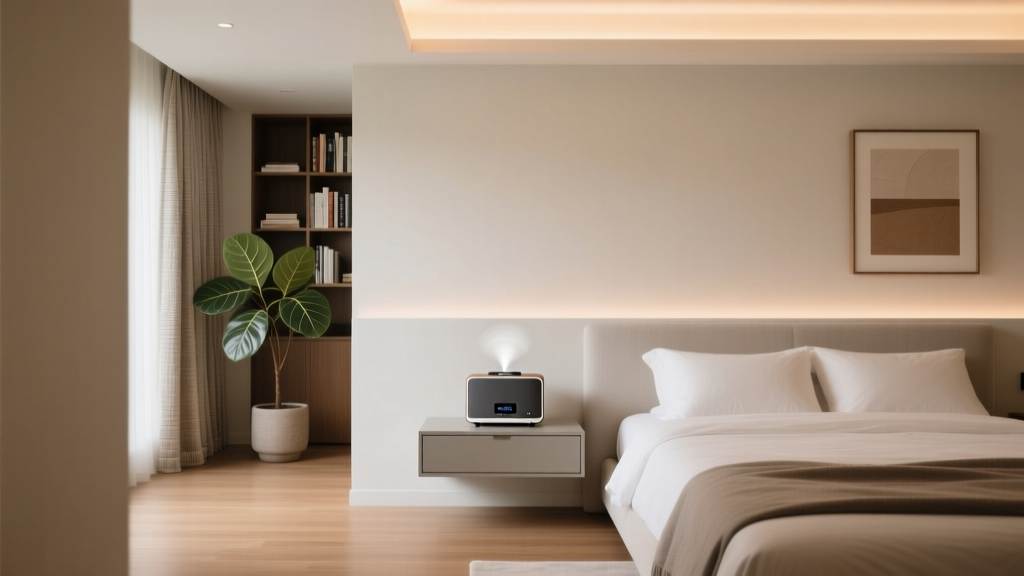 Best Bedroom Sound Machine Placement - The Decor Mag
 Best Bedroom Bedside Notebook and Pen - The Decor Mag
 How to Choose Bedroom Lighting for Reading - The Decor Mag
 Scheme Kitchen Design Essentials: Precision, Proportion, and Purpose-Built Functionality
 Bedroom Curved Furniture Design Trend - The Decor Mag
 How to Choose Bedroom Throw Size for Bed - The Decor Mag
 How to Create a Bedroom That Feels Collected - The Decor Mag
 Best Bedroom Keepsake Box Storage - The Decor Mag