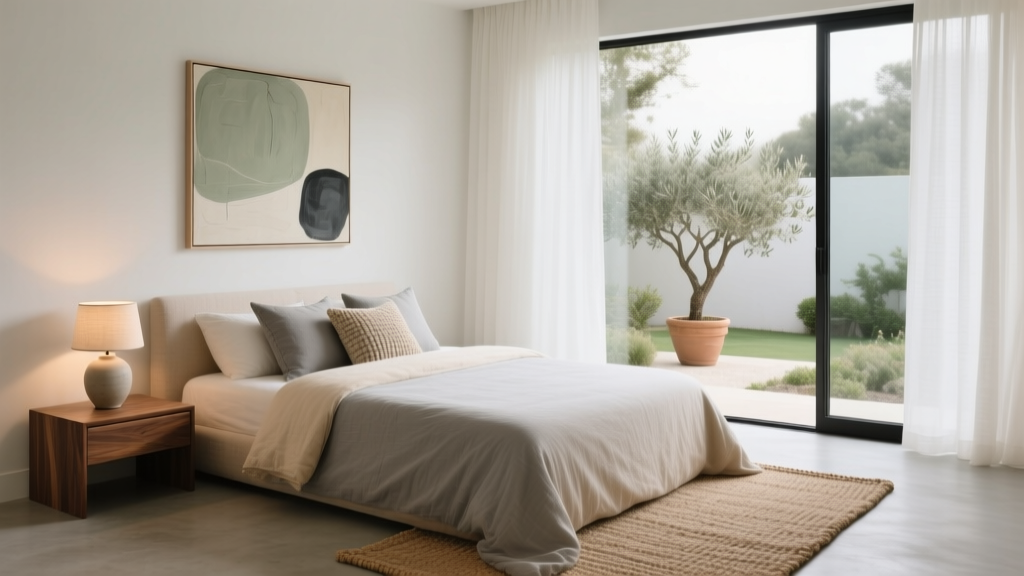
How to Create a Calming Bedroom Retreat - The Decor Mag
Your bedroom is more than a place to store clothes and collapse at the end of the day. It’s the one room designed around restoration—where your nervous system downshifts, your mind processes the day, and your body gets the deep sleep it needs to repair and reset.
When the bedroom feels cluttered, glaringly bright, or visually “busy,” your brain reads it as unfinished business. That subtle sense of alertness can make it harder to fall asleep, stay asleep, and wake up feeling clear. A calming bedroom retreat supports sleep quality by reducing stimulation, improving comfort, and creating a consistent sleep environment your body learns to trust.
The good news: you don’t need a complete renovation to transform how your bedroom feels. With a few smart design choices—colors, lighting, layout, bedding, and a handful of wellness-focused upgrades—you can create a soothing space that works for real life and real budgets.
Start With the Goal: A Bedroom That Signals “Rest”
Before shopping or rearranging, define what “calm” means for you. Some people relax best in minimal, airy spaces; others want warmth, texture, and a cocoon-like feel. Use these guiding questions:
- What keeps you up? Light leaks, noise, temperature swings, uncomfortable bedding, clutter?
- What helps you unwind? Reading, stretching, a warm shower, soft music?
- What’s the visual vibe? Coastal quiet, modern minimal, soft traditional, Japandi, earthy organic?
Think of your bedroom design as sleep support. The goal is a calm, low-stimulation environment that makes winding down effortless.
Declutter and Simplify: The Fastest Way to Calm the Space
Visual clutter is mental clutter. If your eyes land on piles, cords, and unfinished tasks, your brain stays in “day mode.” A calmer bedroom retreat starts by editing what you see.
A quick, renter-friendly reset
- Clear surfaces: Nightstands, dresser tops, and window sills—leave only daily essentials.
- Relocate “work” items: Laptops, paperwork, gym equipment, and charging hubs belong elsewhere when possible.
- Hide the small stuff: Use baskets, lidded boxes, or drawer organizers for chargers, skincare, and accessories.
Storage upgrades that look good
- Under-bed storage bins (zippered fabric or low-profile rolling): $20–$90
- A storage bed (lift-up or drawers): $400–$1,500
- Closed nightstands (one drawer minimum): $120–$600 each
- Over-the-door hooks for robes and tomorrow’s outfit: $10–$40
Keep the bedroom as task-free as you can. The fewer reminders of chores and to-dos, the easier it is to relax.
Choose a Calming Color Palette (and Keep It Cohesive)
Color is one of the most powerful tools in bedroom decor because it shapes mood instantly. For a sleep-friendly bedroom design, lean into softened, low-contrast palettes that feel gentle at night and clean in the morning.
Calming bedroom colors that support relaxation
- Warm whites and creamy neutrals (less stark than bright white)
- Soft greige (a balanced gray-beige that feels grounded)
- Muted blues (dusty blue, slate blue, watercolor tones)
- Sage and eucalyptus greens (especially calming with natural textures)
- Warm clay and blush-taupes (soft warmth without being loud)
Paint and wall ideas for renters
- Peel-and-stick wallpaper in subtle texture or small-scale pattern: $40–$150 per roll
- Removable wall decals or a single large textile wall hanging: $30–$250
- Large art with a quiet palette to anchor the bed wall: $80–$500
A cohesive palette matters more than a trendy shade. Aim for 2–3 main colors plus 1–2 accent materials (like oak wood and brushed brass) to keep the room visually calm.
Layout That Feels Peaceful: Make the Bed the Clear Focal Point
A calming bedroom retreat is intuitive to move through. If you’re sidestepping furniture or squeezing past corners, your body stays slightly tense.
Simple layout guidelines
- Prioritize walkway space: Ideally 24–30 inches around the bed where possible.
- Center the bed on the main wall when you can—symmetry reads as restful.
- Keep mirrors thoughtful: If reflections feel energizing at night, angle mirrors away from the bed.
- Create zones: A sleep zone (bed + nightstands) and an optional calm zone (chair + lamp for reading).
Furniture recommendations for a calmer room
- Upholstered or wood headboard: Adds comfort and reduces “echo” compared to bare walls. $150–$900
- Nightstands with drawers: Visual quiet and practical storage. $120–$600 each
- A low-profile dresser (clean lines, closed storage): $300–$1,200
- One comfortable chair (if space allows): Avoid turning it into a clothes pile by adding a small basket nearby. $200–$900
If your bedroom is small, choose fewer pieces with better storage instead of many small items that create visual noise.
Bedding That Feels Like a Soft Landing (and Supports Sleep)
Bedding is where design and sleep wellness meet. The right layers regulate temperature, feel good on skin, and reduce nighttime wake-ups.
Best materials for a sleep-friendly bed
- Cotton percale: Crisp, breathable, great for hot sleepers. Sheet set: $60–$250
- Cotton sateen: Smoother and slightly warmer, with a gentle drape. $70–$300
- Linen: Airy, temperature-regulating, relaxed look. $140–$450
- Wool or wool-blend duvet insert: Excellent for temperature balance. $200–$500
- Down alternative inserts (quality microfiber fill): Helpful for allergies, easy care. $80–$250
Mattress and pillow comfort basics
- Mattress support: If your mattress is sagging or uncomfortable, design upgrades won’t fully fix sleep quality. Budget ranges: $600–$2,500+
- Pillows by sleep position:
- Side sleepers: medium-firm, higher loft
- Back sleepers: medium loft with neck support
- Stomach sleepers: soft, low loft
- Mattress topper for a quick upgrade: memory foam, latex, or quilted fiber. $80–$400
Layering formula for a calming bed (easy and beautiful)
- Breathable sheets (percale or linen)
- A lightweight duvet insert + washable duvet cover
- A cotton or linen quilt for texture (great for warm months)
- Two sleeping pillows + two shams (optional) to keep it tidy
- A throw at the foot of the bed for warmth and visual softness
Keep scents and detergents gentle. If you’re sensitive, look for fragrance-free laundry products and OEKO-TEX certified textiles.
Lighting That Helps You Wind Down (Not Wake Up)
Lighting is one of the most overlooked sleep environment factors. Bright, cool-toned light in the evening can signal your brain to stay alert. A calming bedroom uses layered, warm lighting to guide your body toward sleep.
The ideal bedroom lighting mix
- Ambient lighting: A ceiling fixture on a dimmer, or a shaded flush mount for smaller rooms
- Task lighting: Bedside lamps or wall sconces for reading
- Accent lighting: Soft glow from a salt lamp-style light, small table lamp, or LED strip behind a headboard (warm only)
What to look for when buying bulbs and fixtures
- Warm color temperature: 2200K–2700K for evening calm
- Dimmable bulbs: especially in bedside lamps
- Shaded fixtures: fabric or frosted glass to reduce glare
Budget-friendly lighting upgrades
- Plug-in wall sconces (great for renters): $40–$180 each
- Smart bulbs with scheduling and warm dimming: $15–$60 each
- Dimmer switch (if allowed) or plug-in dimmer: $10–$45
Try a “sunset routine”: dim lights 60–90 minutes before bed. It’s a simple habit that improves the sleep environment without changing your schedule.
Sound, Temperature, and Air Quality: The Hidden Design Layer
A calm-looking bedroom won’t feel restorative if it’s too hot, too loud, or stuffy. These wellness basics make a measurable difference in sleep quality.
Temperature targets and bedding choices
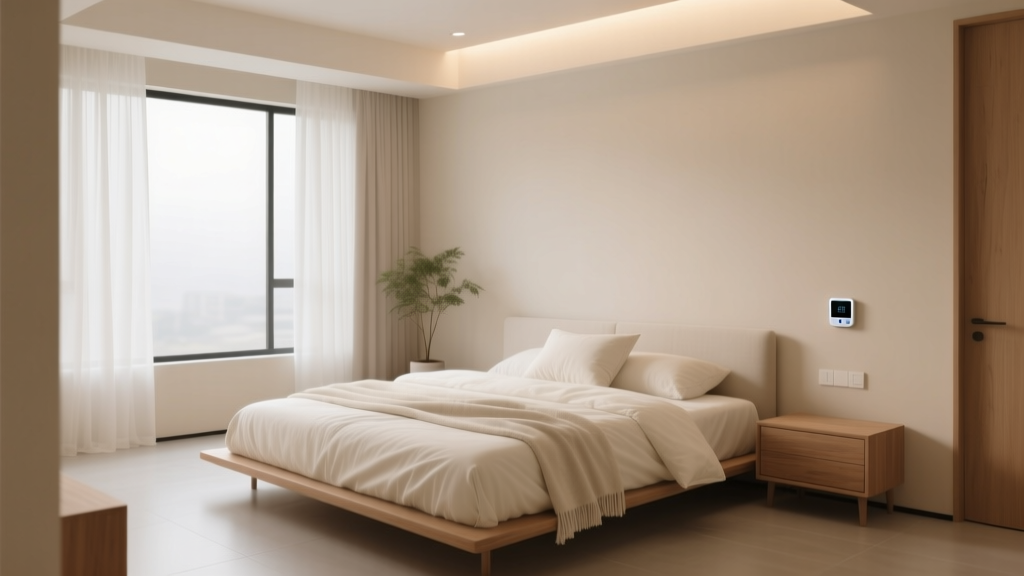
- Many sleepers rest best around 60–67°F (15–19°C).
- If you run warm, choose percale or linen and a lighter duvet insert.
- If you run cold, add a wool blanket or a heavier quilt layer.
Noise-softening decor that looks intentional
- Area rug (especially in apartments): $150–$800
- Full-length curtains (even if you also use blinds): $40–$300 per panel
- Upholstered headboard and fabric bedding layers to reduce echo
- White noise machine or a fan for consistent sound: $25–$80
Air quality upgrades
- HEPA air purifier for dust/pollen: $80–$300
- Washable mattress and pillow protectors: $20–$80
- Low-VOC paint and natural fiber textiles where possible
If you love candles, choose a cleaner-burning option (like beeswax) and avoid heavy fragrance close to bedtime. A bedroom retreat should feel fresh, not perfumed.
Add Texture and Nature Without Creating Clutter
Calm doesn’t have to mean plain. Texture adds softness and depth while keeping the visual palette restful.
Easy texture swaps for a calmer bedroom decor look
- Replace shiny synthetics with linen, cotton, wool, or velvet accents
- Add a woven basket for throws or books
- Choose wood tones (oak, walnut, bamboo) to warm up the space
Plants: a simple way to soften the room
- Low-maintenance options: snake plant, pothos, ZZ plant
- Best placement: a dresser corner or near indirect light
- Planter tip: choose one neutral planter style to keep it cohesive
If plants aren’t your thing, a framed botanical print or nature photography can deliver the same calming cue with zero upkeep.
Common Mistakes That Make a Bedroom Feel Less Restful
- Overdecorating the bed: Too many pillows and throws can feel fussy and become nightly clutter.
- Cool, bright lighting at night: 4000K+ bulbs can make the room feel like an office.
- Too many patterns competing: Stick to one main pattern and keep the rest solid or textured.
- Ignoring window coverage: Light leaks can disrupt sleep. Use blackout curtains or a blackout liner where needed.
- Turning the bedroom into a storage unit: If everything lands in the bedroom, it will never feel like a retreat.
- Buying decor before solving comfort: A beautiful room won’t matter if the mattress, pillow, or temperature keeps waking you up.
FAQ: Creating a Calming Bedroom Retreat
What is the best color for a calming bedroom?
Soft, low-contrast colors tend to feel most restful—warm white, greige, muted blue, and sage green are reliable choices. The best calming bedroom color is one you find soothing at night and pleasant in morning light.
How can I make my bedroom feel like a retreat on a budget?
Focus on high-impact basics: declutter surfaces, upgrade bulbs to warm dimmable lighting, add a rug or curtains for softness, and refresh bedding with breathable sheets. A realistic budget for a noticeable change is $150–$500, depending on what you already own.
Are blackout curtains worth it for sleep quality?
If streetlights, early sun, or neighbor lighting enters your room, blackout curtains can reduce sleep disruptions and help your body keep a consistent sleep-wake rhythm. For renters, try blackout liners or tension-rod options.
What bedding material is best for hot sleepers?
Cotton percale and linen are top choices for a cooler sleep environment. Pair them with a lightweight duvet insert and avoid overly heavy blankets that trap heat.
How do I make a small bedroom feel calm and not cramped?
Choose closed storage (nightstands with drawers, a dresser with clean lines), keep a tight color palette, and use wall-mounted or plug-in sconces to free up surface space. A mirror can help expand light, but place it where it doesn’t reflect the bed if that feels stimulating.
Should I keep a TV in the bedroom?
If you struggle with falling asleep or staying asleep, removing the TV (or at least setting firm viewing boundaries) often improves sleep quality. If it stays, hide cords, reduce screen brightness, and avoid watching in bed as part of your nightly wind-down.
Next Steps: A Calm Bedroom Plan You Can Do This Week
If you want a bedroom retreat that supports real rest, start small and build momentum. Here’s a simple one-week approach:
- Day 1: Clear nightstands and dresser tops; add one catch-all tray.
- Day 2: Swap to warm, dimmable bulbs and set a nightly dim schedule.
- Day 3: Refresh the bed—wash linens, simplify pillows, add one soft texture layer.
- Day 4: Improve light control with curtains or a blackout liner.
- Day 5: Adjust layout for better flow; make the bed the focal point.
- Day 6: Add one wellness upgrade (white noise, air purifier, or mattress topper).
- Day 7: Choose one calming visual anchor—art, a plant, or a soft-toned wall update.
Your bedroom doesn’t need to be perfect to be restorative. When bedroom design supports a healthy sleep environment—soft light, breathable bedding, uncluttered surfaces, and a layout that feels easy—your body gets the message: you’re safe to rest.
For more calming bedroom decor ideas, small-space layouts, and sleep-friendly upgrades, explore the bedroom guides at thedecormag.com.
More Articles
 Best Bedroom Sleep Temperature Guide - The Decor Mag
 Best Bedroom Sleep Tea Collection - The Decor Mag
 Bedroom Natural Stone Nightstand Top - The Decor Mag
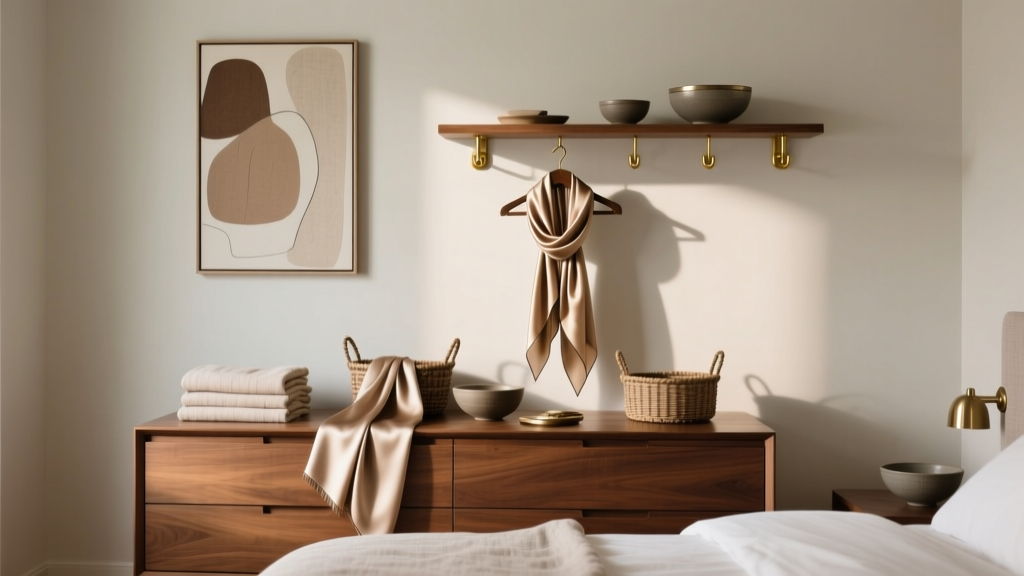 Best Bedroom Scarf and Accessory Storage - The Decor Mag
 Best Bedroom Watch Box Display - The Decor Mag
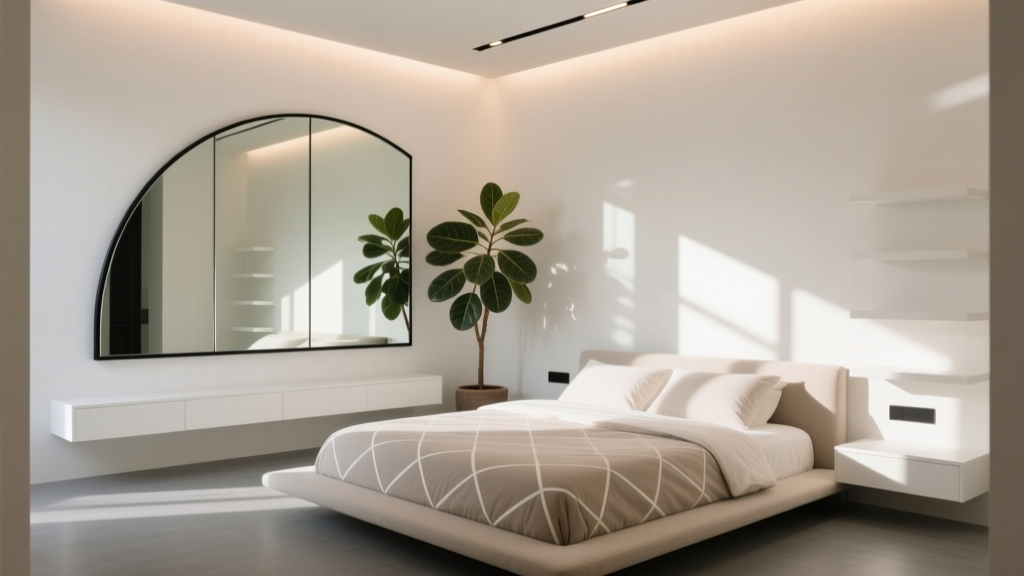 Bedroom Curved Mirror Above Bed Idea - The Decor Mag
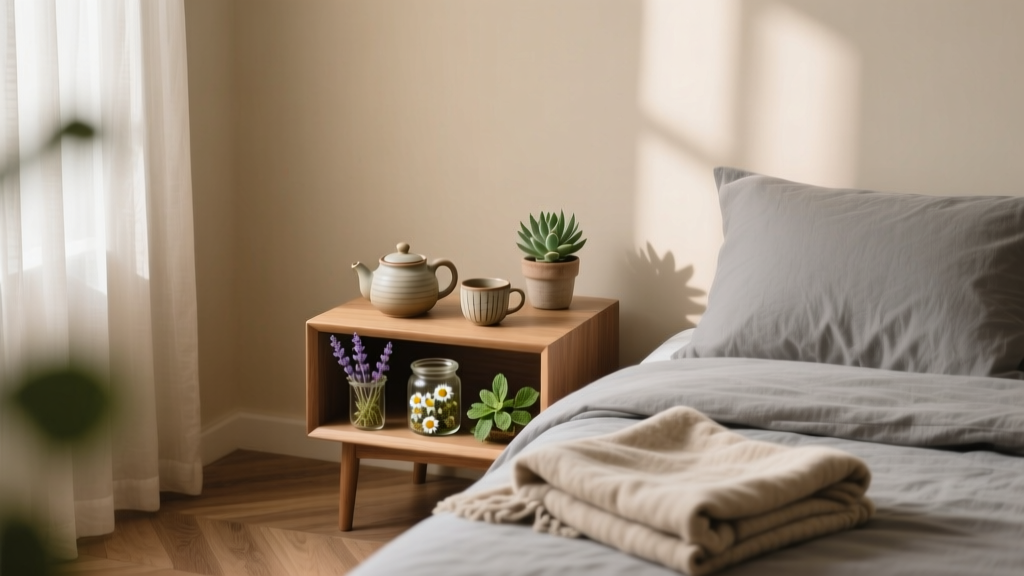 Best Bedroom Herbal Tea Bedside Setup - The Decor Mag
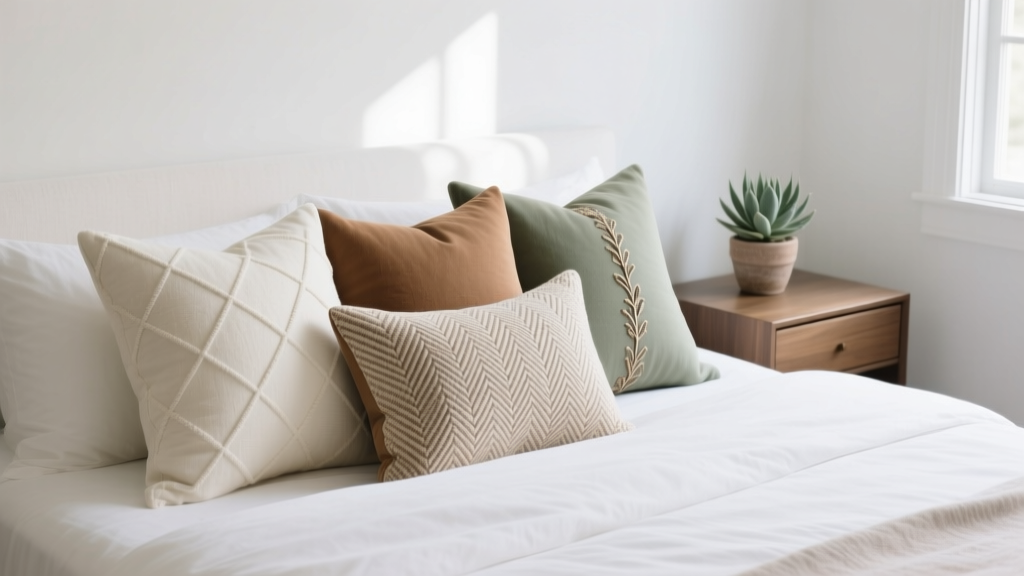 Best Bedroom Throw Pillow Combinations - The Decor Mag
 How to Create a Bedroom That Feels Warm - The Decor Mag
 How to Create a Bedroom That Feels Timeless - The Decor Mag