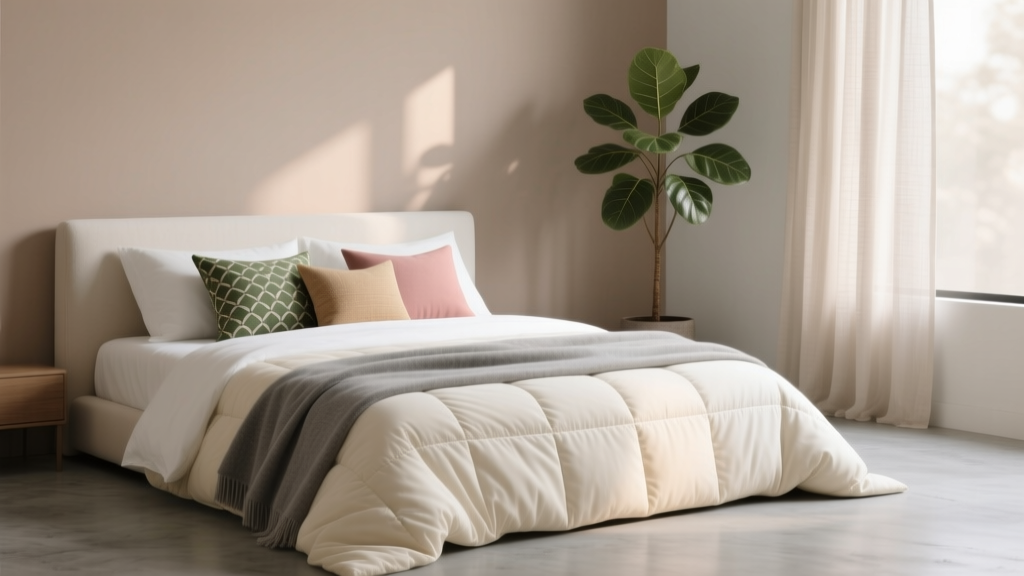
How to Layer Bedding Like a Designer - The Decor Mag
A well-layered bed isn’t just a style move—it’s one of the most effective ways to make your bedroom feel calmer, more comfortable, and genuinely sleep-friendly. When your bedding is thoughtfully built in layers, you can fine-tune warmth, texture, and support through the night. That means fewer wake-ups from overheating or feeling chilly, and more of that “sink in and exhale” comfort that helps your brain associate the bedroom with rest.
Designers love layered bedding because it creates depth and balance, but the best part is how practical it is for real life. Layers let you adapt to shifting seasons, different sleepers, and changing routines—without reinventing the whole room. With a few smart material choices, the right proportions, and a simple styling method, you can create a bed that looks magazine-worthy while supporting better sleep quality and overall wellbeing.
Start With the Sleep Foundation: Mattress, Support, and Bed Height
Bedding can only feel as good as the surface beneath it. Before you buy a new duvet cover, check the basics—especially if you’re waking with soreness, overheating, or that restless “can’t get comfortable” feeling.
Furniture and foundation recommendations
- Mattress support: A sturdy platform bed or slatted base (with closely spaced slats) prevents sagging and helps temperature regulation.
- Headboard comfort: Upholstered or padded headboards are quieter and cozier than metal, and they soften sound—helpful in apartments.
- Ideal bed height: Many designers aim for a bed that sits around knee height (roughly 22–27 inches from floor to top of mattress). It makes the bed feel substantial and easier to get in and out of, while visually anchoring the room.
Budget ranges:
- Supportive platform bed frame: $150–$500
- Upholstered headboard: $120–$600
- Mattress topper (if your mattress is too firm): $80–$250 for quality foam or wool blends
The Designer Layering Formula (From Bottom to Top)
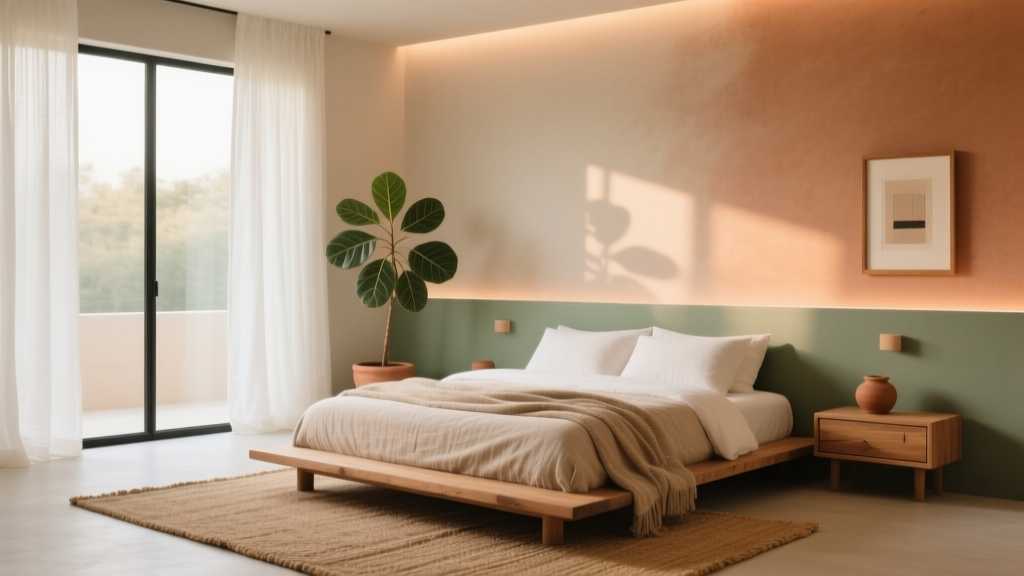
Think in functional layers: breathable base, temperature control layer, comfort layer, and a finishing layer. This approach helps your bedroom design look intentional and helps your sleep environment feel consistent.
1) The Base Layer: Mattress Protector + Fitted Sheet
Designers rarely talk about protectors, but sleep pros love them. A good protector keeps allergens, sweat, and spills from soaking into the mattress—especially important for asthma/allergy sensitivities and long-term mattress hygiene.
- Mattress protector: Choose a breathable option (cotton terry or Tencel) rather than crinkly plastic. Look for “cooling” or “moisture-wicking” labels if you sleep warm.
- Fitted sheet material:
- Best for hot sleepers: Percale cotton, linen, or Tencel/lyocell
- Best for cozy warmth: Sateen cotton or flannel (winter)
Budget ranges:
- Protector: $25–$90
- Quality fitted sheet: $30–$120 (more for linen)
2) The Smooth Layer: Flat Sheet (Optional, But Useful)
A flat sheet is optional, but it’s an elegant temperature-control tool and keeps your duvet cover cleaner. If you dislike tangled sheets, skip it and use a washable duvet cover with a lightweight insert.
- For a tailored look: Choose a crisp percale flat sheet and fold it back 6–10 inches over the duvet.
- For a relaxed look: Linen flat sheets drape softly and add natural texture.
3) The Warmth Layer: Duvet Insert or Comforter
This is your main comfort layer. Designers focus on loft and drape; sleep wellness focuses on breathability and temperature regulation. You can have both.
- Best all-around: A down-alternative insert with good fill distribution (especially for allergy-prone sleepers).
- Best for temperature regulation: Wool inserts are excellent for balancing warmth without trapping heat.
- Classic luxury feel: Down (look for responsibly sourced certification and a breathable cover).
Choose the right weight:
- Summer/lightweight: Great for hot sleepers, warm climates, or layered styling with a blanket
- All-season: Best for most bedrooms kept around 60–67°F
- Winter/heavyweight: Best if your home runs cold or you keep windows open
Budget ranges:
- Basic down-alternative insert: $40–$120
- Quality all-season insert: $120–$300
- Premium down or wool: $250–$600+
4) The Style Layer: Duvet Cover + Shams
The duvet cover is the visual anchor of your bedding. It’s also your most washable “top layer,” which matters for a clean sleep environment. Choose a fabric that suits your temperature and desired look.
- Best for a crisp designer bed: Cotton percale duvet cover
- Best for softness and subtle sheen: Cotton sateen
- Best for texture and relaxed calm: Linen (also very breathable)
Designer sizing tip: If you want that plush, hotel-style overhang, size up your duvet insert (for example, use a king insert in a queen cover only if the cover dimensions allow it). Many people prefer buying the duvet cover slightly oversized for better drape—always check measurements.
5) The Transitional Layer: Blanket or Coverlet
This is where a bed starts to look truly layered. A blanket adds texture, and it’s functional for temperature shifts at 2 a.m. without rearranging everything.
- Best materials:
- Cotton knit or matelassé for breathable texture
- Linen coverlet for relaxed drape
- Wool blend for warmth with good airflow
- Placement options:
- Folded across the foot of the bed (classic designer look)
- Laid flat between sheet and duvet (great for hot/cold couples)
Budget ranges:
- Cotton blanket: $35–$120
- Coverlet/matelassé: $80–$250
- Wool blend blanket: $120–$350
6) The Finishing Layer: Throw + Accent Pillows (With Restraint)
Accent pieces should add comfort and calm—not clutter. A throw makes the bed feel inviting and gives you a quick warmth boost for reading.
- Throw fabrics: Brushed cotton, lightweight wool, cashmere blend, or textured linen
- Where to place it: Casually draped on one corner, or folded in thirds across the foot
- Accent pillows: One or two are plenty for a soothing bedroom design. Choose soft texture over loud patterns.
Pillows, Shams, and the “Designer Stack” That Still Feels Practical
A designer pillow arrangement looks abundant, but it’s usually built from a simple formula. Keep it easy to reset each morning—your future self will thank you.
A simple, good-looking pillow formula
- Sleep pillows: 2 (standard/queen) or 2–3 (king), chosen for your sleep position
- Euro pillows: 2 (26" x 26") for a plush backrest and visual height
- Lumbar pillow: 1 for a tailored finishing touch
Sleep wellness tip: If neck pain is an issue, prioritize the right loft and material first (memory foam, latex, or adjustable fill) and treat decorative pillows as optional. Better sleep beats a perfect photo.
Color, Texture, and Pattern: A Calm Bedroom Palette That Supports Rest
Your sleep environment is strongly influenced by what your eyes take in at night and in the first minutes of the morning. Soft contrast and tactile materials help a room feel settled.
Designer-approved, sleep-friendly color approaches
- Monochrome layering: Multiple shades of the same color (ivory + oatmeal + sand) for instant calm
- Soft contrast: Light bedding with a slightly deeper throw or accent pillow (cream + taupe, pale gray + charcoal)
- Muted cool tones: Dusty blue, sage, or soft gray can feel quieting and spacious
Texture tips that add depth without visual noise
- Pair smooth (percale or sateen) with nubby (linen, matelassé, knit)
- Limit bold patterns to one layer (for example: patterned duvet, solid shams)
- Choose matte finishes for a softer look under bedroom lighting
Lighting and Layout: Make the Bed the Calm Centerpiece
Even perfect bedding won’t feel restful if the room lighting is harsh or the layout is cramped. Layering your bedroom lighting supports melatonin-friendly evenings and a gentler wind-down.
Lighting recommendations for a sleep-friendly bedroom
- Bedside lamps: Use warm bulbs (around 2700K) and soft shades to reduce glare.
- Dimmers: A dimmer switch or smart bulb lets you lower light levels 1–2 hours before bed.
- Balanced symmetry: Matching lamps (or similar-height sconces) make the room feel orderly—great for relaxation.
Budget ranges:
- Bedside lamps: $40–$200 each
- Plug-in sconces (renter-friendly): $50–$180 each
- Smart warm bulbs: $10–$25 each
Layout details that improve comfort
- Leave at least 24 inches of walking space on each side when possible.
- Use a bench or ottoman at the foot of the bed for throws and extra pillows (also reduces floor clutter).
- Keep the bedside surface clear: lamp + book + water is enough for a calmer, more restful bedroom.
Seasonal Layering: How Designers Keep Beds Comfortable Year-Round
The easiest way to make your bedroom feel luxurious is to adjust the top layers seasonally while keeping core pieces consistent.
Warm weather setup
- Percale or linen sheets
- Lightweight duvet insert or coverlet only
- Cotton knit throw for early mornings
Cold weather setup
- Flannel or sateen sheets (or keep percale and add warmth above)
- All-season or winter duvet insert
- Wool blanket layered between sheet and duvet
Sleep wellness tip: Many people sleep best in a slightly cool room. If you keep your bedroom around 60–67°F, choose breathable layers (wool, cotton, linen) so you stay warm without overheating.
Common Bedding Layering Mistakes to Avoid
- Buying based on thread count alone: Fabric weave and fiber quality matter more. A crisp percale can feel cooler and cleaner than a high-thread-count sheet that traps heat.
- Too many decorative pillows: If it takes five minutes to clear the bed, it won’t stay styled. Aim for a look you can reset in 30 seconds.
- Mismatched scale: Tiny throws on a king bed or short duvets that don’t cover the sides look awkward and feel drafty.
- Ignoring sleep temperature: Overheating is one of the fastest routes to fragmented sleep. If you wake up hot, switch to percale/linen and consider a lighter insert.
- Overly bright whites with harsh lighting: Stark contrast can feel clinical. Warm whites (ivory, cream) under warm lighting look softer and more restful.
- Skipping washability: A beautiful duvet cover that’s difficult to launder can undermine your sleep environment. Choose machine-washable layers where possible.
Quick Shopping Checklist (Designer Results, Practical Choices)
- Breathable mattress protector
- 2 sets of sheets (so you can rotate)
- All-season duvet insert matched to your sleep temperature
- Duvet cover in percale, sateen, or linen
- Coverlet or blanket for the foot of the bed
- 1 throw for texture and comfort
- 2 Euros + 1 lumbar (optional, but effective)
- Warm, dimmable bedside lighting
FAQ: Layering Bedding Like a Designer
What is the correct order for layering bedding?
Start with a mattress protector and fitted sheet, add an optional flat sheet, then your duvet/comforter, then a coverlet or blanket (either between layers or folded at the foot), and finish with a throw and a simple pillow arrangement.
Should I use a duvet or a comforter for a designer look?
A duvet with a removable cover is the most designer-friendly and practical choice. It’s easier to refresh the look seasonally, and washing the cover is simpler than laundering a full comforter.
How do I make my bed look fuller and more luxurious?
Focus on proper sizing and loft: choose a quality insert with good fill, consider slightly oversized dimensions for better drape, add two Euro pillows for height, and include one textured layer (like a matelassé coverlet) for depth.
What are the best bedding materials for hot sleepers?
Percale cotton, linen, and Tencel/lyocell are top choices for breathability. Pair them with a lightweight insert or a wool insert for better temperature regulation without trapping heat.
How many pillows should be on the bed?
For a calm, elevated look that stays practical: two sleep pillows, two Euro pillows, and one lumbar is plenty. If you prefer minimalism, skip the lumbar or Euros and focus on great sheets and a beautiful duvet cover.
How can renters upgrade their sleep environment without buying all new furniture?
Prioritize bedding layers and lighting: invest in a good duvet insert, a breathable duvet cover, and warm plug-in bedside sconces or lamps. Add a textured throw and a bench or lidded basket for pillow storage to keep the room tidy and restful.
Next Steps: Build Your Layers One Piece at a Time
If you want the fastest upgrade, start with the layer you feel most: sheets that match your sleep temperature and a duvet insert with the right weight. Then add one textured layer—a coverlet or blanket—and simplify your pillows for a calmer, more breathable bed. With each layer, you’re not only refining your bedroom decor, you’re shaping a sleep environment that signals comfort, safety, and rest.
For more soothing bedroom design ideas, sleep-friendly decor tips, and practical styling guides, explore the bedroom collection on thedecormag.com.
More Articles
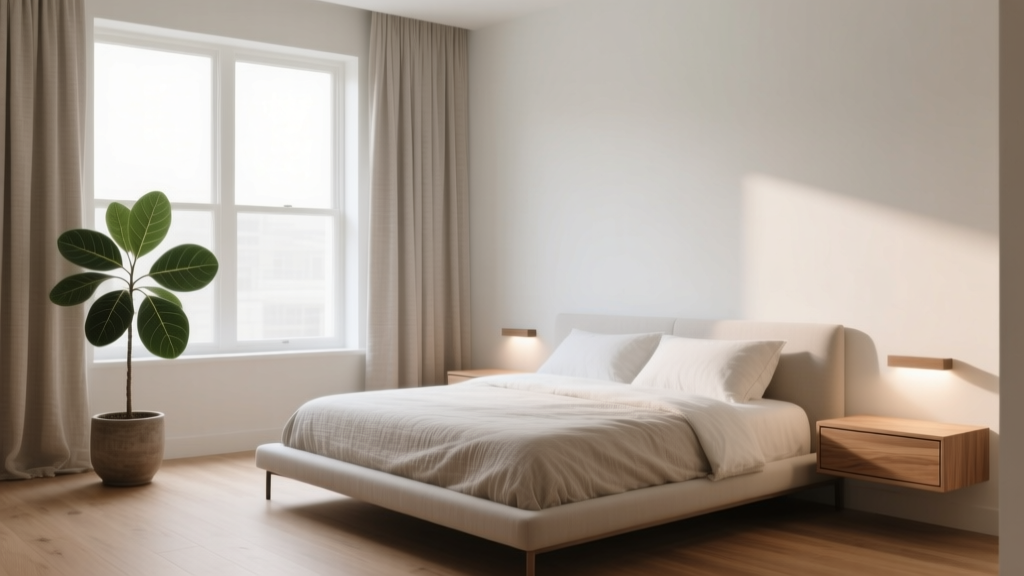 Wellness Bedroom Decor: Design Tips for 2026
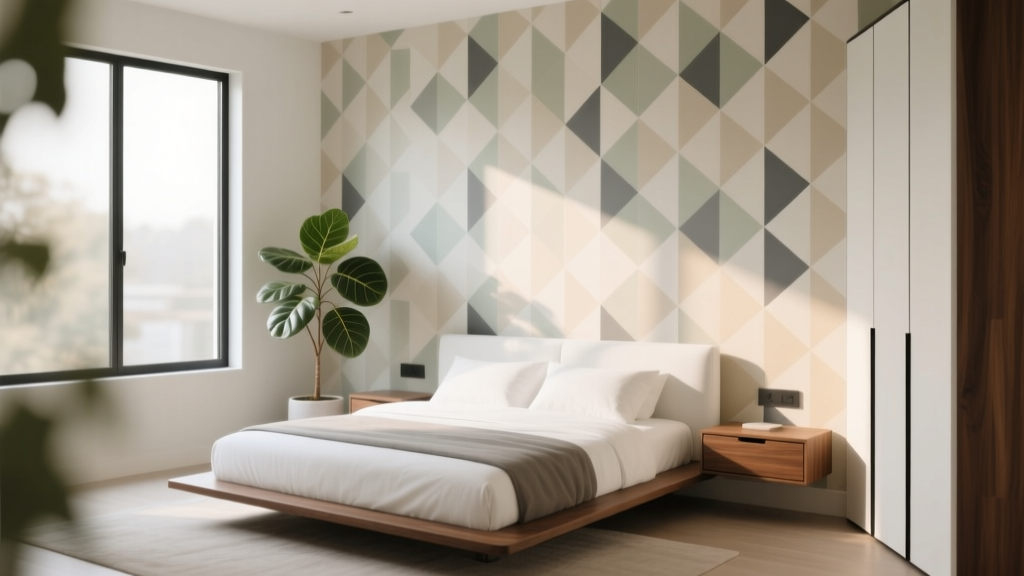 Bedroom Wallpaper Trends and Ideas - The Decor Mag
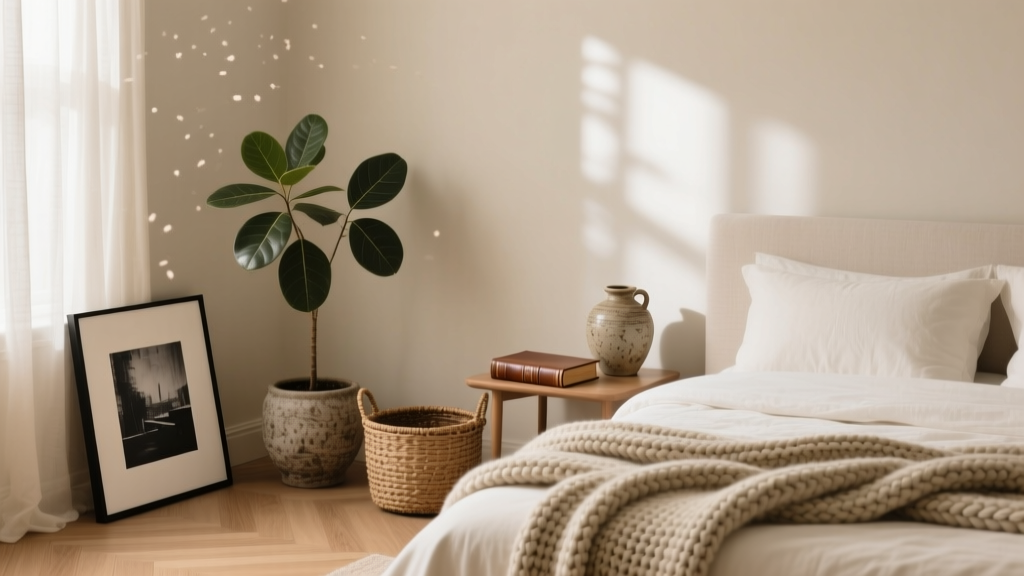 How to Create a Bedroom That Feels Collected - The Decor Mag
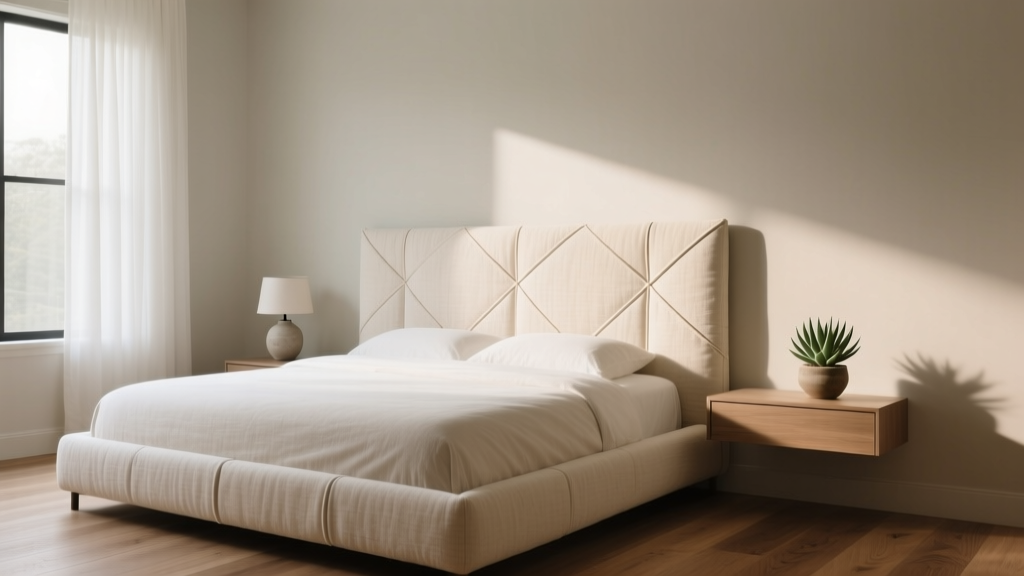 Bedroom Fabric Wrapped Headboard Ideas - The Decor Mag
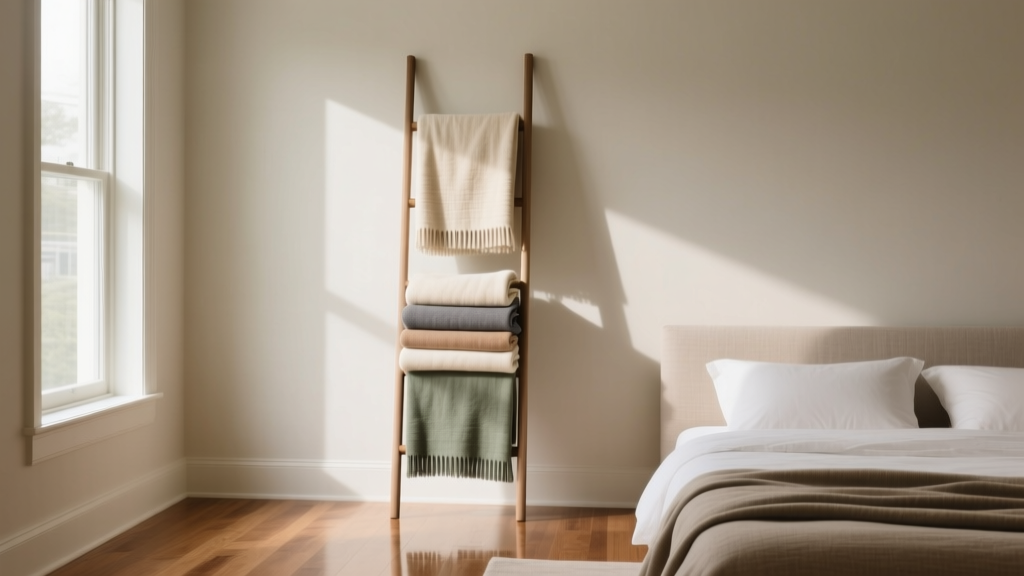 How to Choose Bedroom Blanket Ladder Style - The Decor Mag
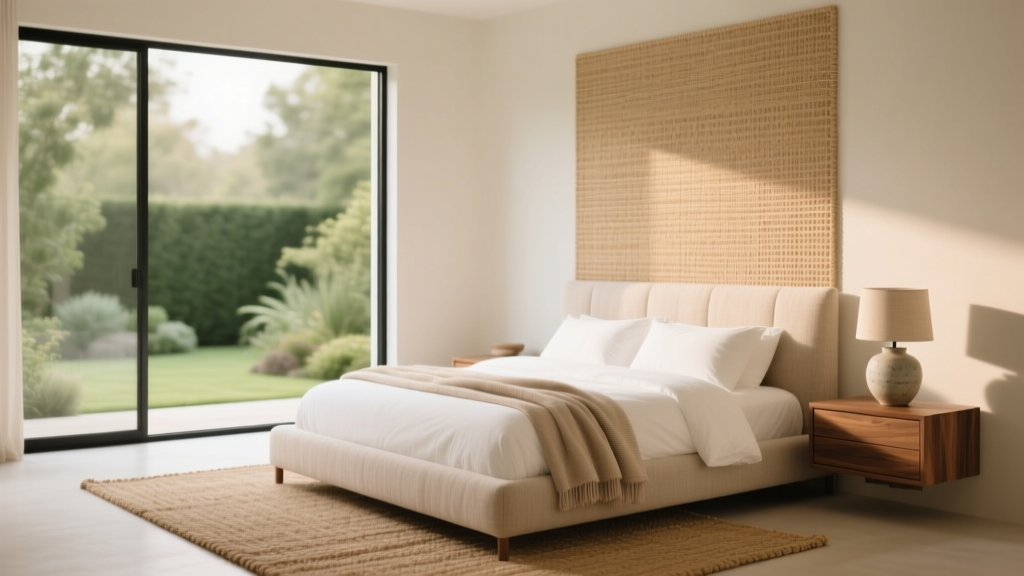 How to Style a Bedroom with Neutral Tones - The Decor Mag
 Bedroom Paint for Sleep Quality | The Decor Mag
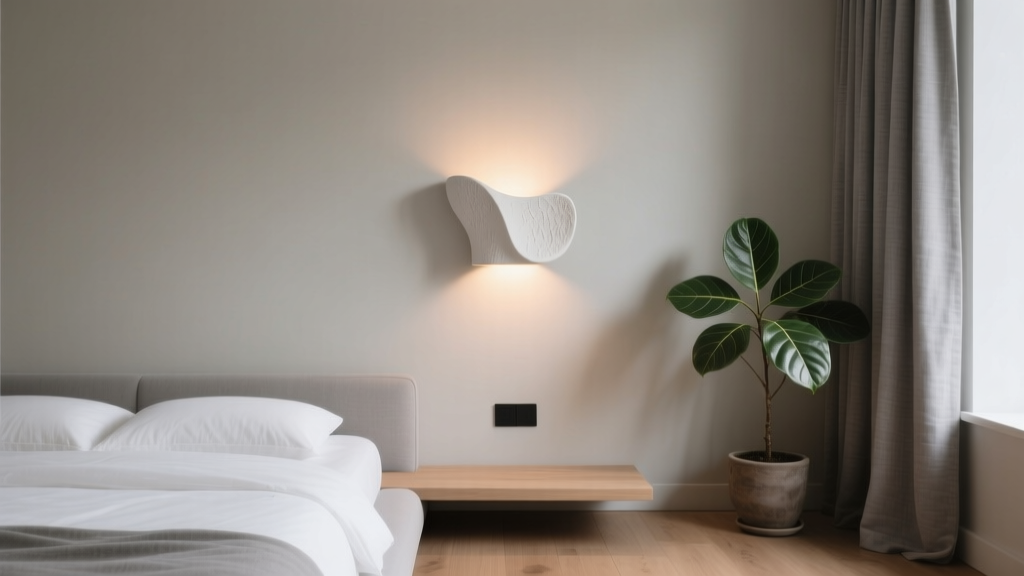 Bedroom Plaster Sconce Wall Application - The Decor Mag
 Bedroom Warm Wood Canopy Bed Frame - The Decor Mag
 How to Style a Bedroom with Earth Tones - The Decor Mag