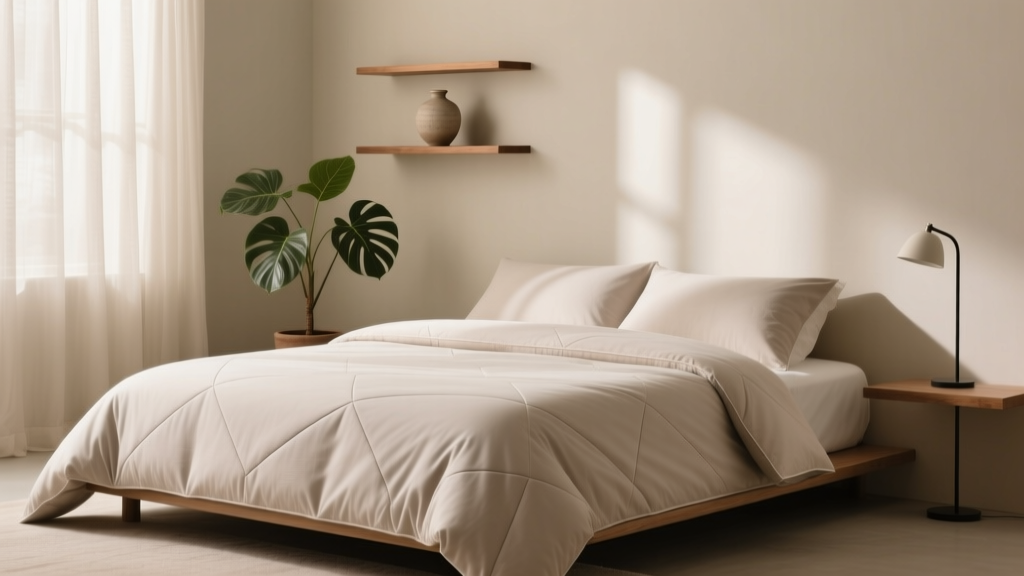
How to Choose Bedroom Duvet Cover Style - The Decor Mag
A duvet cover seems like a small choice—until you live with one every night. It sits at the center of your bed, sets the tone for your bedroom decor, and touches your skin for hours. The right duvet cover style can make a room feel calmer, cleaner, warmer, or more spacious, which matters because your sleep environment quietly shapes how quickly you unwind and how deeply you rest.
Bedrooms work best when they signal safety and ease to the nervous system. Soft textures, balanced colors, and reduced visual clutter can help your mind shift from “day mode” to “sleep mode.” A thoughtfully chosen duvet cover supports that transition: it can simplify the look of a busy room, add coziness to a minimal space, or bring a gentle sense of order to a shared bedroom.
This guide breaks duvet cover style down into practical decisions—fabric, color, pattern, and styling—so homeowners and renters can create a bedroom that looks pulled together and feels sleep-friendly.
Start with the “Job” Your Duvet Cover Needs to Do
Before you shop, decide what problem you’re solving. Your duvet cover style should match both your lifestyle and your bedroom design goals.
- Calming a restless space: Choose solids, low-contrast patterns, and matte textures to reduce visual stimulation.
- Adding warmth to a stark room: Bring in texture (linen, washed cotton, matelassé) and warmer neutrals.
- Making a small bedroom feel bigger: Use light colors, subtle stripes, and minimal patterns.
- Handling pets/kids: Prioritize washable, durable fabrics and mid-tone colors that hide lint and marks.
- Elevating a rental without repainting: Use a duvet cover as your “feature wall” with a controlled pattern or rich color.
Choose a Duvet Cover Style That Fits Your Bedroom Design
1) Minimal & Modern: Crisp, Quiet, Uncomplicated
If your goal is a clean bedroom design and a calmer sleep environment, modern minimal bedding is a reliable starting point.
- Best duvet cover styles: solid white, soft gray, sand, stone, pale oat; subtle woven texture; thin piping or a tailored edge
- Materials: percale cotton (cool and crisp), Tencel/lyocell (smooth and temperature-friendly)
- Pair with: simple nightstands, low-profile bed frame, concealed storage to reduce bedroom clutter
Sleep-friendly tip: If you run hot or wake up sweaty, percale or Tencel duvet covers can feel noticeably cooler than flannel or heavy microfiber.
2) Cozy & Relaxed: Soft, Textured, Lived-In
For a room that feels like a retreat, choose a duvet cover style that looks slightly relaxed rather than perfectly pressed.
- Best duvet cover styles: garment-washed linen, cotton gauze, waffle weave, or a softly rumpled finish
- Colors: warm neutrals (oatmeal, clay, mushroom), muted greens, dusty blues
- Pair with: wood tones, layered rugs, warm bedside lighting, a padded or upholstered headboard for comfort
Wellness note: Texture can feel grounding, which helps some people relax at bedtime. Keep it breathable and avoid overly fuzzy layers if you’re heat-sensitive.
3) Classic & Timeless: Tailored with Gentle Pattern
Classic duvet cover styles give your bedroom decor structure and longevity. They’re especially good if you don’t want to redecorate often.
- Best duvet cover styles: subtle stripes, small checks, tone-on-tone damask, clean borders
- Materials: sateen cotton (smooth with a soft sheen), quality cotton blends if you want fewer wrinkles
- Pair with: symmetrical bedside layout, matching lamps, framed art over the bed
Sleep-friendly tip: Keep contrast low. A high-contrast black-and-white pattern can feel energizing in some spaces, especially if you’re sensitive to visual stimulation.
4) Patterned & Expressive: A Controlled Statement
Pattern can be restful when it’s cohesive with the room. The key is choosing a duvet cover style that plays well with your existing bedroom design.
- Best duvet cover styles: botanical prints, watercolor florals, soft geometrics, micro-prints, block prints
- Colors: choose 2–4 hues that repeat elsewhere (curtains, rug, throw pillow)
- Pair with: solid sheets, simplified wall decor, and one or two accent textures
Practical tip: If you love pattern but want better sleep, pick a smaller-scale print or muted palette rather than large, high-contrast shapes.
Fabric & Material Guide: What Feels Best for Sleep
Fabric is where style meets sleep comfort. The right duvet cover material can improve temperature regulation, reduce night sweats, and feel better on sensitive skin.
Top duvet cover materials (and who they’re for)
- Cotton percale: crisp, breathable, ideal for hot sleepers and warm climates. Great for a “hotel bed” look.
- Cotton sateen: smoother and slightly warmer than percale with a gentle sheen. Good for a cozy, polished bedroom decor style.
- Linen: airy and moisture-wicking; relaxed texture; gets softer over time. Excellent for year-round comfort.
- Tencel/Lyocell: silky, cool-to-the-touch, drapes beautifully. Helpful for people prone to overheating.
- Cotton gauze: soft, casual, lightly textured; comfortable for a relaxed sleep environment.
- Flannel: warm and cozy for cold bedrooms; may be too warm for hot sleepers.
Materials to approach carefully
- Microfiber/polyester: budget-friendly and wrinkle-resistant, but can trap heat and hold odors more than natural fibers.
- Very heavy embellishments: thick embroidery or beading can feel scratchy and complicate washing.
Budget guide for duvet covers (queen size):
- Budget ($30–$70): cotton blends, microfiber, entry-level cotton. Look for zipper closure and tight stitching.
- Mid-range ($80–$160): better cotton percale/sateen, some linen blends, improved durability and feel.
- Premium ($180–$350+): long-staple cotton, pure linen, high-quality Tencel, elevated finishing and longevity.
Color & Pattern: Build a Sleep-Friendly Bedroom Palette
Color is a major driver of mood. For a sleep-focused bedroom, aim for hues that feel steady and restorative—then layer accents for personality.
Rest-friendly color families
- Soft neutrals: warm whites, cream, oatmeal, greige, mushroom (calm and flexible)
- Muted blues and blue-grays: soothing and visually cooling
- Sage and dusty greens: grounded, nature-linked tones that support relaxation
- Clay and blush neutrals: warm, cozy, especially in north-facing rooms
How to choose pattern scale
- Small bedrooms: micro-prints, thin stripes, tone-on-tone pattern to avoid visual crowding.
- Large bedrooms: medium-scale prints and bolder borders can anchor the bed without overwhelming the space.
- Shared bedrooms: calm patterns with low contrast tend to satisfy more than one style preference.
Quick coordination rule: If your duvet cover is patterned, keep sheets solid. If your duvet cover is solid, you can add pattern with throw pillows or a bench cushion.
Details That Matter: Closures, Ties, and Practical Features
Stylish bedding isn’t relaxing if it constantly shifts, bunches, or feels fussy.
- Corner ties: Look for 4–8 internal ties to keep the insert from sliding. This is especially helpful for slippery fabrics like Tencel or sateen.
- Closure type:
- Zipper: sleek, secure, fastest to change.
- Buttons: classic look; can pop open if strained.
- Envelope fold: minimal and quiet, but may shift if the fit is loose.
- Fabric weight: Lightweight for warm sleepers; midweight linen or sateen for a cozier look without overheating.
- Ease of laundering: If you want a cleaner sleep environment, choose a cover you’ll realistically wash every 1–2 weeks.
Styling Your Bed for a Calmer Bedroom Design
Even the perfect duvet cover can look “off” if the bed styling fights the room. Aim for soft structure—tidy, but not rigid.
A simple, sleep-friendly bed formula
- Breathable base: cotton percale or Tencel sheets for a cooler feel.
- Duvet cover as the anchor: choose your primary color and style here.
- One texture layer: a throw blanket in cotton knit, lightweight wool, or linen at the foot.
- Pillows, edited: two sleeping pillows + 1–3 decorative pillows maximum for low clutter.
Recommended bedroom elements that support the look (and sleep)
- Headboard: upholstered or wood headboards visually “finish” the bed and reduce the need for extra decor.
- Nightstands: choose matching or similarly scaled pieces to keep the room balanced and restful.
- Lighting: warm, dimmable bedside lamps (2700K–3000K) to cue wind-down.
- Window treatments: blackout curtains or lined shades can improve sleep quality, especially in street-lit bedrooms.
- Rug placement: a rug that extends beyond the sides of the bed makes the space feel softer and quieter.
Layout tip for small bedrooms: If space is tight, skip a bulky footboard and use a slim bench or none at all. A calmer walkway reduces friction at bedtime and in the morning.
Wellness Tips: Make Your Bedding Choice Support Better Sleep
- Temperature regulation: Hot sleepers often do best with percale, linen, or Tencel. If you’re cold, consider sateen or flannel and a warmer duvet insert.
- Reduce allergens: Wash duvet covers every 1–2 weeks; choose tightly woven cotton for a cleaner sleep environment.
- Minimize sensory irritation: Avoid scratchy trims and stiff finishes. If you have sensitive skin, look for OEKO-TEX certified fabrics and fragrance-free laundering.
- Create a visual “off switch”: Keep your duvet cover palette aligned with the room’s wall color and curtains so your brain reads the space as cohesive and calm.
- Support circadian rhythm: Pair calming bedding with warm evening lighting and keep overhead lights off in the last hour before bed when possible.
Common Mistakes to Avoid When Choosing a Duvet Cover Style
- Buying for looks only: A beautiful duvet cover that traps heat or feels rough can sabotage sleep.
- Ignoring undertones: A “white” duvet cover can be cool (blue/gray) or warm (yellow/cream). Match it to your wall and floor undertones for a cohesive bedroom decor look.
- Choosing high-contrast patterns in a busy room: If you already have strong art, colorful rugs, or open shelving, a bold duvet can increase visual noise.
- Wrong size fit: A duvet cover that’s too small will bunch; too large will slump. Check insert dimensions and brand sizing (some run oversized).
- Skipping corner ties: Nothing ruins a relaxing bed faster than a twisted, sliding insert.
- Over-accessorizing: Too many pillows and throws add clutter and make the bedroom feel more like a showroom than a sleep space.
FAQ: Choosing Bedroom Duvet Cover Style
What duvet cover color is best for a relaxing bedroom?
Soft neutrals, muted blues, and sage greens are consistently calming choices. If you want a darker shade, try charcoal, deep olive, or navy in a matte fabric to keep the mood restful.
Is linen or cotton better for a duvet cover?
Linen is airy, moisture-wicking, and relaxed-looking—great for a cozy, natural bedroom design. Cotton percale feels crisp and cool; cotton sateen feels smoother and slightly warmer. Choose based on temperature needs and the style you want.
How do I make a patterned duvet cover look calm instead of busy?
Use solid sheets, limit other patterns in the room, and repeat one or two colors from the duvet cover in small accents (a throw, lamp base, or artwork). Smaller-scale prints and low contrast read calmer at night.
Should the duvet cover match the curtains or rug?
It doesn’t need to match exactly. Aim for coordination: similar undertones (warm vs. cool) and a shared color family. If the rug is bold, a more solid duvet cover often creates a better sleep environment.
What’s the most practical duvet cover closure?
A zipper closure is typically the easiest and most secure, especially if you wash frequently. Buttons look classic but can be slower to change.
How often should I wash my duvet cover?
Every 1–2 weeks is a solid routine for most sleepers, especially if you have allergies, pets in the bed, or tend to sweat at night.
Next Steps: Choose with Calm, Comfort, and Cohesion
Pick your duvet cover style the same way you’d design any sleep-focused bedroom: start with how you want to feel at night, then choose fabric for comfort, color for calm, and pattern for balance. When your bedding works with your lighting, layout, and clutter levels, the whole room becomes more supportive of real rest.
For a simple plan this week:
- Decide on a calming palette (2–4 colors) that fits your bedroom decor.
- Select a fabric that matches your temperature needs (percale/linen/Tencel for cool; sateen/flannel for warm).
- Choose one “hero” element—either a patterned duvet cover or a textured solid—then keep everything else edited.
- Add warm, dimmable bedside lighting to reinforce a restful sleep environment.
For more soothing bedroom design ideas, bedding guides, and sleep-friendly decor inspiration, explore the latest articles on thedecormag.com.
More Articles
 Best Bedroom Sound Machine Placement - The Decor Mag
 Wellness Bedroom Decor: Design Tips for 2026
 How to Choose Bedroom Blanket Ladder Style - The Decor Mag
 How to Choose the Right Bed Frame - The Decor Mag
 Bedroom Fluted Nightstand with Stone Top - The Decor Mag
 Best Bedroom Watch Box Display - The Decor Mag
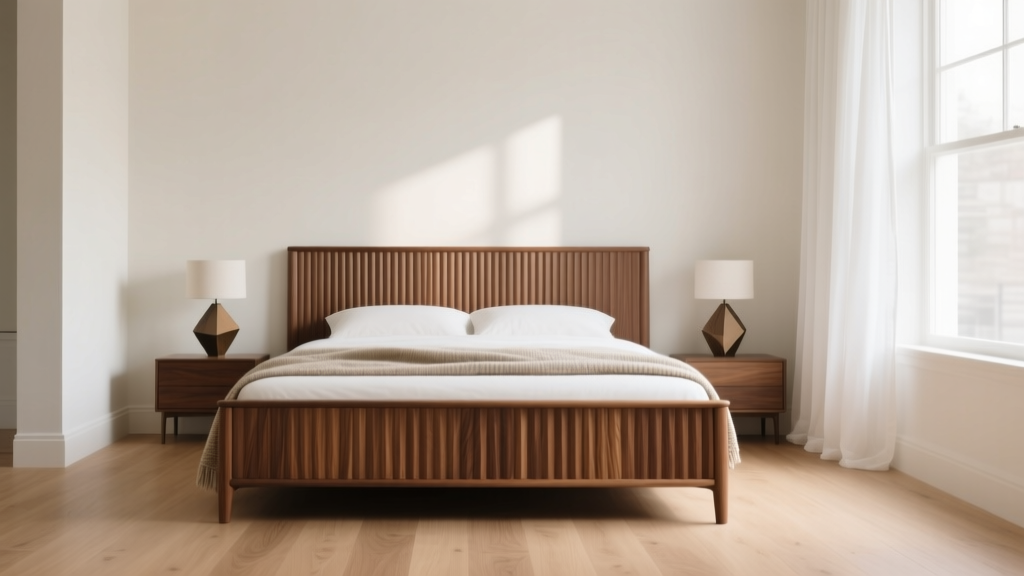 Bedroom Fluted Wood Bed Frame Trend - The Decor Mag
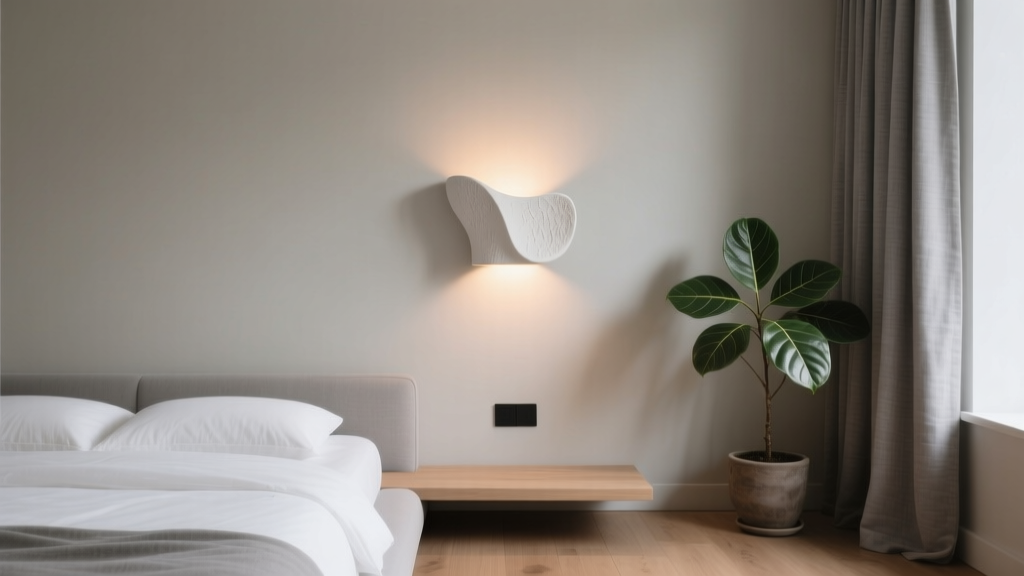 Bedroom Plaster Sconce Wall Application - The Decor Mag
 How to Style a Bedroom with Neutral Tones - The Decor Mag
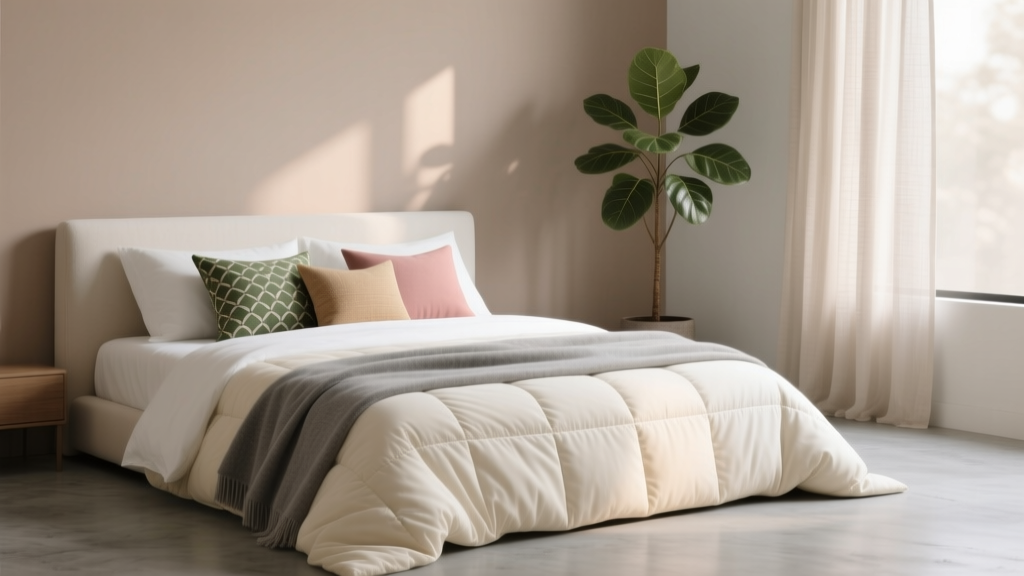 How to Layer Bedding Like a Designer - The Decor Mag