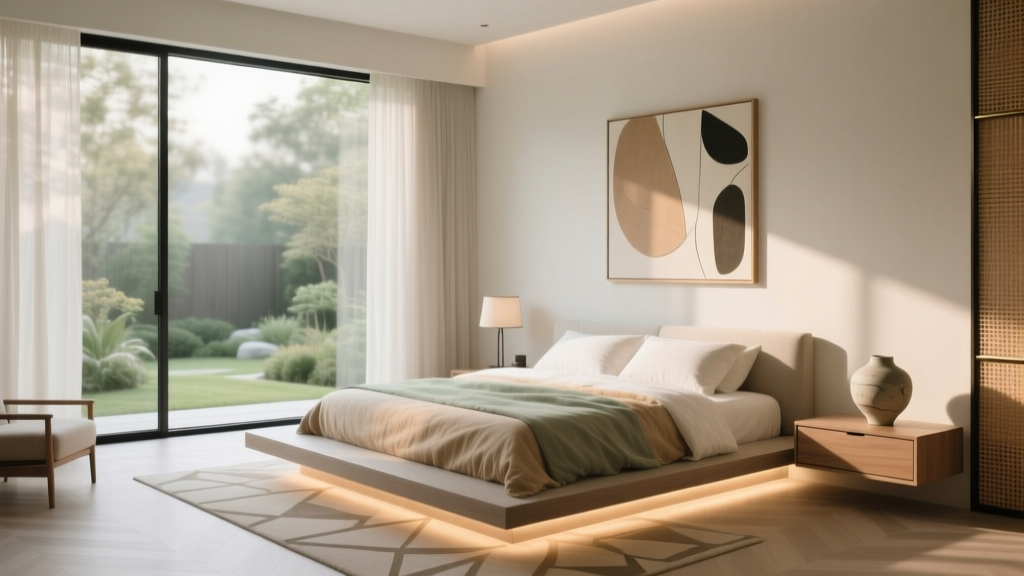
Modern Bedroom Design Ideas for 2026 - The Decor Mag
A modern bedroom in 2026 isn’t just about a sleek headboard or a trending paint color—it’s a carefully tuned sleep environment. The way your bedroom looks, feels, and functions can influence how quickly you fall asleep, how often you wake, and how restored you feel in the morning. When the design supports relaxation, your nervous system gets the message that it’s safe to switch off.
Homeowners and renters alike are rethinking bedroom design through a wellness lens: quieter spaces, softer lighting, healthier materials, and layouts that reduce visual stress. The best modern bedrooms now balance beauty with comfort, practical storage with breathability, and style with sleep-friendly choices that genuinely improve rest.
Below are modern bedroom design ideas for 2026 that blend decor trends with proven sleep-supportive strategies—plus realistic budget ranges, product types to look for, and common pitfalls to avoid.
2026 Modern Bedroom Trends That Actually Support Better Sleep
1) “Quiet Modern”: soft minimalism with warmer materials
Modern design is shifting from stark and glossy to calm and tactile. Think clean lines, but with warmth: wood grains, textured fabrics, rounded edges, and fewer harsh contrasts. This reduces visual noise, which can subtly keep the brain alert at bedtime.
- Key look: light oak or walnut, matte finishes, curved corners, low-profile furniture
- Sleep benefit: less stimulation, more comfort cues
- Best materials: solid wood, wood veneer with low-VOC sealants, linen, wool, cotton
2) Biophilic touches with a modern edge
Biophilic bedroom design—bringing nature indoors—continues to rise, but in 2026 it’s more refined: fewer knickknacks, more intentional natural forms.
- One statement plant (snake plant, pothos) instead of a crowded shelf
- Natural textures: jute, rattan accents, stoneware lamps, raw linen bedding
- Nature-inspired artwork with muted palettes
Sleep-friendly tip: Avoid strongly fragrant flowers in the bedroom if scents trigger headaches or allergies. Choose low-pollen, low-odor greenery.
3) Tech-integrated, not tech-dominated
Modern bedrooms now hide tech rather than showcase it. Charging, lighting control, and sound masking can improve sleep—while visible screens and blinking LEDs can do the opposite.
- Wall outlets with USB-C + concealed cable management
- Smart bulbs set to warm dimming at night
- Under-bed motion lighting for safe nighttime trips
Start With Layout: Modern Bedroom Flow for Calm and Function
Best bed placement for modern bedrooms
The bed is the anchor. A stable, uncluttered layout helps your brain associate the room with rest, not chaos.
- Place the bed on the longest uninterrupted wall whenever possible.
- Allow 24–30 inches of walking space on each side (or at least one side in small rooms).
- Avoid positioning the bed directly under heavy shelves to reduce subconscious “pressure” overhead.
- Minimize direct line-of-sight to clutter (open closets, laundry piles). Use doors, curtains, or storage.
Small modern bedroom layout ideas (renters included)
Even a compact bedroom can feel serene with a few smart choices.
- Floating nightstands or wall-mounted shelves to open floor space
- Storage bed (drawer base or lift-up) to reduce extra dressers
- One tall wardrobe instead of multiple small units
- Mirrors placed to bounce daylight—but avoid facing the bed if reflections feel stimulating at night
Budget range for layout upgrades
- $0–$50: rearrange furniture, add cord clips, use under-bed bins
- $80–$250: floating shelves/nightstands, slim dresser, full-length mirror
- $300–$1,200+: storage bed frame, modular wardrobe system
Furniture Picks for 2026: Modern, Comfortable, and Space-Smart
The bed frame: low profile, upholstered, or warm wood
Modern bed frames in 2026 emphasize stability and softness. A squeaky frame can fragment sleep more than people realize, especially for light sleepers.
- Platform bed with center support and solid slats (great for modern style and mattress longevity)
- Upholstered headboard in performance fabric for comfort and sound absorption
- Wood frame with rounded corners for a softer, contemporary look
Price guide: $200–$600 for solid budget options; $800–$2,500 for premium upholstery/solid wood builds.
Nightstands that reduce bedtime stress
A modern nightstand should keep essentials within reach so you’re not searching (and waking up fully) at night.
- Ideal height: level with the top of your mattress (or up to 2 inches higher)
- Look for: soft-close drawers, hidden cable cutouts, rounded edges
- Minimal surface clutter: lamp, book, water, small tray
Price guide: $70–$200 each for simple modern styles; $250–$700 each for solid wood or designer pieces.
Dressers and wardrobes: calm storage is modern storage
Visual clutter is a common sleep disruptor. Closed storage supports a cleaner, more modern bedroom design and helps your mind settle.
- Choose flat-front drawers (no ornate detailing) for a modern look
- Opt for matte hardware (black, brushed nickel) to reduce glare
- Use drawer dividers to keep interiors orderly
Bedding for 2026: Texture, Temperature, and Clean Materials
Choose breathable bedding for a better sleep environment
Overheating is one of the biggest reasons people wake up at night. Bedding choices can improve temperature regulation without sacrificing style.
- Sheets: long-staple cotton percale for crisp coolness; linen for airy, relaxed texture
- Duvet insert: wool (excellent for temperature balance), or down alternative for allergy-friendly comfort
- Comforter cover: washed cotton or linen in low-contrast, calming hues
Modern layering that looks polished and feels restful
Layering adds depth—one of the key modern decor tricks—while letting you adjust warmth through the night.
- Breathable fitted sheet + flat sheet (optional for hot sleepers)
- Lightweight quilt or coverlet (great for naps and warmer months)
- Duvet for adjustable warmth
- Throw at the foot of the bed for texture and easy temperature control
Budget range for bedding upgrades
- $60–$150: cotton sheet set, basic duvet cover, extra pillowcases
- $200–$450: linen sheets, wool duvet insert, elevated quilt
- $500–$1,200+: premium linen sets, luxury down, multi-pillow system
Lighting Design in 2026: Softer, Smarter, More Sleep-Friendly
Use a 3-layer lighting plan
Modern bedroom lighting is about flexibility. Bright overhead light can be useful, but it shouldn’t be the only option—especially at night.
- Ambient: flush mount or pendant on a dimmer
- Task: bedside reading lamps or swing-arm sconces
- Accent: warm LED strip behind headboard or under bed (indirect glow)
Bulb choices that support melatonin
- Evening bulbs: 2200K–2700K warm white
- Daytime bulbs (if needed): 3000K–3500K for a clean, modern feel
- Brightness: dimmers or smart bulbs to gradually reduce light before bed
Sleep tip: Keep lighting warm and low for the last 60–90 minutes before sleep. Cooler, brighter light can delay sleepiness.
Colors and Finishes for Modern Bedrooms: Calm, Warm, and Low-Contrast
2026 color directions for a restful modern bedroom
Modern bedroom colors are trending quieter and warmer, with earthy undertones. These palettes feel contemporary without being overstimulating.
- Warm neutrals: oat, sand, mushroom, soft taupe
- Grounding greens: sage, olive-gray, eucalyptus
- Dusky blues: slate blue, ink-blue (best in matte finishes)
- Muted clay tones: terracotta-beige, soft cinnamon
Paint finishes that look modern and hide imperfections
- Matte or eggshell for walls (calm, low glare)
- Satin for trim if you want subtle definition
- Avoid high gloss in bedrooms unless used sparingly as an accent
Budget range for color updates
- $30–$90: paint for an accent wall, sample pots, quality rollers
- $120–$300: full-room repaint with premium low-VOC paint
- $300–$900+: wallpaper feature wall (materials + tools, or partial professional help)
Textiles, Rugs, and Sound: The Overlooked Modern Comfort Layer
Rugs that soften a modern bedroom (and the acoustics)
A rug makes a room feel finished and helps absorb sound—useful in apartments, hardwood-floor homes, and echo-prone modern spaces.
- Size rule: ideally 8’x10’ for queen beds, 9’x12’ for king beds (or runners on both sides)
- Material: wool for durability and softness; low-pile for easy cleaning
- Color: low-contrast patterns that won’t visually “buzz” at bedtime
Window treatments for darkness and quiet
- Blackout curtains or blackout shades for better sleep quality
- Layering: sheer + blackout for daytime privacy and nighttime darkness
- Top-to-bottom coverage: mount curtains higher and wider to block light leaks
Sleep tip: If street noise is an issue, consider heavy lined curtains plus a white noise machine for a more consistent sleep environment.
Wellness-Forward Details: Air, Scent, and Nighttime Habits
Air quality upgrades that fit modern decor
- HEPA air purifier (especially for allergies, pets, or urban areas)
- Humidity: aim for 40–50% with a humidifier if air is dry
- Low-VOC choices: paints, finishes, and rugs to reduce irritation
Scent strategy: subtle and consistent
Scent can be a cue for relaxation, but too much can become stimulating.
- Choose a low-output essential oil diffuser or linen spray
- Try lavender, chamomile, cedarwood in very light amounts
- Avoid overpowering fragrance plugins near the bed
Common Bedroom Design Mistakes to Avoid
- Too many bright LEDs: cool-white bulbs and visible light strips can make the room feel clinical at night.
- Cluttered nightstands: stacks of items increase visual stress and reduce the bedroom’s “rest-only” feel.
- Undersized rugs: small rugs look unfinished and can make modern bedrooms feel awkward.
- Ignoring sound: hard surfaces + minimal decor can create echo and disrupt sleep.
- Over-trending: bold statement walls and busy patterns may look exciting but can feel restless over time.
- TV as the focal point: it pulls attention away from rest; if you keep one, hide it in a cabinet or use a frame-style display with a bedtime cutoff.
FAQ: Modern Bedroom Design and Sleep Environment Questions
What is the best color for a modern bedroom in 2026?
Warm neutrals (oat, taupe, mushroom) and muted nature tones (sage, dusty blue) are leading choices. They look modern while keeping the bedroom calm and low-stimulation, which supports sleep quality.
How can I make my bedroom look modern on a budget?
Focus on high-impact basics: repaint in a warm neutral, upgrade bedding to cohesive solids, add matching bedside lamps, and simplify surfaces. A $150–$400 refresh can significantly modernize a bedroom without buying all new furniture.
What lighting is best for sleep?
Use warm light (2200K–2700K) at night with dimmers or smart bulbs. Combine ambient, task, and accent lighting so you don’t rely on one bright overhead fixture before bed.
Are plants good for the bedroom?
Yes, if you choose low-odor, easy-care plants and keep soil mold-free. A single statement plant can enhance a biophilic design and make the space feel more restorative. If allergies are severe, consider high-quality faux greenery instead.
What’s the easiest layout fix for better sleep?
Clear the path around the bed, reduce visible clutter, and place your bed on a stable wall with balanced nightstands. Small layout changes can make the room feel safer and calmer, helping the brain shift into rest mode.
Should I get blackout curtains or shades?
If outside light affects your sleep, blackout options are one of the most effective upgrades. Curtains can also soften sound; shades look cleaner and more minimal. Many bedrooms benefit from layering sheers with blackout curtains for flexibility.
Next Steps: Build Your 2026 Bedroom One Calm Upgrade at a Time
A modern bedroom for 2026 feels restful because it’s designed to be restful: a stable layout, breathable bedding, warm layered lighting, clutter-controlled storage, and soothing colors that don’t demand attention. Start with the changes that affect sleep most—darkness, temperature, and sound—then refine the look with textures and simplified decor.
- Pick a calming color palette (warm neutral + one muted accent).
- Upgrade lighting to warm bulbs and add dimming.
- Choose breathable sheets and a temperature-balancing duvet.
- Reduce clutter with closed storage and a clear nightstand setup.
- Finish with a properly sized rug and blackout window treatments.
For more modern bedroom design ideas, sleep-friendly decor guidance, and renter-smart upgrades, explore the latest inspiration on thedecormag.com.
More Articles
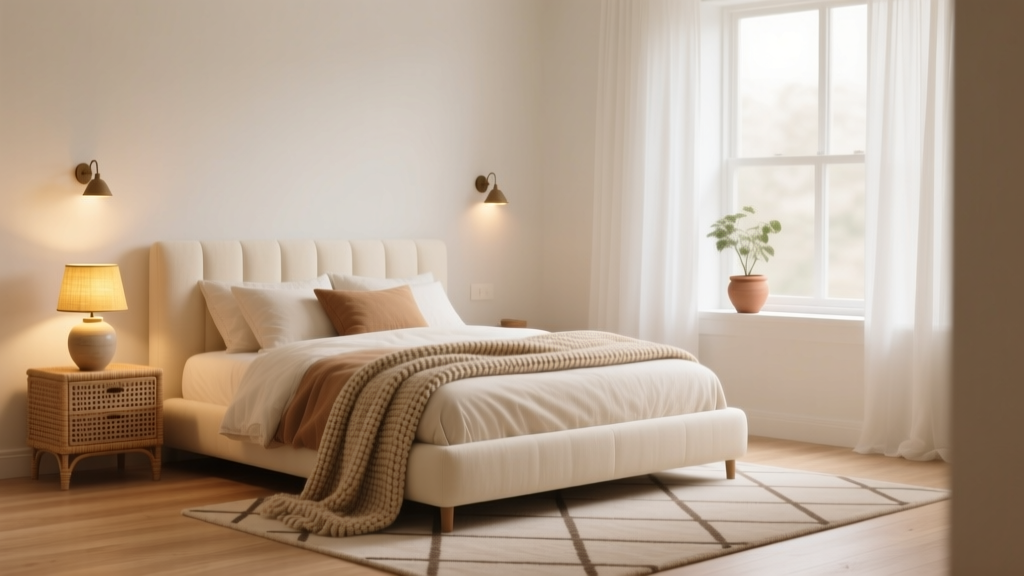 How to Create a Bedroom That Feels Warm - The Decor Mag
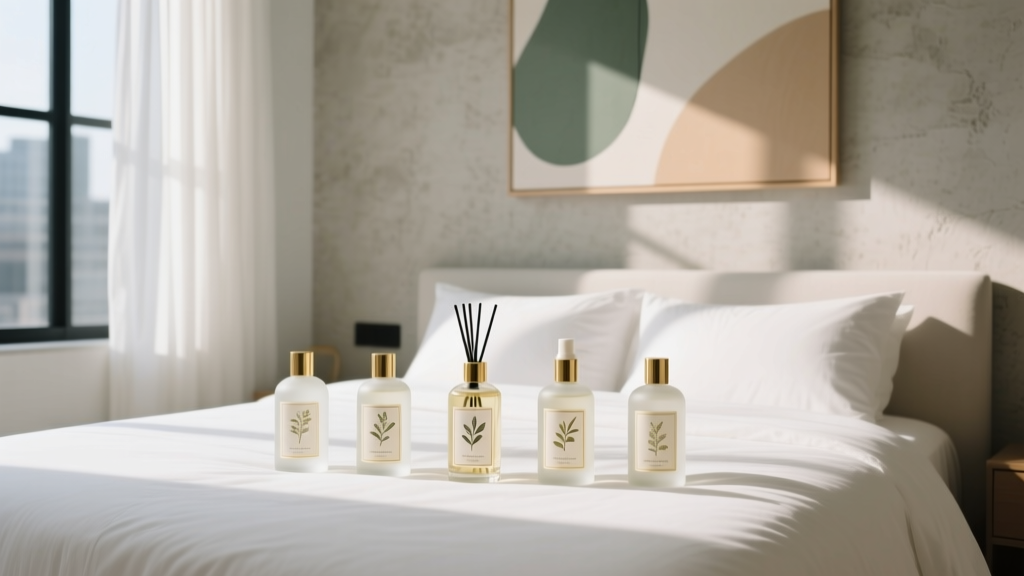 Best Bedroom Sleep Spray Collection - The Decor Mag
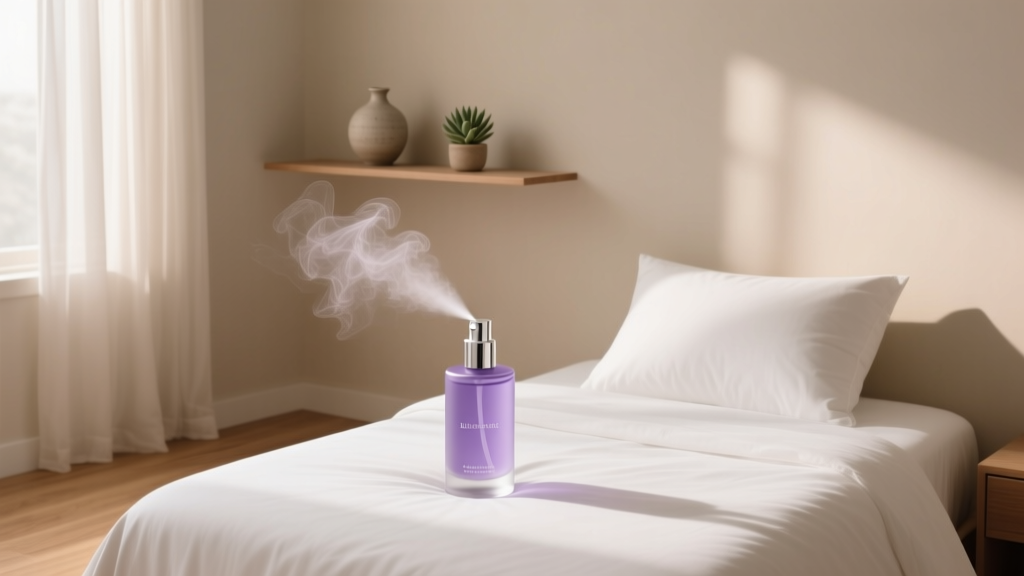 Best Bedroom Lavender Pillow Spray - The Decor Mag
 Bedroom Warm Limewash Bedroom Walls - The Decor Mag
 Best Bedroom Mirror Placement Ideas - The Decor Mag
 Minimalist Bedroom Styling: Simple Ideas (2026)
 Best Bedroom White Noise Setup - The Decor Mag
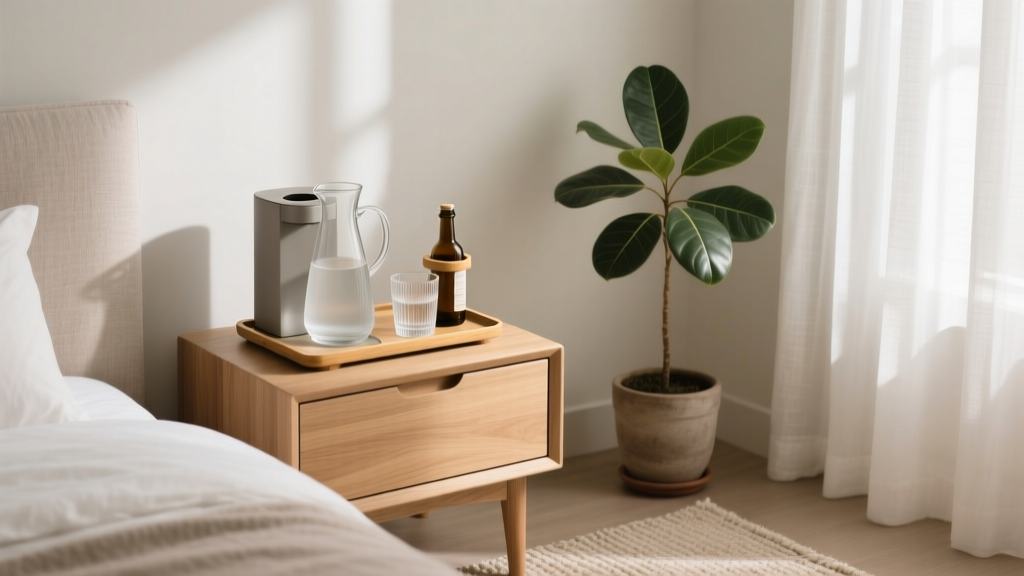 Best Bedroom Bedside Hydration Station - The Decor Mag
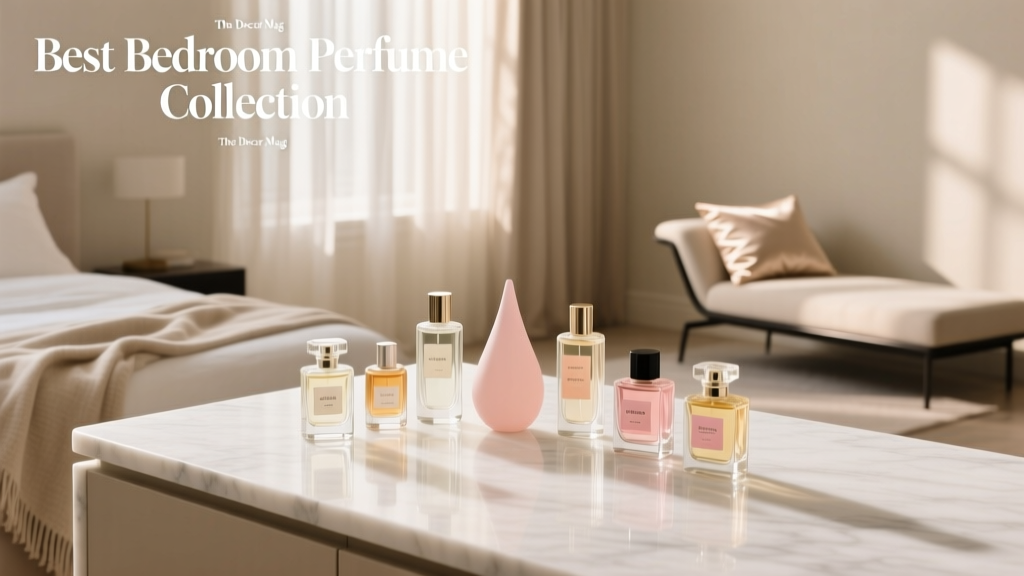 Best Bedroom Perfume Collection Display - The Decor Mag
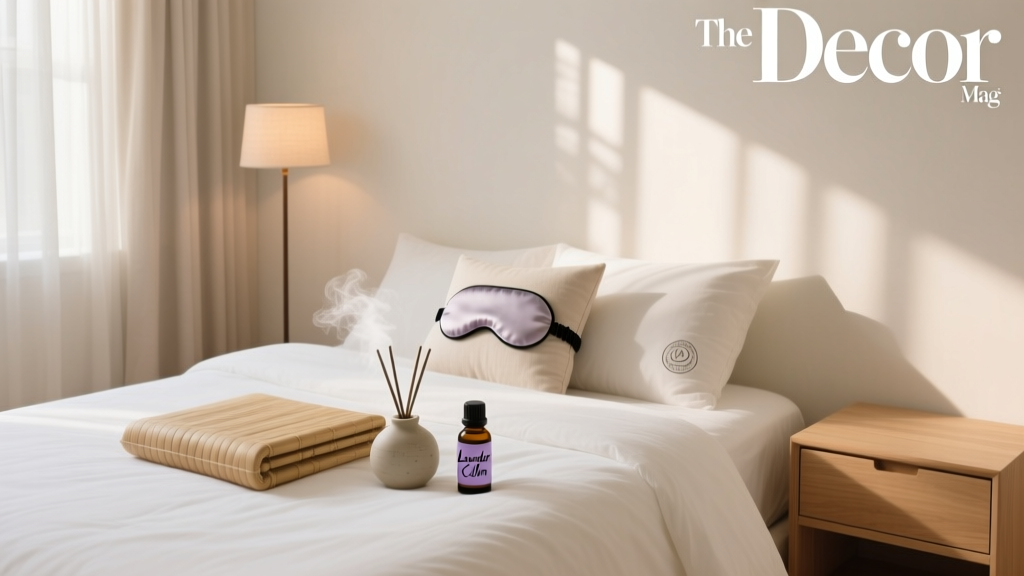 Best Bedroom Sleep Hygiene Essentials - The Decor Mag