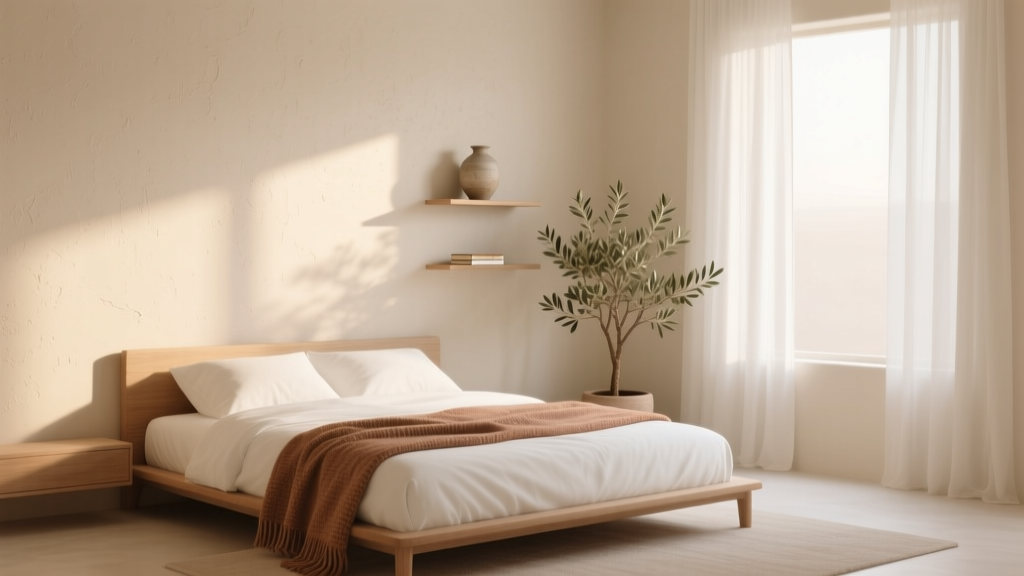
Bedroom Warm Limewash Bedroom Walls - The Decor Mag
There’s a reason so many restful bedrooms feel softly imperfect rather than sharply “designed.” Our nervous system tends to relax in spaces that look calm, natural, and gently layered—qualities that warm limewash bedroom walls deliver almost instantly. Limewash has a cloudlike variation that reduces visual noise, making the room feel quieter at a glance. When your bedroom looks serene, it becomes easier to shift from alertness to rest.
For homeowners and renters alike, limewash is also a practical design choice. Warm-toned limewash colors—think creamy bone, muted sand, soft terracotta blush, or warm greige—wrap a room in a comforting glow that complements both daylight and lamplight. Paired with thoughtful bedroom decor and a sleep-friendly layout, warm limewash walls can help turn a busy home into a true recovery space: a bedroom designed for deep sleep, restoration, and wellbeing.
This guide walks through how to choose the right warm limewash look, what furniture and bedding pair best, the lighting that flatters it, and the mistakes that can undermine sleep quality.
Why Warm Limewash Works So Well in a Sleep-Friendly Bedroom
Soft texture lowers “visual stimulation”
Highly glossy paint, stark white walls, and high-contrast patterns can feel energizing—great for kitchens, less ideal for sleep. Limewash creates a velvety, tonal movement that reads as organic and quiet, which can make the bedroom feel more settled and less “busy.”
Warm undertones support evening relaxation
Warm neutrals generally pair better with low, amber lighting in the evening. That matters because bright, cool light can delay melatonin release. A warm limewash bedroom supports a softer nighttime lighting scheme, which helps signal to your body that it’s time to wind down.
It elevates the room without needing more stuff
When walls carry subtle character, you can keep decor minimal: fewer frames, fewer shelves, fewer objects collecting dust. Less clutter often translates to less mental clutter—one of the simplest bedroom design upgrades for better sleep.
Choosing the Right Warm Limewash Color for Your Bedroom
Start with your natural light
- North-facing rooms: Choose warmer tones (creamy beige, warm greige, pale clay) to counteract cool light.
- South-facing rooms: You can handle richer warmth (sand, light terracotta, honeyed taupe) without the room feeling yellow.
- East-facing rooms: Keep it balanced—soft oatmeal, bone, muted peach—since morning light is bright and cools off later.
- West-facing rooms: Avoid overly orange shades; pick warm greige, beige-pink, or light cocoa to prevent a “sunset overload.”
Warm limewash color directions that stay calming
These families tend to work beautifully for bedroom walls while staying sleep-friendly:
- Bone + almond: Cozy and clean, great for small bedrooms.
- Oat + sand: Pairs well with natural wood and woven textures.
- Warm greige: A renter-friendly look that complements most furniture.
- Muted clay + blush terracotta: Adds warmth without feeling loud, especially with cream bedding.
- Soft cocoa: A deeper option that can feel cocooning, ideal for larger rooms.
Sample before you commit
Limewash (and limewash-style paints) can shift dramatically by time of day. Test at least two swatches on different walls and observe:
- Morning daylight
- Afternoon light
- Evening lamp light
- Lights off / blackout conditions (it should still feel soothing, not heavy)
Limewash Options: True Limewash vs. Limewash-Effect Paint
True limewash
Traditional limewash is mineral-based and breathable, with a distinct chalky depth. It’s ideal if you want an authentic, old-world finish.
- Best for: Homeowners, long-term spaces, plaster or masonry-friendly walls
- Typical cost: $50–$120 per gallon (varies by brand and coverage)
- Considerations: Often needs specific primers; technique matters
Limewash-look paint (more renter- and DIY-friendly)
Several brands offer matte paints designed to mimic limewash movement. You’ll get a similar vibe with easier prep and more predictable results.
- Best for: Renters (with permission), quick refreshes, drywall
- Typical cost: $35–$90 per gallon
- Considerations: Choose ultra-matte for the most convincing look
Budget ranges for a bedroom (materials only)
- Budget: $80–$180 (one room with mid-range paint, basic tools)
- Mid-range: $180–$450 (premium paint/limewash, primer, upgraded rollers/brushes)
- Higher-end: $450–$1,200+ (specialty products, multiple coats, or professional labor)
Designing the Rest of the Room Around Warm Limewash Bedroom Walls
Furniture: keep silhouettes calm, materials grounding
Warm limewash walls love natural materials and softly rounded forms. For a restful bedroom design, prioritize pieces that feel stable and not visually fussy.
- Bed frame: Upholstered in linen or cotton, or a simple wood frame (oak, walnut, ash). Avoid shiny metal unless it’s matte and minimal.
- Nightstands: Two matching or closely related pieces reduce visual clutter. Look for rounded corners or waterfall edges.
- Dresser/wardrobe: Low-profile if possible; keep the top surface mostly clear to support a calm sleep environment.
Practical sizing tip: Choose nightstands roughly level with the top of your mattress (or within 2–4 inches). It prevents awkward reaching and keeps bedtime routines smoother.
Bedding: breathable layers in warm, muted tones
Because limewash adds texture to the walls, bedding can be simpler—think solids and gentle weaves rather than busy prints.
- Sheets: Long-staple cotton percale for hot sleepers; cotton sateen or linen for a softer, drapier feel.
- Duvet/comforter: Look for cotton shells with wool, down, or down-alternative fill based on allergies and temperature needs.
- Textures that pair well: Matelassé, waffle weave, gauze cotton, washed linen.
Color pairing ideas:
- Warm limewash + cream bedding + camel throw
- Warm greige limewash + white bedding + mushroom pillows
- Muted clay limewash + ivory duvet + soft cocoa accents
- Sand limewash + sage or olive (small dose) for a grounded, spa-like feel
Rugs and window treatments: quiet comfort underfoot and better sleep
Warm limewash walls can make a room feel cozy, but comfort is also physical. Rugs and curtains help control sound, light, and temperature—key parts of a supportive sleep environment.
- Rug: Wool or wool-blend for warmth and durability; cotton flatweave for budget-friendly layering; jute for texture (but consider a softer topper near the bed).
- Blackout curtains: Choose lined panels or blackout shades to reduce early-morning wake-ups.
- Hardware: Mount curtain rods 4–8 inches above the window frame to visually heighten the room and keep it airy.
Lighting That Flatters Warm Limewash and Supports Better Sleep
Lighting is where bedroom decor and sleep wellness meet. Warm limewash walls glow best under warm, dimmable light—exactly what your body prefers at night.
Choose warm bulbs and layered lighting
- Color temperature: 2200K–2700K for bedside and ambient lighting
- Bedside lamps: Use two if possible for symmetry and ease
- Overhead lighting: Put it on a dimmer; avoid harsh, cool LEDs
- Task lighting: A directional reading light prevents lighting up the whole room
Easy sleep-friendly lighting plan (3 levels)
- Bright (cleaning/organizing): overhead on dimmer, used earlier in the day
- Evening (wind-down): bedside lamps at low brightness
- Night (minimal): motion-sensor night light with amber tone near the floor
Budget range: $20–$60 for quality warm bulbs; $60–$250 per bedside lamp; $15–$40 for an amber night light.
Layout Tips for a Calmer Bedroom
Warm limewash walls do a lot, but layout determines whether the room actually feels restful. Aim for ease of movement and visual simplicity.
- Anchor the bed on the most solid wall (often opposite the door) for a grounded feel.
- Keep pathways clear: Aim for 24–30 inches of walking space around the bed where possible.
- Limit “work” cues: If you must keep a desk in the bedroom, place it out of direct view from the bed and keep it closed/contained at night.
- Reduce bedside clutter: Use a nightstand with a drawer or shelf so surfaces stay calm.
Sleep Wellness Touches That Pair Naturally With Limewash Walls
- Air quality: Ventilate daily for 5–10 minutes. Consider a quiet HEPA air purifier if allergies interrupt sleep (budget: $80–$250).
- Sound comfort: Add a rug, lined curtains, and a fabric headboard to soften echoes. A white noise machine can help in noisy buildings (budget: $25–$70).
- Temperature regulation: Breathable bedding and a light wool blanket can help keep temperature stable through the night.
- Scent, gently: If you use fragrance, keep it subtle—linen spray or a low-dose diffuser earlier in the evening rather than overnight.
- Tech boundaries: Keep phone charging away from the bed if possible; use a small tray for a book and eye mask instead.
Common Mistakes to Avoid With Warm Limewash Bedroom Walls
- Picking a color that’s too saturated: Strong orange, bright yellow, or intense red undertones can feel stimulating at night.
- Forgetting about sheen: Anything above eggshell can look shiny and amplify imperfections. Ultra-matte or flat is usually best for a limewash look.
- Using cool white lighting: 4000K–5000K bulbs can make warm walls look muddy and can feel alerting before bed.
- Over-accessorizing: Limewash already adds movement; too many patterns and wall decor pieces can create visual noise.
- Skipping samples: Warm neutrals shift dramatically in different exposures; a quick test patch prevents regret.
- Ignoring textiles: Without curtains and soft surfaces, the room may echo and feel less cozy—even with beautiful walls.
FAQ: Warm Limewash Bedroom Walls
Do limewash walls work in small bedrooms?
Yes. Warm limewash can make a small bedroom feel softer and more enveloping without closing it in. Choose lighter warm tones (bone, oatmeal, warm greige) and keep bedding and window treatments in similarly calm shades for an airy, sleep-friendly feel.
Is limewash good for renters?
Traditional limewash isn’t always renter-friendly, but limewash-effect paint can be. Always check your lease and get permission. If painting isn’t allowed, you can mimic the look with removable wallpaper in a plaster or limewash pattern behind the bed.
What decor style pairs best with warm limewash walls?
Warm limewash is versatile: modern organic, Japandi, Mediterranean, rustic, and minimalist bedrooms all pair well. The key is sticking to natural materials (wood, linen, wool) and a muted color palette that supports relaxation.
What bedding colors look best with warm limewash?
Start with cream, ivory, or soft white for a clean sleep sanctuary. Add accents in camel, mushroom, cocoa, muted terracotta, or gentle greens like sage/olive in small doses.
How do I keep a limewash bedroom from looking flat?
Layer textures instead of patterns: linen curtains, a wool rug, a woven basket, and a matte ceramic lamp base. Use two to three tones within the same warm-neutral family to create depth without visual clutter.
Will limewash make my bedroom darker?
Lighter warm limewash shades can actually increase the sense of glow, especially with warm lighting. Darker tones (cocoa, deeper taupe) can feel cocooning, but you’ll want good layered lighting and light-colored bedding to balance them.
Next Steps: Create Your Warm, Restful Limewash Bedroom
If you want a bedroom that truly supports rest, start with the biggest surface in the room: the walls. Choose a warm limewash or limewash-look paint that suits your natural light, keep furnishings simple and grounding, and build a lighting plan that shifts gently into the evening. Finish with breathable bedding and a few sound- and light-softening textiles to protect your sleep quality night after night.
For more calming bedroom design ideas, sleep-friendly decor tips, and cozy color inspiration, explore the latest guides on thedecormag.com.
More Articles
 Best Bedroom Essential Oil Blend for Sleep - The Decor Mag
 Best Bedroom Jewelry Organization - The Decor Mag
 Bedroom Curtains for Better Sleep (2026)
 Best Bedroom Bedside Notebook and Pen - The Decor Mag
 Bedroom Handmade Ceramic Nightstand Lamp - The Decor Mag
 Bedroom Curved Architectural Bedroom Detail - The Decor Mag
 How to Create a Bedroom Sanctuary - The Decor Mag
 Best Bedroom Tie and Belt Storage - The Decor Mag
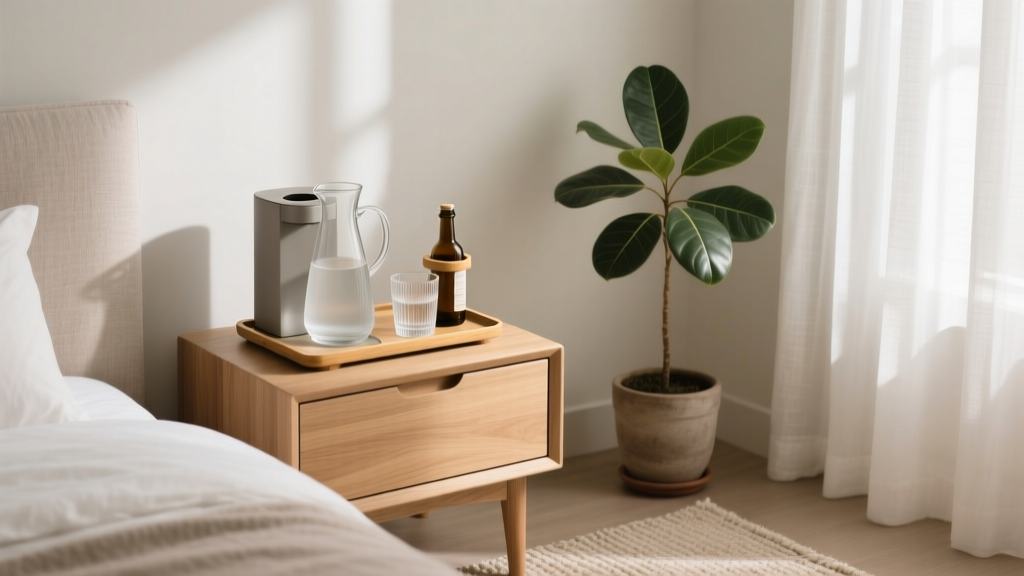 Best Bedroom Bedside Hydration Station - The Decor Mag
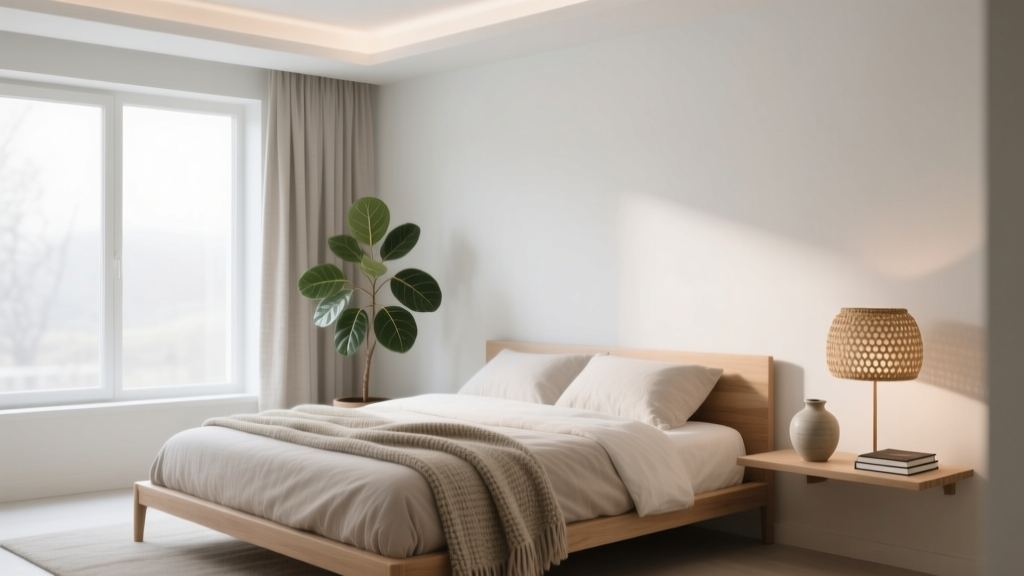 Scandinavian Bedroom Design Essentials - The Decor Mag