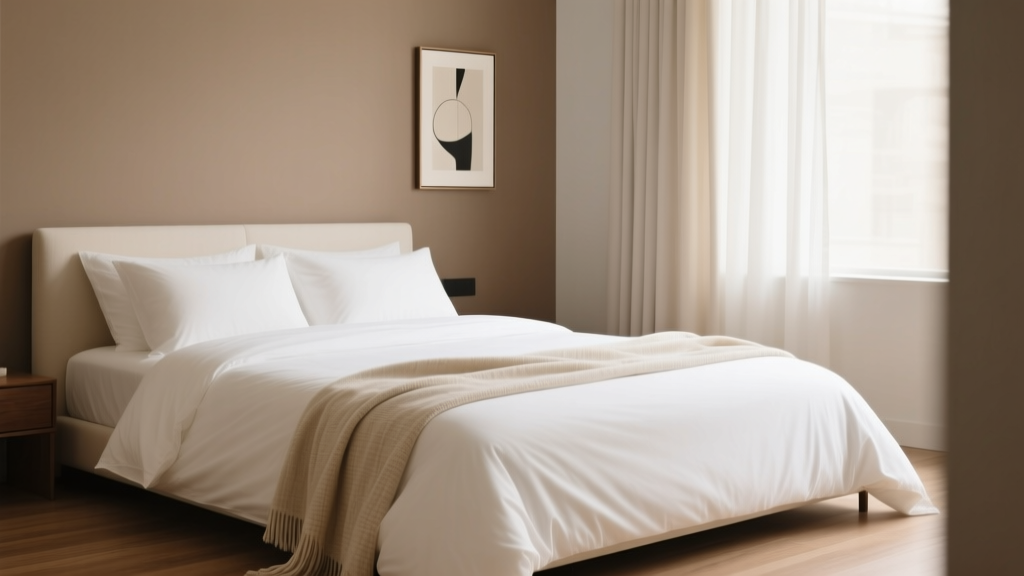
How to Choose Bedroom Sheet Thread Count - The Decor Mag
Sheets are one of the few bedroom design choices you feel for eight hours straight. The right set can make your bed look more inviting, regulate temperature through the night, and reduce those small irritations—scratchiness, overheating, tangled corners—that quietly chip away at sleep quality. Thread count gets a lot of attention because it sounds like a simple shortcut to comfort, but it’s only one piece of what makes sheets feel smooth, crisp, cool, or cozy.
A calmer, more sleep-friendly bedroom isn’t built on trends alone; it comes from choosing materials and textures that support your body’s needs. When your sleep environment is dialed in—breathable bedding, balanced lighting, restful colors, and a well-arranged layout—your brain gets a clear signal that it’s time to power down. Choosing the right thread count (and knowing when to ignore it) is an easy, practical upgrade that can elevate both bedroom decor and wellbeing.
This guide breaks down what thread count actually means, the best ranges by fabric type, and how to match sheets to your sleep style—plus design-forward tips to make your bed feel like a true retreat.
What Thread Count Really Means (and Why It Can Be Misleading)
Thread count is the number of threads woven into one square inch of fabric—typically counting both horizontal (weft) and vertical (warp) threads. In theory, a higher thread count can feel smoother because the weave is denser. In reality, comfort depends just as much on:
- Fiber quality (long-staple vs. short-staple cotton, linen thickness, bamboo viscose processing)
- Yarn thickness (fine yarns can create softness without extreme thread counts)
- Weave type (percale vs. sateen vs. twill)
- Finishes (chemical softeners can feel great at first but fade quickly)
Some brands inflate thread count by using multi-ply yarns (twisting several thinner fibers together and counting each as a “thread”). That can increase the number on the label without improving breathability or durability. For a healthy sleep environment, aim for a balanced fabric that feels comfortable against your skin and supports your temperature needs all night.
Best Thread Count Ranges by Fabric Type
Cotton (Percale): Cool, Crisp, Hotel-Style
If you like a cool, airy bed and a clean, tailored look, cotton percale is a classic. It’s especially good for warm sleepers, summer bedding, and layered bedroom design that still feels light.
- Ideal thread count: 200–400
- Feel: crisp, matte, breathable
- Best for: hot sleepers, humid climates, people who prefer a “fresh” bed feel
Design tip: Percale sheets pair beautifully with minimalist bedroom decor—think white or soft sand tones, a textured quilt, and one structured lumbar pillow for that understated hotel look.
Cotton (Sateen): Smooth, Drapey, Warmer
Sateen has a silkier hand and subtle sheen that makes a bed look instantly polished. It’s slightly warmer than percale, making it a cozy choice for cooler bedrooms or sleepers who run cold.
- Ideal thread count: 300–600
- Feel: silky, buttery, more drape
- Best for: cool sleepers, winter bedding, a luxe bedroom aesthetic
Practical note: Sateen can be more prone to pilling if the cotton is lower quality. Look for long-staple cotton and a reputable brand rather than chasing a 1,000+ thread count.
Long-Staple Cotton (Egyptian, Pima, Supima): Softness You Can Trust
Long-staple cotton fibers are longer and smoother, which typically means fewer loose ends and less pilling over time. This is often a better predictor of comfort than thread count alone.
- Ideal thread count: 300–500
- Feel: smooth, durable, gets better with washing
- Best for: daily luxury, sensitive skin, long-term value
Shopping cue: “Supima” is a trademarked U.S. cotton with verified standards. “Egyptian cotton” can be excellent, but the label is sometimes used loosely—buy from a trusted retailer.
Linen: Naturally Breathable, Relaxed Texture
Linen isn’t usually marketed by thread count because the fibers are thicker and the weave is measured differently. For bedroom design, linen brings an effortless, lived-in texture that looks elevated without trying too hard.
- What to look for instead of thread count: fabric weight (GSM), craftsmanship, softness after washing
- Feel: airy, lightly textured, softens over time
- Best for: hot sleepers, coastal decor, earthy palettes, year-round comfort
Comfort tip: Linen is temperature-regulating and moisture-wicking—great for night sweats or warm climates.
Bamboo (Viscose/Lyocell) and Tencel: Smooth and Cooling
Bamboo-derived fabrics and Tencel (lyocell) are popular for their silky feel and cooling effect. They can be helpful if you want a sleek look and a lighter touch on the skin.
- Thread count guidance: less standardized; focus on weave, reviews, and return policies
- Feel: smooth, drapey, cool-to-the-touch
- Best for: hot sleepers, sensitive skin, modern bedroom decor
Wellness note: If you’re mindful of indoor air quality, look for OEKO-TEX certified options and avoid heavily fragranced fabric treatments.
How to Choose the Right Thread Count for Your Sleep Style
1) Match Sheets to Temperature Needs
Your body temperature naturally drops at night to support sleep. Bedding that traps too much heat can disrupt that rhythm.
- If you sleep hot: choose percale (200–400) or linen; consider Tencel for a cooling feel.
- If you sleep cold: choose sateen (300–600) or brushed cotton flannel (focus on GSM rather than thread count).
- If you’re in between: long-staple cotton in the 300–500 range is a versatile sweet spot.
2) Consider Skin Sensitivity and Texture Preferences
- For sensitive skin: long-staple cotton, Tencel, or high-quality percale; avoid scratchy blends and heavy chemical finishes.
- If you love crisp sheets: percale with a moderate thread count (250–350) often feels freshest.
- If you love silky sheets: sateen around 400–600, or Tencel for extra drape.
3) Decide How You Want Your Bed to Look
Thread count doesn’t just affect feel—it influences drape and styling, which matters for bedroom decor.
- Tailored, structured bed styling: percale + a quilt + a neatly folded throw at the foot.
- Soft, luxe, “sink-in” look: sateen + a fluffier duvet insert + oversized pillows.
- Relaxed, textured aesthetic: linen + a waffle blanket + neutral, layered tones.
Budget Ranges and What You Can Expect
Price often reflects fiber quality and construction more reliably than thread count.
- Budget ($30–$70 for a queen set): Look for cotton percale in the 200–300 range. Great for guest rooms, first apartments, or a simple bedroom refresh.
- Mid-range ($70–$150): Long-staple cotton percale or sateen around 300–500. This is the best balance of comfort, durability, and design appeal for most bedrooms.
- Premium ($150–$300+): Verified long-staple cotton, high-quality linen, or well-made Tencel. Expect better longevity, smoother hand-feel, and more consistent sizing.
Value tip: It’s often smarter to own two excellent sheet sets than four mediocre ones. Rotating sheets (and washing gently) extends lifespan and keeps your sleep environment consistently comfortable.
Bedroom Design Recommendations That Make Sheets Feel Even Better
Choose a Mattress Pad and Pillow Inserts That Support Temperature
- Hot sleepers: breathable cotton mattress pad; avoid thick synthetic toppers that trap heat.
- Cool sleepers: a wool mattress pad adds warmth while still regulating moisture.
- Pillows: consider a washable cotton cover and a fill that suits your sleep position (side sleepers often need firmer loft).
Layer Bedding for Comfort and Visual Calm
Layering helps you fine-tune warmth without relying on one heavy blanket that might overheat you at 2 a.m.
- Base layer: breathable fitted sheet (percale, sateen, linen, or Tencel)
- Middle layer: cotton blanket or waffle weave for airflow
- Top layer: duvet with a removable cover (easy to wash, easy to style)
- Accent: a throw at the foot for texture and warmth
Lighting and Color Choices That Support Sleep
Bedroom lighting and color strongly influence how restful your space feels—sometimes even more than decor trends.
- Lighting: use warm bulbs (around 2700K), add a bedside lamp on each side if possible, and consider dimmers for a softer wind-down routine.
- Wall colors: muted blues, warm greiges, soft sage, and gentle clay tones pair beautifully with most sheet colors and feel calming at night.
- Sheet colors: white and ivory feel crisp and clean; pale gray and sand tones hide wear; muted pastels add softness without overstimulating.
Layout Tip: Keep the Bed Easy to Access
A practical layout supports better routines. If making the bed is frustrating, you’ll avoid it—and a messy sleep environment can feel mentally “noisy.”
- Leave 24–30 inches of walking space on each side when possible.
- Use a simple bedside table to reduce clutter and keep essentials within reach.
- Choose a hamper with a lid to keep laundry out of sight and the room visually calmer.
Sleep-Friendly Sheet Care for a Cleaner, Softer Feel
- Wash before first use to remove finishing agents and improve softness.
- Use gentle detergent and skip heavy fragrance boosters if you’re sensitive.
- Avoid too much fabric softener; it can coat fibers and reduce breathability (especially on bamboo/Tencel).
- Dry on low heat and remove promptly to minimize wrinkles and fiber damage.
- Rotate between two sets so each has time to rest, keeping elastic and fibers in better shape.
Common Mistakes to Avoid When Buying Sheets
- Chasing extremely high thread counts (800–1,200+) and assuming they’re automatically better. Often, it’s marketing—not comfort.
- Ignoring weave type. A 300-thread-count percale and a 300-thread-count sateen will feel completely different.
- Buying the wrong fabric for your temperature. Overheating is one of the most common sleep disruptors in a bedroom environment.
- Choosing blends without checking content. A little polyester can reduce wrinkling, but it can also trap heat and feel less breathable.
- Forgetting pocket depth. Deep mattresses need deep-pocket fitted sheets; slipping corners can wake you up and ruin the feel of even expensive sheets.
- Over-styling the bed with too many decorative pillows. A beautiful bed should still be easy to use nightly.
FAQ: Bedroom Sheet Thread Count
What is the best thread count for sheets?
For most sleepers, 300–500 in a quality cotton (especially long-staple) is a reliable comfort range. If you prefer crisp, cool sheets, 200–400 percale is often ideal. If you want smoother, warmer sheets, 300–600 sateen tends to feel more luxe.
Is higher thread count always better?
No. Extremely high thread counts can signal multi-ply yarns and tighter weaves that reduce breathability. Comfort depends more on fiber quality, weave, and finishing than the biggest number on the package.
What thread count is best for hot sleepers?
Hot sleepers often do best with percale in the 200–400 range or linen (which typically isn’t labeled by thread count). Tencel can also feel cool-to-the-touch and drapey if you prefer a smoother look.
What thread count is best for cold sleepers?
Cold sleepers usually like sateen around 300–600 for a warmer feel. In winter, consider flannel and shop by fabric weight (GSM) rather than thread count.
How can I tell if sheets are good quality besides thread count?
Look for long-staple cotton (Pima/Supima), a clear weave description (percale or sateen), solid return policies, and certifications like OEKO-TEX. Reviews that mention pilling, overheating, and softness after multiple washes are especially useful.
Do white sheets help a bedroom feel more relaxing?
They can. White and soft neutrals create a clean, airy look that many people associate with calm and comfort—similar to a hotel bed. If you prefer more warmth visually, ivory, oatmeal, or pale gray still feel restful while adding softness to your bedroom decor.
Next Steps: A Simple Sheet-Choosing Checklist
- Decide your priority: cooler, crisper feel (percale) or smoother, warmer drape (sateen).
- Choose the right range: 200–400 for percale, 300–600 for sateen, 300–500 for long-staple cotton.
- Match fabric to your sleep environment: hot sleepers lean percale/linen/Tencel; cold sleepers lean sateen/flannel.
- Confirm practical details: pocket depth, return policy, care instructions.
- Complete the sleep-friendly setup: warm lighting, calming colors, breathable layers, clutter-reducing layout.
Your sheets are more than a number—they’re a nightly touchpoint that shapes how your bedroom feels and how your body settles into rest. Choose a thread count range that fits your fabric, focus on quality fibers, and let the rest of your bedroom design support the same goal: a calm, comfortable sleep environment.
For more soothing bedroom ideas, bedding guides, and decor tips, explore the latest on thedecormag.com.
More Articles
 How to Create a Bedroom That Feels Collected - The Decor Mag
 Bedroom Fluted Wood Bed Frame Trend - The Decor Mag
 Best Bedroom Bedside Hydration Station - The Decor Mag
 How to Create a Calming Bedroom Retreat - The Decor Mag
 Bedroom Leather Pull Nightstand Handles - The Decor Mag
 How to Create a Bedroom That Feels Peaceful - The Decor Mag
 How to Style a Bedroom That Feels Effortless - The Decor Mag
 Best Bedroom Hat Storage Display - The Decor Mag
 Best Bedroom Sleep Hygiene Essentials - The Decor Mag
 Plaster Range Hood Headboard for Bedrooms