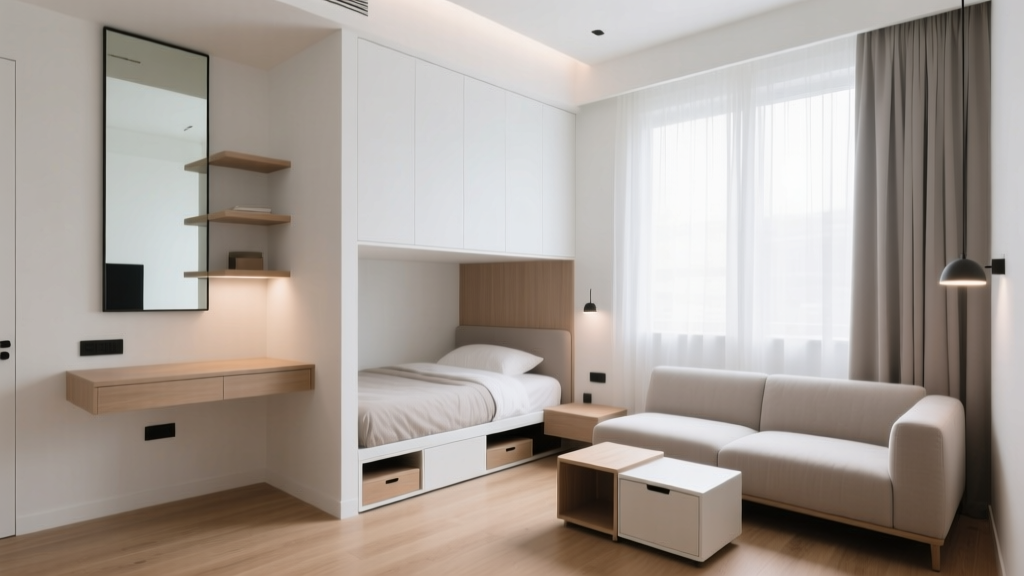
Small Bedroom Design Tricks to Maximize Space (2026)
A small bedroom can feel like a daily stressor: piles that have nowhere to go, furniture that blocks flow, and a “busy” look that makes it harder to unwind. When your sleep space feels cramped, your nervous system often stays on alert—exactly the opposite of what you want at bedtime. The good news is that you don’t need a bigger room to create a more spacious, calmer bedroom design. You need smarter choices.
Thoughtful small bedroom decor can improve comfort, reduce visual noise, and support better sleep quality. The goal isn’t just squeezing in storage—it’s creating a sleep-friendly environment with clear pathways, balanced lighting, breathable bedding, and a layout that signals rest. Below are practical, expert design tricks to maximize space without sacrificing style or wellness.
Start with the Layout: Space Planning That Feels Effortless
Measure first, then choose furniture that fits
Small bedroom design succeeds when every item earns its footprint. Before buying anything, measure wall lengths, window placement, and door swings. Then map “clear zones” that help the room feel open and safe to move through, especially at night.
- Keep 24–30 inches of walking space on at least one side of the bed if possible.
- Keep 18–24 inches at the foot of the bed for comfortable passage.
- Avoid blocking airflow from vents or radiators with bulky dressers.
Best bed placement for a small room
The bed is the visual and functional anchor. In most small bedrooms, one of these placements works best:
- Centered on the longest wall: Feels balanced and restful, especially if you can fit narrow nightstands.
- One side against the wall: Works for studios, rentals, and very tight rooms—use a wall-mounted light on the open side.
- Under a window (carefully): Use a low headboard and blackout curtains to prevent drafts and light leaks.
Sleep tip: Keep the bed away from direct HVAC blasts and bright morning sun if you’re sensitive to temperature shifts or early wake-ups.
Choose Space-Saving Furniture That Supports Sleep
Go for a storage bed or leggy bed frame
For small bedroom organization, the bed can do heavy lifting. Two strong options:
- Lift-up storage bed: Ideal for off-season clothing and extra linens. Look for gas-lift hardware and a ventilated base.
- Drawer storage bed: Easy daily access—best if you have clearance around the bed for drawers.
- Bed frame with legs (8–10 inches clearance): Visually lighter and allows under-bed bins; great for creating “breathing room.”
Budget range: $250–$600 for basic upholstered/storage frames; $700–$1,500 for sturdier hardwood frames with quality hardware.
Swap bulky nightstands for floating or narrow alternatives
Traditional nightstands can overwhelm a small bedroom layout. Try:
- Floating shelf nightstand: Keeps floor visible and simplifies cleaning.
- Wall-mounted cabinet: Adds hidden storage for chargers, skincare, and medication.
- Narrow C-table: Slides under the bed edge; useful for laptops or books.
Budget range: $25–$80 for simple shelves; $90–$250 for wall-mounted bedside cabinets.
Use a low-profile dresser or a tall, narrow chest
In compact bedroom design, vertical storage is your ally.
- Low dresser: Doubles as a media console and keeps sightlines open.
- Tall chest: Minimizes footprint while maximizing storage—anchor to the wall for safety.
Material recommendation: Look for solid wood or plywood construction over particleboard in high-use drawers. Soft-close hardware reduces noise—helpful for light sleepers or shared households.
Use Vertical Space: Walls, Corners, and Doors
Wall-mounted shelving done the calm way
Open shelves can either feel airy or cluttered. Keep them restful by limiting what’s displayed.
- Install one long shelf above a dresser rather than multiple small ones.
- Use matching baskets or lidded boxes to reduce visual noise.
- Keep decor minimal: 2–4 items per shelf section.
Over-the-door storage that doesn’t look temporary
Renters can gain surprising space with door storage:
- Over-the-door hooks for robes, bags, and tomorrow’s outfit.
- Slim over-the-door organizers for accessories, hair tools, or cleaning supplies.
Sleep tip: Keep the back of the bedroom door clear of noisy items (keys, jangly hangers) that can rattle at night.
Corner solutions: the most overlooked real estate
- Corner shelf tower for books and folded items.
- Corner wall sconce to free up nightstand surface.
- Corner hamper (lidded) to hide laundry and keep the room calmer.
Color, Pattern, and Visual “Quiet” for a Bigger Feel
Best paint colors for a small bedroom
Light-reflective hues can visually expand the room, but the most sleep-friendly colors are often soft, muted, and low-contrast.
- Warm whites: Creamy, not stark—pairs well with wood tones.
- Soft greige: Neutral and calming in mixed lighting.
- Muted blue-green: Gentle, spa-like; supports a relaxing sleep environment.
- Dusty blush or clay: Warm and soothing when used lightly.
Pro trick: Paint trim the same color as the walls (or one shade lighter) to reduce visual breaks and make the room feel larger.
Keep contrast controlled
High contrast can look dramatic, but in tight spaces it can feel busy. For small bedroom decor, aim for:
- One main neutral (walls + large furniture)
- One accent color (pillows, art, throw)
- One natural texture (wood, linen, woven basket)
Lighting Tricks: Make the Room Feel Larger and More Restful
Layer lighting to avoid harsh overhead glare
A sleep-friendly bedroom uses multiple gentle light sources instead of one bright fixture.
- Ambient: Flush-mount ceiling light or semi-flush fixture (great for low ceilings).
- Task: Wall sconces or swing-arm lamps for reading.
- Accent: Warm LED strip behind a headboard or under a floating shelf.
Bulb recommendation: Warm white 2700K for cozy evenings. If you’re sensitive to blue light, use amber or “sleep” bulbs for bedside lamps.
Budget range: $15–$40 for quality LED bulbs; $40–$150 per wall sconce; $20–$60 for plug-in dimmers (renter-friendly).
Add a mirror, but place it thoughtfully
Mirrors expand light and create depth—ideal for compact bedroom design. For better sleep, placement matters:
- Place a mirror opposite or adjacent to a window to bounce daylight.
- Avoid aiming a mirror directly at the bed if reflections feel stimulating or distracting.
- Choose a full-length mirror with a thin frame for a cleaner look.
Bedding and Textiles: Cozy Without the Clutter
Right-size your bedding for a cleaner silhouette
Oversized bedding can swallow a small room visually. Create a tailored look that still feels inviting:
- Choose a medium-loft duvet rather than an extra-puffy comforter.
- Use one quilt or coverlet layered over a duvet for texture—avoid too many throws.
- Limit pillows: 2 sleeping pillows + 1–2 accents often looks calmer.
Sleep-friendly fabric recommendations
- Cotton percale: Crisp, breathable; great for warm sleepers.
- Cotton sateen: Smoother and slightly warmer; good for cooler rooms.
- Linen: Temperature-regulating and relaxed; ideal for a natural bedroom design.
- Wool or cotton blanket: Adds warmth without trapping heat like synthetics.
Budget range: $40–$90 for basic cotton sheet sets; $120–$250 for higher-quality long-staple cotton; $180–$400 for linen sets (watch for sales).
Window treatments that save space and improve sleep
- Blackout curtains: Best for city light and shift work; choose thicker fabric with a soft drape.
- Blackout roller shade + sheer curtain: Offers daytime privacy and nighttime darkness without heavy bulk.
- Inside-mount shades: Cleanest look for small bedrooms.
Sleep tip: Reducing light exposure at night supports melatonin production and can make falling asleep feel more natural.
Small Bedroom Storage That Doesn’t Disrupt Calm
Use closed storage to reduce visual clutter
Open piles—no matter how neatly stacked—signal “unfinished.” A calmer bedroom design relies on hiding everyday items.
- Lidded baskets for cables, chargers, and misc. items
- Under-bed bins with fabric sides (quieter and softer than plastic)
- Drawer dividers for socks, underwear, and accessories
Create a simple nighttime “landing zone”
This is a small habit with a big impact on bedroom organization and sleep quality. Keep a small tray or shallow dish for:
- Glasses or contact case
- Hand cream or lip balm
- Earplugs
- One book or e-reader
When bedtime essentials have a home, the room feels instantly more spacious—and evenings feel less frantic.
Wellness-Focused Design: Air, Sound, Scent, and Temperature
Improve air quality in a tiny space
- Ventilate daily: 5–10 minutes with a window cracked (weather permitting).
- Choose low-VOC paint and minimize heavily fragranced products.
- Consider an air purifier if allergies disrupt sleep. Look for a true HEPA filter.
Budget range: $60–$150 for compact air purifiers; $200–$350 for quieter, higher-capacity models suitable for bedrooms.
Soften sound for deeper rest
- Add a dense rug (or rug pad) to reduce echo.
- Use heavy curtains if street noise is a problem.
- Try a white noise machine or fan for consistent background sound.
Keep temperature comfortable
Many people sleep best in a slightly cool room. If your small bedroom runs warm, prioritize breathable bedding and airflow:
- Perch a quiet fan near a doorway to circulate air.
- Use moisture-wicking sheets (percale, linen).
- Avoid thick foam toppers if you overheat.
Common Small Bedroom Mistakes to Avoid
- Oversized furniture “because it’s comfy”: It steals circulation space and makes the room feel tense.
- Too many small decor items: Tiny objects create visual clutter faster than larger, simpler pieces.
- One bright overhead light only: Harsh lighting can make bedtime feel less relaxing.
- Storage without systems: Random bins become clutter. Label or group by category.
- Electronics overload: A bedroom filled with chargers, blinking LEDs, and work gear can interfere with winding down.
- Ignoring window coverage: Light leaks and early dawn can disrupt sleep cycles.
FAQ: Small Bedroom Design and Sleep Environment
What is the best bed size for a small bedroom?
A full bed often offers the best balance of comfort and floor space in very small rooms. A queen can work if you choose narrow nightstands or floating shelves and keep other furniture minimal. If you’re sharing the bed, prioritize sleep quality—cramped sleep is rarely worth a slightly larger walkway.
How can I make a small bedroom look bigger without renovating?
Use a lighter, low-contrast color palette, hang curtains higher and wider than the window, add a well-placed mirror, and choose furniture with legs or wall-mounted pieces. Most importantly, reduce surface clutter to create visual calm.
Are under-bed storage bins bad for air circulation and sleep?
They can be if they block airflow and collect dust. Choose low-profile bins, avoid overstuffing, and clean under the bed regularly. If allergies affect sleep, consider a bed with built-in drawers or a lift-up base that closes more cleanly.
What lighting is best for sleep in a small bedroom?
Warm, dimmable lighting is ideal. Aim for 2700K bulbs in bedside lamps or sconces and limit bright overhead light at night. If you read in bed, use a focused task light that doesn’t flood the whole room.
How do I create a bedroom that feels calm when I don’t have much storage?
Prioritize closed storage (lidded baskets, under-bed bins, one dresser) and keep a simple “landing zone” tray for nighttime essentials. Edit what lives in the bedroom so the space supports rest rather than acting as a catch-all.
What are the best materials for a healthier sleep environment?
Choose breathable bedding (cotton, linen), low-VOC paint, solid wood or plywood furniture when possible, and washable textiles. If you’re scent-sensitive, skip heavily fragranced candles and plug-ins and focus on fresh air and clean fabrics.
Actionable Next Steps: Your Calm, Space-Smart Bedroom Plan
- Measure your room and sketch a simple layout with clear walking paths.
- Upgrade one “big impact” item: a storage bed, blackout window treatment, or a slimmer nightstand.
- Reduce visual clutter by switching one open area to closed storage (basket, cabinet, or drawer system).
- Adjust lighting with warm bulbs and a bedside sconce or lamp on a dimmer.
- Refresh bedding with breathable fabrics that support temperature comfort and deeper sleep.
A small bedroom can absolutely become a restorative, beautiful retreat—one that feels open, functional, and genuinely sleep-friendly. For more small bedroom ideas, calming decor inspiration, and sleep wellness tips, explore the latest bedroom features on thedecormag.com.
More Articles
 Best Bedroom Essential Oil Diffuser Spot - The Decor Mag
 Bedroom Warm Wood Nightstand Pair - The Decor Mag
 How to Create a Bedroom That Feels Grounded - The Decor Mag
 Bedroom Retreat: Decor Ideas for 2026
 Plaster Range Hood Headboard for Bedrooms
 Best Bedroom Eye Mask Storage - The Decor Mag
 Bedroom Fluted Headboard Panel Design - The Decor Mag
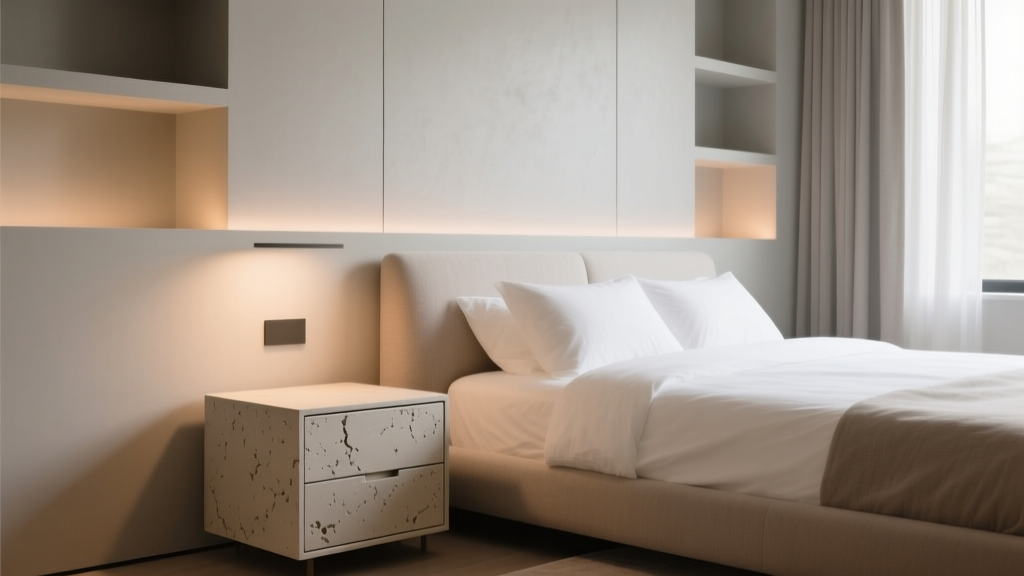 Bedroom Warm Plaster Nightstand Finish - The Decor Mag
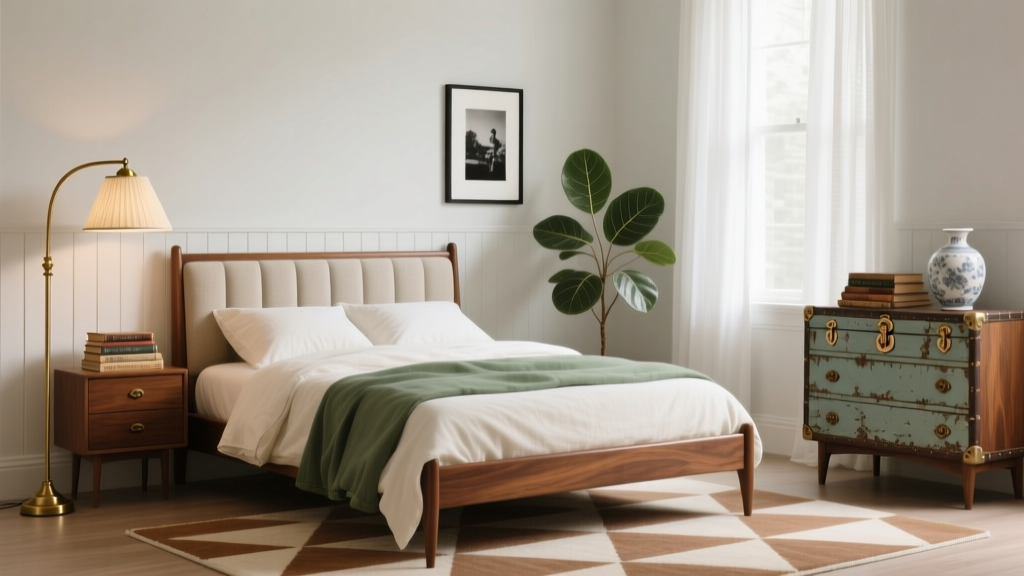 How to Style a Bedroom with Vintage Pieces - The Decor Mag
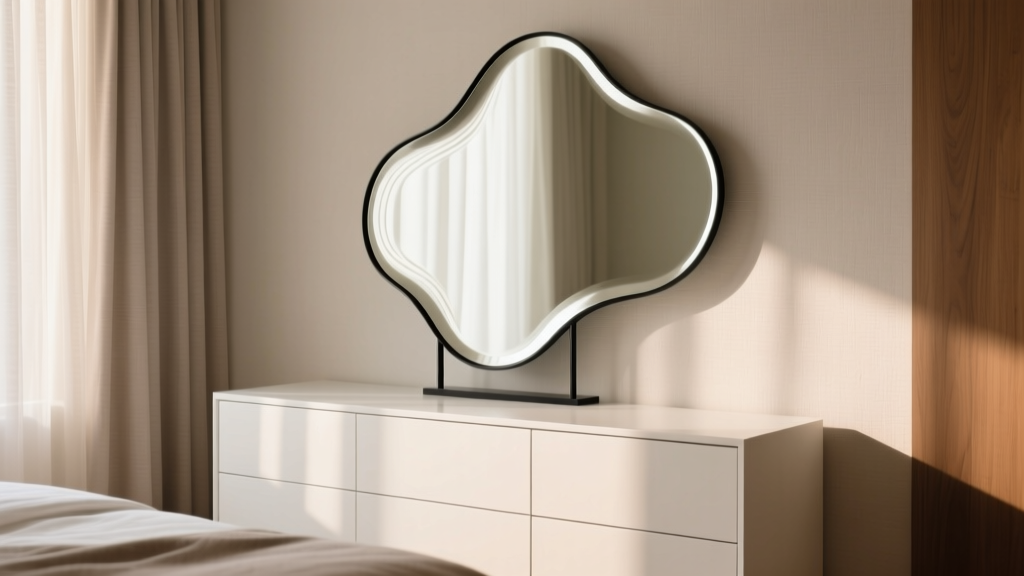 Bedroom Organic Shaped Mirror Above Dresser - The Decor Mag