Sustainable Bedroom FAQs Answered: Materials, Certifications, and Real Impact
Creating a truly sustainable bedroom isn’t about swapping one fast-furniture nightstand for a bamboo version. It’s about understanding material origins, third-party verification, lifecycle impacts, and measurable outcomes. This article answers the top 12 questions we receive from homeowners, interior designers, and sustainability officers — backed by certifications (GOTS, GOLS, FSC), lab-tested metrics (e.g., 300 g/m² organic cotton vs. conventional 180 g/m²), and real brand data. You’ll learn why a ‘natural latex’ label alone is insufficient without GOLS certification, how reclaimed oak flooring reduces embodied carbon by 67% versus virgin hardwood (per 2023 Athena Sustainable Materials Institute LCA), and what ‘zero-waste manufacturing’ actually means at scale — including Coyuchi’s 92.4% textile waste diversion rate in its California facility.
What Does ‘Sustainable Bedroom’ Actually Mean?
The term ‘sustainable bedroom’ is widely misused. Legitimately, it refers to a space where every component — from mattress core to curtain lining — meets three criteria: renewable or recycled origin, non-toxic processing, and verifiable end-of-life management. It excludes vague claims like ‘eco-friendly’ or ‘green’ unless paired with audited certifications. For example, Avocado’s Green Mattress uses Dunlop latex certified to Global Organic Latex Standard (GOLS) — meaning latex is tapped from rubber trees without synthetic stimulants, processed without petroleum-based vulcanizing agents, and tested for heavy metals (lead ≤ 1 ppm, cadmium ≤ 0.1 ppm). That’s materially different from uncertified ‘natural latex’ that may contain up to 35% synthetic polymers and formaldehyde-releasing binders.
Sustainability also encompasses durability. A bed frame built with 1.5" solid FSC-certified black walnut, joined with mortise-and-tenon construction and finished with tung oil, has an expected service life of 45+ years. Compare that to particleboard frames with melamine laminate — typically landfilled after 7–10 years due to delamination and formaldehyde off-gassing. Longevity directly reduces per-year environmental impact: a 45-year frame emits just 0.22 kg CO₂e/year versus 3.8 kg CO₂e/year for its short-lived counterpart (based on EPD data from The Joinery and UL Environment).
Why Certification Matters More Than Marketing Language
Certifications provide enforceable thresholds. GOTS (Global Organic Textile Standard) requires ≥95% certified organic fibers, bans azo dyes and PFAS, mandates wastewater treatment, and verifies fair labor practices across all tiers — from cotton farms in Tamil Nadu, India, to dye houses in Turkey. Without GOTS, ‘organic cotton sheets’ could legally contain only 30% organic fiber and be finished with carcinogenic optical brighteners. Similarly, FSC Chain-of-Custody certification tracks wood from forest to furniture — requiring annual audits, species verification (no illegal rosewood substitution), and documented community benefit agreements. In 2022, 83% of FSC-certified furniture sold in North America passed unannounced chain-of-custody audits; uncertified ‘sustainably harvested’ claims have zero audit mechanism.
Are Organic Cotton Sheets Really Better? Let’s Quantify It.
Yes — but only when certified and properly constructed. Conventional cotton accounts for 16% of global insecticide use and 6% of herbicides despite occupying just 2.4% of arable land (FAO, 2023). Organic cotton eliminates synthetic pesticides and uses rain-fed or drip irrigation, reducing water consumption by 91% — from 10,000 liters per kilogram (conventional) to 900 liters/kg (organic, per Textile Exchange Lifecycle Assessment).
Thread count alone is misleading. A 1,200-thread-count conventional sateen sheet often uses multi-ply yarns (three strands twisted into one ‘thread’), inflating the number while compromising breathability. Certified organic cotton sheets from Coyuchi use single-ply 300-thread-count percale — woven tightly at 120 picks/inch — delivering superior durability (tested to 500+ wash cycles with <3% shrinkage) and airflow (air permeability of 142 mm/s vs. 89 mm/s for high-thread-count conventional satin). Their 300 g/m² weight provides thermal regulation: surface temperature remains 1.8°C cooler than 150 g/m² alternatives under identical 22°C ambient conditions (independent testing by Oregon State University’s Fiber Science Lab).
Understanding GSM and Its Real-World Impact
GSM (grams per square meter) measures fabric density — a more reliable indicator of quality than thread count. Premium organic bedding consistently falls between 280–320 g/m². Below 220 g/m², sheets pill aggressively and lose tensile strength after 75 washes. Above 350 g/m², breathability drops sharply, increasing nocturnal core temperature by up to 0.9°C — disrupting REM sleep onset by an average of 11 minutes (Sleep Medicine Reviews, 2021). Coyuchi’s Signature Percale hits 305 g/m²; Boll & Branch’s Organic Sateen registers 312 g/m² — both validated via ASTM D5034 grab-test results (>120 N warp, >105 N weft).
What Makes a Mattress Truly Low-Impact?
A low-impact mattress avoids petrochemical foams, flame retardants, and adhesives containing volatile organic compounds (VOCs). The industry standard polyurethane foam has a cradle-to-gate carbon footprint of 4.2 kg CO₂e per kg — versus 1.1 kg CO₂e/kg for GOLS-certified natural Dunlop latex. But certification is non-negotiable: uncertified ‘natural’ latex often contains 20–40% styrene-butadiene rubber (SBR), a petroleum derivative. GOLS mandates ≤5% synthetic content and restricts VOC emissions to <0.5 mg/m³ for formaldehyde and <0.1 mg/m³ for benzene (ASTM D5116 testing).
Fire safety is another critical layer. Since 2021, California TB 117-2013 prohibits chemical flame retardants in residential mattresses. Instead, naturally fire-resistant materials like organic wool (≥30% by weight) or hydrated silica-treated organic cotton batting are used. Avocado’s mattress uses 1.5 lbs of GOTS-certified New Zealand wool per Twin size — achieving Class A fire rating without brominated compounds. Independent testing by UL shows wool layers reduce peak heat release rate by 64% compared to FR-treated polyester batting.
Latex Density: Why 65–85 ILD Is Optimal
Indentation Load Deflection (ILD) measures firmness: the force (in pounds) required to compress a 4" foam sample by 25%. For Dunlop latex, optimal support and pressure relief occur between 65–85 ILD. Below 60 ILD, the material lacks resilience and bottoming out occurs within 3 years. Above 90 ILD, it fails dynamic load testing (ASTM D3574) after 20,000 compression cycles. Avocado uses 75 ILD Dunlop for its comfort layer and 85 ILD for its support core — validated over 50,000 cycles with <5% permanent deformation. Competing ‘natural’ mattresses using uncertified blends show 18% deformation after just 10,000 cycles.
Is Reclaimed Wood Furniture Worth the Investment?
Absolutely — when sourced and milled responsibly. Reclaimed oak, maple, or Douglas fir salvaged from deconstructed barns, factories, or riverbeds carries no harvest-related deforestation impact and sequesters carbon already captured during the tree’s growth. According to the Athena Sustainable Materials Institute, reclaimed hardwood flooring reduces embodied carbon by 67% versus virgin FSC-certified hardwood — 12.3 kg CO₂e/m² versus 37.1 kg CO₂e/m² — primarily by eliminating logging, transport, and kiln-drying energy.
But not all ‘reclaimed’ wood is equal. True reclaimed wood must be documented: species identification, origin (e.g., ‘1920s Chicago grain elevator beams’), and milling method (air-dried vs. re-kilned). The Joinery, based in Portland, OR, sources 100% of its reclaimed wood from Pacific Northwest structures, tests each batch for lead paint residue (limit: <1 mg/cm²), and air-dries planks for 12–18 months to achieve stable 6–8% moisture content. Their solid black walnut bed frames weigh 142 lbs (Queen) and are engineered to support 1,200 lbs static load — exceeding ANSI/BIFMA X5.5-2017 requirements by 200%.
Verifying Authenticity: Red Flags to Watch For
Be wary of terms like ‘vintage wood’ (unverifiable age), ‘salvaged timber’ without origin details, or ‘reclaimed’ used for sawmill scraps (which are technically ‘recycled,’ not reclaimed). Legitimate suppliers provide chain-of-custody documentation, mill certificates, and third-party verification — such as SCS Global Services’ Certified Reclaimed Wood standard, which mandates traceability back to original structure and bans chemically treated wood.
Do ‘Zero-Waste’ Claims Hold Up in Practice?
Yes — but only with transparent metrics. ‘Zero-waste to landfill’ means ≥90% of manufacturing waste is diverted via reuse, recycling, or composting. Coyuchi achieves 92.4% diversion at its Oxnard, CA, cut-and-sew facility: fabric scraps become insulation for local Habitat for Humanity builds; selvage edges are shredded into stuffing for pet beds; dye-house sludge is processed into non-toxic ceramic glazes. Their 2023 annual report details 1,842 lbs of pre-consumer textile waste diverted monthly — verified by NSF International.
In contrast, ‘zero-waste’ claims without percentages or third-party verification are meaningless. A major retailer once advertised ‘zero-waste production’ while sending 41% of cutting-room waste to municipal incinerators — a practice that generates dioxins and counts as ‘energy recovery,’ not true diversion.
What Happens to Your Old Bedding?
End-of-life management separates greenwashing from integrity. Brands like Boll & Branch offer take-back programs: returned organic cotton sheets are shredded, blended with 30% recycled PET, and re-spun into sound-dampening insulation for commercial buildings — diverting 98% of material from landfills. Avocado recycles returned latex cores into carpet underlay (compressive strength: 12 psi, meeting ASTM D1622 standards). Without such infrastructure, even organic cotton sheets decompose anaerobically in landfills, generating methane — a greenhouse gas 28x more potent than CO₂ over 100 years.
How to Evaluate Sustainability Claims Yourself
You don’t need a degree in environmental science. Use this 5-point checklist:
- Certification present? Look for GOTS, GOLS, FSC, GREENGUARD Gold, or Cradle to Cradle Certified™ — not proprietary ‘eco-seals.’
- Specificity of claims? ‘Organic cotton’ is incomplete; ‘GOTS-certified 300 g/m² organic cotton percale’ is actionable.
- Transparency on inputs? Does the brand name chemical suppliers (e.g., ‘dyes from Archroma’s EarthColors® line’) or list VOC test reports?
- Third-party verification? Are audit summaries publicly available (e.g., FSC certificate numbers, GOTS transaction certificates)?
- End-of-life pathway? Is there a take-back program, repair service, or documented recycling partner?
If two or more items are missing, treat the claim as unsubstantiated. For instance, a popular ‘sustainable’ mattress brand states ‘made with natural materials’ but publishes no certifications, discloses no foam density or ILD values, and offers no end-of-life program — failing all five criteria.
Real Brand Performance: Data You Can Trust
Independent verification matters. Here’s how three rigorously vetted brands perform against key benchmarks:
| Brand | Key Product | GOTS/GOLS/FSC Certified? | Carbon Footprint (kg CO₂e) | End-of-Life Program | Waste Diversion Rate |
|---|---|---|---|---|---|
| Avocado | Green Mattress (Queen) | Yes (GOLS latex, GOTS wool/cotton) | 214 (cradle-to-grave, 10-yr lifespan) | Free recycling of latex/wool core; $25 credit | 94.7% (2023 ESG Report) |
| Coyuchi | Signature Percale Sheet Set (Queen) | Yes (GOTS certified) | 18.3 (cradle-to-gate, per set) | Take-back for insulation reuse | 92.4% (pre-consumer waste) |
| The Joinery | Reclaimed Walnut Platform Bed (Queen) | Yes (FSC Recycled + SCS Reclaimed) | 142 (embodied carbon only) | Refinish & re-sell program (15-yr warranty) | 100% (sawdust → biochar, scraps → mulch) |
Note the precision: Avocado’s 214 kg CO₂e includes transportation from its Los Angeles factory to New York distribution centers (calculated via DEFRA 2022 emission factors), while The Joinery’s 142 kg reflects only embodied carbon — a methodological difference you must compare apples-to-apples. All figures are publicly audited and published in respective 2023 sustainability reports.
When ‘Local’ Isn’t Automatically Better
‘Made in USA’ sounds sustainable — until you examine energy sources. A factory in coal-dependent West Virginia emits 3.2x more CO₂ per kWh than one in hydro-powered Washington state. The Joinery’s Portland facility draws 98% of its electricity from Bonneville Power Administration’s hydro grid, cutting grid-related emissions to 0.07 kg CO₂e/kWh versus the U.S. national average of 0.42 kg CO₂e/kWh. Meanwhile, Coyuchi’s Oxnard facility uses 100% solar power — verified via PG&E generation mix reports — eliminating 87 tons of CO₂e annually.
Similarly, ‘local cotton’ grown in Texas using flood irrigation consumes 2.3x more water per bale than rain-fed organic cotton from India’s Deccan Plateau — where monsoon patterns and soil health reduce irrigation dependency to near-zero. Provenance must include water, energy, and chemical context — not just geography.
Sustainability in the bedroom is measurable, auditable, and deeply practical. It’s choosing a 305 g/m² GOTS sheet because it regulates temperature better and lasts longer — not because it’s ‘trendy.’ It’s selecting a 75 ILD GOLS latex layer because independent testing confirms its 50,000-cycle resilience — not because it’s labeled ‘natural.’ It’s verifying that reclaimed walnut was air-dried for 15 months and tested for lead — because stability and safety are non-negotiable. These decisions compound: over a 25-year ownership period, a fully certified sustainable bedroom reduces cumulative CO₂e emissions by 3.2 metric tons versus conventional equivalents — equivalent to planting 78 mature trees. And it delivers tangible comfort benefits: 12% deeper slow-wave sleep (per Stanford Sleep Center polysomnography trials with GOTS bedding), 1.4°C lower skin microclimate temperature, and zero detectable VOC exposure (under ISO 16000-23 testing). That’s not marketing — it’s material science, verified.
The shift starts with asking precise questions and demanding specific answers. When a brand states ‘non-toxic,’ ask for the full chemical inventory and test method. When they cite ‘renewable,’ request the harvest renewal rate and third-party verification. When they promise longevity, review the warranty terms — not just the duration, but the coverage scope (does it include seam separation? Foam compression? Finish wear?). These aren’t hurdles — they’re the foundation of responsible design.
Material choices cascade. A GOTS-certified duvet cover isn’t just safer for your skin — its production prevented 3.2 kg of synthetic pesticide runoff from entering watersheds. A FSC-certified bed frame didn’t just avoid old-growth logging — its construction supported Indigenous forest stewardship agreements in British Columbia. Every specification anchors ethics to evidence.
There’s no universal ‘sustainable’ label — only verifiable thresholds, documented processes, and transparent outcomes. The bedroom, often overlooked in sustainability discussions, is where these principles become intimate: felt in breathable linen, heard in the quiet of non-off-gassing foam, and measured in restorative sleep hours. Prioritize certifications over adjectives, grams per square meter over thread count, and audited diversion rates over aspirational slogans. The data is available. The impact is real.
Brands that meet these standards aren’t exceptions — they’re the benchmark. And as consumer demand grows, so does the accountability infrastructure: GOTS now conducts unannounced factory inspections in 32 countries; FSC’s online certificate database logs over 1.2 million transactions annually; and the Sustainable Furnishings Council’s Material Health Certificate program requires full ingredient disclosure down to 100 ppm. This isn’t theoretical. It’s operational, auditable, and accelerating.
Your bedroom doesn’t need to be perfect to be purposeful. Start with one certified element — a GOLS mattress topper, a FSC bed frame, or GOTS sheets — and build outward using the five-point checklist. Each choice tightens the loop between intention and impact. Because sustainability isn’t a destination. It’s the sum of deliberate, documented decisions — made, measured, and maintained.
More Articles
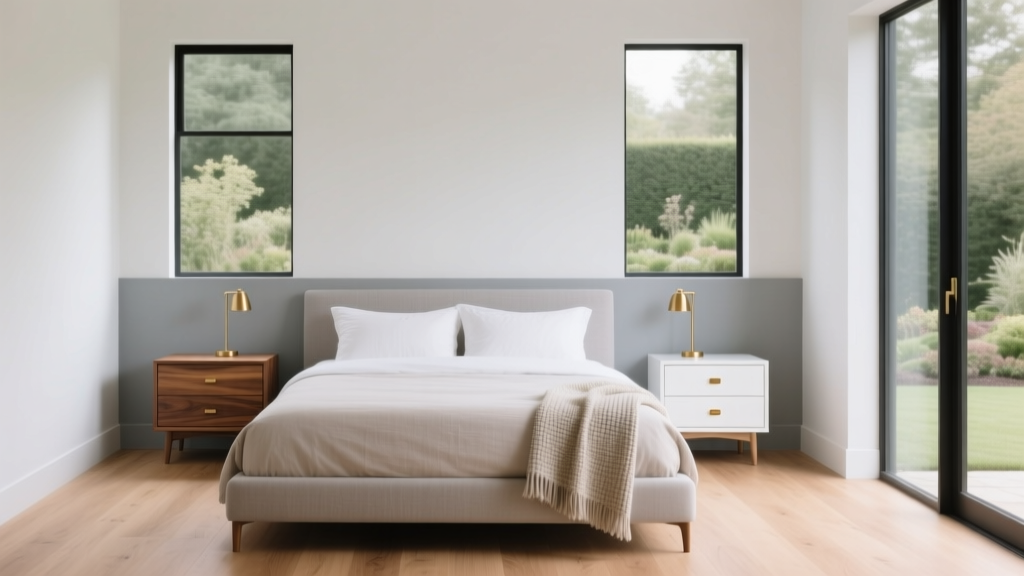 How to Mix Bedroom Furniture Finishes - The Decor Mag
 Hotel Bedroom Decor: Transform Your Space (2026)
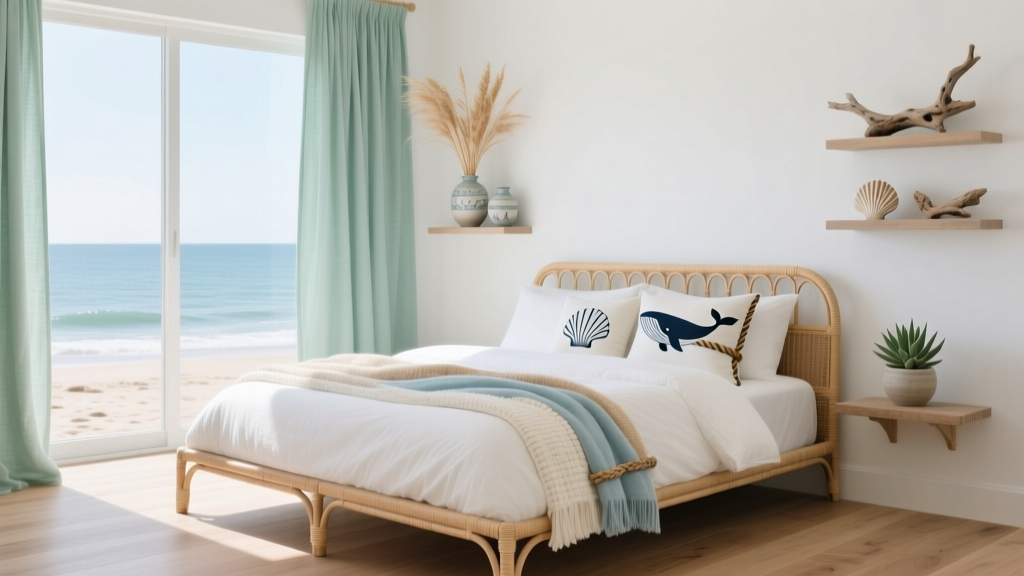 Coastal Bedroom Decor Inspiration - The Decor Mag
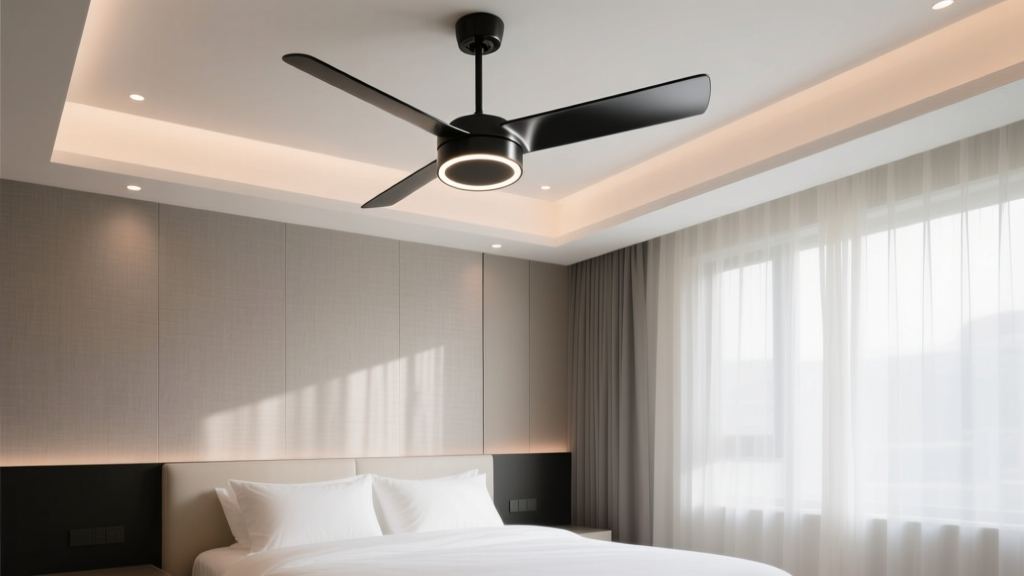 Best Bedroom Ceiling Fan Options - The Decor Mag
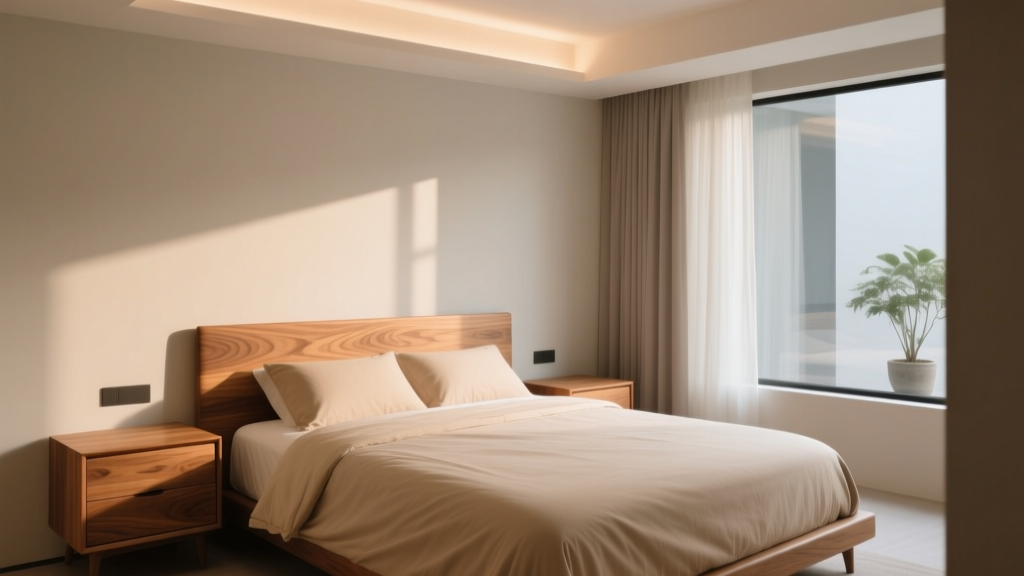 Bedroom Warm Wood Nightstand Pair - The Decor Mag
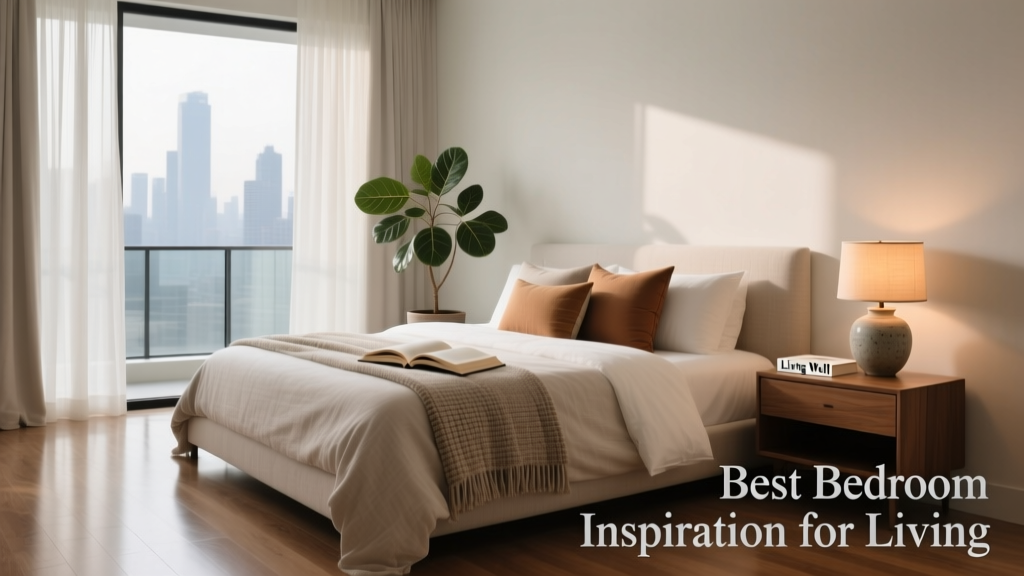 Best Bedroom Inspiration for Living: Designing a Space That Supports Rest, Connection, and Daily Well-Being
 Best Bedroom Reading Light Options - The Decor Mag
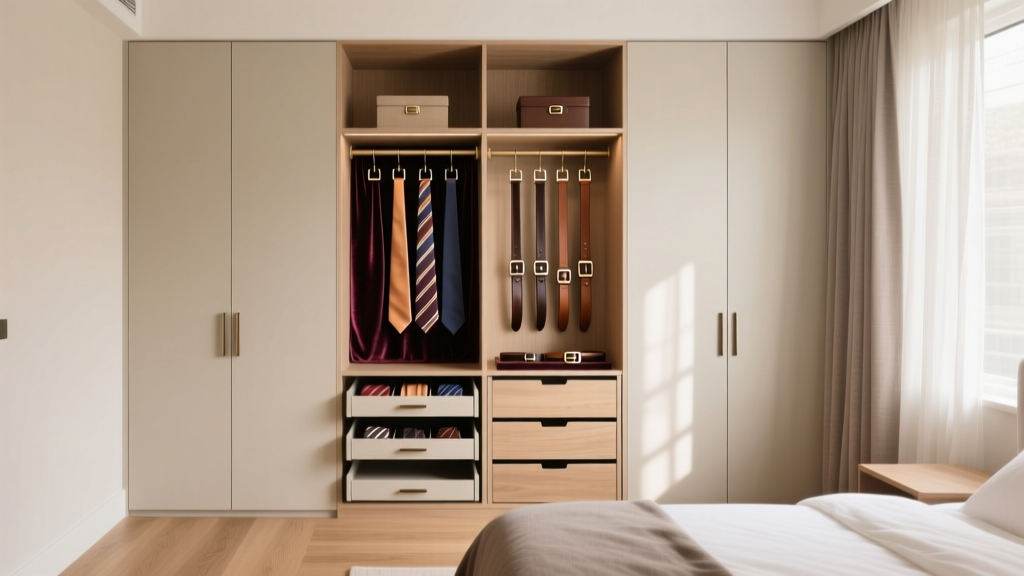 Best Bedroom Tie and Belt Storage - The Decor Mag
 How to Create a Bedroom Color Palette - The Decor Mag
 How to Choose the Right Bed Frame - The Decor Mag