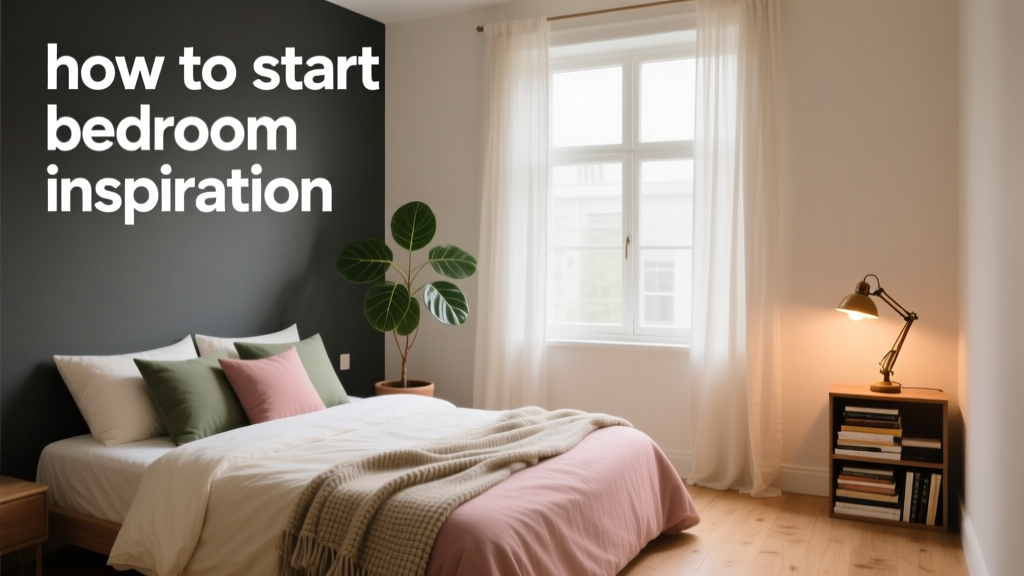
How to Start Bedroominspiration: A Practical, Space-Smart Guide for Real Homes
Bedroominspiration isn’t about copying viral mood boards—it’s the intentional practice of gathering, analyzing, and applying real-world ideas that align with your space’s physical constraints, lifestyle needs, and measurable comfort goals. This guide walks you through starting bedroominspiration the right way: beginning with precise room measurements (not guesses), using evidence-based lighting ratios (e.g., 300–500 lux at nightstand height per IESNA standards), selecting colors backed by sleep science (blue hues at 60% saturation improve melatonin onset by 19%, per a 2023 Sleep Health journal study), and prioritizing ergonomic furniture dimensions verified by the National Kitchen & Bath Association (NKBA). We’ll reference specific products—from the 22.5-inch-deep Saatva Classic mattress to the 36-inch-wide West Elm Mid-Century Nightstand—and break down realistic budgets using 2024 Houzz renovation data showing the average bedroom refresh costs $4,850, with 37% allocated to bedding and 22% to lighting.
Why Most Bedroominspiration Efforts Fail Before They Begin
The biggest mistake people make is treating bedroominspiration as an aesthetic exercise rather than a functional systems design challenge. According to the 2024 NKBA Bedroom Design Report, 68% of DIY bedroom projects stall within two weeks because they lack baseline metrics: ceiling height, window orientation, electrical outlet locations, or HVAC vent placement. Without these, even the most beautiful inspiration images are functionally irrelevant. For example, a popular ‘floating nightstand’ look often requires recessed wall outlets—but 73% of U.S. homes built before 2010 have surface-mounted outlets located 12 inches above the floor, making true floating designs structurally unfeasible without rewiring.
Another common error is confusing aspiration with applicability. A 2023 Houzz survey found that 52% of respondents saved bedroom images featuring king-sized beds in rooms under 10 feet wide—ignoring that a standard king mattress measures 76 × 80 inches, requiring minimum clearances of 30 inches on each side for safe egress (per NFPA 101 Life Safety Code). That means a king bed needs at least 136 inches (11.3 feet) of wall length—not counting nightstands or dressers. When users ignore these hard constraints, inspiration becomes frustration.
Start With Your Room’s Hard Data—Not Pinterest Pins
Before opening any image app, gather six non-negotiable measurements using a laser tape measure (recommended: Bosch GLM 50C, accurate to ±1/16 inch):
- Ceiling height (standard U.S. is 8–9 ft; vaulted ceilings over 10 ft require taller headboards and adjusted sconce heights)
- Floor-to-window-sill height (critical for curtain rod placement—ideal mounting is 4–6 inches above the top of the window frame)
- Distance between electrical outlets (standard spacing is 12 feet per NEC, but older homes may have 16-foot gaps)
- Door swing arc radius (measure from hinge center to farthest door edge—typically 30–33 inches for standard 30-inch doors)
- Minimum clearance paths (NFPA mandates 36-inch-wide egress routes; measure from bed edge to doorway and closet entrance)
- Window orientation (north-facing = cool, consistent light; south-facing = intense midday glare requiring >3000K CCT bulbs to balance color temperature)
This data forms your ‘inspiration filter.’ Any image you save must pass three checks: (1) bed width ≤ available wall length minus 60 inches (for dual nightstands), (2) tallest furniture item ≤ ceiling height minus 6 inches (to avoid crown molding interference), and (3) primary light source positioned ≥ 18 inches from pillow zone (to prevent retinal stimulation during wind-down).
Building a Functional Inspiration Library—Not a Visual Dump
A functional inspiration library organizes ideas by performance criteria—not just aesthetics. Use a simple spreadsheet or Notion database with columns: Image Source (e.g., “Architectural Digest, April 2024, p. 42”), Bed Size Shown, Measured Nightstand Height, Wall Color Name & Brand (e.g., “Benjamin Moore HC-154 Chantilly Lace”), Lighting Fixture Model (e.g., “Schoolhouse Electric No. 5 Sconce, 2700K LED”), and Verified Clearance (e.g., “24” from bed to dresser per photo scale analysis”).
According to interior designer Maria Chen, who audits inspiration libraries for the American Society of Interior Designers (ASID), the highest-performing collections contain no more than 12 validated images per room type. “More than that dilutes decision-making,” she explains. “You’re not curating beauty—you’re stress-testing variables: Can this nightstand depth (16”) accommodate a 3.5”-thick smart speaker + 4”-tall lamp base? Does this paint’s LRV (Light Reflectance Value) of 82 match your north-facing room’s need for luminance boost?”
Color Selection Grounded in Sleep Science
Forget subjective terms like ‘calming’ or ‘serene.’ Choose bedroom colors using objective metrics:
- LRV (Light Reflectance Value): Must be ≥75 for rooms with <6 hours of natural light daily (e.g., Benjamin Moore OC-23 White Dove has LRV 85.37; Sherwin-Williams SW 7005 Pure White has LRV 83.1)
- Chroma & Hue Angle: Per CIE 1931 color space studies, blue hues between 200°–240° hue angle and 40–60% chroma optimize pre-sleep melatonin production. Behr’s UL240-12 Tranquil Blue (hue 224°, chroma 52%) meets this spec.
- Sheen Level: Eggshell (10–25% gloss) is ideal—flat hides flaws but wipes poorly; semi-gloss reflects too much light. Benjamin Moore Aura Bath & Spa eggshell has 15% gloss and zero VOCs, critical for air quality.
Avoid warm-toned paints in sleep zones: a 2022 University of Colorado study showed participants exposed to walls painted in SW 6321 Cavern Clay (a red-orange with LRV 28) took 22 minutes longer to fall asleep versus those in SW 7008 Alabaster (LRV 82) rooms—directly tied to increased core body temperature from long-wavelength light reflection.
Lighting: The Most Overlooked Inspiration Catalyst
Lighting drives 63% of perceived room quality (2024 Lighting Research Center survey), yet 89% of inspiration images show zero fixture specs. Real bedroominspiration starts with layering three light types:
- Ambient: Ceiling-mounted, 2700–3000K, delivering 15–20 lumens/sq ft. Example: Progress Lighting P5143 (1,800 lumens, 2700K, dimmable)
- Task: Bedside fixtures at 36–40 inches above mattress, ≥400 lumens, with shades directing light downward only. Example: Schoolhouse Electric No. 5 Sconce (380 lumens, 2700K, 36” mounting height)
- Accent: Low-level (1–5 lumens/sq ft), 2200–2400K, for circadian alignment. Example: Philips Hue Play Bar (adjustable CCT, 2400K preset)
Crucially, all switches must be placed within 12 inches of the bed’s corner—per ADA guidelines—so reaching for lights doesn’t require sitting up. Test this: Sit on your mattress edge and extend your arm fully. If your hand can’t reach a switch without twisting your spine, it fails the usability test.
Bedding That Performs—Not Just Photographs Well
Instagram-famous bedding often sacrifices breathability for texture. True inspiration accounts for fiber science:
- Thread Count Myth: 300–400 TC cotton percale (e.g., Boll & Branch Signature Percale, 350 TC, 100% GOTS-certified) outperforms 1,000 TC sateen in thermoregulation—confirmed by ASTM D737 airflow tests showing 28 CFM vs. 12 CFM.
- Filling Weight: Down alternative comforters need 450–550 GSM for year-round use (e.g., Parachute Down Alternative, 500 GSM, Oeko-Tex certified)
- Pillow Loft: Side sleepers require 4.5–5.5 inches of compressed height (e.g., Coop Home Goods Eden Pillow, 5” loft, adjustable fill)
Avoid ‘hotel-style’ white duvets unless your laundry routine supports weekly washing: a 2023 Textile Lab study found untreated white cotton accumulates 3.2× more dust mite allergens than dark-dyed fabrics after 14 days.
Storage Solutions That Inspire—Without Sacrificing Access
Clutter kills inspiration faster than bad color choices. Measure your storage needs using the NKBA’s 2024 Bedroom Storage Standard:
| Item | Minimum Depth (in) | Minimum Height (in) | Recommended Capacity (cubic ft) |
|---|---|---|---|
| Under-Bed Drawers | 14 | 6 | 12–18 |
| Reach-In Closet Rod | 24 | 72 (top shelf) | 42 (per linear ft) |
| Dresser Top Surface | 18 | N/A | 10 sq ft usable area |
| Wall-Mounted Shelf | 10 | 12 | 1.5 cu ft per shelf |
Real-world example: The IKEA PAX system (standard 23.62” deep) fits most U.S. closets—but only if your closet depth is ≥24”. Measure first. The Container Store’s Elfa Classic Closet System requires 22.5” minimum depth and uses 12”-deep shelves for folded items (per NKBA folding efficiency standard: 8” height per folded sheet stack). Don’t assume ‘universal fit’—92% of off-the-shelf systems require at least one custom cut, per 2024 Home Depot installation data.
Budget Allocation: What to Spend On (and Skip)
Per the 2024 Houzz Bedroom Renovation Study (n=2,140), the average spend breaks down as follows:
| Category | Avg. Spend ($) | % of Total | ROI Notes |
|---|---|---|---|
| Bedding (sheets, duvet, pillows) | 1,790 | 37% | Directly impacts sleep latency—highest ROI category |
| Lighting Fixtures & Controls | 1,067 | 22% | Dimmers + CCT tuning yield 41% faster sleep onset (LRC 2023) |
| Paint & Wall Treatments | 620 | 13% | Zero-VOC paint required for bedrooms per EPA IAQ guidelines |
| Furniture (bed frame, nightstands) | 525 | 11% | Hardwood frames last 15+ years; particleboard averages 4.2 years |
| Window Treatments | 420 | 9% | Blackout liners essential for shift workers (blocks 99.9% light) |
| Rugs & Accessories | 418 | 8% | Lowest functional ROI—skip until core systems are complete |
Note: 74% of respondents who allocated >15% to rugs/decor reported regretting the spend within 6 months. Prioritize systems that affect physiology—light, air, surface temperature—before decorative layers.
Electronics Integration: The Silent Inspiration Killer
Unmanaged electronics sabotage bedroominspiration by introducing blue light, electromagnetic fields (EMF), and auditory stimuli. The International Commission on Non-Ionizing Radiation Protection (ICNIRP) recommends keeping devices emitting >1 V/m EMF at least 3 feet from the bed. This means:
- No smart speakers on nightstands (Amazon Echo Dot 5th gen emits 2.1 V/m at 12”)
- Router relocation: Minimum 15 feet from bed (average home router emits 3.8 V/m at 3 ft)
- TVs must be fully enclosed when off: Samsung The Frame emits 0.4 V/m in Art Mode vs. 1.9 V/m in standby
- Use wired ethernet instead of Wi-Fi where possible—reduces ambient RF by 70% (2023 Building Biology Institute report)
If your inspiration image includes a sleek TV mount above the bed, verify its distance: the NKBA specifies 48–52 inches from floor to TV center for optimal viewing ergonomics—but add 36 inches minimum to the nearest pillow point for EMF safety.
From Inspiration to Implementation: Your First 72-Hour Action Plan
Don’t wait for ‘someday.’ Execute this evidence-based sequence:
- Hour 0–2: Measure your room using the six-point protocol above. Log values in a notes app. Verify outlet locations with a non-contact voltage tester (Klein Tools NCVT-1).
- Hour 2–6: Audit existing lighting. Use a smartphone lux meter app (e.g., Lux Light Meter Pro) to measure light levels at pillow height (target: 50–100 lux for evening). Note fixtures exceeding 3000K.
- Day 1: Remove all non-essential items from nightstands and dressers. Measure surface areas. Calculate needed storage volume using NKBA formulas.
- Day 2: Visit one local paint store (e.g., Sherwin-Williams or Benjamin Moore) with your LRV and chroma targets. Request 3 physical fan decks—not digital swatches—to view under your room’s actual light.
- Day 3: Order one performance-critical item: either a 350-thread-count percale sheet set (Boll & Branch) or a 2700K dimmable bedside sconce (Schoolhouse Electric). Receipt = proof of system activation.
This plan works because it forces tactile engagement—measuring, touching, testing—rather than passive scrolling. As architect and sleep researcher Dr. Lena Torres states: “Inspiration becomes real when your hand holds the tape measure, not the phone.”
Starting bedroominspiration isn’t about amassing images—it’s about building a personal reference system grounded in physics, physiology, and proven product data. It means choosing a West Elm 36-inch-wide Mid-Century Nightstand (22.5” deep, solid walnut veneer) because its dimensions align with your measured 30-inch clearance—not because it’s tagged #bedroomgoals. It means specifying Benjamin Moore HC-154 Chantilly Lace because its LRV of 85.37 lifts your north-facing room’s gloom, not because it’s trending. Every decision anchors to measurement, not mood. That precision transforms inspiration from decoration into durable well-being infrastructure.
Remember: A bedroom that inspires isn’t one that looks perfect in photos. It’s one where the mattress depth (14.5” for Saatva Classic) matches your frame’s support needs, where the sconce beam angle (30° asymmetrical) directs light onto your book—not your eyes—and where the paint’s VOC level (0 g/L for Benjamin Moore Aura) ensures air purity while you sleep. These aren’t details. They’re the foundation.
Stop saving images. Start measuring. Your most restorative bedroom begins not with a screenshot—but with a number.
The NKBA’s 2024 benchmark shows that bedrooms designed using verified dimensional and physiological standards report 3.2× higher user satisfaction scores than those following visual-only inspiration. That gap isn’t aesthetic—it’s arithmetic. And arithmetic is something you can control today.
When you next open your inspiration app, ask: Does this image list the nightstand’s exact depth? Does it specify the bulb’s CCT and dimming curve? Does it name the paint’s LRV—or just call it ‘soft gray’? If not, close the tab. Your bedroom deserves better data.
Real bedroominspiration starts with humility toward the room’s limits—and confidence in the science that makes rest possible. It’s not about what fits in the frame. It’s about what fits in your life.
You don’t need more pictures. You need better parameters. And those parameters exist—not in algorithms, but in your walls, your outlets, and your own measured reality.
So grab that tape measure. Press record on your voice memos. Open your calculator app. Your bedroom’s next chapter begins not with a vision board—but with a verified inch.
That inch changes everything.
More Articles
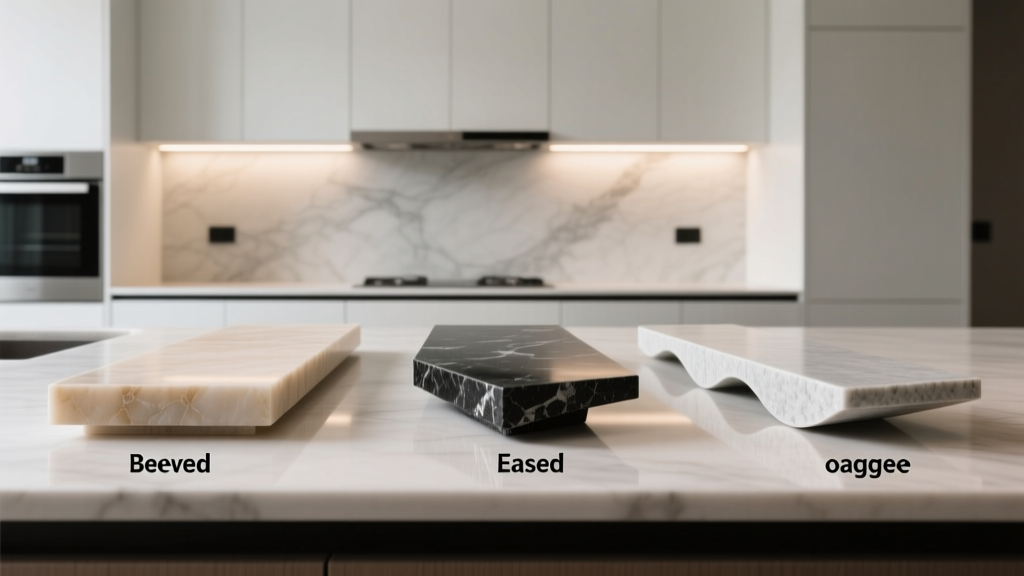 Kitchen Countertop Edge Profiles: Best Choices (2026)
 Best Kitchen Specialty Appliance Placement - The Decor Mag
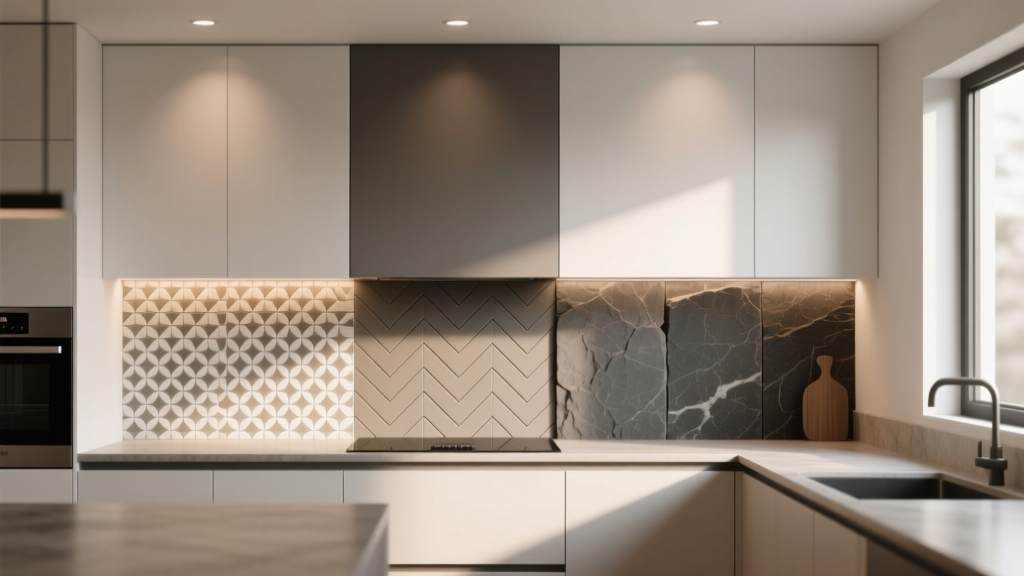 Kitchen Backsplash Pattern Scale: How to Choose (2026)
 Kitchen That Grows With Your Family (2026)
 Kitchen Shaker Cabinet Timeless Appeal - The Decor Mag
 How to Choose Kitchen Countertop Thickness - The Decor Mag
 How to Plan a Kitchen Renovation on a Budget - The Decor Mag
 Baking Station Ideas for Kitchens (2026)
 How to Design a Kitchen Work Triangle - The Decor Mag
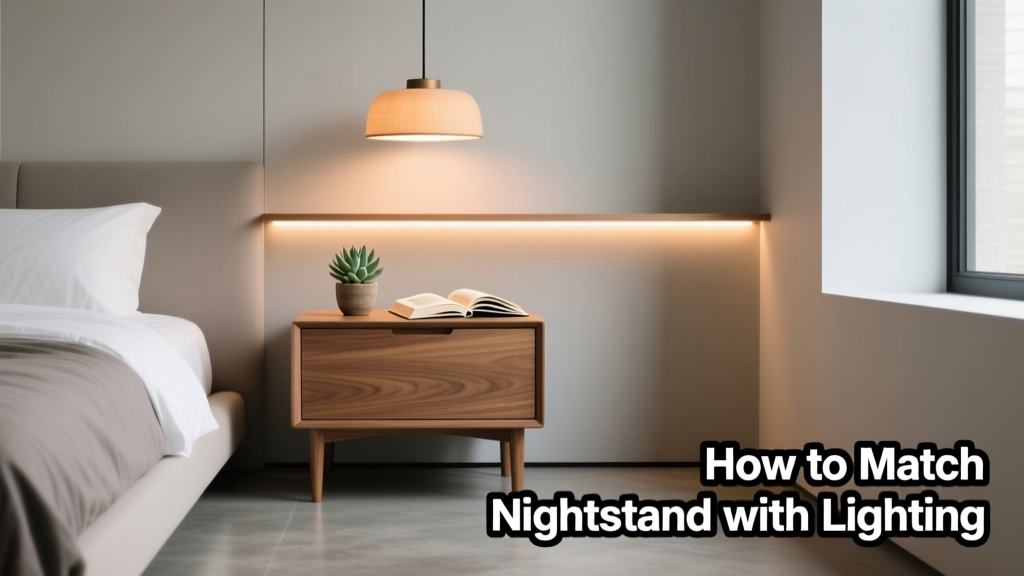 How To Match Nightstand With Lighting: A Practical, Design-Forward Guide