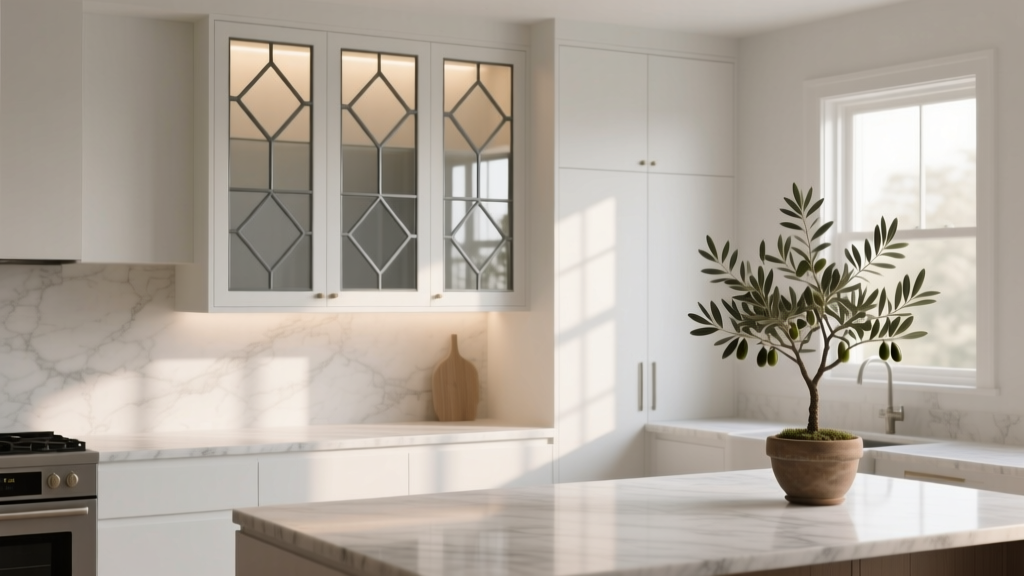
Kitchen Leaded Glass Cabinet Doors - The Decor Mag
Leaded glass cabinet doors are one of those design moves that can make a kitchen feel instantly more tailored—without requiring a full renovation. They bring lightness to heavy runs of cabinetry, add pattern and craftsmanship, and create a natural “display moment” for your prettiest dishes and glassware. For homeowners planning a kitchen remodel (or simply upgrading a few doors), leaded glass is a smart way to introduce character that still plays well with today’s clean, functional kitchen design trends.
Beyond looks, leaded glass doors can improve day-to-day kitchen organization. When you can see what you own, you’re less likely to buy duplicates, and it’s easier to maintain tidy zones for entertaining essentials. The key is choosing the right glass type, the right door placement, and the right amount of visibility—so your kitchen feels curated, not cluttered.
This guide breaks down styles, materials, cost ranges, layout strategies, and maintenance tips—plus common mistakes to avoid—so you can confidently plan leaded glass cabinet doors that suit your kitchen’s architecture and your lifestyle.
What Are Leaded Glass Cabinet Doors?
Leaded glass cabinet doors use metal “cames” (traditionally lead; often zinc, brass, or copper today) to divide glass into a geometric pattern. Some doors also incorporate beveled glass, textured glass, or stained glass accents. In kitchen cabinetry, leaded glass is typically installed in:
- Upper cabinets (most common)
- Hutches and furniture-style pantry units
- Island display cabinets (end panels or seating-side doors)
- Bar or beverage areas
Modern leaded glass has evolved beyond traditional diamond grids. Current kitchen trends lean toward clean linework—simple rectangles, narrow verticals, or minimal cross patterns—often paired with warm wood tones, painted cabinetry, or mixed metal finishes.
Why Homeowners Love Leaded Glass in Kitchen Design
1) Breaks Up Solid Cabinetry
Wall-to-wall cabinet runs can feel visually heavy, especially in smaller kitchens. A few leaded glass doors create breathing room and help a kitchen feel more open—an approach that complements contemporary, transitional, and even minimalist renovation styles.
2) Adds Architectural Detail Without Over-Decorating
Leaded patterns act like built-in trim. If your kitchen is mostly simple shaker doors, slab fronts, or flat panels, a leaded glass insert can add interest without needing ornate molding or busy backsplashes.
3) Supports Better Organization
Visible storage encourages you to keep zones tidy. Many homeowners use leaded glass uppers for:
- Everyday glasses and mugs
- White dishes (easy to keep looking cohesive)
- Serving platters and entertaining pieces
- Cookbooks (in a dedicated display cabinet)
Choosing the Right Glass: Clear vs. Textured vs. Seeded
The best leaded glass cabinet doors balance beauty with realistic living. Decide how much you want to show, then choose a glass type that matches your organizational style.
Clear Glass
- Best for: Highly organized kitchens; showcasing dishware collections
- Look: Crisp and bright; most modern
- Consider: Everything inside is visible—plan for uniform dishes and clean shelves
Seeded Glass
- Best for: Transitional kitchens; softening visibility while still showing silhouettes
- Look: Subtle bubbles and vintage character
- Consider: Excellent for hiding minor mess while still feeling airy
Reeded (Fluted) Glass
- Best for: Contemporary kitchens; creating vertical texture
- Look: Linear and architectural
- Consider: Distorts contents more than clear glass; pairs beautifully with slim metal pulls
Frosted or Acid-Etched Glass
- Best for: Homeowners who want the lightness of glass with maximum concealment
- Look: Soft, clean, and understated
- Consider: Fingerprints can show; choose a matte finish designed for cabinet use
Beveled Glass Accents
- Best for: Traditional and elevated transitional kitchens
- Look: Sparkle and dimension around edges
- Consider: Can read formal; balance with simpler hardware and streamlined lighting
Metal Came Options: Lead, Zinc, Brass, and Beyond
Leaded glass patterns aren’t just lines—they’re materials with color and reflectivity. Your choice affects the door’s overall mood and how it coordinates with cabinet hardware.
- Zinc came: Strong, crisp lines; great for modern grids; typically silvery-gray.
- Brass came: Warmer and more decorative; pairs well with brass faucets and pulls; ideal for timeless luxe kitchens.
- Copper came: Warm and slightly rustic; works with earthy palettes and natural wood cabinetry.
- Lead came (traditional): Softer lines and old-world authenticity; best sourced from reputable fabricators due to handling considerations.
Design tip: Match your leaded glass metal tone to one dominant finish in the kitchen (faucet, cabinet pulls, or lighting). If you’re mixing metals (a current trend), keep the came finish aligned with the “secondary” accent to avoid competing focal points.
Where to Put Leaded Glass Doors (Layouts That Work)
Placement is what makes leaded glass feel intentional. Use it like punctuation—not wallpaper.
Best Placements for Everyday Kitchens
- Two to four doors flanking a range hood to create symmetry.
- A single pair of doors above a beverage station for a “mini feature wall.”
- Corner uppers (especially angled corner cabinets) to lighten a bulky area.
- Top row of stacked cabinets to add height and keep lower shelves concealed.
Measurements and Proportion Guidelines
- Upper cabinet depth: typically 12 inches; glass doors work best here because items stay visible and reachable.
- Glass door height: common sizes include 30–42 inches for uppers; for stacked uppers, top glass doors are often 12–18 inches high.
- Frame width (stiles/rails): aim for 2–3 inches on shaker-style frames for stability and a balanced look.
- Shelf spacing: plan 10–12 inches between shelves for dinner plates and bowls; 7–9 inches for glassware and mugs.
Organization tip: If you’re adding leaded glass to existing cabinets, measure shelf pin systems and confirm shelves can be adjusted to align with what you plan to store. A beautiful display cabinet that can’t fit your everyday plates becomes frustrating fast.
Design Styles: From Traditional to Modern
Traditional Kitchens
Choose diamond patterns, beveled glass, and warmer came finishes. Pair with classic crown molding, a stone backsplash, and furniture-style details.
Transitional Kitchens
Opt for simple rectangular grids, seeded glass, or subtle reeded glass. This is the sweet spot for most renovations because it feels current but not trendy.
Modern Kitchens
Go minimal: thin-line metal grids, reeded glass, and flat-panel doors. Combine with slab cabinets, integrated lighting, and streamlined hardware.
Farmhouse and Cottage Kitchens
Seeded or lightly textured glass works best, with softer patterns that feel handmade. Keep the display relaxed—white dishes, vintage pitchers, woven baskets.
Product and Material Recommendations (Practical and Renovation-Friendly)
Door Construction
- Solid wood frames: Most durable; ideal for painted or stained cabinetry; higher cost.
- MDF frames (paint-grade): Stable and budget-friendly; best for painted doors; avoid in high-moisture zones without proper sealing.
- Aluminum frames (modern): Sleek and thin; great for contemporary kitchens; often paired with reeded or smoked glass.
Glass Safety and Performance
- Tempered glass: Recommended for kitchens, especially in high-traffic homes. It’s stronger and breaks into safer pieces.
- Laminated glass: Helps reduce shattering risk and can slightly dampen sound; useful if you have kids or high-use zones.
Lighting That Makes Leaded Glass Shine
- Interior LED strip lighting: Best for even illumination; choose 2700K–3000K for a warm, natural glow.
- Puck lights: Easy retrofit option, but can create hot spots; use multiple smaller pucks rather than one bright center.
- Motion-activated cabinet lighting: Great for nighttime navigation and entertaining; look for rechargeable options if hardwiring isn’t feasible.
Cost Ranges and Budget Planning
Leaded glass cabinet doors can be surprisingly scalable. You can add two doors as a small upgrade, or design an entire feature run. Pricing varies based on door size, pattern complexity, glass type, and whether you’re modifying existing cabinetry.
- Replace cabinet door with a standard glass insert (non-leaded): $150–$400 per door (material + basic install)
- Custom leaded glass insert (simple grid): $300–$800 per door
- Custom leaded glass with bevels/complex pattern: $700–$1,500+ per door
- New custom cabinet doors with leaded glass (full door build): $600–$2,000+ per door depending on finish and construction
- Interior cabinet lighting add-on: $150–$600 per cabinet (DIY-friendly options lower; hardwired higher)
Budget strategy: Use leaded glass selectively—typically 5–15% of upper doors. This keeps the look special and preserves closed storage for pantry items, plastics, and small appliances.
Maintenance and Cleaning Tips (Keep It Looking Crisp)
Leaded glass is practical, but it does require slightly different cleaning habits than flat cabinet fronts.
- Weekly: Dust the door face and cabinet frame with a microfiber cloth to prevent buildup along cames.
- Monthly: Clean glass with a low-ammonia cleaner or a 1:1 vinegar-water mix. Spray onto a cloth (not directly onto the door) to protect wood finishes.
- For textured glass: Use a soft brush (like a clean detailing brush) to reach into grooves or texture.
- Avoid: Abrasive pads, harsh degreasers on wood frames, and soaking the came lines with cleaner.
Kitchen reality tip: If your range hood ventilation is weak, grease can travel. In that case, keep leaded glass doors at least one cabinet away from the cooktop zone, or choose more concealing glass (reeded or seeded) and clean more frequently.
Common Mistakes to Avoid
- Installing too many glass doors. A full wall of visible storage can look busy fast. Aim for a balanced mix of open/visible and closed storage.
- Choosing clear glass without a plan for what goes inside. If your dishes don’t coordinate, pick seeded, reeded, or frosted glass to soften the view.
- Mismatching the leaded metal finish with the rest of the kitchen. Coordinate with one key finish to keep the design cohesive.
- Skipping tempered or laminated glass in active households. Kitchens are high-traffic; durability matters.
- Forgetting lighting. Without interior cabinet lighting (or good ambient lighting), leaded glass can read dark and lose its impact.
- Ignoring door swing and clearance. In tight kitchens, wide swinging doors can conflict with adjacent cabinets or pendant lighting. Consider smaller pairs rather than one wide door.
FAQ: Kitchen Leaded Glass Cabinet Doors
Are leaded glass cabinet doors hard to keep clean?
They take slightly more effort than flat glass because dust can settle along the metal lines. A microfiber cloth weekly and a gentle glass cleaner monthly keeps them looking sharp. Textured glass may need a soft brush for grooves.
Will leaded glass make my kitchen look dated?
Not if the pattern and finish match your kitchen style. Simple grids, slim linework, and clear or reeded glass feel current. Highly ornate patterns and heavy beveling can read more traditional—great in classic homes, less so in ultra-modern spaces.
Can I add leaded glass inserts to existing cabinet doors?
Often, yes. A cabinet shop can route out the center panel and install a glass insert (with the right retaining method). Confirm your door frame width (commonly 2–3 inches) is sufficient for stability.
What should I display behind leaded glass?
Stick to cohesive groups: white dishes, clear glassware, matching mugs, or a curated set of serving pieces. Use shelf spacing around 10–12 inches for plates and 7–9 inches for glassware.
Is tempered glass necessary?
It’s strongly recommended in kitchens, especially for households with kids, pets, or heavy daily use. Tempered glass is stronger and breaks more safely than standard annealed glass.
Do leaded glass doors work in small kitchens?
Yes—often better than in large kitchens. A couple of leaded glass uppers can reduce visual heaviness and reflect light. Use fewer doors, keep displays minimal, and consider interior lighting for maximum effect.
Next Steps: How to Plan Your Upgrade
- Audit your storage: Identify one or two cabinet zones where you already keep tidy items (glassware, dishes, serving pieces).
- Choose your visibility level: Clear for curated displays; seeded/reeded for a forgiving look.
- Pick a pattern and metal tone: Keep it consistent with your cabinet style and hardware finishes.
- Confirm measurements: Door sizes, frame widths, shelf spacing, and clearance for door swings.
- Add lighting if possible: Interior LEDs elevate the look and make glass-front storage more functional at night.
- Get quotes: Price out two to four doors first; expand if the budget allows.
Leaded glass cabinet doors are a practical design upgrade that adds depth, light, and personality—while supporting better kitchen organization. For more renovation guidance, cabinet ideas, and kitchen design trends, explore the latest inspiration on thedecormag.com.
More Articles
 Kitchen Shaker Cabinet Timeless Appeal - The Decor Mag
 Best Kitchen Knife Block Storage Solutions - The Decor Mag
 Scandinavian Kitchen Design Guide - The Decor Mag
 Kitchen Style & Function: Design Tips (2026)
 Kitchen Terrazzo Countertop Trends - The Decor Mag
 Safety vs. Bedside: Why Kitchen Layout Decisions Must Prioritize Human Factors Over Aesthetic Convenience
 Kitchen Sink Styles and Materials Compared - The Decor Mag
 Kitchen Pantry Organization That Saves Time
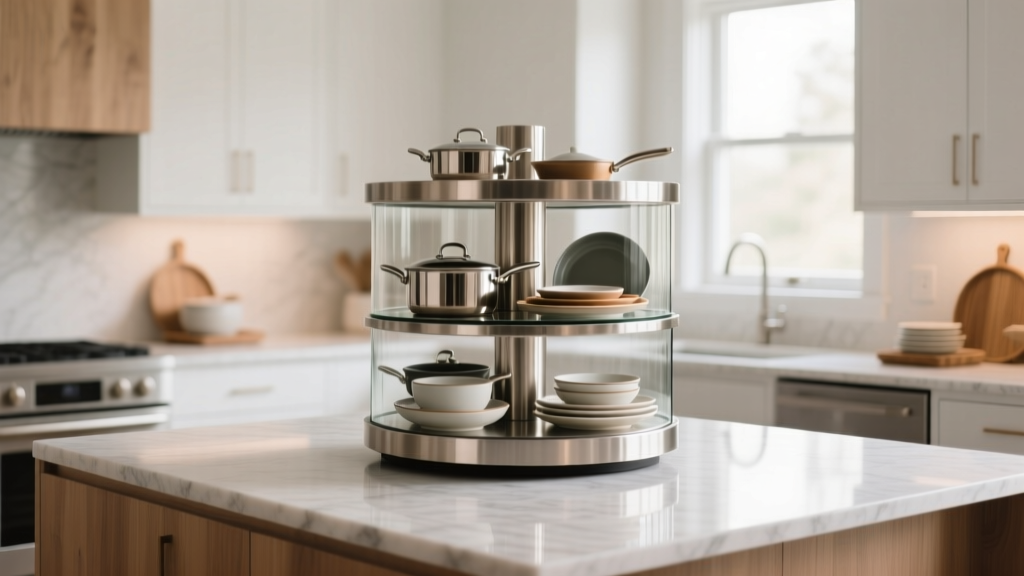 Best Kitchen Lazy Susan Options - The Decor Mag
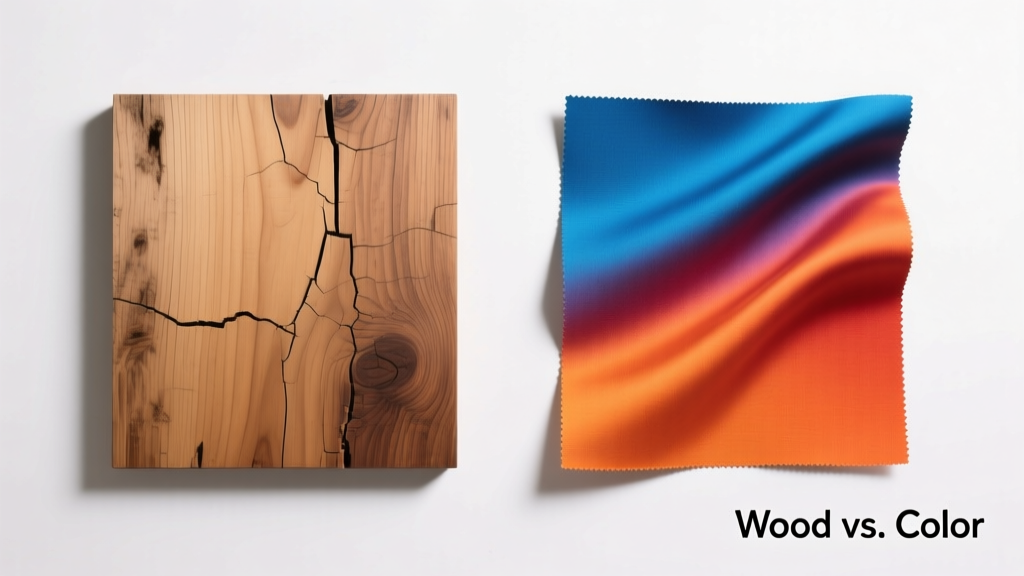 Wood and Colors Compared: How Species, Finishes, and Pigments Shape Kitchen Design Decisions