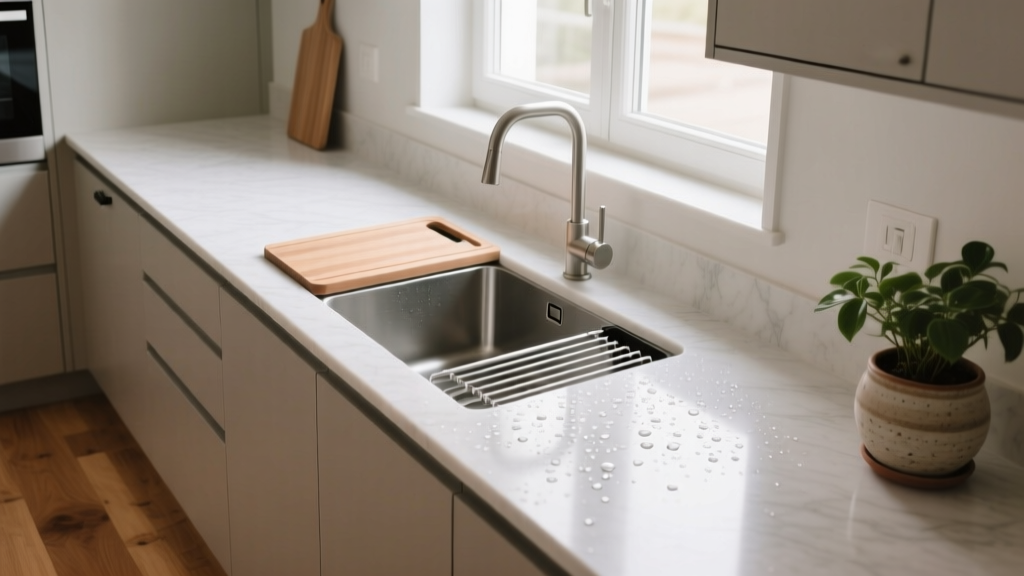
Kitchen Integrated Drainboard Sink Guide - The Decor Mag
If you’re renovating a kitchen, the sink is one of the most-used “appliances” in the room—yet it’s often chosen late in the process, after counters, cabinets, and fixtures are already decided. An integrated drainboard sink flips that script by combining two high-impact functions in one footprint: a hardworking wash zone and a built-in drying/landing area that keeps water off your countertops.
For homeowners aiming for a cleaner-looking kitchen design and better everyday organization, integrated drainboards offer a practical advantage: they manage wet mess, streamline dishwashing, and reduce the clutter of separate drying racks. Whether you prefer a modern minimalist kitchen or a more timeless, utility-forward layout, the right drainboard sink can make the whole workspace feel calmer and more efficient.
This guide covers what integrated drainboard sinks are, how to size and place them, the best materials for your renovation budget, common mistakes to avoid, and how to maintain your sink so it stays beautiful for years.
What Is an Integrated Drainboard Sink?
An integrated drainboard sink features a built-in ridged (or gently sloped) surface designed to channel water back into the sink bowl. It may be part of the sink itself (common in stainless steel), or seamlessly formed as part of the countertop (common with solid surface, quartz composite, and some stone or concrete installations).
Integrated vs. Add-On Drainboards
- Integrated drainboard: Built into the sink or countertop. Looks intentional, stays put, and typically drains more effectively.
- Add-on drainboard/rack: A removable accessory. Lower cost and flexible, but can trap grime and make counters feel crowded.
Why Homeowners Love Them
- Keeps countertops drier and reduces water spots near the sink
- Creates a dedicated “wet zone” for rinsing produce, draining pasta, or drying dishes
- Supports an organized kitchen workflow with fewer accessories on display
- Pairs well with current kitchen design trends: minimalism, concealed clutter, and multi-functional workstations
Planning Your Layout: Where an Integrated Drainboard Works Best
Choosing the right sink is as much about layout as aesthetics. Drainboards can be a game-changer in compact kitchens, but they also shine in larger spaces where you want a professional, prep-focused workstation.
Common Kitchen Layouts and Best Placements
- Single-wall kitchens: Place the drainboard on the side with the most uninterrupted counter space to create a continuous landing area.
- Galley kitchens: Prioritize a drainboard that doesn’t block your main prep run; consider a shorter drainboard or a sink workstation with a compact integrated drainer.
- L-shaped kitchens: Drainboards work well on the longer leg where dishes can dry without interrupting the corner workspace.
- U-shaped kitchens: Ensure the drainboard doesn’t “steal” your main prep counter; many homeowners prefer the drainboard on the side closest to the dishwasher for easy unloading.
- Kitchen islands: Integrated drainboards can look sleek here, but plan carefully for water splash and seating clearance.
Right-Side vs. Left-Side Drainboard
Pick the side that supports your natural flow:
- If your dishwasher is to the right of the sink, a right-hand drainboard makes unloading and drying smoother.
- If your main prep area is to the left, keep the drainboard to the right so wet dishes don’t interrupt chopping and mixing.
- Left-handed cooks often prefer the opposite—test your routine before ordering.
Measurements That Matter (Practical Sizing Guide)
- Minimum cabinet size: Many integrated drainboard sinks need a 36-inch sink base. Some compact models fit 33 inches.
- Typical sink bowl width: 18–22 inches per bowl; single-bowl versions commonly 22–30 inches.
- Drainboard length: Usually 10–18 inches. Shorter = more counter space; longer = better drying capacity.
- Counter clearance: Allow at least 24 inches of usable counter on one side of the sink for prep and staging (more is better in busy kitchens).
- Faucet reach: Match spout reach so water lands near the drain, not on the drainboard ridges. For many sinks, a 7–9 inch spout reach works well, but verify with your sink’s bowl dimensions.
Materials and Finishes: What to Choose (and Why)
Material choice affects durability, noise, cleaning effort, and how well the drainboard performs. Below are homeowner-friendly comparisons with specific recommendations.
Stainless Steel (Most Popular for Function)
Best for modern kitchens, busy households, and renovation projects where performance matters.
- Pros: Affordable, heat-resistant, lightweight, easy to integrate with most countertops, classic professional look
- Cons: Can scratch; water spots show; thinner steel can sound noisy
- Recommendation: Choose 16–18 gauge steel for better durability and quieter use. Look for sound-deadening pads or undercoating.
- Finish tip: A brushed or satin finish hides scratches better than mirror-polished.
Fireclay (Timeless, Elevated Style)
Great for farmhouse kitchens and transitional renovations that want a statement sink.
- Pros: Glossy, easy to wipe clean, highly stain-resistant, classic look
- Cons: Heavy; can chip if you drop cast iron; limited integrated drainboard options (often paired with countertop-formed drainboards)
- Design approach: If you love fireclay, consider a countertop-integrated drainboard in solid surface or a matching slab detail if your fabricator can slope and groove it properly.
Quartz Composite / Granite Composite (Durable, Quiet, Contemporary)
Ideal for family kitchens where you want a matte, modern look with less noise than steel.
- Pros: Quiet, scratch-resistant, hides water spots, strong color options (black, charcoal, warm gray)
- Cons: Can show mineral deposits in hard-water areas; avoid harsh abrasives; heat resistance varies by brand
- Recommendation: Pair with a pull-down faucet and a soft spray setting to reduce splashing on the drainboard.
Solid Surface (Seamless and Customizable)
Perfect for homeowners chasing a seamless, integrated kitchen design with easy wipe-downs.
- Pros: Can be fabricated with an integrated sink and drainboard; seamless look; repairable surface
- Cons: Less heat resistant than stone; can scratch; may discolor with harsh chemicals
- Best use: Contemporary kitchens, small kitchens where visual calm makes the space feel larger.
Natural Stone or Concrete (High-Design, Higher Maintenance)
These can look stunning, but integrated drainboards require expert fabrication and thoughtful sealing.
- Pros: One-of-a-kind look; upscale design impact
- Cons: Sealing required; water can etch some stones; concrete may stain without diligent maintenance
- Tip: Request a test sample for sealing and cleaning before committing, especially if you have hard water.
Design Trends + Timeless Functionality
Integrated drainboard sinks align with today’s trends—clean lines, fewer countertop accessories, and multi-functional sink stations—while supporting classic kitchen planning principles like workflow and easy cleanup.
Current Trends That Pair Well with Drainboard Sinks
- Workstation sinks: Add-ons like cutting boards, colanders, and drying racks that slide over the bowl for a compact prep zone.
- Minimalist counters: Drainboards reduce the need for bulky dish racks.
- Matte finishes: Matte black or graphite composite sinks look sharp in modern renovations (just plan for mineral buildup if you have hard water).
- Mixed metals: Stainless drainboard sink with a brushed brass or champagne bronze faucet can feel intentional and designer-forward.
Timeless Rules Worth Following
- Keep the sink centered on a window only if it doesn’t compromise your landing space.
- Prioritize durability and cleanability over novelty features you won’t use weekly.
- Plan a clear “dirty-to-clean” flow: scrape/rinse → wash → drain/dry → put away.
Product and Design Recommendations (What to Look For)
Rather than chasing a single “best” model, shop by features that match your kitchen renovation goals and your daily routine.
Feature Checklist for a Great Integrated Drainboard Sink
- Drainboard slope: Water should channel back to the bowl without pooling. Ask for slope specs or reviews that mention drainage performance.
- Rounded corners: Easier cleaning than tight, squared edges—especially on ridges.
- Overflow protection: Useful in family kitchens or if you soak items often.
- Sound control: For stainless steel, choose thicker gauge plus sound pads.
- Compatible accessories: Bottom grids, colanders, and fitted strainers protect the bowl and improve workflow.
Mounting Style Recommendations
- Undermount: Clean countertop edge, easy wipe-in cleanup. Best with stone, quartz, or solid surface counters.
- Top-mount (drop-in): Often more budget-friendly and simpler retrofit option. Works well if you’re not changing counters.
- Integrated countertop drainboard: Sleekest look, but relies on fabricator skill and proper sealing.
Cost Ranges and Budget Considerations
Pricing varies widely based on material, mounting type, brand, and whether you’re integrating the drainboard into the countertop.
Typical Price Ranges (Sink + Related Costs)
- Stainless steel integrated drainboard sink: $250–$1,200
- Composite integrated drainboard sink: $350–$1,500
- Fireclay sink (with separate integrated drainboard counter detail): $600–$2,000+ (sink) plus fabrication
- Solid surface integrated sink + drainboard fabrication: $1,000–$3,500+ depending on customization
- Faucet (pull-down recommended): $150–$700
- Plumbing labor: $200–$800 (more if relocating lines)
- Countertop fabrication for integrated drainboard: Add $300–$1,500+ depending on material and complexity
Budget-Smart Choices That Still Look Great
- Choose a high-quality stainless sink (16–18 gauge) and invest in a better faucet.
- If you want the “built-in” vibe without custom counters, pick a sink with a well-designed attached drainboard and keep the surrounding counter uncluttered.
- Use a fitted sink grid and matching drain accessories—small upgrades that make the whole station feel more premium.
Maintenance and Cleaning: Keep the Drainboard Performing
The ridges that make drainboards effective also mean you’ll want a consistent cleaning routine—especially in hard-water regions.
Daily/Weekly Care Tips
- Daily: Rinse and wipe the drainboard dry to prevent mineral spots and soap buildup.
- Weekly: Clean ridges with a soft brush (an old toothbrush works well for corners) and mild dish soap.
- For stainless steel: Wipe with the grain; use a stainless cleaner occasionally to reduce haze.
- For composite sinks: Use non-abrasive cleaners; avoid steel wool and harsh scouring powders.
Hard Water and Mineral Buildup
- Use a 50/50 mix of white vinegar and water on stainless or many composites (check manufacturer guidance first), then rinse thoroughly.
- Consider a whole-house water softener or an under-sink filtration approach if mineral spots are a constant battle.
Common Mistakes to Avoid
Integrated drainboard sinks are straightforward, but a few planning missteps can reduce their usefulness.
- Choosing the wrong drainboard side: If it conflicts with your dishwasher or main prep run, it becomes wasted space.
- Underestimating required cabinet size: Verify your sink base cabinet width before purchasing—especially with farmhouse styles or deep single bowls.
- Ignoring faucet geometry: A short spout reach can cause splash onto the drainboard and counter edges; match faucet reach to bowl depth and width.
- Picking thin stainless steel: Ultra-thin sinks dent and sound loud. Stick to 16–18 gauge when possible.
- Assuming all drainboards drain well: Some look great but pool water. Read reviews and look for a clearly engineered slope and channeling.
- Going too large in a small kitchen: A huge drainboard can eat up landing space you need for prep; consider a compact drainboard plus sink accessories.
FAQ: Integrated Drainboard Sinks
Are integrated drainboard sinks good for small kitchens?
Yes—if you choose a compact drainboard (around 10–12 inches) and prioritize uninterrupted prep space nearby. They can reduce the need for a separate drying rack, which helps a small kitchen feel more organized.
Do integrated drainboards work with undermount installation?
Many do, especially stainless and composite models designed for undermount. If the drainboard is part of the countertop (solid surface or stone), undermount typically refers to how the sink bowl is joined to the counter detail—your fabricator will guide the best method.
What’s the easiest material to maintain?
Stainless steel is generally the easiest and most forgiving, especially in a brushed finish. Composite sinks hide water spots well but may need more attention if you have heavy mineral deposits.
Will an integrated drainboard replace a dishwasher?
No, but it supports better workflow. It’s ideal for items you hand-wash daily (knives, pans, delicate glassware) and for staging dishes before loading or after unloading.
Can I add an integrated drainboard to an existing countertop?
It depends. The simplest retrofit is swapping to a sink with an attached drainboard if your counter has enough space and the cutout can be modified. A truly seamless countertop-integrated drainboard usually requires new counters or significant fabrication.
How do I prevent water from pooling on the drainboard?
Choose a sink with a well-defined slope, keep the drain path clear, and wipe the ridges after heavy use. If pooling is persistent, check that the sink is level—improper installation can flatten the intended pitch.
Next Steps: How to Choose the Right Integrated Drainboard Sink
- Measure your sink base cabinet and confirm the maximum sink size your layout can support.
- Map your workflow (dishwasher location, prep zone, trash pullout) and pick the drainboard side accordingly.
- Select a material based on your maintenance tolerance, style goals, and budget.
- Choose mounting style that matches your countertop and renovation scope (drop-in for easy swaps, undermount for a sleek upgrade, integrated countertop for a seamless look).
- Plan accessories like sink grids and fitted strainers to protect the sink and improve organization.
An integrated drainboard sink is one of those kitchen renovation upgrades that quietly improves daily life—less mess, better organization, and a workspace that feels designed around how you actually cook and clean.
For more sink ideas, smart kitchen organization tips, and renovation-ready design inspiration, explore the latest guides and trend roundups on thedecormag.com.
More Articles
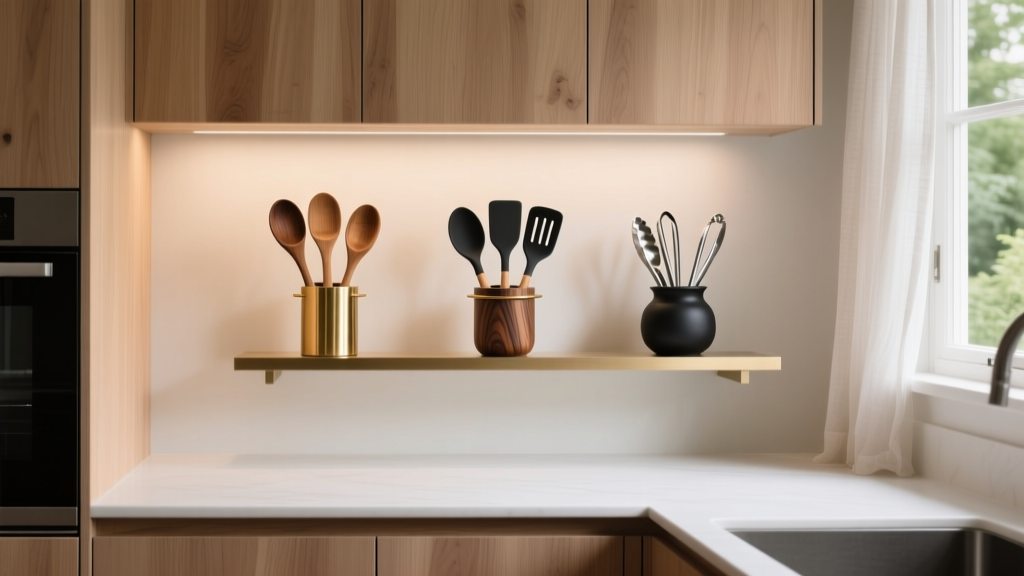 Best Kitchen Utensil Holder Picks - The Decor Mag
 Best Kitchen Baking Ingredient Organization - The Decor Mag
 Best Kitchen Rug Options for Comfort - The Decor Mag
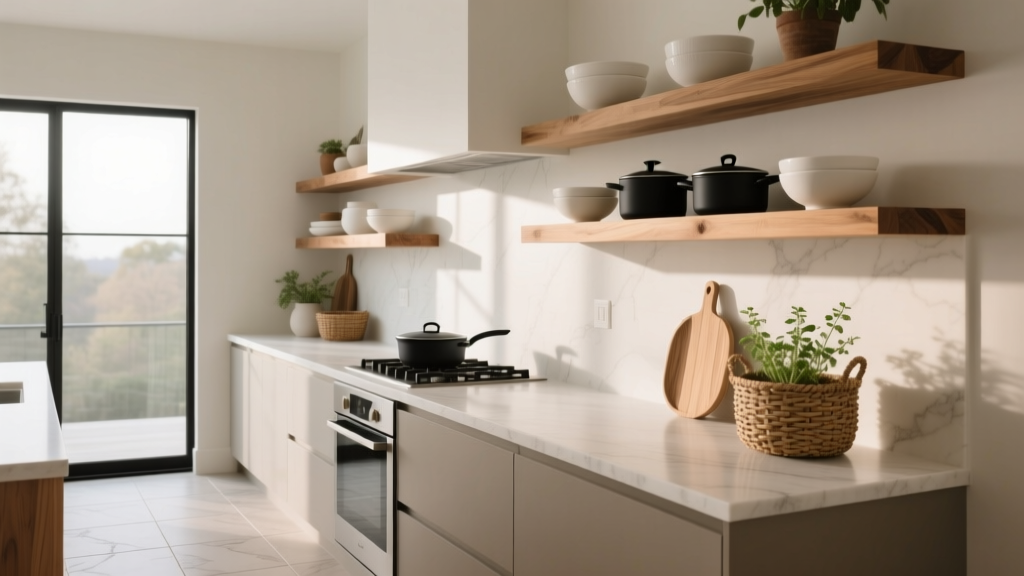 Open Shelving in Kitchens: Ideas & Tips (2026)
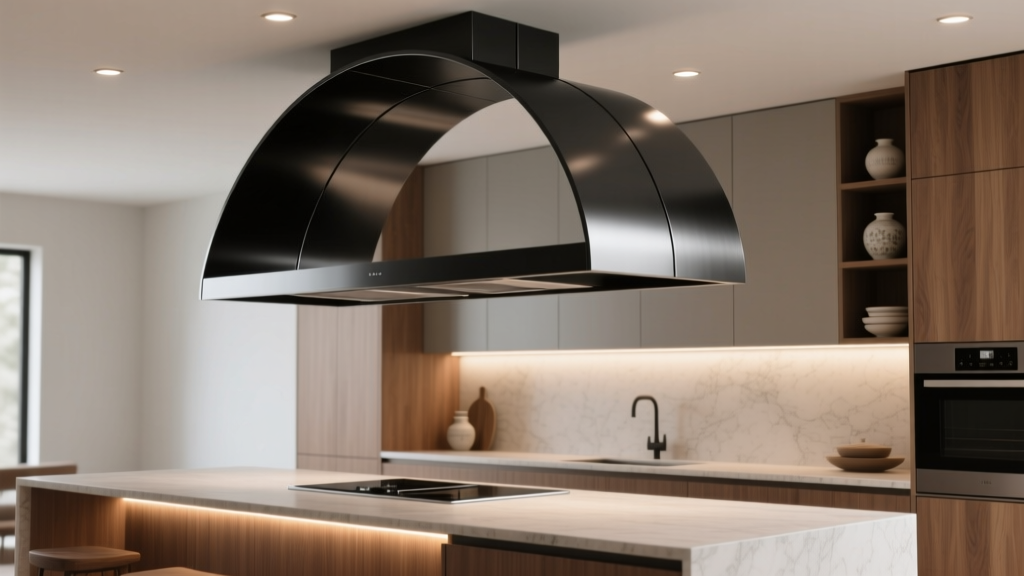 Kitchen Arched Range Hood Design Ideas - The Decor Mag
 Kitchen Cabinet Finish Durability (2026)
 Kitchen Brass Hardware Renaissance - The Decor Mag
 Safety-First Bedroom Inspiration: Essential Design Principles, Verified Products, and Measured Layouts
 Best Kitchen Stool and Bar Seating Picks - The Decor Mag
 Kitchen Cabinet Interior Finish: Best Choices (2026)