
Best Hidden Storage for Living Rooms (2026)
The living room has to do a lot: it’s where you relax, host friends, watch movies, work from the sofa, and sometimes store everything that doesn’t have a better home. That’s why clutter shows up here first—blankets pile up, remotes disappear, toys migrate under coffee tables, and cords tangle around the TV stand.
Hidden storage is the secret to making a living room feel calmer, bigger, and more intentional—without turning it into a showroom. The best solutions blend into your decor, look like “real” furniture, and keep everyday items within reach. You’ll learn practical hidden storage ideas for small and large living rooms, what to buy (and what to measure first), plus common mistakes to avoid so your room stays functional and stylish.
What Makes a Hidden Storage Solution “Good”?
Not all storage is created equal. A great hidden storage solution for a living room checks three boxes: it’s easy to access, it suits your lifestyle, and it visually disappears (or looks decorative enough that you don’t mind seeing it).
A quick checklist before you buy
- Accessibility: Can you open it one-handed? Can kids use it? Will you actually put items back?
- Capacity: Measure what you’re storing (board games, throw blankets, kids’ toys, AV accessories) and choose storage that fits the biggest items.
- Scale: Storage should match your furniture proportions. A tiny ottoman won’t handle a blanket problem; an oversized trunk can swallow a small room.
- Safety: Look for soft-close hinges, lid supports, rounded corners, and tip-over protection for tall units.
- Materials: Solid wood and plywood wear better than thin MDF in high-use pieces; performance fabric and durable laminates are renter-friendly and forgiving.
Hidden Storage Furniture That Works Hard (and Looks Good)
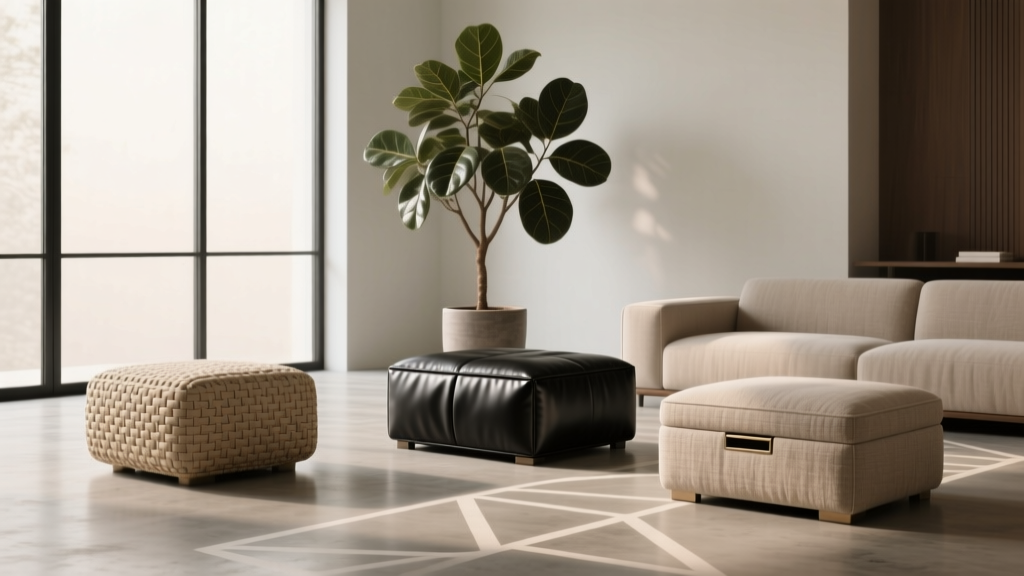
1) Storage Ottomans and Lift-Top Poufs
If you want the fastest visual payoff, start with an ottoman that hides bulk: throws, pillows, toys, even a small yoga mat. It doubles as a coffee table (with a tray) and extra seating.
What to look for:
- Size: For most sofas, aim for an ottoman that’s about 2/3 the sofa length. Height should be within 1–2 inches of the sofa seat height for comfort.
- Best hinge type: A lid support hinge (prevents slamming) or soft-close if you have kids.
- Fabric: Performance polyester, microfiber, or Crypton-style fabrics for pets and spills; boucle is trend-forward but can snag.
Budget range: $80–$250 for basic options; $300–$900 for oversized, designer upholstery or leather.
Real-world scenario: In a 650 sq. ft. apartment, a square storage ottoman replaces a coffee table. Inside: two throws, a basket of dog toys, and a power strip—everything accessible, nothing visible.
2) Lift-Top Coffee Tables (The WFH-Friendly Favorite)
Lift-top coffee tables are a current favorite because they align with modern living room trends: flexible seating, casual work-from-home setups, and fewer dedicated “office” rooms. The top lifts to laptop height while hiding storage underneath.
Measurements that matter:
- Clearance: Keep 14–18 inches between the coffee table and sofa for comfortable movement.
- Table height: Standard coffee tables are 16–18 inches tall; choose a lift-top that rises to around 24–26 inches for typing comfort.
Materials: Veneered plywood or solid wood tops hold up best; metal lift mechanisms should feel smooth and sturdy (no wobble).
Budget range: $150–$400 for solid everyday options; $500–$1,200 for higher-end wood and better hardware.
3) Credenzas and Media Consoles with “Disappearing” Doors
A media console can do more than hold a TV. Choose one with closed cabinetry to hide routers, game controllers, DVDs, and the random cables that make a living room look messy.
Design tip: Look for slatted wood fronts, cane, or acoustic fabric doors—they’re trendy and help signals pass through while disguising what’s inside.
Key specs to check:
- Depth: Minimum 15–18 inches for electronics and cable management.
- Cable access: Rear cutouts and built-in power strips are worth it.
- Ventilation: If you’re storing a console or receiver, ensure airflow space around it.
Budget range: $200–$600 (flat-pack and mid-range); $700–$2,000+ (solid wood, custom, designer).
4) Sofas and Sectionals with Hidden Storage
Many modern sectionals offer storage chaises or pull-up compartments under seats—perfect for blankets and off-season items. This is a great solution for renters who can’t install built-ins but want a clean, minimal living room.
Best use cases:
- Small living rooms where you can’t add extra cabinets
- Homes with kids (quick cleanup at the end of the day)
- Movie-night households (blankets, snacks, extra pillows)
Budget range: $900–$2,500 for most storage sectionals; $3,000+ for premium modular systems.
Built-In Looks Without Built-In Costs
Built-ins are timeless: they add architectural interest and make a room look finished. The good news is you can get that tailored look without a full renovation.
5) “Faux Built-Ins” Using Bookcases + Cabinets
Create a wall of storage by combining lower closed cabinets with upper bookcases, then painting them the same color as the wall for a seamless effect. This hides clutter below while letting you style books and decor above.
Step-by-step layout:
- Measure the wall: Note total width, height, and any vents or outlets.
- Choose base cabinets: Aim for 15–18 inches deep so they can hold games, baskets, and bulkier items.
- Add bookcases above: Secure to studs using anti-tip hardware.
- Bridge the gaps: Use filler strips or trim pieces for a built-in look.
- Paint for cohesion: A satin or eggshell finish is wipeable and hides scuffs.
Budget range: $300–$1,200 depending on components; $1,500–$4,000 for custom carpentry.
Real-world scenario: A renter-friendly version uses two tall bookcases flanking a TV console. Matching baskets on the lower shelves hide toys and cords, while the upper shelves display art and books. The room looks styled, not storage-driven.
6) Storage Benches Under Windows
If you have a window wall, a storage bench can be both seating and a hiding spot. It also visually balances the room by grounding the window area with a substantial piece.
Comfort + proportion tips:
- Bench height: 18–20 inches is comfortable for most adults.
- Seat depth: 16–20 inches works well; add a cushion for softness.
- Storage type: Lift-top for bulky items; drawers for smaller items you need frequently.
Materials: Plywood box construction with a solid wood face frame is durable. Use a wipeable cushion fabric if it’s a high-traffic area.
Sneaky Storage You Can Add in an Afternoon
7) Slim Console Tables with Hidden Drawers
A narrow console behind a sofa (or along an entry side of the living room) is ideal for hiding remotes, matches, coasters, and chargers—items that create “visual static.”
Measurements:
- Behind-sofa depth: Look for 10–14 inches deep so it doesn’t crowd circulation.
- Height: Match the sofa back or sit 1–2 inches lower for a clean line.
Pro tip: Add adhesive cable clips underneath to route charging cords invisibly to a power source.
8) Side Tables with Cabinets (Instead of Open Shelves)
Open shelves look airy, but they also put clutter on display. A side table with a door keeps essentials close while maintaining a clean living room aesthetic.
What to store:
- Reading glasses and books
- Hand lotion and tissues
- Spare phone chargers
- Dog leashes (if your living room is near the front door)
Trend + timeless combo: Try a warm oak cabinet with a simple silhouette—Scandinavian-inspired and long-lasting in style.
9) Decorative Baskets That Actually Disappear the Mess
Baskets are a classic for a reason. They’re flexible, affordable, and renter-friendly. The key is choosing the right material and size so they look intentional.
Best basket materials for living rooms:
- Water hyacinth or seagrass: Warm texture, great for cozy, organic modern rooms.
- Felt: Soft around kids and furniture corners; works well in modern spaces.
- Wire with a fabric liner: More structured; great for a modern farmhouse look.
Sizing tip: For throws, choose baskets around 16–20 inches wide and 14–18 inches tall. For toy storage, go wider and lower so kids can see what’s inside and put things back.
Budget range: $15–$80 per basket depending on size and material.
Hidden Storage for Small Living Rooms (Without Making It Feel Crowded)
Small-space living room design is all about using volume efficiently and keeping floors visually open. Prioritize pieces that store more than they show.
10) Wall-Mounted Cabinets and Floating Shelves with Doors
Wall-mounted storage keeps the floor clear, which instantly makes a small living room feel larger. Look for floating cabinets with lift-up doors or sliding fronts.
Installation notes:
- Mount into studs when possible; use heavy-duty anchors only if necessary.
- Keep the bottom of the cabinet at least 12–16 inches above the top of a sofa or console to avoid a cramped look.
11) Nesting Tables with Hidden Compartments
Nesting tables are ideal when you occasionally need more surface area but don’t want a larger coffee table every day. Some sets include a primary table with a hidden drawer or lift-off top.
Style tip: Mix materials—wood + metal or stone-look laminate + wood—for a layered, designer feel that’s on-trend yet practical.
Styling Hidden Storage So It Feels Like Decor
The best hidden storage solutions don’t just hide clutter—they support a cohesive living room design.
Use the “closed + curated” rule
- Closed storage for: cords, paperwork, toys, extra pillows, games, pet supplies
- Open/visible areas for: books, framed photos, ceramics, a plant, one or two sculptural objects
Choose hardware and finishes that match your room
- Brass pulls: warm, elevated, great for transitional and modern spaces
- Matte black: crisp contrast, works with industrial and modern farmhouse
- Wood pulls: subtle, minimalist, Scandinavian-inspired
Common Mistakes to Avoid
- Buying without measuring: Always confirm depth and lid clearance. A lift-top table needs space to open without hitting the sofa.
- Choosing storage that’s hard to use: If access is annoying, clutter returns. Prioritize smooth hinges, wide openings, and logical placement.
- Overloading one “junk zone”: A single trunk becomes a black hole. Sort by category (media, throws, kids, pets) and assign homes.
- Ignoring weight capacity: Floating cabinets and lift-tops need strong hardware. Check limits and use proper anchors.
- Too many small organizers: Lots of tiny bins can look messy. Fewer, larger containers often read cleaner.
- Open shelving for everyday clutter: Open shelves are for styling, not for hiding chargers and toy chaos.
FAQ: Hidden Storage Solutions for Living Rooms
What’s the best hidden storage for a small living room?
A storage ottoman or lift-top coffee table gives you the most storage with the least visual footprint. If floor space is tight, add a wall-mounted cabinet to keep the room feeling open.
How do I hide TV and gaming clutter without losing easy access?
Use a media console with closed doors and built-in cable cutouts. Add labeled bins inside for controllers, batteries, and accessories. Choose doors with slats, cane, or fabric panels if you need signals to pass through.
Are storage sectionals worth it?
If you need to store bulky items (blankets, extra pillows) and don’t have room for extra furniture, yes. Look for sturdy lift mechanisms and a chaise compartment deep enough for your largest items.
What materials hold up best for high-use hidden storage furniture?
For frames, solid wood or furniture-grade plywood outlast thin MDF. For upholstery, performance fabrics and tightly woven textiles resist stains and snagging better than delicate weaves.
How can renters add hidden storage without drilling holes?
Choose storage ottomans, lift-top tables, and freestanding cabinets. Use adhesive cable management under consoles and behind TVs, and add baskets that slide under a console or side table.
How do I keep hidden storage from becoming a clutter trap?
Assign categories (tech, cozy items, kids, pets), use a simple bin system, and do a 10-minute reset once a week. If a compartment becomes overstuffed, it’s time to edit or redistribute.
Next Steps: A Simple Plan for a More Organized Living Room
If you want results quickly, start with one hidden-storage upgrade that matches your biggest pain point:
- Too many blankets and pillows? Add a storage ottoman or trunk-style coffee table.
- Messy media area? Upgrade to a closed-door media console with cable management.
- No room for more furniture? Try wall-mounted cabinets or a storage sectional.
- Constant small clutter? Add a slim console with drawers and a lidded basket system.
Choose one solution, measure carefully, and aim for storage that supports your everyday routines—not a picture-perfect room you can’t live in.
Want more living room design and decor ideas? Explore the latest organization tips, furniture guides, and styling trends on thedecormag.com.
More Articles
 How to Layer Lighting in a Living Room - The Decor Mag
 Livingrooms Comfort & Value in 2026
 Best Daybeds for Living Room Guest Space (2026)
 Living Room Mediterranean Design Elements - The Decor Mag
 Best Living Room Color Guides for Harmony in 2026
 Best Wall Art Sizes for Over the Sofa - The Decor Mag
 Best Storage Ottoman Picks - The Decor Mag
 Living Room Earthy Organic Modern - The Decor Mag
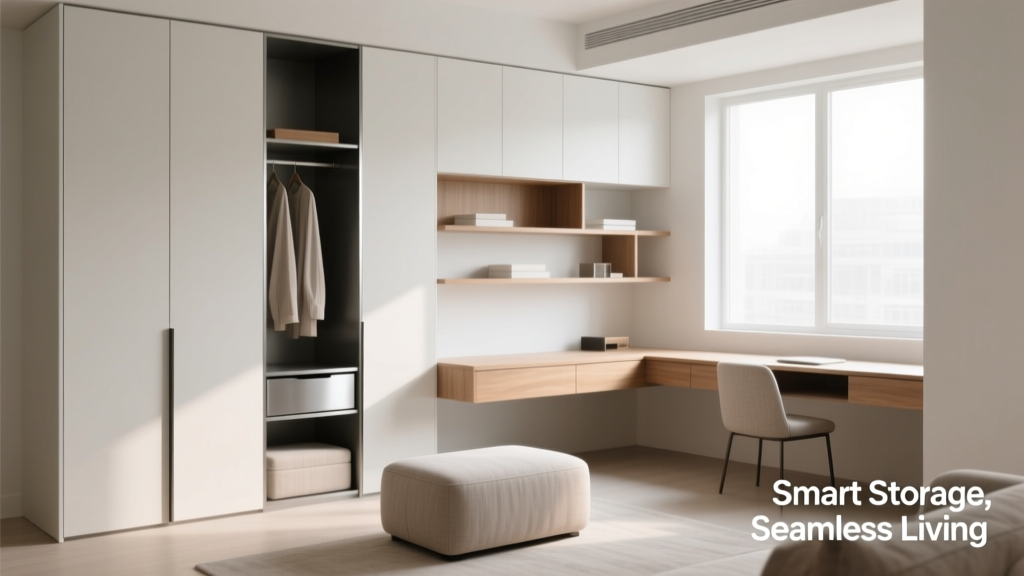 Smart Function Storage Ideas for Real Living Spaces
 Colorguides for Living Spaces: Step-by-Step Guide 2026