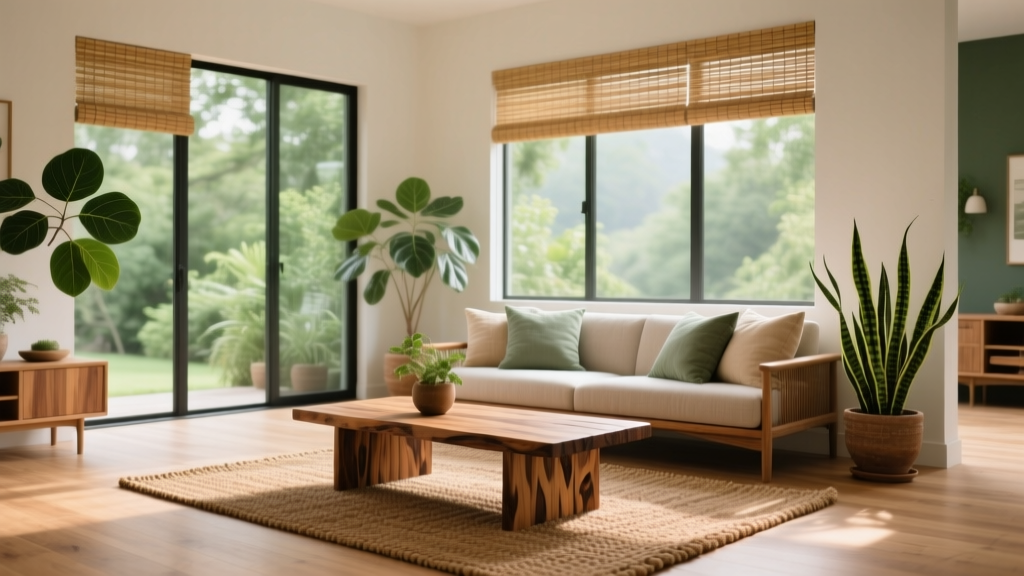
Living Room Sustainable Decor Choices - The Decor Mag
A living room has a lot of jobs: it’s where we unwind, host friends, binge shows, help with homework, and steal quiet moments with a cup of tea. Because it’s such a high-use space, the decor choices you make here have an outsized impact—on your comfort, on your budget over time, and on the environmental footprint of your home.
Sustainable living room decor isn’t about perfection or sacrificing style. It’s about making smarter, longer-lasting choices: materials that wear well, fewer “fast decor” purchases, healthier finishes, and pieces that can move with you from apartment to forever home. Ahead, you’ll learn how to build a beautiful living room with sustainable materials, low-tox finishes, energy-saving lighting, and secondhand finds—plus practical measurements, budget ranges, common mistakes to avoid, and real-world examples you can adapt to your space.
What “Sustainable Decor” Really Means for a Living Room
Sustainability in interior design is best approached as a set of priorities rather than a single label. For living room design and decor, sustainable choices usually fall into five categories:
- Longevity: Buying fewer pieces that last longer (classic silhouettes, durable upholstery, repairable construction).
- Responsible materials: FSC-certified wood, recycled metals, natural fibers, low-impact textiles, and thoughtfully sourced stone.
- Healthier indoors: Low-VOC paint, low-emission furniture, and avoiding problematic finishes when possible.
- Low-waste approach: Secondhand, vintage, refurbished, upcycled, or modular items; choosing sizes and layouts that reduce returns.
- Energy efficiency: LED lighting, smart controls, and window treatments that improve comfort.
Think of it as a “high-style, low-waste” strategy—one that aligns beautifully with current trends like warm minimalism, biophilic design, quiet luxury, and modern organic interiors.
Start With What You Already Own: The Most Sustainable Choice
The greenest sofa is often the one you don’t replace. Before you buy anything new, do a quick living room audit. This step alone prevents impulse shopping and helps you focus on meaningful upgrades.
A 30-Minute Living Room Audit (Step-by-Step)
- List what stays: Keep items that are comfortable, functional, and structurally sound (even if the styling needs work).
- Identify what’s actually missing: Common gaps include lighting layers, proper rug sizing, closed storage, or a cohesive color palette.
- Measure the space: Note wall lengths, window widths, and circulation paths (aim for 30–36 inches for main walkways).
- Define your “anchor”: Usually the sofa or rug. Build around it with smaller sustainable decor choices.
- Create a one-page mood direction: 3–5 colors, 2–3 materials (wood, linen, metal), and one pattern scale (large or small).
Quick Wins That Don’t Require Buying New
- Rearrange for flow: Float the sofa if needed; keep at least 18 inches between sofa and coffee table for legroom.
- Shop your home: Move a lamp from the bedroom, a basket from the hallway, or art from the dining area.
- Repair and refresh: Tighten chair legs, replace felt pads, and steam-clean upholstery and rugs before deciding to replace.
Sustainable Materials That Look Great (and Last)
Material choice is where sustainable home decor becomes tangible. Aim for renewable, recycled, or responsibly sourced materials that also fit your lifestyle.
Wood: Choose FSC-Certified, Reclaimed, or Solid Construction
- Best options: FSC-certified oak, ash, maple; reclaimed wood; solid wood with repairable joinery.
- Look for: Dovetail or mortise-and-tenon joinery, replaceable hardware, and real-wood veneer over formaldehyde-free cores when possible.
- Avoid when you can: Ultra-cheap particleboard furniture that swells with humidity and can’t be repaired.
Budget range: A well-made, sustainably sourced coffee table is often $250–$900. Vintage solid-wood tables can be $75–$350 depending on market and condition.
Textiles: Natural Fibers With Practical Performance
- Rugs: Wool (naturally durable and soil-resistant), jute/sisal (best in low-spill homes), cotton (easy to wash but wears faster).
- Upholstery: Linen blends, organic cotton, recycled polyester performance fabrics, or wool blends.
- Certifications to recognize: GOTS (organic textiles), OEKO-TEX (tested for harmful substances), and Greenguard Gold (low emissions).
Rug sizing tip (timeless and sustainable): Buying the right size avoids wasteful “upgrade later” purchases.
- 8' x 10': Great for most standard living rooms; front legs of sofa and chairs should sit on the rug.
- 9' x 12': Best for open-plan spaces and sectionals; makes rooms feel calmer and more finished.
- 5' x 8': Often too small unless it’s a defined seating nook; use only if space is truly compact.
Metals, Glass, and Stone: Opt for Recycled Content and Timeless Shapes
- Metals: Recycled aluminum or steel side tables and lamp bases can be incredibly long-lasting.
- Glass: Vintage glass coffee tables and decor are easy to find secondhand and feel visually light.
- Stone: Use sparingly as an accent (tray, side table top) due to weight and transport footprint. Consider remnant stone pieces.
Furniture: Buy Less, Buy Better (and Know What to Check)
Living room furniture tends to be the biggest investment—and the biggest sustainability opportunity. Prioritize pieces that are comfortable, repairable, and adaptable.
The Sustainable Sofa Checklist
- Frame: Kiln-dried hardwood or high-quality plywood (avoid soft, flimsy frames).
- Cushions: Look for replaceable inserts; consider natural latex, down/feather blends, or CertiPUR-US foam.
- Slipcovers: A washable slipcover extends life dramatically, especially with pets or kids.
- Modularity: Sectionals with separate units can move with you and reduce replacement during a layout change.
Budget range: A new, well-built sofa with better materials typically lands around $1,800–$4,500. A high-quality vintage or secondhand sofa can be $400–$1,500 plus $200–$800 for professional cleaning or reupholstery (more for complex shapes).
Secondhand and Vintage: The Style-Forward Sustainable Shortcut
Secondhand shopping is having a major moment, and it pairs perfectly with trends like modern organic, eclectic vintage, and “collected” interiors. It also reduces demand for new manufacturing.
- Best secondhand living room finds: Solid-wood coffee tables, side tables, credenzas/media consoles, wool rugs, art, lamps, and accent chairs.
- Where to look: Local vintage stores, estate sales, consignment shops, online marketplaces, and architectural salvage yards.
- Inspection tip: For upholstered items, check for odors, stains, loose joints, and signs of pests before bringing inside.
Paint, Finishes, and Indoor Air Quality (Low-VOC Wins)
One of the quickest sustainable living room upgrades is improving indoor air quality. Paints, stains, and adhesives can off-gas, especially in small apartments.
Practical Low-Tox Guidelines
- Choose low-VOC or zero-VOC paint for walls and ceilings. Soft warm whites, clay beiges, and muted greens are trending and timeless.
- Ventilate: Open windows for 48–72 hours after painting when possible; use fans to keep air moving.
- Let new furniture off-gas: If you buy new, unwrap and air pieces in a ventilated area before placing them in the living room.
Budget range: Painting a living room DIY often runs $80–$250 in materials depending on paint quality and room size; hiring out varies widely ($400–$1,500+).
Lighting: Sustainable Decor That Pays You Back
Lighting is both decor and function—and it’s one of the easiest ways to reduce energy use without compromising style.
Use the “Layered Lighting” Formula
- Ambient: Ceiling fixture or a bright floor lamp for overall illumination.
- Task: Reading lamp near the sofa (aim for bulb brightness around 800–1,100 lumens).
- Accent: Picture light, wall sconces, or a table lamp to create depth and a cozy glow.
LED Bulbs and Smart Controls
- Swap to LED bulbs (look for 2700K for warm, inviting light; 3000K for a slightly crisper modern feel).
- Add dimmers or smart plugs to reduce energy and extend bulb life.
- Consider vintage lamps rewired with modern LED bulbs for a sustainable-meets-trendy look.
Budget range: LED upgrades can cost $20–$80 for a room; adding a statement vintage lamp might be $60–$250, while new designer lighting can run $300–$1,500+.
Window Treatments and Comfort: Keep the Room Cooler (or Warmer)
Window treatments aren’t just for aesthetics. They help manage heat loss and glare, and they can reduce energy needs—especially in sunny living rooms.
Sustainable Window Treatment Tips
- Hang curtains high and wide: Mount rods 4–8 inches above the window frame and extend 6–12 inches past each side. This makes windows look larger and improves light control.
- Choose better fabrics: Linen, organic cotton, or recycled blends. Add a lining for insulation and longevity.
- Layer for performance: Sheers for daytime privacy + heavier panels for temperature control.
Budget range: Ready-made curtain panels are often $40–$200 per pair; higher-quality linen panels can be $200–$600+. Secondhand drapery is a hidden gem—just plan for hemming.
Decor and Styling: Natural, Handmade, and Low-Waste Accents
This is where sustainable living room decor gets personal. The goal is a curated look that doesn’t rely on disposable seasonal shopping.
High-Impact Sustainable Decor Ideas
- Artwork: Shop local artists, print-on-demand from responsible sources, or frame vintage prints. Use secondhand frames for character.
- Plants: Add greenery for a biophilic boost. If you’re new to plants, start with pothos, snake plant, or ZZ plant.
- Decor objects: Choose a few tactile pieces (ceramic bowl, wooden tray, recycled-glass vase) rather than lots of small clutter.
- Textile layering: Add one wool throw and two cushion covers in durable fabrics instead of buying multiple full pillows.
A Simple “3-2-1” Styling Formula for Coffee Tables
- 3: Stack 2–3 books you already own (or thrift).
- 2: Add a tray + one functional object (coasters, candle, match striker).
- 1: Finish with one organic element (branch clipping, dried florals, plant, or a bowl of citrus).
Real-World Scenarios: Sustainable Decor in Action
Scenario 1: The Rental Living Room Refresh (Budget: $300–$900)
You can’t replace flooring or paint freely, but you want a cozy, elevated space.
- Rug: Size up to an 8' x 10' wool or wool-blend rug (often found secondhand).
- Lighting: Add a floor lamp with a 2700K LED bulb and a plug-in dimmer.
- Textiles: Linen-blend curtains hung high to make the room feel taller.
- Decor: Secondhand frames + removable hooks for a mini gallery wall.
Scenario 2: The Family-Friendly Living Room (Budget: $1,500–$5,000)
You need durability, easy cleaning, and fewer replacements over time.
- Sofa: Modular sofa with washable slipcovers or performance fabric.
- Storage: A solid-wood media console with doors to hide toys and reduce visual clutter.
- Rug: Wool rug with a quality rug pad to prevent shifting and extend lifespan.
- Finishes: Low-VOC wall paint in a mid-tone (hides scuffs better than bright white).
Scenario 3: The “Buy It Once” Upgrade Path (Budget: $2,500–$8,000+)
You’re ready to invest in timeless pieces and build a living room that evolves slowly.
- Anchor purchase: A high-quality sofa in a neutral, textured fabric.
- Secondhand balance: Vintage side tables and a refurbished coffee table to reduce new production.
- Art: One larger statement piece (big impact, less clutter).
- Lighting: A sculptural floor lamp + layered lamps for ambience.
Common Mistakes to Avoid With Sustainable Living Room Decor
- Buying “eco” items that are still disposable: Low-quality sustainable labels don’t help if the piece breaks in two years.
- Choosing the wrong rug material for your life: Jute is beautiful, but it doesn’t love spills. Wool is often the safer all-around choice.
- Going too small: Undersized rugs, tiny art, and narrow curtain panels make a room feel unfinished—leading to more purchases later.
- Overdoing trends: Trendy colors are great in pillows and throws; keep big-ticket items classic for longevity.
- Ignoring emissions: A “new furniture smell” can indicate off-gassing. Look for low-emission certifications and allow ventilation time.
- Not measuring before buying secondhand: Returns may not be possible. Measure doorways, elevators, and stairwells too.
FAQ: Living Room Sustainable Decor Choices
What are the most sustainable materials for living room furniture?
FSC-certified solid wood, reclaimed wood, recycled metals, and durable natural textiles like wool and linen are strong choices. Also look for low-emission certifications (such as Greenguard Gold) for upholstered pieces.
Is secondhand furniture always the most eco-friendly option?
Often, yes—especially for solid-wood furniture, lamps, and decor. For upholstery, weigh cleanliness and condition; sometimes a new, well-made sofa with replaceable cushions and slipcovers is a better long-term fit.
How can I make my living room more sustainable on a tight budget?
Prioritize swaps that reduce waste: buy a correctly sized secondhand rug, switch to LED bulbs, add thrifted lamps, and refresh with low-VOC paint. Even $100–$300 can noticeably improve comfort and style.
What’s the best sustainable rug for a high-traffic living room?
Wool is a top pick for high-traffic areas because it’s resilient and naturally soil-resistant. Look for a dense weave and pair it with a quality rug pad to reduce wear and slipping.
How do I choose a sustainable paint color that won’t feel dated?
Stick to nature-based neutrals and muted hues: warm whites, soft greige, clay-beige, sage, or dusty blue. These work with many decor styles and make it easier to reuse furniture and textiles over time.
Can renters make sustainable decor upgrades without permanent changes?
Yes—focus on textiles, lighting, art, and furniture layout. Use removable hooks for wall decor, add curtains (hung high and wide), and bring in secondhand pieces that can move with you.
Your Next Steps: Build a Living Room That’s Stylish, Healthy, and Low-Waste
If you want a simple plan, start with these three actions this week:
- Measure your room (including walkways and window widths) so every purchase is intentional.
- Upgrade one “comfort layer”—a correctly sized rug, better lighting, or lined curtains.
- Choose one long-term piece (sofa, media console, or coffee table) with durable materials and repairable construction.
A sustainable living room doesn’t have to look a certain way. It just has to support your real life—beautifully—and last long enough to matter.
For more living room design and decor inspiration, space-planning tips, and trend-forward sustainable ideas, explore more articles on thedecormag.com.
More Articles
 Small Bedroom Ideas 2026: Smart Space-Saving Designs
 Best Slipcover Sofa Picks - The Decor Mag
 How to Create a Formal Living Room - The Decor Mag
 How to Mix Old and New in Living Room Decor - The Decor Mag
 Living Room Decor with Hardwood Floors (2026)
 How to Style a Living Room with Dark Walls - The Decor Mag
 Best Ergonomic Reading Furniture Picks (2026)
 Living Room Ceiling Design Inspiration - The Decor Mag
 Living Room Transitional Furniture Guide - The Decor Mag
 How to Choose the Perfect Side Table - The Decor Mag