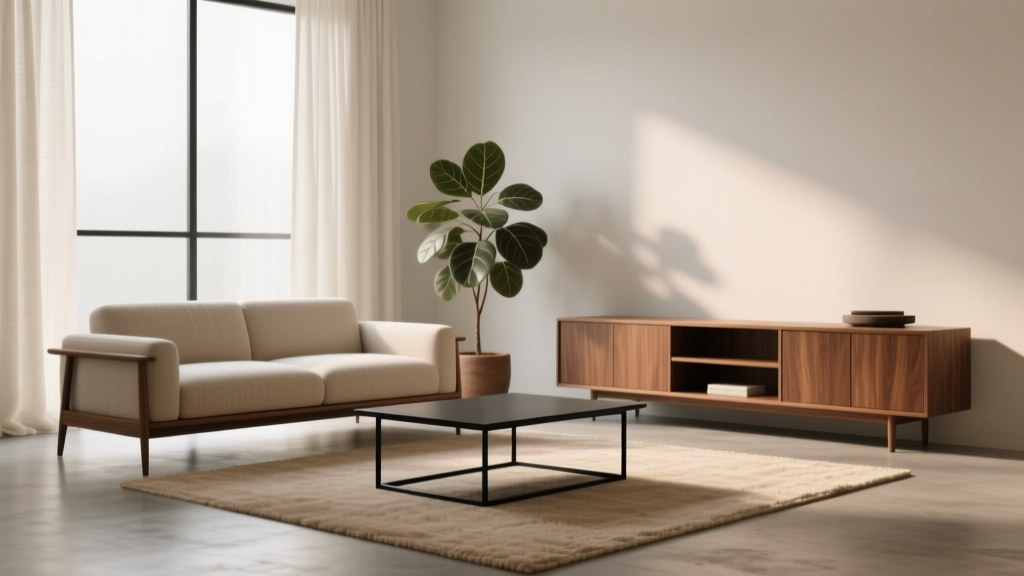
Living Room Transitional Furniture Guide - The Decor Mag
Transitional style is the sweet spot of living room design: polished but not precious, classic but not stuck in the past. If you’re drawn to clean lines yet still want warmth and comfort, transitional furniture gives you permission to blend old and new in a way that feels intentional—not like you’re caught between styles.
This matters because the living room does a lot of heavy lifting. It’s where you host friends, binge shows, work from the sofa, and relax at the end of the day. Transitional living rooms handle real life beautifully: they’re approachable, easy to update, and they tend to age well—especially if you choose the right furniture silhouettes, materials, and scale.
In this guide, you’ll learn what defines transitional furniture, how to build a cohesive layout, the best materials and finishes for durability, and exactly what to buy (and what to skip). You’ll also find real-world room scenarios, common mistakes to avoid, and a quick FAQ to help you shop and style with confidence.
What Is Transitional Furniture (and Why It Works So Well)?
Transitional furniture blends traditional shapes with contemporary simplicity. Think: a sofa with classic proportions but cleaner arms, or a wood coffee table with a timeless finish and a streamlined base. The goal isn’t to “mix everything”—it’s to edit.
Core Transitional Style Traits
- Balanced silhouettes: Classic forms, simplified details (less carving, fewer ornate edges).
- Neutral foundations: Cream, greige, warm white, taupe, soft gray, camel, and muted blues/greens.
- Layered textures: Linen, wool, boucle, leather, wood grain, stone, and metal accents.
- Refined comfort: Cushy seating that still looks tailored.
- Mix of finishes: Warm wood + matte black or brushed brass is a transitional staple.
Transitional vs. Modern vs. Traditional
- Modern: Minimal, sharp lines, fewer curves, often cooler palettes.
- Traditional: More detail, heavier profiles, ornate shapes, richer colors.
- Transitional: Cleaned-up classics—inviting, timeless, and adaptable.
Start with the “Big Three”: Sofa, Rug, and Coffee Table
If you get these three right, the rest of your living room decor choices become much easier. Transitional rooms thrive on a calm base and thoughtfully chosen shapes.
1) Transitional Sofas: The Anchor Piece
A transitional sofa usually has a tailored profile: track arms or gently rolled arms, a tight or semi-tight back, and clean legs (often wood or metal). Comfort is key, but avoid overly slouchy shapes if you want that transitional polish.
Best Sofa Measurements (Use These as a Shopping Filter)
- Standard sofa length: 84–96 inches (ideal for most living rooms).
- Apartment sofa length: 72–84 inches (great for rentals and small spaces).
- Seat depth: 20–23 inches for upright comfort; 24–26 inches for lounging.
- Seat height: 17–19 inches (easy for most people to get in/out).
- Clearance around sofa: Aim for 30–36 inches in main walkways.
Materials That Look Elevated and Wear Well
- Performance fabric (poly blends, Crypton-style textiles): Excellent for kids, pets, and renters.
- Linen blends: Airy and transitional, but choose a blend for fewer wrinkles.
- Top-grain leather: Timeless, durable, and gets better with age—especially in camel or warm tan.
Budget Range (Sofa)
- Budget: $700–$1,400 (look for performance upholstery, kiln-dried frames if possible).
- Mid-range: $1,500–$3,500 (better cushions, more fabric options, stronger frames).
- Investment: $3,500–$7,000+ (benchmade options, premium fills, heirloom frames).
2) Transitional Rugs: The Room Unifier
A rug is the quiet hero of transitional living room design. It softens contrast, sets the palette, and makes mixed furniture styles look intentional.
Rug Sizing Cheatsheet
- 8' x 10': Most common for standard living rooms; front legs of sofa and chairs should sit on the rug.
- 9' x 12': Best for larger rooms; makes everything feel more upscale.
- 5' x 8': Works in small apartments, but try to at least place the sofa’s front legs on it.
Rug Styles That Read Transitional
- Softened Persian-inspired patterns (faded/vintage look)
- Subtle geometrics in tone-on-tone neutrals
- Textural solids (wool, wool-blends, flatweaves with depth)
3) Transitional Coffee Tables: Grounding and Practical
Transitional coffee tables strike a balance: not too ornate, not too industrial. Rounded corners and softened edges are trending right now (and they’re shin-friendly in family homes).
Coffee Table Proportions
- Length: About 1/2 to 2/3 the length of your sofa (e.g., 54–60 inches for a 90-inch sofa).
- Height: Within 1–2 inches of your sofa seat height (usually 16–18 inches).
- Spacing: Keep 14–18 inches between the sofa and table for easy movement.
Materials to Consider
- Wood (oak, walnut, ash): Warm and timeless; choose matte or satin finishes for an updated look.
- Stone (marble, travertine, faux stone): Adds a high-end transitional feel; use coasters and seal real stone.
- Metal accents: Matte black or brushed brass—use sparingly for polish.
Build a Transitional Seating Mix (That Doesn’t Feel Matchy)
One of the best living room design tricks for transitional style: choose seating pieces that coordinate, not duplicate. Matching sets can feel flat and dated; transitional rooms thrive with variety in shape and texture.
Go-To Seating Combinations
- Sofa + 2 accent chairs: Most versatile layout for entertaining.
- Sofa + chaise or sectional + 1 accent chair: Great for TV rooms; keep the chair visually lighter.
- Sofa + loveseat + chair: Works in long rooms; ensure the loveseat is not oversized.
Accent Chair Recommendations (Style + Function)
- Barrel chair in boucle: Soft trend-forward texture that still feels timeless.
- Wood-frame lounge chair: Adds warmth and architectural interest; great with a neutral sofa.
- Leather club chair with simplified lines: Classic transitional move—especially in tan or saddle.
Side Tables and Consoles: Small Pieces, Big Impact
Transitional rooms look elevated when the “supporting furniture” is scaled correctly.
- Side table height: Within 1 inch of the sofa arm height (typically 22–26 inches).
- Console table behind sofa: 10–14 inches deep keeps walkways open; style with lamps and trays.
- End table shape tip: If your coffee table is rectangular, consider a round side table to soften the layout.
Step-by-Step: How to Create a Transitional Living Room Layout
- Pick your anchor: Usually the sofa. Choose a neutral upholstery you won’t tire of.
- Map your walkways: Maintain 30–36 inches for main paths; 18–24 inches can work in tighter spots.
- Place the rug first (mentally or with painter’s tape): Ensure seating sits on the rug, not around it.
- Add a coffee table with correct spacing: 14–18 inches from the sofa is the comfort zone.
- Balance with chairs: Float chairs when possible; don’t push everything against walls if you have space.
- Layer lighting: One overhead light isn’t enough—aim for at least two additional sources (floor + table lamp).
Color Palettes and Finishes That Feel Transitional
Transitional living rooms look cohesive when the palette is calm and the finishes are intentional. Current trends lean warmer (goodbye icy gray), with organic textures and softer contrast.
Easy Transitional Palettes
- Warm neutrals: Cream + camel + oak + matte black accents
- Soft contrast: Warm white + charcoal + walnut + brushed brass
- Muted color: Greige + dusty blue + natural wood + blackened steel
- Earthy modern: Taupe + olive + travertine + aged bronze
Finish Pairings That Always Work
- Oak or walnut + matte black (clean, tailored)
- Warm wood + brushed brass (elevated, welcoming)
- Stone top + wood base (timeless transitional sophistication)
Real-World Transitional Living Room Scenarios
Scenario 1: A Small Rental Living Room (No Drilling, Tight Footprint)
You have a 12' x 14' living room, off-white walls, and you want it to feel curated without permanent changes.
- Sofa: 78–84 inch apartment sofa in performance fabric (warm white, oatmeal, or light greige).
- Rug: 8' x 10' vintage-style pattern to hide wear and anchor the space.
- Coffee table: 40–48 inch oval table (easier circulation than a sharp rectangle).
- Lighting: Plug-in swing-arm sconce + floor lamp to create layers.
- Budget plan: $1,500–$3,000 total by prioritizing the sofa and rug first.
Scenario 2: A Family-Friendly Living Room with Pets
You want a transitional look, but your dog lives on the sofa and spills happen.
- Upholstery: Performance fabric in a mid-tone (taupe, stone, or heathered gray) to disguise fur.
- Seating: Sofa + two wipeable leather or faux-leather accent chairs.
- Tables: Wood with a durable satin finish; avoid high-gloss that shows scratches.
- Rug: Low-pile or washable rug in a subtle pattern.
- Styling: Use lidded baskets for toys and throws to keep surfaces calm.
Scenario 3: An Open-Concept Living Room That Needs Definition
Your living room blends into the dining area, and it feels like everything is floating.
- Use a larger rug: 9' x 12' if possible to clearly “zone” the seating area.
- Float the sofa: Add a 10–14 inch deep console behind it to create a boundary.
- Add symmetry: Matching lamps on the console instantly makes the room feel finished.
- Choose cohesive finishes: Repeat one metal finish (matte black or brass) 2–3 times across the room.
Product Recommendations: Transitional Furniture Worth Considering
Rather than calling out a single brand, shop by features—this helps you find the best option at your budget and in your region.
Transitional Sofa Checklist (Look For)
- Kiln-dried hardwood or quality engineered wood frame
- High-resiliency foam cushions (or foam + down blend for softness)
- Removable cushion covers if you have pets/kids
- Neutral performance upholstery (oatmeal, sand, warm gray, taupe)
Coffee Tables That Nail Transitional Style
- Oval wood table with a simple pedestal or slatted base
- Stone-top table (travertine or faux travertine) with a warm wood base
- Two-tier wood table for storage (great in small living rooms)
Storage and Media Consoles
- Length: Aim for a console at least 2–6 inches wider than your TV on each side for a balanced look.
- Depth: 16–20 inches typically fits components without protruding.
- Style cue: Flat-panel doors, slatted wood fronts, or simple shaker-style detailing.
Common Mistakes to Avoid in Transitional Living Rooms
- Buying a matching furniture set: It can read dated and removes the layered look transitional style is known for.
- Going too gray and cool: Current living room decor trends favor warmer neutrals and natural textures.
- Choosing undersized rugs: A too-small rug makes the room feel disconnected; size up whenever possible.
- Ignoring scale: A bulky sectional in a small room will overwhelm; measure before you buy.
- Over-accessorizing: Transitional styling is edited—use fewer, larger decor pieces instead of many small items.
- One-lighting-source rooms: Add layers: ambient + task + accent lighting for that inviting, finished feel.
FAQ: Transitional Furniture for the Living Room
What colors are best for a transitional living room?
Warm neutrals are the easiest foundation: cream, ivory, greige, taupe, camel, and warm gray. Add muted accents like dusty blue, olive, or terracotta through pillows, art, and throws for depth.
Can transitional furniture work in a small apartment?
Yes—transitional style is great for small spaces because the silhouettes are streamlined. Look for apartment-size sofas (72–84 inches), oval coffee tables for easier flow, and closed storage to reduce visual clutter.
How do I mix modern and traditional pieces without it looking messy?
Keep one element consistent across the mix: a shared color palette, repeated wood tone, or matching metal finish. Pair one traditional “curve” (like a rounded chair) with one modern “line” (like a clean-lined sofa) and use a unifying rug.
What’s the best sofa fabric for a transitional living room with kids or pets?
Performance fabrics are the most practical and still look elevated. Choose a tight weave in a heathered neutral to disguise wear. If you love leather, top-grain in a medium tone (camel/tan) is forgiving and timeless.
What’s a realistic budget to furnish a transitional living room?
A practical starting range is $2,500–$6,500 for a sofa, rug, coffee table, and at least one accent chair. You can spend less by buying the sofa and rug new, then sourcing solid wood side tables or a console secondhand.
What are the most timeless transitional furniture pieces to invest in?
Invest in a well-made neutral sofa, a correctly sized wool or wool-blend rug, and a solid wood coffee table. These three pieces carry the room and allow you to refresh the look later with lighting, pillows, and art.
Next Steps: Bring Transitional Style into Your Living Room This Week
If you want fast progress without overwhelm, focus on a simple plan:
- Measure your room (including walkways) and decide on the right sofa size.
- Choose a neutral anchor sofa in a durable fabric you can live with daily.
- Upgrade the rug size if yours is too small—this single change can transform the room.
- Add one statement texture (boucle chair, leather accent chair, or a stone-top coffee table).
- Finish with lighting (at least two additional lamps) for a warm, welcoming glow.
Transitional furniture is all about balance—comfort and polish, classic shapes and fresh finishes. With the right proportions and a calm, layered palette, your living room can feel elevated and effortless at the same time.
Looking for more living room design and decor ideas? Explore the latest inspiration, layouts, and trend-smart styling tips on thedecormag.com.
More Articles
 Living Room Color Scheme from Art (2026)
 Floating Shelves Living Room Styling (2026)
 Best Table Lamp Pairings for End Tables - The Decor Mag
 Art in Living Room Design: Ideas & Tips (2026)
 Best Bar Cart Placement in Living Rooms - The Decor Mag
 Living Room Sustainable Decor Choices - The Decor Mag
 Eclectic Living Room Decor Tips - The Decor Mag
 Best Daybeds for Living Room Guest Space (2026)
 Living Room Entertainment Center Hideaway Ideas (2026)
 Bathroom Reading Nook Ideas for 2026