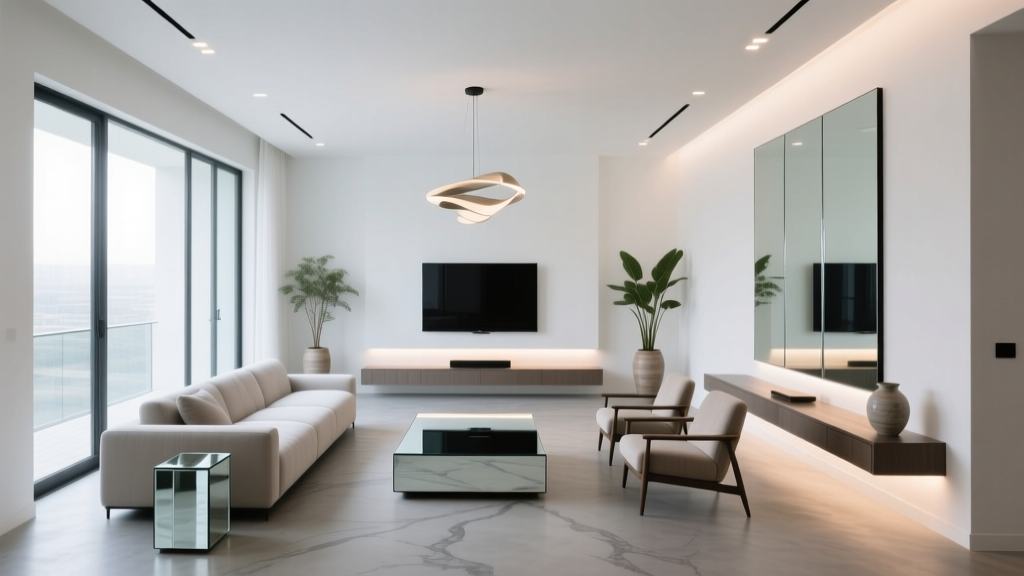
How to Decorate a Long Narrow Living Room - The Decor Mag
A long, narrow living room can feel like a design puzzle: too tight for a big sectional, too stretched for a single “centered” seating area, and somehow always one step away from looking like a hallway. But it’s also one of the most satisfying rooms to transform—because a few smart layout choices can make it feel wider, cozier, and more intentional almost overnight.
Think of your long narrow living room as an opportunity to create purpose-built zones—conversation, media, reading, desk nook—without adding walls. Once you stop fighting the shape and start working with it, the room becomes a lot easier to decorate.
Start With a Simple Plan: Measure, Map, and Choose Your “Anchor”
Key measurements that change everything
Before you buy a rug or move a sofa, spend 15 minutes measuring. The most useful numbers are:
- Room length and width (e.g., 10' x 20' or 12' x 24')
- Clear walkway needs: aim for 30–36 inches for main paths; 24 inches can work for secondary paths (common in apartments)
- Distance from sofa to coffee table: keep 14–18 inches
- TV viewing distance: a comfortable rule is 1.5–2.5x the TV’s diagonal (a 55" TV typically sits about 7–11.5 feet away)
Pick the anchor: conversation or media
Long narrow living room layouts work best when you decide what matters most:
- Conversation-first: ideal if you entertain, prefer reading, or use the living room as a gathering space.
- Media-first: best for families, movie nights, or open-plan apartments where the living area is the primary hangout.
Once you choose, every decision—sofa placement, rug size, lighting—supports that anchor.
Layout Strategies That Make a Narrow Living Room Feel Wider
1) Create two zones instead of one long “runway”
The fastest way to fix a long room is to break it into zones. Even in a 10' x 20' space, you can often fit two functional areas:
- Zone A: seating + rug + coffee table
- Zone B: reading chair + floor lamp, a slim desk, or a small bar cabinet
Real-world example: In a 11' x 22' living room, place a sofa and rug in the first 12–14 feet near the main window, then use the remaining 8–10 feet for a compact work-from-home nook with a 40–48" desk and a floating shelf.
2) Float furniture (yes, even in a narrow space)
One common misconception in narrow living room design is that everything must be pushed against the walls. Floating your sofa a few inches—or even a foot—can improve flow and make the room feel intentionally planned.
- If your room is 10–12 feet wide, try pulling the sofa 4–8 inches off the wall.
- If your room is 12–14 feet wide, you may be able to float the sofa 12–18 inches and add a slim console table behind it (10–14 inches deep).
3) Use an “L” moment—without a bulky sectional
Sectionals often overwhelm long narrow living rooms, especially if the chaise blocks the walkway. A more flexible approach is:
- A standard sofa (72–90" wide) plus
- A swivel chair or slim accent chair angled near the coffee table
This creates the cozy “L” feeling while keeping traffic paths open.
4) Try symmetrical pairings to calm the proportions
Long rooms can feel visually unbalanced. Symmetry brings order:
- Two matching accent chairs across from the sofa
- Matching side tables and lamps
- A centered rug and coffee table with equal breathing room
This is a timeless principle that pairs well with current trends like warm minimalism and quiet luxury.
Choose Furniture That Fits the Room’s Scale (and Your Walkways)
Sofa and seating recommendations
In a long narrow living room, a slightly smaller sofa often looks more expensive than an oversized one crammed in. Look for:
- Sofas with slim arms (track arms or low-profile arms save inches)
- Legs you can see (raises the visual “weight” off the floor)
- Apartment-size sofas (typically 72–80") if the room is under 11' wide
Budget ranges:
- $400–$900: renter-friendly sofas, slipcovered options, compact loveseats
- $1,000–$2,500: performance fabrics, better cushion cores, longer lifespan
- $2,500+: custom sizing, premium frames, designer-level tailoring
Go narrow on casegoods
Pick furniture that’s appropriately scaled for tight clearances:
- Coffee table: 18–24" deep is often plenty; consider oval or round to soften corners
- Media console: 14–18" deep (wall-mounted options can be even slimmer)
- Console tables: 10–14" deep behind a sofa or along a wall
Materials that visually lighten the room
- Glass or acrylic: great for coffee tables in tight footprints
- Light oak or ash: airy, on-trend, and timeless
- Metal frames (black, bronze, brushed nickel): slim silhouettes with structure
- Performance fabrics: ideal for family rooms; look for stain-resistant weaves
Rugs: The Secret Weapon for Defining Zones
Pick the right size (most people go too small)
A too-small rug makes a long narrow living room feel even longer and skinnier. Use these guidelines:
- 8' x 10' works well in many 10'–12' wide rooms when placed correctly.
- 9' x 12' is ideal if the seating zone is larger or the room is 12'–14' wide.
- Try to fit at least the front legs of the sofa and chairs on the rug.
Orientation matters
To visually widen the room, consider turning the rug so its longer side runs across the room (when possible). If that doesn’t work, use a generously sized rug placed squarely under the seating zone rather than “runner-style” down the center.
Material recommendations
- Wool: best all-around (durable, cozy, hides wear)
- Flatweave: great for renters and high-traffic areas; easier to clean
- Performance rugs (polypropylene): budget-friendly, kid/pet-proof, ideal for casual living rooms
Budget ranges: $150–$400 (synthetic), $500–$1,200 (wool blends), $1,200+ (hand-knotted or designer).
Lighting That Pulls the Eye Side-to-Side (Not Down the Hall)
Layered lighting beats one overhead fixture
Long narrow living rooms often have a single ceiling light—fine for visibility, not great for atmosphere. Aim for three layers:
- Ambient: ceiling fixture or semi-flush mount
- Task: floor lamp by a reading chair, table lamp by the sofa
- Accent: picture lights, wall sconces, or a small lamp on a console
Placement tips
- Use two lamps on opposite sides of the room to balance the long shape.
- Add a floor lamp with an arched arm to bring light over seating without crowding side tables.
- Consider plug-in sconces for renters—instant polish with minimal commitment.
Color, Paint, and Window Treatments: Make the Room Feel Proportional
Paint tricks that work
- Light, warm neutrals (soft white, ivory, greige) keep the room open and current.
- If the room feels like a tunnel, paint the far short wall a slightly deeper tone to visually “pull it closer.”
- For a modern, cozy trend, try a color-drench approach (walls + trim in one shade) in a mid-tone like clay, dusty blue, or olive—especially in rooms with good natural light.
Window treatments that add width
Hang curtains to emphasize the width of the wall rather than the window.
- Mount the curtain rod 6–10 inches wider than the window frame on each side (if wall space allows).
- Hang the rod 4–8 inches above the window frame, or close to the ceiling for height.
- Choose fabrics like linen blends for an airy look; blackout-lined panels for media rooms.
Wall Decor and Mirrors: Expand the Room Visually
Use a mirror to bounce light across the narrow width
- Place a large mirror (think 30–40 inches wide or larger) on the long wall to reflect light and visually widen the space.
- If the room lacks windows, mirror placement near lamps amplifies brightness.
Gallery walls and oversized art
Long walls beg for thoughtful wall decor. Two reliable approaches:
- One oversized piece above the sofa (roughly 2/3 the sofa’s width) for a clean, high-end look
- A structured gallery wall with consistent frames for personality without clutter
Real-World Layout Scenarios (Steal These Setups)
Scenario 1: 10' x 20' rental living room with a TV
- Sofa: 78" apartment sofa along one long wall
- TV: wall-mounted on the opposite long wall with a 60" low console (14–16" deep)
- Rug: 8' x 10' centered under sofa and coffee table
- Extra seating: one swivel chair near the window end
- Tip: choose an oval coffee table (around 48" x 24") to keep the walkway smooth
Scenario 2: 12' x 24' family living room that needs two zones
- Front zone: sofa + two chairs on a 9' x 12' rug, conversation-first
- Back zone: play corner with a washable 5' x 7' rug and low storage
- Lighting: overhead + two table lamps + one floor lamp (three-layer lighting)
- Tip: use matching baskets and closed storage to keep the long space from feeling visually busy
Scenario 3: Narrow living room with a fireplace on the short wall
- Anchor: fireplace becomes the focal point; place sofa facing it
- Layout: float the sofa slightly off the wall, add two small chairs angled inward
- Rug: large enough for all front legs on it
- Tip: if the TV must be included, consider a frame-style TV or place it on an adjacent wall with a swivel mount
Common Mistakes to Avoid in a Long Narrow Living Room
- Pushing all furniture against the walls: it often exaggerates the bowling-alley effect.
- Using a tiny rug: it visually shrinks the seating area and makes the room feel longer.
- Oversized sectionals: they block traffic flow and dominate narrow footprints.
- One light source: a single overhead fixture creates flat, uninviting lighting.
- Cluttering the long walls: too many small frames or shelves can feel busy—go larger and more intentional.
- Ignoring walkway clearance: if you can’t comfortably pass through, the room will never feel “finished.”
FAQ: Long Narrow Living Room Design
How do I arrange furniture in a long narrow living room with a TV?
Keep the TV on one long wall and the sofa on the opposite long wall for clean sightlines, then add one accent chair near the far end to create a second zone. Maintain 30–36" for the main walkway and use an 8' x 10' (or larger) rug to ground the seating.
Should I use a sectional in a narrow living room?
Sometimes, but choose carefully. If the room is under 11' wide, a bulky sectional often blocks flow. A sofa plus a chaise ottoman (or a chair-and-ottoman pairing) gives a similar lounge feel with more flexibility.
What rug size works best for a long living room?
Most long living rooms need at least an 8' x 10' rug for the main seating zone. If your room is 12' wide or your seating area is larger, a 9' x 12' usually looks more proportional.
How can I make a narrow living room look wider?
Use wider curtain placement, add a large mirror on a long wall, choose low-profile furniture with visible legs, and create two distinct zones so the space doesn’t read as one long corridor.
What coffee table shape is best for tight spaces?
Round or oval coffee tables are easiest in narrow layouts because they soften corners and improve traffic flow. Aim for 14–18" between the table and the sofa for comfortable movement.
How do I decorate a long narrow living room on a budget?
Prioritize high-impact changes: a correctly sized rug, improved lighting (add two lamps), and updated curtains. Budget-friendly wins often fall in the $300–$1,200 range depending on rug size and whether you upgrade seating.
Actionable Next Steps: A Quick Checklist
- Measure your room and mark 30–36" walkways with painter’s tape.
- Choose your anchor: TV/media or conversation.
- Define zones using a properly sized rug (start with 8' x 10' or 9' x 12').
- Right-size furniture: slim arms, visible legs, narrower coffee table.
- Layer lighting with at least two lamps plus overhead.
- Finish with balance: larger art, a mirror, and a few intentionally scaled accessories.
A long narrow living room doesn’t need to feel cramped or awkward. With the right layout, a well-sized rug, and a few strategic styling choices, it can become one of the most functional and inviting rooms in your home.
Want more layout ideas, living room decor trends, and renter-friendly upgrades? Explore more living room inspiration and guides on thedecormag.com.
More Articles
 Living Room Refined Elegance Tips - The Decor Mag
 Smart Function Storage Ideas for Real Living Spaces
 How to Layer Lighting in a Living Room - The Decor Mag
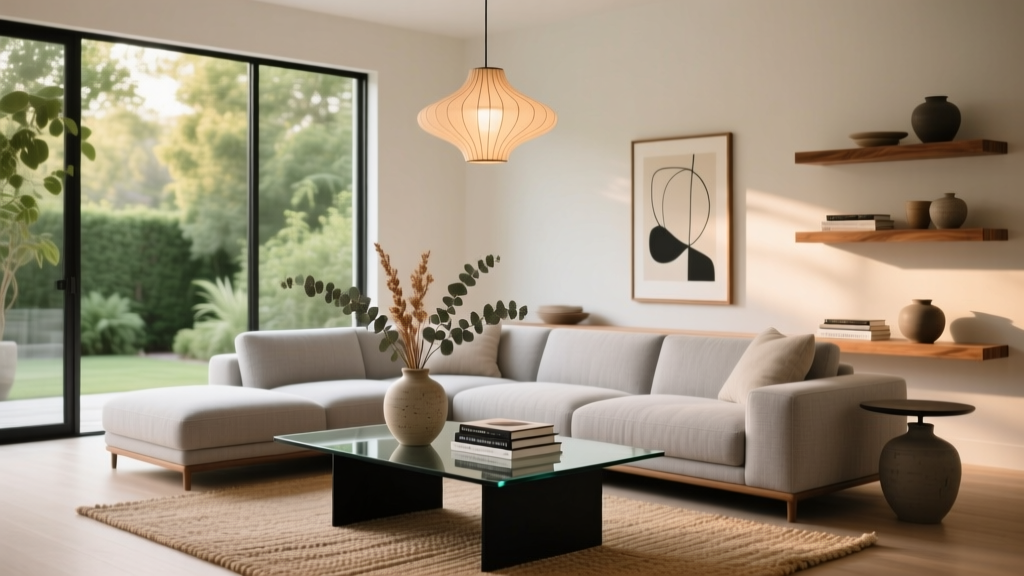 Living Room Entertaining: Design Tips (2026)
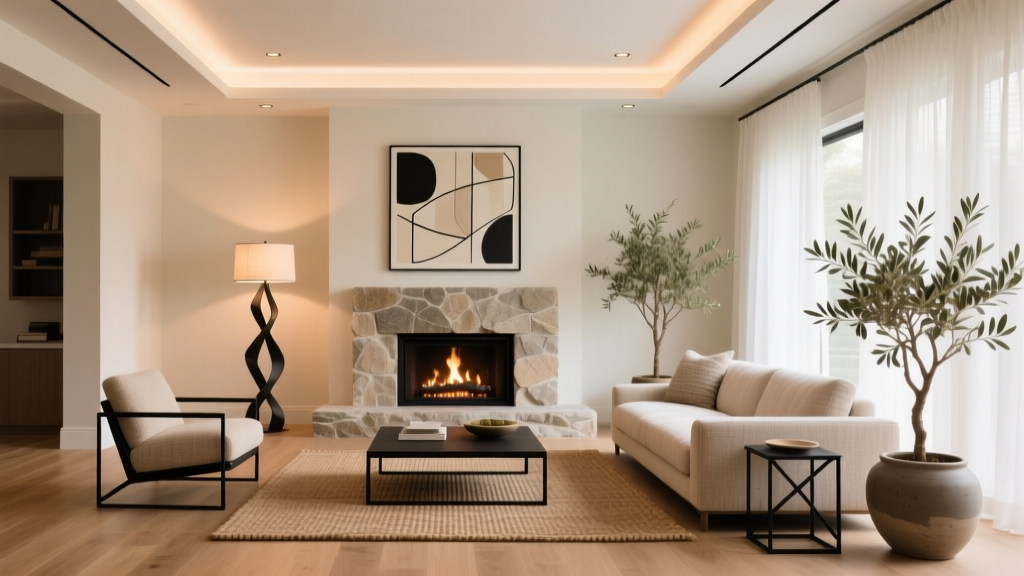 Living Room Fireplace Styling Ideas (2026)
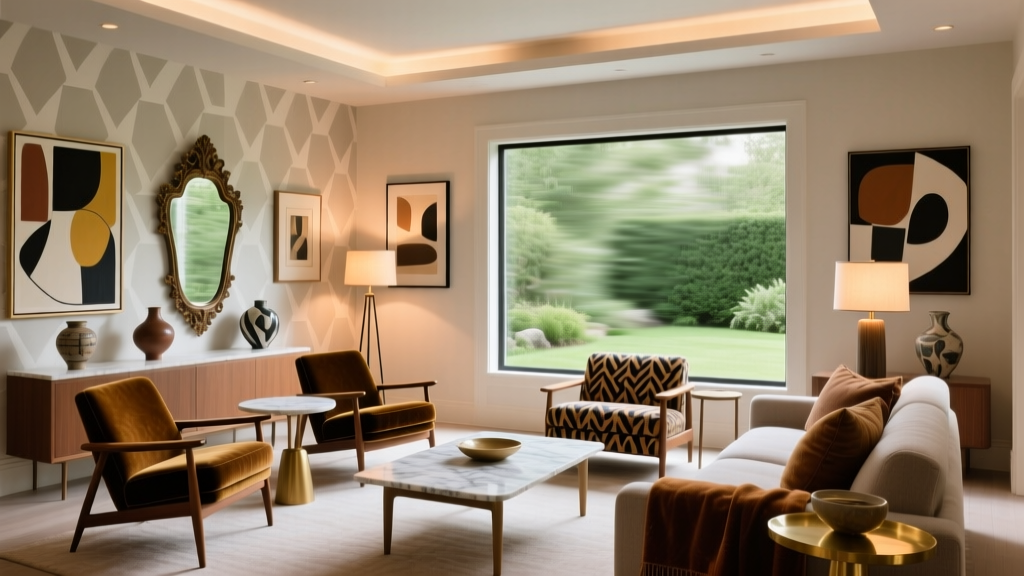 Eclectic Living Room Decor Tips - The Decor Mag
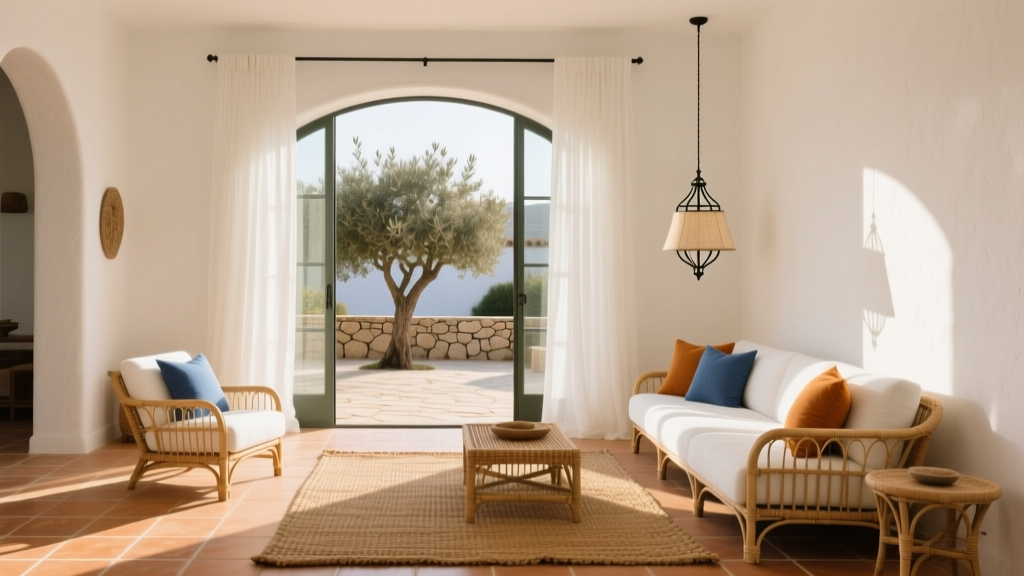 Living Room Mediterranean Design Elements - The Decor Mag
 Best Recliner Chairs That Look Stylish - The Decor Mag
 Living Room Foundations: Support, Ergonomics, Comfort