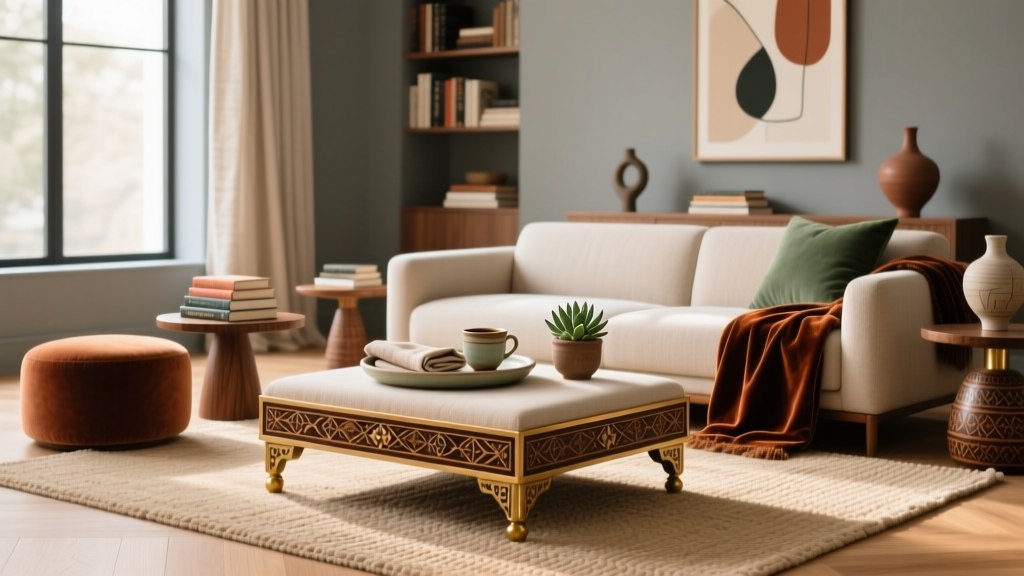
Best Ottoman Coffee Table Combinations - The Decor Mag
A great living room doesn’t happen by accident—it’s usually the result of a few smart choices that balance comfort, function, and style. One of the most overlooked (and most powerful) choices is what you put in the center of the seating area. The right ottoman coffee table combination can make a room feel more inviting, more flexible for real life, and more polished without looking overly “decorated.”
Maybe you love putting your feet up, host friends often, or live in a small space where every piece has to do double duty. Ottoman-and-coffee-table pairings give you that flexibility: a soft place to lounge plus a stable surface for drinks, books, and decor. In this guide, you’ll learn how to choose the best pairings by size, shape, and material, plus practical measurements, budget ranges, and real-world layouts that actually work.
Why Pair an Ottoman with a Coffee Table?
Traditional coffee tables are classic for a reason—they’re stable, easy to style, and great for everyday use. But adding an ottoman (or choosing an ottoman as part of your coffee table setup) adds comfort and adaptability.
- Comfort: A soft ottoman invites you to kick back—especially in family rooms and movie-night spaces.
- Flexibility: Ottomans can slide around for extra seating or be pulled closer to a sofa chaise.
- Style impact: Upholstery, leather, and tufting add texture to a living room design, breaking up the “all hard surfaces” look.
- Small-space friendly: Many ottomans include hidden storage, which is gold in apartments and rentals.
Key Measurements for a Balanced, Functional Layout
Before falling for a gorgeous tufted piece online, make sure the scale works with your sofa and traffic flow. These guidelines are timeless interior design principles—and they’ll save you from the most common living room layout regrets.
Ottoman/Coffee Table Height
- Aim for 1–2 inches lower than your sofa seat height for the most comfortable leg rest.
- For a more “coffee table” function, a surface that’s equal to the sofa seat height can feel better for drinks and dining.
- Typical target range: 15–18 inches tall (measure your sofa seat to confirm).
Distance from the Sofa
- Keep 14–18 inches between the seating and the ottoman/coffee table zone.
- If you have a narrow room, you can go down to 12 inches, but anything tighter can feel cramped.
Overall Size (Length/Width)
- A coffee table (or ottoman) typically looks best at about two-thirds the length of your sofa.
- For sectionals: consider two smaller pieces (like two ottomans or an ottoman plus a slim table) to keep pathways open.
Top Ottoman Coffee Table Combinations (With Style Notes and Use Cases)
The “best” combination depends on how you live. Below are the most reliable pairings designers use again and again, with real-life scenarios and decor tips.
1) Upholstered Ottoman + Large Tray (The Classic Cozy Combo)
This is the go-to solution for homeowners who want comfort without giving up a surface for drinks. The tray acts like a mini tabletop and instantly makes the setup feel intentional.
Best for: Family rooms, movie nights, casual entertaining, homes with kids
- Ottoman type: Square or rectangular upholstered ottoman (tufted or smooth)
- Tray size: Choose a tray that covers about 50–70% of the ottoman’s top surface
- Materials that work: Performance fabric, velvet (for low-traffic rooms), leather (easy wipe-down)
Real-world example: In a mid-sized living room with a 90-inch sofa, a 36–40 inch square ottoman in performance fabric paired with a 24–28 inch tray creates a stable “coffee table” zone while staying plush enough for lounging.
Budget range:
- Ottoman: $150–$500 (mass retail), $600–$1,500+ (custom/upholstery brands)
- Tray: $30–$150
2) Ottoman + Narrow C-Table or Drink Tables (Best for Entertaining)
If you love hosting, one big tray may not be enough. Pair a comfortable ottoman with one or two small drink tables that can tuck in close to guests.
Best for: Social living rooms, game nights, small apartments where furniture needs to move easily
- Choose: One ottoman + 2 drink tables (8–12 inches wide) or a C-table that slides under the sofa
- Spacing tip: Keep drink tables within arm’s reach of key seats
- Trend-forward look: Mixed materials like black metal + warm wood or stone top + bronzed base
Scenario: In a rental with a compact loveseat and two accent chairs, a small round ottoman adds softness while two slim martini tables handle drinks—no spills, no balancing cups on the armrest.
Budget range:
- Ottoman: $120–$400
- Drink tables: $60–$250 each
3) Two Ottomans + One Shared Tray (Flexible and High-End Looking)
Using two matching ottomans is a designer favorite because it gives you symmetry, extra seating, and the ability to reconfigure the room. Add one long tray across both to create a coffee-table-like surface.
Best for: Sectionals, long sofas, open-concept living rooms
- Ottoman size: Two pieces around 18–24 inches wide each often fit well in front of a standard sofa
- Styling tip: Use a long rectangular tray (or two matching trays) for a clean, tailored look
- Timeless principle: Repetition (two of the same item) makes a room feel cohesive
Scenario: In an open-plan living room, two leather ottomans can double as extra seating when guests overflow from the dining area—then slide back into place for everyday use.
Budget range:
- Two ottomans: $250–$1,000+ depending on materials
- Tray: $40–$200
4) Storage Ottoman + Slim Coffee Table (Best for Small Spaces)
If you’re working with limited square footage, pairing a storage ottoman with a slim coffee table gives you the best of both worlds: hidden storage plus a stable surface.
Best for: Apartments, condos, multipurpose living rooms, renters who need more storage
- Ideal coffee table profile: Narrow, airy base (metal or open wood) so the room feels less crowded
- Smart sizing: Look for a coffee table depth of 16–20 inches if your walkway is tight
- Storage tip: Use the ottoman for throws, board games, or kids’ toys
Scenario: A 10x12 living room can feel instantly calmer when blankets and chargers disappear into a storage ottoman, while a slim table handles daily coffee mugs and remote controls.
Budget range:
- Storage ottoman: $120–$450
- Slim coffee table: $150–$600
5) Leather Ottoman + Wood Coffee Table (Timeless, Durable, Easy to Maintain)
This combination blends warmth and structure. The wood coffee table provides a stable surface, and the leather ottoman adds comfort and a lived-in look that gets better over time.
Best for: Transitional style, modern farmhouse, classic living rooms, homes with pets
- Leather pick: Top-grain or full-grain for longevity; bonded leather if you’re on a tight budget (but expect shorter lifespan)
- Wood pick: Oak, walnut, or ash for durability; look for protective finishes in high-use spaces
- Trend + timeless: Warm woods are especially popular right now, and they’re a classic choice that won’t feel dated next year
Scenario: If your living room has a neutral sofa and you want it to feel more layered, a cognac leather ottoman plus a walnut coffee table adds instant depth and contrast.
Budget range:
- Leather ottoman: $250–$1,200+
- Wood coffee table: $200–$1,000+
6) Round Ottoman + Round Coffee Table (Softens Corners and Improves Flow)
Round shapes improve circulation—especially in tight or heavily trafficked spaces. If you’ve ever bumped your shin on a sharp coffee table corner, you already understand the appeal.
Best for: Small living rooms, homes with young kids, rooms with lots of pathways
- Size guide: A round ottoman around 30–36 inches often works well with a standard sofa
- Material mix: Pair a fabric ottoman with a stone-look or wood round coffee table for contrast
- Proportion tip: Keep the coffee table slightly smaller in diameter than the ottoman if they sit close together
Scenario: In a narrow living room where you need to walk through to reach the kitchen, round pieces help you glide through the space without feeling boxed in.
Budget range:
- Round ottoman: $120–$600
- Round coffee table: $150–$900
How to Choose Materials That Fit Your Lifestyle
Beautiful living room decor should also be realistic. Here’s how to pick materials that hold up.
Best Upholstery Options for Ottomans
- Performance fabric: Great for kids/pets; resists stains and cleans up easily.
- Leather: Wipes clean and ages well; choose protected leather for the easiest maintenance.
- Velvet: Luxurious and on-trend; best for low- to medium-traffic spaces unless it’s performance velvet.
- Bouclé: Popular in modern interiors; cozy texture, but can snag with pets and may require more care.
Coffee Table Surfaces (What Works Best)
- Wood: Warm, timeless, forgiving. Look for durable finishes if you’re tough on furniture.
- Stone or marble: Elevated and elegant; use coasters to prevent etching and consider rounded edges.
- Glass: Visually light for small spaces; shows fingerprints and may not be ideal with kids.
- Metal: Great for industrial or modern living room design; can feel cold if not balanced with textiles.
Step-by-Step: Styling an Ottoman Coffee Table Setup
Once you have the right pairing, the styling pulls it together. Use this easy formula to keep it polished without feeling fussy.
- Anchor with a tray. It corrals small items and makes an ottoman feel “table-ready.”
- Add one vertical element. A small vase, a candle, or a sculptural object adds height.
- Stack 1–2 books. Choose large-format books for living room styling; they add color and structure.
- Include something personal. A coaster set from a trip, a small framed photo, or a handmade bowl keeps it from feeling staged.
- Leave breathing room. Negative space is what makes the setup feel intentional rather than cluttered.
Common Mistakes to Avoid
- Choosing the wrong height. If your ottoman is too tall, it feels awkward; too low and it’s not functional as a coffee table alternative.
- Ignoring traffic flow. If you can’t walk through the living room comfortably, the room won’t feel relaxing—no matter how pretty it is.
- Skipping a tray when you need one. Drinks on soft upholstery are a spill waiting to happen.
- Going too small. Tiny ottomans can look lost in front of a large sofa or sectional. Scale matters.
- All one texture. A fabric sofa + fabric ottoman + fabric everything can fall flat. Mix wood, metal, leather, or stone for dimension.
FAQ: Ottoman Coffee Table Combinations
Can an ottoman replace a coffee table?
Yes—especially if you add a sturdy tray. For daily use (drinks, meals, laptops), many people prefer an ottoman with a tray because it’s softer and more flexible than a traditional coffee table.
What size ottoman should I get for my sofa?
A good rule is about two-thirds the sofa length. For a 90-inch sofa, aim for an ottoman around 55–65 inches long if rectangular, or a 36–40 inch square/round depending on your layout and walking paths.
How far should an ottoman or coffee table be from the couch?
Keep 14–18 inches between the sofa and the ottoman/coffee table. This is the sweet spot for comfort and accessibility.
What’s the best ottoman material for pets?
Leather (especially protected leather) and performance fabrics tend to be the easiest. If your pet likes to scratch, consider a tightly woven performance fabric rather than bouclé or delicate weaves.
Should my ottoman match my sofa?
Not necessarily. Matching can look clean, but contrast often looks more designer: try a leather ottoman with a fabric sofa, or a patterned ottoman with a solid sofa. The key is keeping a consistent undertone (warm vs. cool) across the room.
Is a round or rectangular ottoman better for a living room?
Round ottomans improve flow and soften a space—great for small rooms and families. Rectangular ottomans usually offer more usable surface area and align nicely with long sofas and sectionals.
Next Steps: Find Your Best Combination
Start by measuring your sofa seat height and the space between your seating and the rug. Then decide what you need most: comfort (go plush), entertaining (add drink tables), storage (choose a storage ottoman), or a tailored look (try two ottomans with a tray). With the right proportions and a smart mix of materials, an ottoman coffee table combination can make your living room feel more functional and more inviting—every single day.
For more living room design ideas, layout guides, and decor inspiration, explore the latest on thedecormag.com.
More Articles
 Colorguides for Living Spaces: Step-by-Step Guide 2026
 Functional Bedroom Ideas 2026: Smart Layouts & Storage
 Living Room Sectional Sofa Configurations - The Decor Mag
 Bathroom Essentials 2026: Fixtures & Smart Upgrades
 Living Room Mirror Placement and Styling - The Decor Mag
 Living Room English Country Cottage Feel - The Decor Mag
 How to Choose the Right Coffee Table Height - The Decor Mag
 Living Room Polished Bohemian Style - The Decor Mag
 Cat Trees for Living Rooms: Stylish & Seamless (2026)
 Living Room Earth Tone Color Palettes - The Decor Mag