# Cat Trees That Complement Your Living Room Decor (Not Clash With It)
Every cat owner knows the dilemma: your cat needs vertical territory for climbing, scratching, and observing, but most cat trees look like carpeted eyesores that destroy your carefully curated living room. The good news is that the pet furniture industry has caught up with design-conscious cat owners. Here's how to find or create cat furniture that your cat loves and your guests won't notice isn't "real" furniture.
## Why Cats Need Vertical Space
Before choosing a cat tree, understand what your cat actually needs:
- **Height:** Cats feel safe when they can observe from above. Minimum 5 feet for most cats.
- **Scratching surfaces:** Sisal rope or corrugated cardboard, not carpet.
- **Hiding spots:** Enclosed spaces for napping and retreating.
- **Multiple levels:** Staggered platforms for jumping between levels.
- **Stability:** A wobbly tree will be abandoned. Wide base or wall anchoring essential.
## The New Generation of Designer Cat Trees
### Wall-Mounted Cat Shelves ($100-$400)
Floating shelves designed specifically for cats are the most space-efficient option. They mount directly to walls, taking up zero floor space, and can be arranged in climbing paths that look like intentional design features.
**Best options:**
- **Catastrophic Creations:** Modular wall systems in white, black, or natural wood ($40-$80 per piece)
- **IKEA hack:** Use IKEA Lack shelves ($10 each) arranged in ascending steps—cats love them
- **Custom wood shelves:** Match to your existing shelving for a seamless look
**Installation tip:** Space shelves 12-18 inches apart vertically. Cats jump up easily but need closer spacing for confident descents.
### Modern Freestanding Trees ($200-$800)
The market now offers cat trees that look like actual furniture:
- **VETRESKA:** Minimalist birch wood trees with replaceable sisal posts ($300-$500)
- **Tuft + Paw:** Mid-century modern designs in walnut and oak ($400-$800)
- **MyKotty:** Scandinavian-inspired trees with clean lines ($200-$400)
These cost more than carpet-covered trees but last longer because components are replaceable. When the sisal wears out, you replace just the post, not the entire tree.
### Bookshelf Integration ($50-$200)
If you have existing bookshelves, dedicate a section to your cat. Clear a few shelves, add a cushion or two, and attach sisal rope to one vertical surface. Your cat gets a climbing spot, and it looks like an intentional design choice.
**Key:** Leave some books and decorative objects on the cat shelves so it reads as shared space, not a pet product.
## DIY Cat Furniture That Looks Designed
### The Ladder Shelf Cat Tree ($80-$150)
Buy a wooden ladder shelf (Target, IKEA, or Amazon—$40-$80) and customize it:
1. Sand and stain or paint to match your decor
2. Wrap one or two rungs with sisal rope (hot glue to secure)
3. Add cushions to 2-3 shelves
4. Anchor to the wall with L-brackets for safety
Total cost: $80-$150, and it looks like a styled display shelf.
### The Side Table Cat House ($60-$120)
Convert an end table or nightstand into a cat hideout:
1. Remove the back panel or cut a cat-sized entrance
2. Sand and finish to match your living room furniture
3. Add a cushion inside
4. Place next to your sofa—it functions as both side table and cat den
### The Window Perch ($40-$80)
A simple shelf mounted at window height with a cushion gives your cat the best seat in the house. Use a floating shelf bracket rated for 50+ pounds, add a removable cushion cover, and your cat has a sun-warmed observation post.
## Placement Strategy for Living Rooms
Where you put the cat tree determines whether it looks intentional or intrusive:
### Do:
- Place near a window (cats want the view)
- Position in a corner to minimize visual footprint
- Put adjacent to your seating area (cats want to be near you)
- Align with other vertical elements (bookshelves, tall plants)
### Don't:
- Block walkways or doorways
- Place in the center of the room as a focal point
- Put near fragile decorations or electronics
- Position where direct afternoon sun overheats the platforms
## Color and Material Coordination
Match your cat tree to your living room palette:
**Neutral living rooms:** Choose natural wood, white, or black cat furniture. Avoid the traditional beige carpet look.
**Colorful rooms:** A white or natural wood tree provides contrast without competing. Add a cushion in one of your accent colors.
**Minimalist spaces:** Wall-mounted shelves in the same finish as your other shelving. The less it looks like a "cat tree," the better.
**Bohemian spaces:** Rattan or woven cat furniture blends beautifully. Macramé cat hammocks are actually a thing now.
## Maintenance for Good Looks
Even the most beautiful cat tree looks bad if poorly maintained:
- **Vacuum weekly:** Cat hair accumulates on every surface
- **Replace sisal when frayed:** Worn scratching posts look shabby and are less effective
- **Wash cushions monthly:** Cats shed, drool, and track litter onto their beds
- **Tighten hardware quarterly:** Cat jumping loosens screws over time
- **Rotate scratching posts:** Move them to different positions to ensure even wear
## Multi-Cat Households
With multiple cats, you need multiple vertical territories. The rule of thumb: one climbing spot per cat, plus one extra.
- **Two cats:** One tall tree plus wall shelves
- **Three cats:** Two trees in different room areas plus a window perch
- **Four+ cats:** Dedicate a full wall to a cat climbing system
Spread cat furniture throughout the living room rather than clustering it in one area. This prevents territorial conflicts and gives each cat options.
## Budget Comparison
| Option | Cost | Space Used | Cat Appeal | Aesthetic |
|--------|------|-----------|------------|-----------|
| Traditional carpet tree | $60-$150 | High floor | High | Low |
| Designer freestanding | $200-$800 | Medium floor | High | High |
| Wall-mounted shelves | $100-$400 | Zero floor | Medium-High | High |
| DIY ladder shelf | $80-$150 | Small floor | Medium | Medium-High |
| Bookshelf integration | $50-$200 | Zero extra | Medium | High |
| Window perch | $40-$80 | Zero floor | High | High |
## Final Recommendation
For most living rooms, a combination approach works best: wall-mounted shelves for climbing, a window perch for observation, and a small, well-designed freestanding tree for scratching and hiding. This gives your cat everything they need while keeping your living room looking like a space designed for humans.
The investment in design-forward cat furniture pays off in both longevity and daily enjoyment. You'll use your living room more when you're not apologizing for the giant carpet tower in the corner.
 Living Room Lighting for Ambiance (2026)
 Living Room Lighting Ideas (2026) | The Decor Mag
 Livingrooms Bedroom Setup Checklist 2026
 Living Room Window Seat Ideas - The Decor Mag
 Colorguides for Living Spaces: Step-by-Step Guide 2026
 Living Room Color Scheme from Art (2026)
 Living Room That Feels Collected: Decor Tips
 Living Room for All Ages: Design Tips (2026)
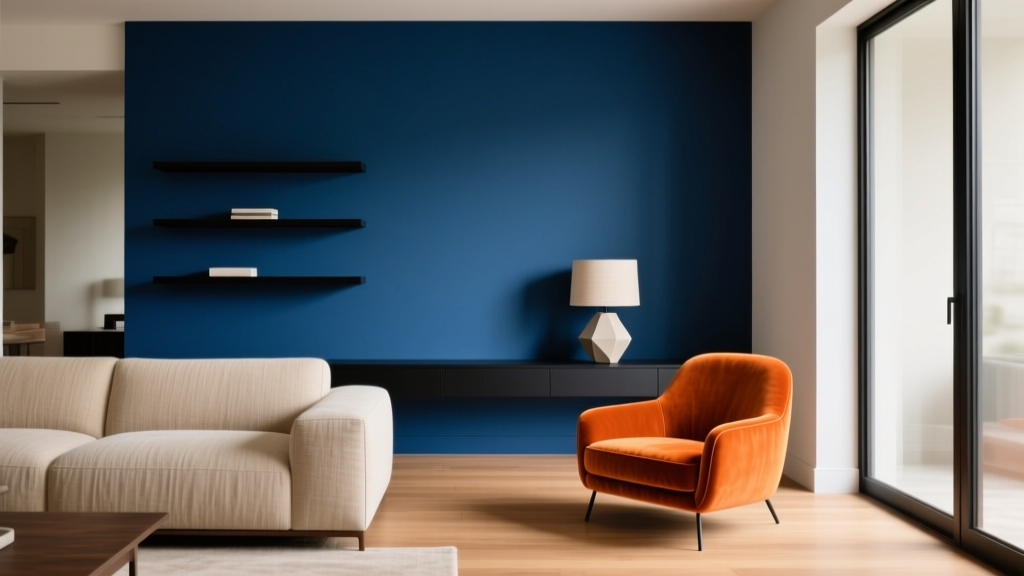 Living Room Bold Color Accent Ideas - The Decor Mag
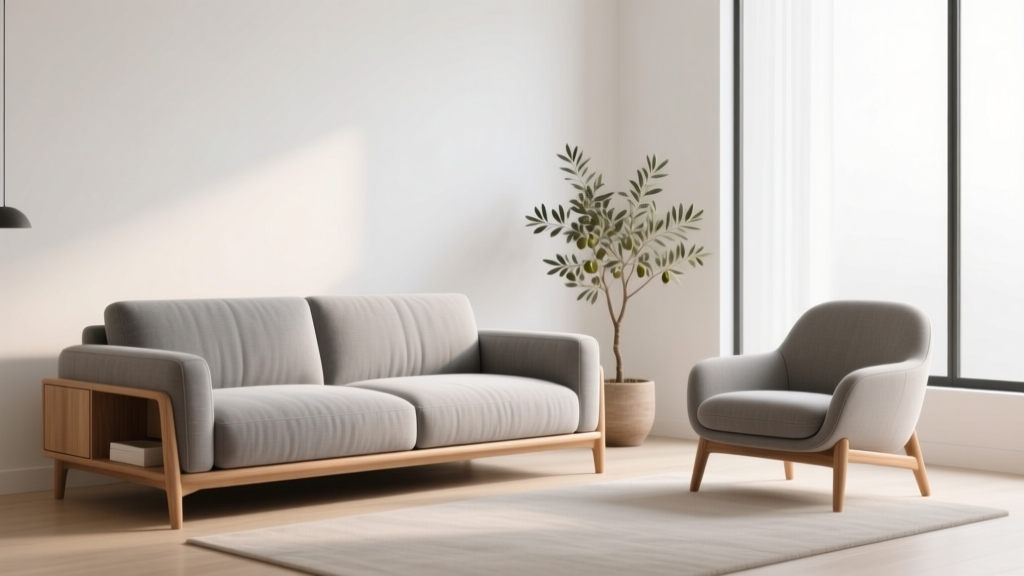 Comfortable Seating for Aging Bodies: Sofas & Chairs (2026)