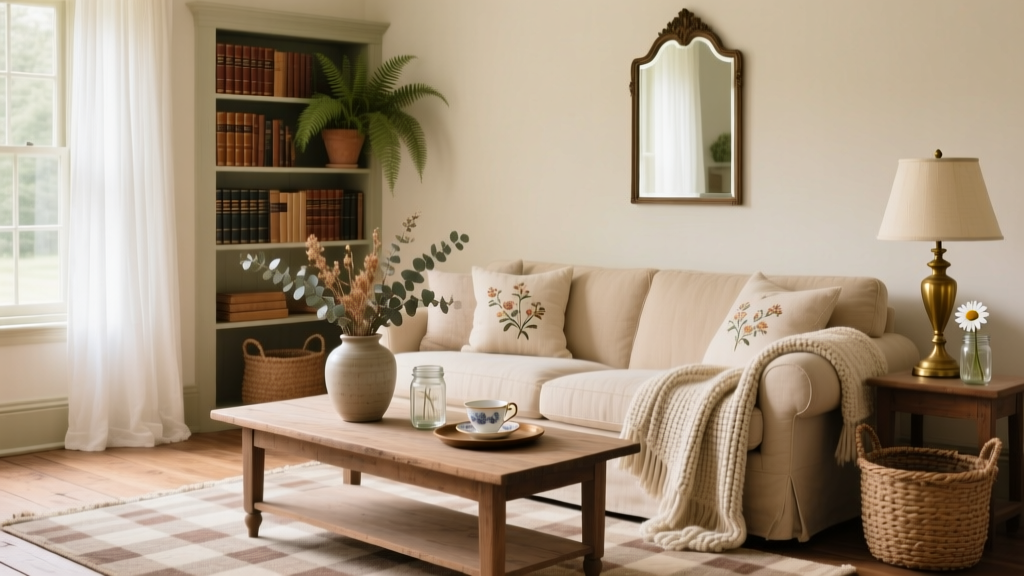
Living Room English Country Cottage Feel - The Decor Mag
There’s a reason the English country cottage living room keeps showing up in magazines, Pinterest boards, and design trend reports: it feels instantly welcoming. It’s the kind of space that invites you to kick off your shoes, put the kettle on, and stay awhile—without looking staged or overly precious. For homeowners and renters alike, this style is also wonderfully forgiving. It celebrates patina, collected finds, and comfort-first choices that age gracefully.
If you’re craving a living room that feels cozy, lived-in, and character-rich—yet still polished—this guide will walk you through the details that make the English cottage look work. You’ll learn how to choose the right colors, fabrics, furniture shapes, and lighting; how to layer patterns without chaos; how to incorporate vintage pieces alongside modern necessities; and how to avoid the common missteps that can make “cottage” drift into clutter.
Expect practical measurements, material recommendations, realistic budget ranges, and real-world scenarios you can adapt to your own room—whether you’re styling a small rental apartment or refreshing a family living room in a suburban home.
What Defines an English Country Cottage Living Room?
The English country cottage feel isn’t about matching sets or showroom perfection. It’s about a sense of history, softness, and practicality—spaces that are elegant in a relaxed way.
- Comfort-forward seating: deep sofas, slipcovers, cushy cushions, and “sink-in” fabrics.
- Layered pattern and texture: florals, plaids, stripes, and checks—balanced with solids and natural materials.
- Warm, muted color palettes: creamy whites, sage, dusty blue, soft rose, tobacco brown, and heritage greens.
- Traditional shapes with lived-in finishes: turned legs, skirted furniture, spindle details, aged wood.
- Collected decor: books, art, ceramics, baskets, and meaningful objects—arranged with intention.
Current design trends are reinforcing this look, too. The rise of “quiet luxury,” heritage patterns, and the return of warm neutrals all pair naturally with cottage styling—especially when you keep comfort and authenticity at the center.
Start With a Cozy, Cottage-True Color Palette
Go Warm and Soft (Not Stark)
English cottage living rooms tend to avoid icy whites and ultra-cool grays. Instead, they rely on creamy, buttery off-whites and gentle, nature-inspired hues.
- Wall colors: warm ivory, soft oatmeal, pale stone, muted sage, dusty cornflower, or a smoky pink-beige.
- Trim: creamy white or a slightly deeper warm white for a subtle contrast.
- Accent colors: deep olive, burgundy, navy, terracotta, and antique gold.
Practical tip: If your room has limited natural light, choose a warm off-white (not pure white) with a light reflectance value (LRV) around 70–85 for brightness without harshness.
Paint Sheen and Finish Recommendations
- Walls: matte or eggshell (more forgiving and cottage-appropriate).
- Trim: satin for durability.
- Fireplace surround (if painted): satin or semi-gloss for easier cleaning.
Choose Furniture That Feels Inviting, Not Formal
The Sofa: Your Anchor Piece
A classic cottage living room usually starts with a generously sized sofa in a durable, touchable fabric.
- Best silhouettes: rolled arms, English arms, skirted bases, or relaxed slipcovers.
- Best fabrics: cotton-linen blends, performance linen, brushed cotton, velvet (for depth), or chenille.
- Best colors: oatmeal, flax, warm white, soft gray-beige (greige), or muted checks.
Measurement guide: For comfortable circulation, aim for 30–36 inches of walking space around main pathways. Keep 16–18 inches between the sofa and coffee table for legroom and easy reach.
Budget range:
- $900–$1,800: quality slipcovered or upholstered sofas from mid-range retailers (look for kiln-dried frames).
- $2,000–$4,500: upgraded cushions, performance fabrics, and classic silhouettes.
- $300–$900 (renter-friendly): secondhand sofa + washable cover or tailored slipcover.
Mix Wood Tones Like a Collector
English cottage style isn’t a “matchy-matchy” wood tone moment. It’s normal to see a honey-toned oak table next to a darker stained bookcase and a painted sideboard.
- Stick to 2–3 primary wood tones to keep it cohesive.
- Use painted furniture (cream, sage, charcoal) to bridge mismatched tones.
- Favor natural finishes over high-gloss.
Occasional Chairs and “A Seat by the Window” Charm
Add at least one additional seating zone. A classic English country cottage living room often features a reading chair with a lamp, a small side table, and a soft throw.
- Wingback, slipper chair, or spindle-back armchair
- Upholstery in tartan, floral, ticking stripe, or solid velvet
- Footstool or ottoman for extra comfort
Layer Textiles for That Lived-In Cottage Warmth
Rugs: Go Bigger Than You Think
A too-small rug is one of the quickest ways to lose the cozy “English cottage living room” feeling. Aim for a rug that anchors the seating area.
- 8' x 10' works well for many living rooms (sofa front legs on the rug).
- 9' x 12' is ideal for larger spaces or open-concept rooms.
- 5' x 8' can work in a small rental if paired carefully, but try to at least fit the coffee table and front sofa legs.
Materials to look for: wool (best for longevity), wool blends, cotton flatweaves for layering, and low-pile vintage-style rugs for easy care.
Pattern Mixing: A Simple Cottage Formula
English cottage decor is known for pattern, but it’s not random. Use a repeatable rule so it feels collected, not chaotic.
- Choose one dominant pattern (often floral or plaid) for curtains, a statement chair, or a rug.
- Add a secondary pattern (stripe or check) in a smaller scale on pillows or an ottoman.
- Finish with a subtle texture (herringbone, tweed, boucle, or a solid linen) to calm everything down.
Quick tip: Keep patterns cohesive by repeating at least one color across them—cream, sage, dusty blue, or warm brown.
Window Treatments: Curtains That Soften the Room
Floor-length curtains instantly add cottage softness.
- Mount curtain rods 4–6 inches above the window frame (or closer to the ceiling for height).
- Extend rods 6–10 inches beyond the window on each side for fullness and better light.
- Hem: curtains should “kiss” the floor or break slightly (about 1/2 inch to 1 inch).
Best materials: linen, cotton-linen blends, or cotton prints (florals, stripes, gingham). For privacy in rentals, pair with simple roller shades underneath.
Lighting: Create a Warm Glow (Not a Single Overhead Blast)
English country cottage lighting is layered and gentle. If you want your living room to feel cozy at night, plan for at least three light sources.
- Ambient: a ceiling fixture (semi-flush, lantern, or small chandelier) on a dimmer if possible.
- Task: a reading lamp beside a chair or sofa (shade height roughly 42–48 inches from the floor for many setups).
- Accent: picture light, small table lamp on a console, or a plug-in sconce for renters.
Bulb recommendation: Choose 2700K for warm, candle-like light. Look for CRI 90+ to make colors and fabrics look rich and natural.
Decor and Styling: Make It Collected, Not Cluttered
The Cottage “Edit”: Display With Intention
English cottage living rooms do have more objects than minimalist spaces, but each item should earn its place.
- Books: stack horizontally and vertically; keep spines in a similar tone range for calm.
- Ceramics: a few stoneware vases or pitchers add instant character.
- Art: mix landscapes, botanicals, and portraits; thrifted frames are perfect.
- Baskets: use for throws, kindling (if you have a fireplace), toys, or magazines.
Styling formula for surfaces: Try a simple “tall, medium, small” trio on coffee tables and sideboards (example: lamp + small stack of books + bowl).
Greenery and Florals: Fresh or Faux Done Well
- Fresh: garden-style bouquets (think loose stems, not tight arrangements) in a simple pitcher.
- Faux: choose realistic stems in muted tones; avoid overly glossy leaves.
- Plants: ivy, rosemary topiary, or a small olive tree for that countryside vibe.
Real-World Scenarios: How to Get the Look in Different Homes
Scenario 1: Small Rental Living Room (No Painting Allowed)
You can still create an English cottage living room feel without permanent changes.
- Add a large vintage-style rug (8' x 10') to soften builder-grade flooring.
- Use removable wallpaper behind a bookcase or on one accent wall (small floral or subtle stripe).
- Swap harsh bulbs for 2700K warm LEDs.
- Introduce pattern through curtains, pillows, and a throw (ticking stripe + floral is a classic pairing).
- Use plug-in sconces for instant charm without rewiring.
Budget range: $250–$900 depending on rug size and lighting upgrades.
Scenario 2: Open-Concept Family Room That Feels Too Modern
If your space feels echoey or sleek, cottage style can soften it.
- Choose a deep sofa (seat depth around 22–24 inches) for lounge comfort.
- Add two upholstered accent chairs to create a conversation zone.
- Layer textiles: rug + curtains + throws to reduce visual “hardness.”
- Bring in a wood coffee table with a worn finish (or a trunk-style table for storage).
- Create a “library wall” effect with bookcases and warm art.
Budget range: $1,500–$6,000 depending on furniture investments and built-ins.
Common Mistakes to Avoid
- Going too theme-y: Avoid excessive “farmhouse” signs, novelty prints, or overly literal countryside decor.
- Choosing stark whites and cool grays: They can make the room feel clinical instead of cozy.
- Undersized rug: It breaks the room visually and makes seating feel disconnected.
- Too many small patterns: Mix scales—one larger print, one medium, one subtle texture.
- Clutter without editing: Cottage is collected, not chaotic. Leave breathing space on surfaces.
- Single-source lighting: One overhead fixture rarely creates that warm cottage glow.
Step-by-Step: A Simple Plan to Create the English Country Cottage Feel
- Pick a palette (warm white + 2–3 muted colors).
- Anchor the room with a larger rug (8' x 10' when possible).
- Upgrade seating comfort (sofa with rolled arms or slipcover; add one cozy chair).
- Layer textiles (curtains, throws, pillows; mix patterns with a repeatable rule).
- Add warm lighting (table lamp + floor lamp + dimmable overhead if you can).
- Style with intention (books, ceramics, art, baskets; edit for calm).
FAQ: English Country Cottage Living Room Decor
What’s the easiest way to make a living room feel like an English cottage?
Start with soft textiles and warm lighting: a larger vintage-style rug, floor-length curtains, and 2700K lamps will transform the mood quickly—even before you change furniture.
Can I mix modern pieces with English country cottage decor?
Yes. The key is to balance clean-lined modern items with traditional textures and shapes. For example, pair a modern sofa with a floral armchair, a vintage rug, and warm wood accents.
What patterns are most “English cottage” for a living room?
Florals, plaids (tartan), ticking stripes, gingham checks, and small botanicals are classics. Keep them cohesive by repeating at least one color across patterns.
How do I keep cottage style from looking cluttered?
Use fewer, larger decor pieces rather than many small ones. Group items in threes, leave some empty space on shelves, and stick to a consistent color story so collections feel intentional.
What are the best fabrics for a cozy cottage living room?
Cotton-linen blends, wool, velvet, and brushed cotton are top choices. If you have kids or pets, look for performance fabrics or washable slipcovers in light-to-medium tones.
Is English country cottage decor budget-friendly?
It can be. The style welcomes thrifted wood furniture, vintage frames, secondhand rugs, and DIY slipcovers. Spend most on comfort pieces you use daily (sofa, rug), and save on decor through vintage and marketplace finds.
Next Steps: Bring the Cottage Comfort Home
If you want your living room to feel like an English country cottage, focus on comfort, warmth, and layers: a generous rug, soft drapery, tactile fabrics, classic patterns, and lighting that glows in the evening. Then add the finishing touch—pieces that feel collected over time, whether they’re vintage finds, family heirlooms, or simply objects you truly love.
For more cozy, timeless, and practical living room design ideas, explore the latest inspiration and guides on thedecormag.com.
More Articles
 Designing a Workspace That Fuels Creativity
 Small Bedroom Ideas 2026: Smart Space-Saving Designs
 Living Room Entertaining: Design Tips (2026)
 Living Room Decor for High Ceilings (2026)
 Best Coffee Table Styling Under 5 Objects - The Decor Mag
 Living Room Mirror Placement and Styling - The Decor Mag
 The Best Throw Pillows for Every Season - The Decor Mag
 Living Room Dramatic Dark Moody Design - The Decor Mag
 How to Mix Patterns in Living Room Decor - The Decor Mag
 Curtains for Living Rooms: Best Choices (2026)