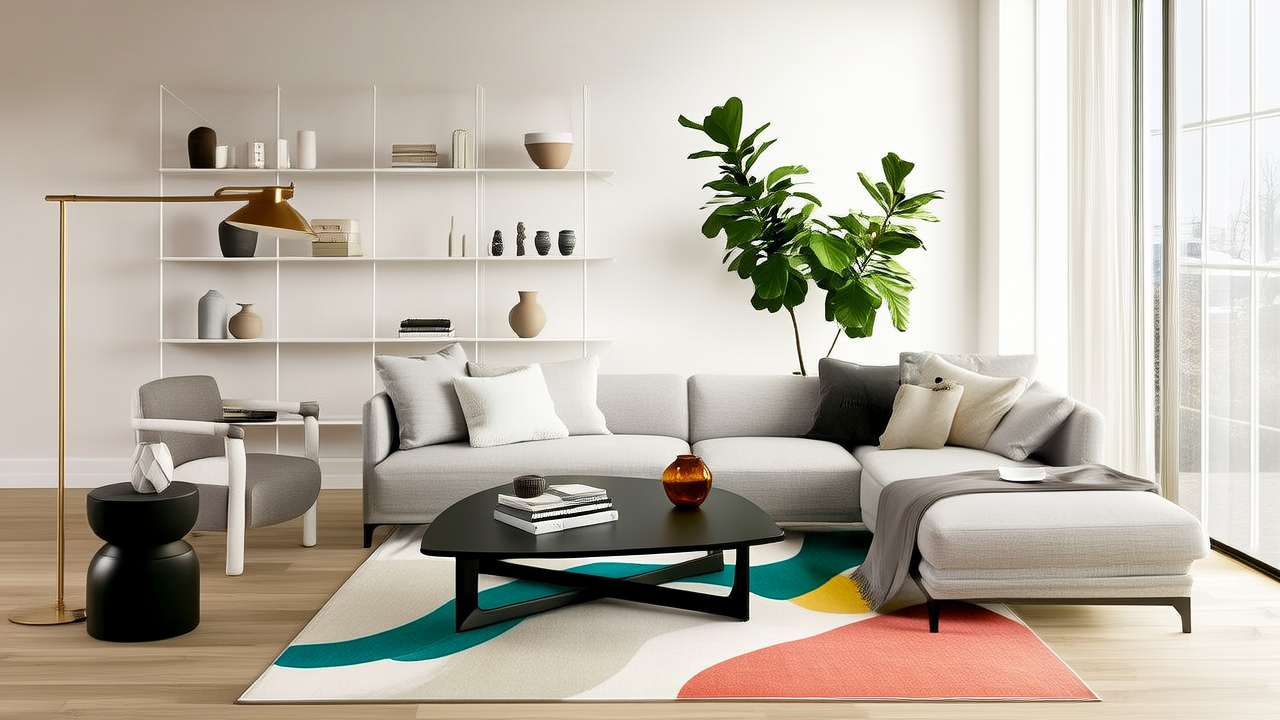
Best Outdoor Furniture for Comfortable Living
What Best Outdoor For Buying Means in a Living Rooms Context
Best outdoor for buying is not a search for one perfect chair. It is a decision about how an exterior area will serve as an extension of the home. A well-chosen outdoor living room should support conversation, dining, reading, naps, and hosting without demanding constant maintenance. The first hundred words matter: prioritize climate, footprint, traffic flow, storage, and material durability before brand or color. Measure the space, define a budget, then select pieces that can survive sun, rain, wind, and seasonal changes. The goal is comfort that feels intentional, not clutter that becomes a chore.
As a living rooms designer, I approach outdoor buying like interior buying: the pieces should create a sense of place. A patio, balcony, deck, or garden corner needs a clear purpose. Is it a morning coffee nook, a dining terrace, a lounge for long evenings, or a hybrid space? The answer changes the shopping list. A 10 by 12 foot patio can hold a 48 inch round dining table, two armless chairs, and a slim bench. A 14 by 20 foot deck can support an 8 foot sectional, a 40 by 28 inch coffee table, and a dining area for six. Buying well starts with restraint.
Start With Climate, Sun Exposure, and Storage
Outdoor furniture fails when the material is mismatched to the environment. Full sun fades cushions and warps softwoods. Coastal salt air corrodes cheap steel. Heavy rain breeds mold if cushions stay wet for days. Wind can turn a lightweight chair into a moving object. Before selecting a brand, assess the microclimate. A south-facing balcony in Arizona needs shade, UV-resistant fabrics, and heat-friendly frames. A Seattle patio needs quick-drainage cushions, covered storage, and mildew-resistant finishes. A Florida deck needs rust-proof hardware, fade-resistant textiles, and pieces that can be covered during storms.
Storage is the hidden factor that determines whether an outdoor room stays beautiful. If you can store furniture in a garage, shed, or covered porch, you can buy premium pieces with confidence. If not, choose weather-resistant materials and add protective covers. A 12 foot by 16 foot covered porch can keep a sectional and dining set dry, while an open backyard area needs hardwearing materials. I often tell clients to buy one cover before one decorative pillow, because protection extends the life of every item.
Material Choices That Hold Value
Wood, Metal, Wicker, Rope, and Plastic
Teak remains a gold standard because its natural oils resist rot and insects. Unfinished teak weathers to a silver gray in 6 to 12 months. If you prefer honey color, apply a teak sealer once or twice a year. Eucalyptus, acacia, and FSC certified pine are lower-cost options, but they need more protection. Aluminum is lightweight, rust-proof, and easy to powder coat in colors. Steel feels solid but must be properly coated; cheap steel shows rust at scratches. HDPE wicker is a synthetic resin wicker that handles sun better than rattan, though low-quality versions can become brittle. Rope styles, often paired with powder-coated aluminum, offer a clean modern look and good drainage.
Plastic has improved dramatically. Polywood and similar recycled HDPE lumber boards resist splintering, painting, and rotting, and many carry 20-year residential warranties. Keter plastic furniture can be excellent for small spaces because it is light and affordable, but premium plastic should feel stable and look intentional. For cushions, Sunbrella, Outdura, and similar acrylic fabrics are the benchmark. They resist fading and mildew, dry faster than cheap polyester, and can often be cleaned with a mild soap solution.
| Material | Best For | Realistic Expectation | Buying Note |
|---|---|---|---|
| Teak | Warm, humid, and coastal climates | 30 to 50 years with basic soap and water | Buy solid pieces, not veneer |
| Aluminum | Balconies, pools, modern patios | 15 to 25 years with powder-coat care | Check wall thickness and frame joints |
| HDPE Wicker | Family decks and casual lounges | 7 to 15 years in sunny regions | Avoid thin resin strands under 1 inch |
| Recycled Plastic | Pools, kid-heavy yards, low maintenance | 20 years or more | Choose UV-stabilized boards |
| Rope | Modern decks and light commercial use | 5 to 12 years | Ask for marine-grade polyester |
| Steel | Heavy dining and covered areas | 10 to 20 years if coated | Rust spots need quick touch-up |
Layout Rules for Outdoor Living Rooms
Good outdoor layout starts with walking paths. Keep 36 inches of clearance around major pieces, and at least 30 inches between a chair and a wall when space is tight. For dining, allow 24 inches of width per seated person. A 60 by 36 inch rectangular table seats four comfortably and six with short arms. A 72 by 36 inch table seats six well. For lounging, an L-shaped sectional should not block the view or create a dead corner. If the outdoor room is 10 by 14 feet, a 90 inch sectional, a 36 inch round coffee table, and a slim side table can feel generous without becoming crowded.
Anchor the space with a rug or a defined floor treatment. Outdoor rugs in polypropylene, such as many options from Rugs Direct, Wayfair, or Frontgate, help a patio feel like a room. For balconies, interlocking wood tiles or a 5 by 7 foot rug can make a concrete slab look warm. Add lighting at eye level and above: string lights with 6 foot spacing, 3 foot tall solar post lights, or a small LED lantern on a side table create usable evening ambiance without harsh glare.
- Place seating at a 36 to 44 inch distance for conversation without shouting.
- Use a 30 to 36 inch side table next to every lounge chair for drinks and books.
- Keep pathways clear: 42 inches if a grill or planter is near the route.
- Layer seating: two main chairs, one sofa, and two ottomans can serve eight guests.
- Reserve 20 percent of the floor area for circulation and planters.
What to Buy First, Second, and Third
Buy the anchor first. If the space is mainly for dining, start with the table and chairs. If it is mainly for relaxing, start with a sofa or sectional. If it is a small balcony, start with two bistro chairs and a 24 inch round table. Fermob Luxembourg bistro sets are a classic example: a 24.8 inch round table with two chairs can fit a 4 by 6 foot balcony while still feeling styled. Hay Palissade and Polywood Adirondack styles are strong choices when you want a recognizable design voice. For larger decks, Frontgate Harbor or Brown Jordan collections can provide modular seating, dining, and shading that coordinate well.
Buy the secondary layer second: cushions, side tables, storage, and shade. A 9 foot by 9 foot patio umbrella covers a 48 inch round table, while a 10 foot by 10 foot umbrella is better for a 60 inch table. Cantilever umbrellas, such as some Home Depot and Frontgate models, shift shade away from the table center. Storage benches can hold 60 to 120 liters of cushions, depending on size. I recommend buying cushions only after the frame is in place because fabric color and cushion depth must match the real footprint, not the catalog photo.
Cushions, Covers, and Small Accessories
Cushions should be quick-dry foam, not dense indoor foam. Quick-dry foam has open cells that let water pass through, while standard foam can hold moisture and grow mildew. Look for 3 to 5 inch seat cushions and 4 to 6 inch back cushions. Zippered covers in Sunbrella are easier to maintain than fixed covers. For pillows, use 18 by 18 inch or 20 by 20 inch outdoor pillows; larger pillows can look messy on slim frames. Add a 12 by 12 inch side tray for drinks, a 24 inch planter for greenery, and a small weather-rated speaker or lantern if the space is used at night.
Brand Examples That Match Different Budgets
At the entry level, Wayfair, Amazon Basics, and Home Depot offer aluminum chairs, HDPE wicker sets, and plastic storage that can work for seasonal use. I advise buyers to check frame gauge, joint hardware, and return policy. A 3 piece wicker set under 300 dollars may be fine for a covered porch, but it may not survive a full year of direct sun. At the mid-range, Polywood, Fermob, Keter, Brown Jordan, and Hay offer pieces that can last many years with proper care. A Polywood Adirondack chair often weighs around 70 pounds, making it stable in wind, while a Fermob aluminum chair may weigh under 15 pounds, making it easy to move on a balcony.
At the premium end, Frontgate, RH Outdoor, Restoration Hardware, and specialized brands like Gloster or Talenti provide larger modular systems, deep lounge seating, and refined materials. These pieces often use marine-grade fabrics, powder-coated aluminum, teak, and engineered drainage. The question is not whether they are beautiful; it is whether the space is used enough to justify the investment. For a family deck used daily in summer, premium furniture can be worth it. For a rarely used balcony, a well-chosen mid-range set with covers and cushions may deliver more comfort per dollar.
Scenario-Based Shopping Lists
- Small balcony: two lightweight aluminum chairs, a 24 inch round table, and one 5 by 7 foot rug.
- Family patio: a 60 by 36 inch HDPE table, six stackable chairs, a 9 foot umbrella, and a storage bench.
- Entertaining deck: a 10 foot sectional, two 40 by 20 inch coffee tables, four dining chairs, and a 10 foot cantilever shade sail.
- Poolside: four quick-dry lounge chairs, two side tables, a 6 foot by 6 foot umbrella, and non-slip mats.
Budget, Timing, and Value Signals
A realistic outdoor budget should include the frame, cushions, covers, storage, lighting, and maintenance supplies. For a small balcony, 500 to 1,200 dollars can create a functional space if you buy one quality table and two chairs. For a medium patio, 1,500 to 4,000 dollars can cover a dining set, sectional, rug, umbrella, and lighting. For a large deck or frequent hosting, 5,000 to 12,000 dollars can buy a modular sectional, dining set, shade, planters, and premium cushions. Prices vary by region, but the biggest mistake is spending on pieces that look good in photos and fail in real weather.
Timing matters. End-of-summer sales, fall clearance, and spring inventory drops can produce 20 to 40 percent discounts on floor models. However, the best value is not the lowest price. It is the lowest cost per season of reliable use. A 400 dollar chair that lasts one summer is expensive. A 700 dollar chair that lasts eight summers is a better deal. Check warranty terms carefully: many warranties cover structural defects but not fading, stains, or damage from leaves, bird droppings, or harsh cleaners.
A Practical Buying Checklist Before You Check Out
Use this checklist before buying outdoor pieces. First, measure the space and draw a simple floor plan on paper. Second, note sun, wind, rain, and salt exposure. Third, decide whether furniture will be stored, covered, or left out year-round. Fourth, choose materials that match the climate. Fifth, confirm door, elevator, stair, and gate clearances; a 96 inch sectional may not fit through a 32 inch side gate. Sixth, inspect the construction: powder-coated aluminum frames should have smooth welds, plastic lumber should be thick and UV-stabilized, and cushion covers should have zippers. Seventh, buy protective covers for at least the seating and dining surfaces. Eighth, test comfort in person when possible, because a chair that looks sleek may have a seat depth too shallow for adults.
Finally, remember that outdoor comfort is sensory. A good outdoor room has shade, texture, warmth, and a reason to linger. Use plants to soften edges, but do not let them block circulation. A 24 inch planter can define a corner; a 36 inch planter can screen a neighbor; a 12 inch pot can fill a side table. Choose colors that reflect the home interior: warm neutrals for classic spaces, charcoal or sage for modern patios, and navy or olive for casual coastal settings. The best outdoor for buying is not the most expensive collection. It is the collection that fits the space, survives the weather, and invites real life.
More Articles
 Living Room English Country Cottage Feel - The Decor Mag
 Best Display Cabinets for Living Rooms (2026)
 Living Room Japandi Style Guide - The Decor Mag
 Best Sofa Table Lengths for Sectionals - The Decor Mag
 Kid-Proof Living Room Furniture That Looks Chic
 Living Room Color Guide: Science-Backed Picks for 2026
 Living Room Serene Zen Space Ideas - The Decor Mag
 Best Pendant Lighting for Living Rooms - The Decor Mag
 Palette vs Paint: Color Systems vs Surface Finishes 2026
 Best Sconce Lighting for Living Room Walls - The Decor Mag