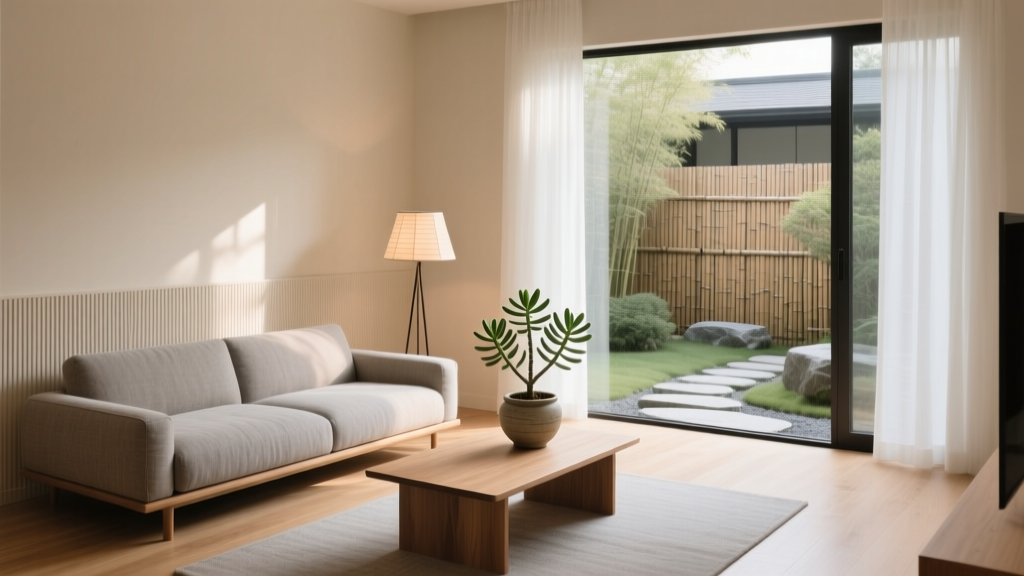
Living Room Serene Zen Space Ideas - The Decor Mag
A calm living room isn’t just a style choice—it’s a daily quality-of-life upgrade. When your main gathering space feels visually quiet and physically comfortable, it becomes easier to unwind after work, focus on conversations, and actually enjoy being at home. The best part: creating a serene Zen living room doesn’t require a full renovation or a designer budget.
Zen-inspired living room design blends timeless principles (balance, simplicity, natural materials) with current trends like warm minimalism, biophilic decor, and softer silhouettes. In this guide, you’ll learn how to build a restful foundation with color, light, and layout; choose furniture and materials that feel grounded; and add finishing touches that keep the space peaceful—not cluttered. You’ll also find practical measurements, budget ranges, real-life scenarios, and a list of common mistakes to avoid.
What Makes a Living Room Feel “Zen”?
A serene Zen living room isn’t necessarily sparse—it’s intentional. Think “less, but better”: fewer objects, more breathing room, and textures that invite you to slow down.
- Visual calm: a limited color palette, fewer competing patterns, and clear surfaces.
- Natural grounding: wood, linen, cotton, wool, jute, stone, and clay.
- Soft edges: rounded forms, gentle curves, and cozy textiles that reduce harsh lines.
- Functional flow: easy pathways, comfortable seating distances, and lighting that adapts from day to night.
Start with a Zen-Friendly Layout (Even in Small Rooms)
Layout is the fastest way to make a living room feel calmer. A thoughtful arrangement prevents visual noise and awkward circulation, especially for renters working with fixed features.
Key measurements for a relaxed, conversational layout
- Walkways: Aim for 30–36 inches for main pathways. In tight spaces, 24 inches can work if traffic is light.
- Distance between sofa and coffee table: 14–18 inches for comfortable reach.
- Rug sizing: A Zen room feels more “anchored” when furniture sits on the rug. Ideally, place the front legs of the sofa and chairs on the rug.
- TV viewing distance: Rough guide: 1.5–2.5× the TV’s diagonal size (a 55" TV often feels best at about 7–11 feet).
Two easy layout formulas
- The “Floating Conversation” setup: Float the sofa off the wall (even 4–8 inches helps), add two chairs opposite or angled, and keep a clear pathway behind seating.
- The “One-Anchor Wall” setup: Place the largest piece (sofa or media console) on one wall, then build a balanced triangle with a chair and a pouf or side chair, keeping the center visually open.
Real-world scenario: the 12' x 14' rental living room
In a typical apartment living room, a 72–84 inch sofa plus two armless accent chairs (or one chair and one ottoman) creates a calm seating zone without crowding. Use a 8' x 10' rug if possible; if not, a 6' x 9' can work with careful placement. Keep one wall “quiet” by limiting it to a single large art piece or a slim floor lamp—this makes the room feel bigger and more serene.
Choose a Quiet Color Palette (That Still Has Warmth)
Zen-style living room decor thrives on muted tones, layered neutrals, and subtle contrast. Current design trends favor warmer, more livable neutrals over icy grays—think oatmeal, sand, clay, and soft white.
Zen palette ideas
- Warm neutral base: creamy white, ivory, light greige, or pale beige.
- Nature-inspired accents: sage green, muted terracotta, charcoal, or deep taupe.
- Grounding dark: espresso wood, matte black details, or a single dark accent pillow.
Paint and finish guidance
- Sheen: Choose eggshell for walls (soft, wipeable, not too shiny). Use matte for ceilings to reduce glare.
- Accent wall: If you want one, choose a textural accent (limewash effect, wood slats, or grasscloth-look wallpaper) rather than a loud color shift.
Invest in Texture: The Secret Ingredient to Warm Minimalism
A common misconception: minimal decor means cold decor. Zen interiors are simple, but they’re rich in tactile comfort. Layering textures also helps renters create depth without construction.
Material recommendations for a serene living room
- Upholstery: linen, cotton-linen blends, performance fabric in a woven texture (great for kids/pets).
- Wood tones: light oak, ash, walnut, or bamboo for a natural, calming look.
- Rugs: wool (plush + durable), jute (textural + affordable), or wool-jute blends (best of both).
- Accent materials: ceramic, stone, travertine-look composites, matte metals, hand-thrown pottery.
Budget ranges (what to spend where)
- Area rug: $200–$600 (jute or synthetic), $600–$1,500 (wool), $1,500+ (hand-knotted).
- Sofa: $800–$1,800 (good value), $2,000–$4,500 (higher quality frames + better cushions).
- Lighting: $60–$200 per lamp (solid basics), $250–$800 for a statement floor lamp or pendant.
Lighting That Feels Like a Deep Breath
Lighting can make or break a serene Zen space. Overhead-only lighting is one of the biggest reasons living rooms feel harsh. The goal is a soft, layered glow that supports daytime clarity and nighttime calm.
A simple 3-layer lighting plan
- Ambient: ceiling fixture or soft flush mount for overall light.
- Task: reading lamp near seating (floor lamp or swing-arm wall lamp).
- Accent: a small table lamp, picture light, or subtle LED behind a console for depth.
Practical specs that help
- Bulb color temperature: 2700K for cozy warmth; 3000K if you prefer a slightly cleaner look.
- Brightness: Use dimmable bulbs whenever possible. For table/floor lamps, try 800–1,100 lumens depending on room size.
- Shades: linen or paper shades soften light and reduce glare—ideal for Zen living room vibes.
Product-style recommendations (easy wins)
- Paper lantern pendant (renter-friendly if your building allows fixture swaps) for soft diffusion.
- Matte ceramic table lamps with warm LED bulbs on side tables or a console.
- Plug-in dimmer for rentals—instant mood control without rewiring.
Zen Furniture Choices: Low, Grounded, and Comfortable
Zen-inspired living room furniture tends to sit a bit lower, with clean lines and forgiving comfort. You don’t need to buy a full matching set—actually, mixing pieces thoughtfully looks more timeless.
What to look for when shopping
- Sofa: a simple silhouette, tight back or clean cushions, and a durable fabric in a neutral tone.
- Coffee table: rounded corners or an oval shape to soften traffic flow; consider wood, travertine-look, or a woven ottoman tray setup.
- Seating add-ons: a bouclé or textured chair, a floor cushion, or a compact ottoman that can move around easily.
Step-by-step: create a grounded seating zone
- Place your rug first (or tape out the rug size with painter’s tape).
- Position the sofa so it faces the “focus” (window view, art wall, or TV), keeping at least 30 inches for walkways.
- Add one chair at a diagonal angle to reduce “boxy” symmetry.
- Finish with a low coffee table or a large ottoman with a tray for tea, books, or candles.
Bring Nature In: Biophilic Zen Decor That’s Easy to Maintain
Biophilic design—bringing nature indoors—is a major trend because it’s not just beautiful; it genuinely supports wellbeing. Plants and natural forms add life to a minimalist space without adding clutter.
Best living room plants for a calm look
- Low-light tolerant: snake plant, ZZ plant, pothos.
- Statement greenery: fiddle leaf fig (bright light), rubber plant, dracaena.
- Sculptural tabletop: bonsai-style ficus (if you enjoy care routines) or a simple orchid for elegance.
Styling tip: use the “rule of three”
Group decor in threes to keep it intentional: for example, one plant, one ceramic vessel, and one stack of books. This reads curated rather than crowded.
Declutter Without Making Your Living Room Feel Empty
A Zen living room doesn’t mean you have to hide your personality—it means giving your favorite pieces space to breathe. The most serene rooms typically have excellent storage and fewer “floating” items.
Renter-friendly storage ideas
- Closed storage console: hides cords, remotes, and gaming accessories.
- Baskets with lids: for throws, toys, and chargers (choose seagrass, rattan, or felt).
- Storage ottoman: doubles as seating and keeps the room tidy.
- Wall-mounted shelves: one slim shelf is often calmer than multiple small frames.
A quick “reset routine” that works
- Clear the coffee table completely.
- Put back only 3–5 items: a tray, one book, one small plant or vase, and a candle.
- Do a cord check: bundle cords and hide power strips behind a console.
Soft Finishes: Curtains, Rugs, and Sound-Soothing Textiles
Serenity isn’t only visual—sound matters too. Textiles absorb echo and make a living room feel instantly more relaxing.
Curtain guidelines for a taller, calmer room
- Hang high: place the rod 4–8 inches above the window frame (or closer to the ceiling for extra height).
- Hang wide: extend the rod 6–12 inches beyond each side of the window so panels stack neatly.
- Choose breathable fabrics: linen or linen blends for soft light diffusion.
Rug and cushion tips
- Rug texture: wool loop pile or low-pile wool for a quiet, luxe base.
- Pillow inserts: feather-down alternative for a soft “karate-chop” look without allergens.
- Throw blanket: chunky cotton knit or brushed wool in a solid neutral for instant warmth.
Art and Decor: Calm, Meaningful, and Not Too Much
Zen decor works best when pieces feel personal and pared back. One large artwork can be more soothing than a busy gallery wall—though a gallery can still feel calm if it’s cohesive.
Wall art that supports a serene vibe
- Large-scale abstract in soft neutrals or ink-wash style prints.
- Textile art like a woven wall hanging for texture.
- Nature photography with muted tones (foggy landscapes, dunes, trees).
How to size art properly
- Over a sofa, aim for art that’s about 2/3 the width of the sofa.
- Hang the center of the piece around 57–60 inches from the floor (adjust slightly for very tall ceilings).
Common Mistakes to Avoid
- Going “too minimal” too fast: A bare room can feel cold. Add texture (rug, curtains, throws) before removing decor.
- Using only overhead lighting: It creates glare and flattens the room. Add at least two lamps.
- Choosing the wrong rug size: A rug that’s too small makes the space feel choppy. Size up when possible.
- Cluttered surfaces: Busy coffee tables and packed shelves break the calm. Edit to a few purposeful items.
- Ignoring comfort: Zen isn’t just visual—if seating is stiff or layouts are awkward, the room won’t feel restful.
FAQ: Living Room Serene Zen Space Ideas
How can I make my living room look Zen on a tight budget?
Focus on high-impact basics: declutter surfaces, add a warm white bulb (2700K), use a textured throw, and introduce one large plant or branch arrangement. A jute rug and linen-look curtains can also change the mood without major spending. Budget-friendly refreshes often land in the $100–$400 range.
What colors work best for a Zen living room?
Soft neutrals (ivory, sand, oatmeal, warm greige) paired with nature tones like sage, clay, or charcoal. Keep contrast gentle and repeat tones across textiles for a cohesive, calming look.
Can a Zen living room still have a TV?
Absolutely. Choose a simple media console with closed storage, manage cords, and balance the TV wall with one calming element—like a tall plant, a ceramic lamp, or a single large artwork nearby (not competing behind the screen).
What’s the best rug material for a serene living room?
Wool is a top choice for softness and durability. Jute is more budget-friendly and adds organic texture, though it can feel rougher underfoot. If you want both comfort and texture, consider a wool-jute blend.
How do I make a small living room feel calmer and bigger?
Use a limited palette, choose fewer but larger decor pieces (one big art piece instead of many small frames), hang curtains high, and keep walkways clear. A correctly sized rug and concealed storage make a small living room feel more open and Zen.
Your Next Steps: A Simple Zen Living Room Checklist
If you want a clear plan, start here—these steps work for both homeowners and renters:
- Edit the room: Clear the coffee table and remove anything that doesn’t belong in the living room.
- Upgrade lighting: Add two warm lamps (2700K) and use a dimmer if possible.
- Anchor with a rug: Choose the largest size your space can handle and place furniture legs on it.
- Layer textiles: Linen-look curtains, one cozy throw, and 2–4 pillows in similar tones.
- Add one natural focal point: A plant, a branch arrangement, or a stone/ceramic decor piece.
A serene Zen living room is built from small, thoughtful decisions that add up to a space that feels quieter every day. For more living room design and decor inspiration—from layout help to trend-forward styling—explore more ideas on thedecormag.com.
More Articles
 Best Console Table Depth for Behind Sofa - The Decor Mag
 Bedroom FAQ: Science-Backed Design Advice
 Designing a Workspace That Fuels Creativity
 How to Layer Lighting in a Living Room - The Decor Mag
 Elegant Traditional Living Room Ideas - The Decor Mag
 The Living Room Rug Size Guide: Stop Guessing, Start Styling
 Rug Size for Living Room: How to Choose (2026)
 Best Hidden Storage for Living Rooms (2026)
 Stylish Nightstands Under $150 – 2026 Picks
 Living Room Global Bazaar Style - The Decor Mag