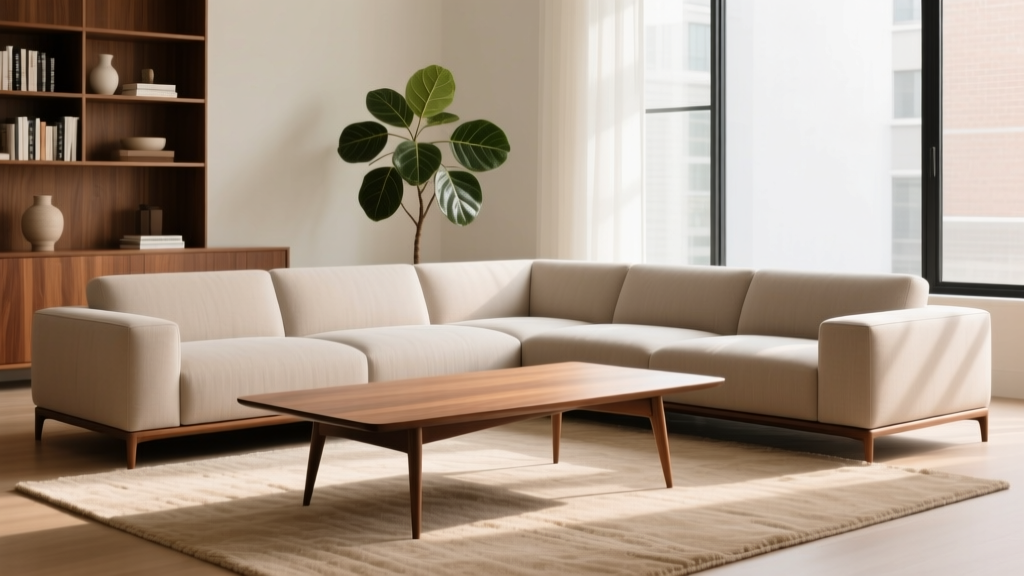
Best Sofa Table Lengths for Sectionals - The Decor Mag
A sectional can be the hardest-working piece in your living room: it anchors the seating plan, defines the traffic flow, and often doubles as the “everyone pile in here” spot for movie nights, guests, and lazy Sundays. But once a sectional is in place, many rooms feel unfinished—especially from behind. That’s where a sofa table (also called a console table) earns its keep.
The right sofa table length for a sectional does more than fill a gap. It creates a polished sightline, adds everyday function (lighting, charging, drop zone storage), and helps your living room feel intentionally designed rather than “furniture pushed against furniture.” This guide breaks down the best sofa table lengths for sectionals, how to measure, what to buy, and how to style it—whether you’re working with a compact apartment sectional or a sprawling L-shaped setup.
Why Sofa Table Length Matters with Sectionals
A sofa table is one of the easiest living room upgrades because it solves multiple design problems at once:
- It balances proportions: A sectional’s long back can look like a blank wall. A well-sized table adds structure.
- It improves function: You get a spot for lamps, drinks, remotes, books, and baskets—without crowding the seating area.
- It boosts flow: A slim console defines walkways behind a sectional in open-plan spaces.
- It adds a designer layer: Styling a sofa table is a fast way to introduce texture, height, and trend-forward decor.
Length is the make-or-break factor. Too short and it feels lost. Too long and it crowds the room or looks like a mismatch. The goal is a “tailored fit” that complements your sectional’s shape and how your household actually uses the space.
The Ideal Sofa Table Length for a Sectional (Quick Rules)
Rule of thumb: 2/3 to 3/4 of the sofa-back length
For most living room layouts, the best sofa table length is about 66% to 75% of the length of the sectional section it sits behind.
- Best overall range: 2/3 to 3/4 the length of the sofa back
- More modern, airy look: closer to 2/3
- More built-in, tailored look: closer to 3/4
Leave breathing room at the ends
A sofa table typically looks best when it’s 3–6 inches shorter on each end than the back it’s pairing with (or the segment you’re addressing). This slight inset reads intentional and keeps corners from feeling crowded—especially near chaises and section breaks.
Match the table’s “visual weight” to the sectional
Length is only one part of the equation. A chunky, thick-topped table looks longer (and heavier) than a slim metal-frame console of the same size. If your sectional is oversized or deep, you can handle a slightly longer or thicker table; if your sectional is sleek and low, a lighter console looks more cohesive.
How to Measure Your Sectional for the Perfect Sofa Table
Grab a tape measure and take these three measurements before you shop. This saves you from the most common mistake: buying a console that “should fit” but doesn’t work with your sectional’s real-world dimensions.
Step-by-step measuring
- Measure the back length you want to serve.
- If the sectional is against a wall, measure the back of the main sofa section.
- If it floats in the room, decide whether the table will sit behind the long back only or wrap part of the return.
- Measure clearance behind the sectional. Aim for:
- 14–18 inches minimum for a narrow pass-through
- 24–36 inches for a comfortable walkway in open-plan spaces
- Measure height from the floor to the top of the sectional back. Most sofa tables look best when they’re:
- 1–2 inches lower than the sofa back (clean, safe, and comfortable)
- Or level with the sofa back if you want a continuous line and plan to use lamps
Common sizing companions (depth + height)
- Depth (front-to-back): 10–14 inches for tight spaces; 14–18 inches for more surface area
- Height: 28–34 inches typically works with most sectionals
Best Sofa Table Lengths by Sectional Type
1) Standard L-shaped sectional (most common)
Many L-shaped sectionals have a long “main” back and a shorter return. Most homeowners place a sofa table behind the long back only.
- If your long back is 90 inches: choose a 60–70 inch sofa table
- If your long back is 110 inches: choose a 72–84 inch sofa table
Real-world scenario: In a condo living room where the sectional floats to separate the living area from the dining space, a 72-inch slim console behind a 108-inch back creates a clean “room divider” effect. Add two lamps and a low tray for keys and mail so the console functions like an entry landing zone, too.
2) Sectional with chaise (one extended side)
A chaise often changes where the “visual center” of the sectional sits. If your chaise is on the end, avoid extending the console too far toward it—this is where crowding happens.
- Best approach: size the console to the main sofa portion only, not the chaise length
- Typical lengths that work well: 54–72 inches
Styling tip: Place a tall lamp or statement vase toward the end opposite the chaise to visually counterbalance the chaise’s mass.
3) U-shaped sectional (or pit-style seating)
With U-shaped sectionals, you’re usually working with a wide back that’s meant to be seen. Here, a longer sofa table can look custom and architectural—especially in large living rooms.
- Target length: 72–96 inches for many U-shaped backs
- If the back is extra long (120–140 inches): consider two matching 60-inch consoles placed side-by-side for a flexible, modular look
Real-world scenario: In a family room with a U-shaped sectional facing a media wall, two 60-inch consoles behind the back provide zones: one with baskets for toys and throws, the other with framed photos and a lamp for softer ambiance during movie nights.
4) Modular sectional (moveable pieces)
Modular sectionals are trending because they adapt to life changes—new apartments, new roommates, new layouts. For these, choose a sofa table that can flex, too.
- Best lengths: 48–72 inches
- Smart option: nested consoles or a pair of narrower tables (like two 36-inch pieces) you can reposition
Design trend tie-in: Light wood, soft black finishes, and “quiet luxury” silhouettes (rounded edges, slim profiles, quality materials) pair beautifully with modular upholstery in performance fabrics.
Choosing Length When Your Sectional Floats in the Room
If your sectional sits away from the wall, the sofa table becomes a key player in open-concept living room design. Your goal is to support flow while creating a deliberate boundary.
Use these clearance guidelines
- Minimum pass-through behind table: 14–18 inches (tight but workable)
- Comfortable walkway: 24–30 inches
- Main traffic path: 36 inches if people frequently pass through
Pick length based on the “view angle”
Ask: where do you see the back of the sectional most often? From the entry? From the kitchen? From the dining space?
- High visibility: choose a longer table (closer to 3/4 rule) for a finished, built-in feel
- Lower visibility or tighter space: choose a shorter table (2/3 rule) and focus on height + styling
Material Recommendations (What Looks Best and Lasts)
The best sofa tables for sectionals stand up to daily life—keys dropped, drinks set down, kids running by—while enhancing your overall living room decor.
Top materials by lifestyle
- Solid wood (oak, walnut, ash): timeless, warm, sturdy; great for traditional, transitional, and modern organic spaces
- Wood veneer: budget-friendly and stylish; look for thicker veneer and quality edge banding
- Metal frame + wood top: lighter visual weight; great for small spaces and modern interiors
- Stone or faux stone top: elevated look; choose rounded corners for safety and comfort behind seating
- Glass: airy but higher maintenance; best for low-traffic zones and minimal styling
Finish tips that feel current (and won’t date quickly)
- Warm neutrals: light oak, walnut, and soft black remain strong, versatile choices
- Mixed materials: wood + aged brass accents for a refined, layered look
- Rounded edges: a major trend that also helps with tight walkways and kid-friendly homes
Product Recommendations by Length and Budget
These ranges reflect typical pricing for well-made sofa tables in popular sizes. Costs vary by material, brand, and whether you choose solid wood vs. veneer.
48–54 inches (small spaces, apartments, compact sectionals)
- Best for: sectionals with 72–84 inch backs, or behind a loveseat portion of an L-shape
- Look for: slim depth (10–12 inches), open lower shelf
- Budget ranges:
- Budget: $120–$250 (metal + engineered wood)
- Mid-range: $250–$600 (better hardware, thicker tops, improved stability)
- Investment: $600–$1,200 (solid wood, artisan finishes)
60–72 inches (most versatile for L-shaped sectionals)
- Best for: 90–110 inch backs
- Look for: center support leg (prevents sag), soft-close drawers if you want hidden storage
- Budget ranges:
- Budget: $180–$350
- Mid-range: $350–$900
- Investment: $900–$2,000
84–96 inches (large rooms, U-shaped sectionals, statement consoles)
- Best for: large open-plan living rooms and long floating sectionals
- Look for: two or three base supports, durable top finish, cable management if adding lamps
- Budget ranges:
- Budget: $300–$650
- Mid-range: $650–$1,500
- Investment: $1,500–$3,500+
Styling a Sofa Table Behind a Sectional (Easy Formula)
A sofa table is prime real estate for living room styling. The most timeless approach uses varied height, intentional negative space, and practical pieces you’ll actually use.
A simple 3-step styling plan
- Anchor with lighting: two matching table lamps for symmetry, or one lamp plus a tall vase for asymmetry.
- Add a functional “catch-all” zone: a tray for remotes/coasters, or a lidded box for clutter control.
- Layer decor with texture: stacked books, a ceramic bowl, a sculptural object, or a small plant.
Proportions that look designer-approved
- Lamp height: aim for 24–32 inches for most consoles; shade should not block TV sightlines if the sofa faces a media wall
- Artwork above: if hanging art, keep it about 6–8 inches above the table surface
- Use baskets below: great for throws, kids’ toys, or board games—especially in family living rooms
Common Mistakes to Avoid
- Buying a table that’s too tall: If it towers above the sectional back, it looks awkward and can feel unsafe. Aim for 1–2 inches lower than the back.
- Going too deep in a walkway: A 16–18 inch deep console can choke circulation in narrow rooms. In tight layouts, stick to 10–12 inches depth.
- Choosing a table that’s too short: A tiny console behind a long sectional reads like an afterthought. Use the 2/3 to 3/4 rule.
- Ignoring support for long spans: Consoles over 72 inches often need a center leg to prevent bowing, especially with stone tops or heavy decor.
- Overstyling: If every inch is filled, it becomes visual noise. Leave open space so the arrangement feels calm and elevated.
Real-World Length Cheat Sheet (Copy-and-Save)
Use this as a starting point, then adjust for your room size and the console’s visual weight.
- Sectional back 72 inches: sofa table 48–54 inches
- Sectional back 84 inches: sofa table 54–63 inches
- Sectional back 96 inches: sofa table 60–72 inches
- Sectional back 108 inches: sofa table 72–81 inches
- Sectional back 120 inches: sofa table 80–90 inches (or two 48–60 inch tables)
FAQ: Sofa Table Lengths for Sectionals
How long should a sofa table be behind a sectional?
For the most balanced look, choose a sofa table that’s about 2/3 to 3/4 the length of the sectional back you’re placing it behind. This keeps the table proportional without overwhelming the seating.
Should a sofa table be the same length as the sectional?
Usually, no. A table the exact same length can feel bulky and can create awkward end collisions near chaises or return sections. Leaving 3–6 inches on each side looks more intentional and improves flow.
What if I can’t find the perfect length?
Choose slightly shorter rather than too long, or use two smaller console tables side-by-side. This is especially helpful for very long sectionals or modular layouts.
What’s the best depth for a sofa table behind a sectional?
Most rooms do well with 10–14 inches deep. If you have plenty of space and want more surface area for lamps and decor, 14–18 inches works—just confirm you still have comfortable walkway clearance.
Can I use a sofa table if my sectional is against the wall?
Yes, if there’s space. A low-profile console can add storage and style, but ensure you can still access outlets and that the table doesn’t make the seating feel cramped. In many cases, a narrow picture ledge shelf (6–8 inches deep) can give a similar effect in tighter rooms.
What’s the best height for a sofa table behind a sectional?
Aim for a height that’s 1–2 inches lower than the sectional back or roughly level with it. This keeps the look streamlined and prevents the table from visually “looming” over the seating.
Next Steps: Find Your Best-Fit Length and Make It Feel Finished
Start by measuring the back length you want to address, then choose a sofa table length in that 2/3 to 3/4 sweet spot. If your sectional floats, confirm you’ll still have comfortable traffic flow. Finally, pick a material and finish that matches your lifestyle—solid wood for warmth and longevity, metal-and-wood for a lighter modern look, and rounded edges if you’re working with tight walkways or a family-friendly space.
If you’d like more ideas for living room layouts, sectional styling, and console table decor, explore more design inspiration on thedecormag.com.
More Articles
 Best Accent Wall Treatments Under $500 - The Decor Mag
 Living Room Relaxed Sophistication Guide - The Decor Mag
 Smart Function Storage Ideas for Real Living Spaces
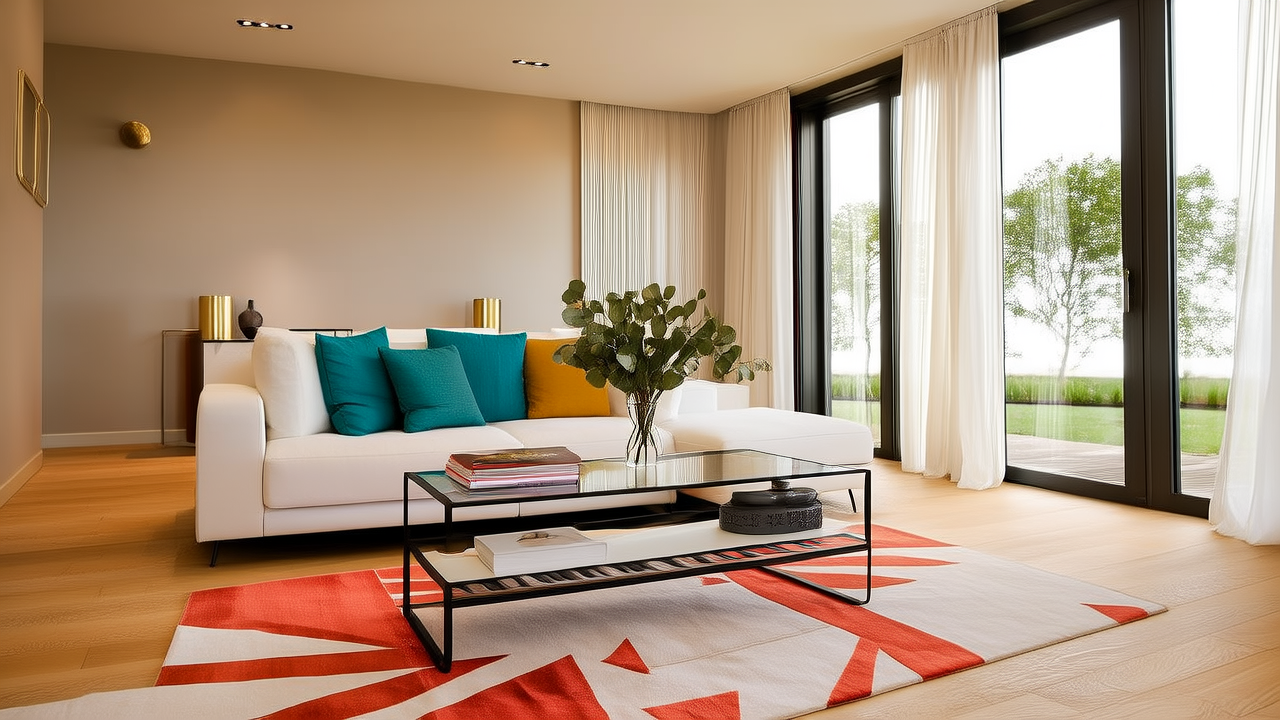 Pet-Proof Sofa Choices for Stylish Homes
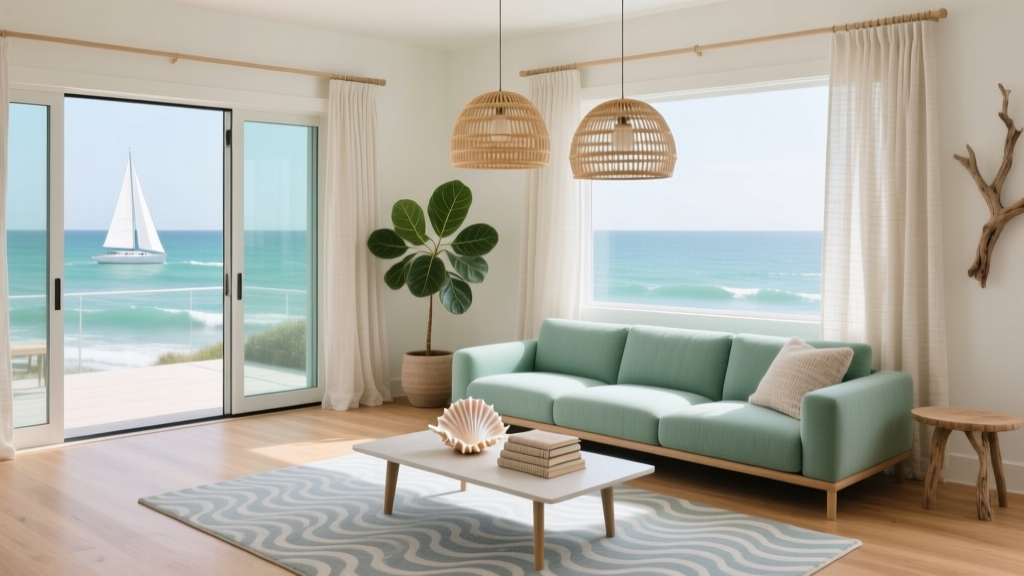 Coastal Living Room Decor Inspiration - The Decor Mag
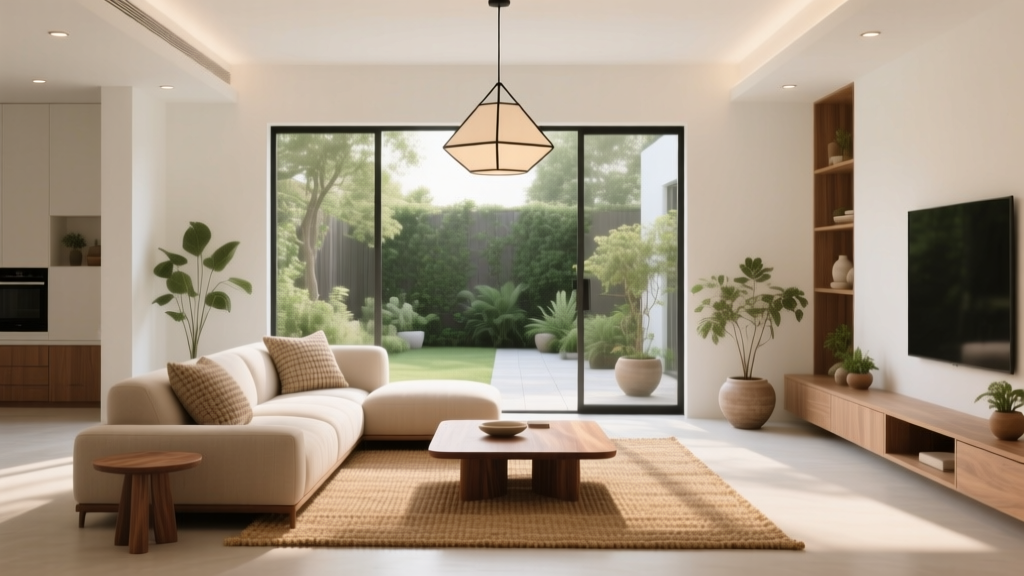 Living Room Elevated Casual Design - The Decor Mag
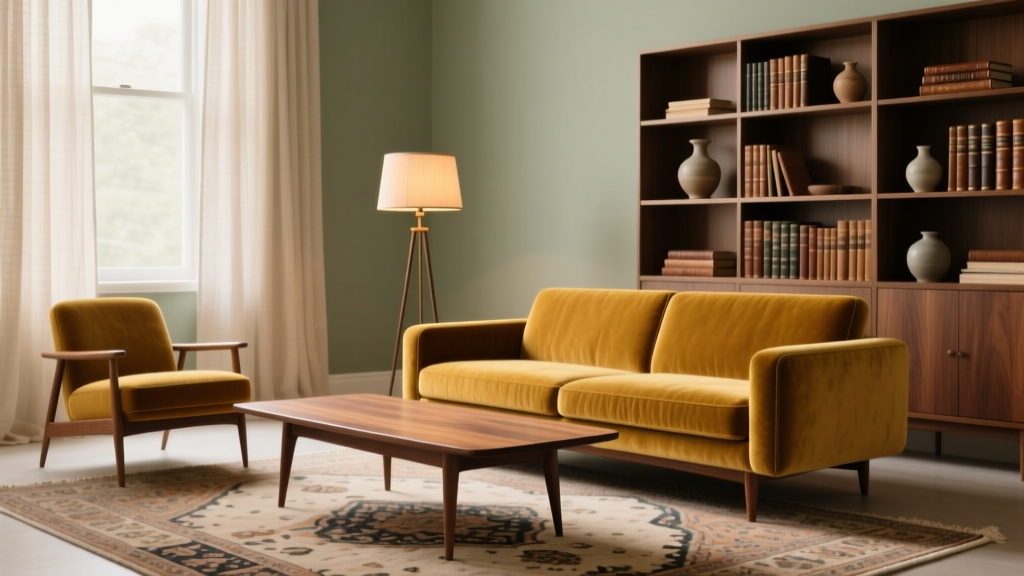 Living Room Vintage Decor Finds - The Decor Mag
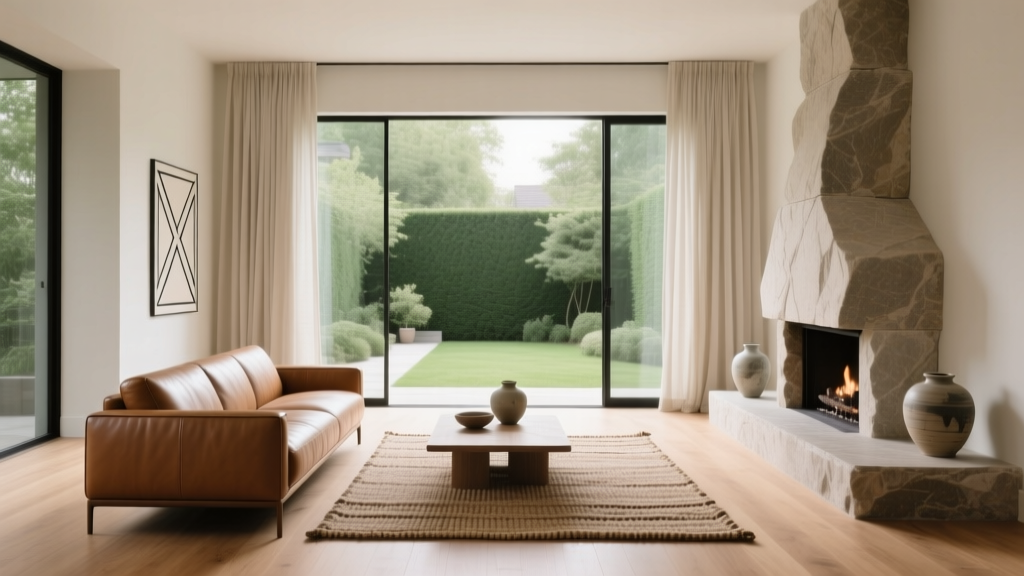 Living Room Timeless Design Elements - The Decor Mag
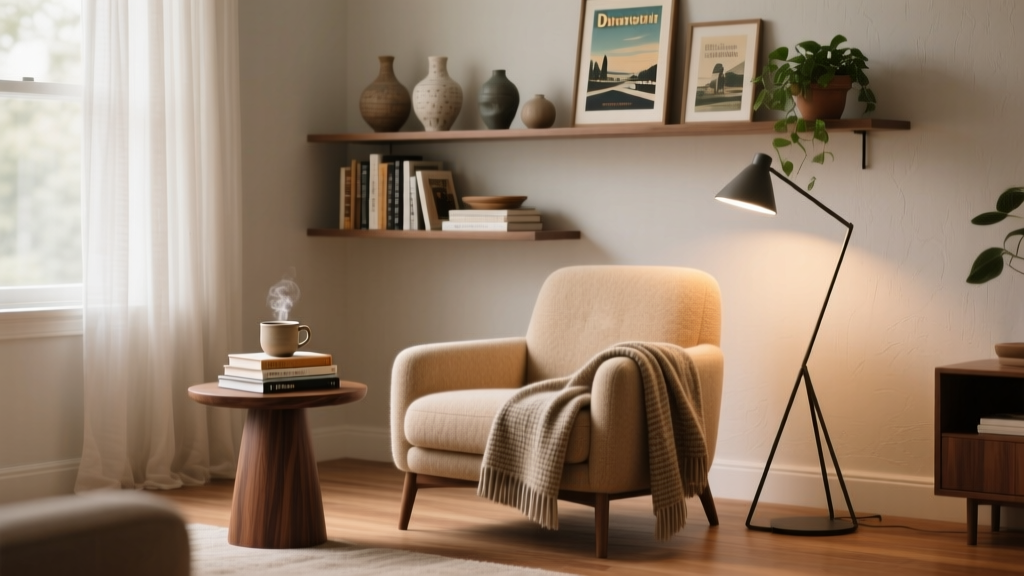 Living Room Cozy Reading Corner Inspiration - The Decor Mag
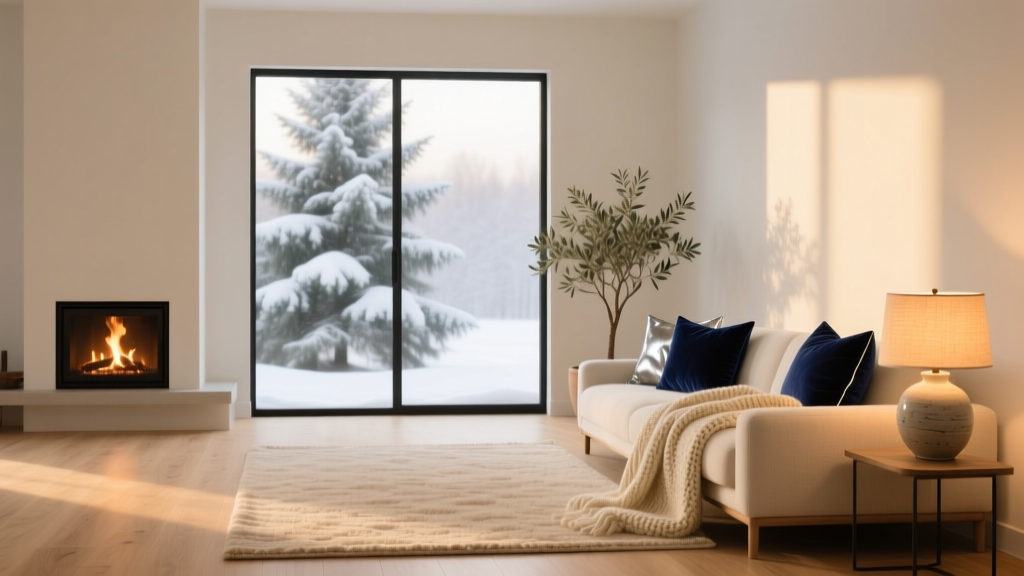 How to Create a Cozy Winter Living Room - The Decor Mag