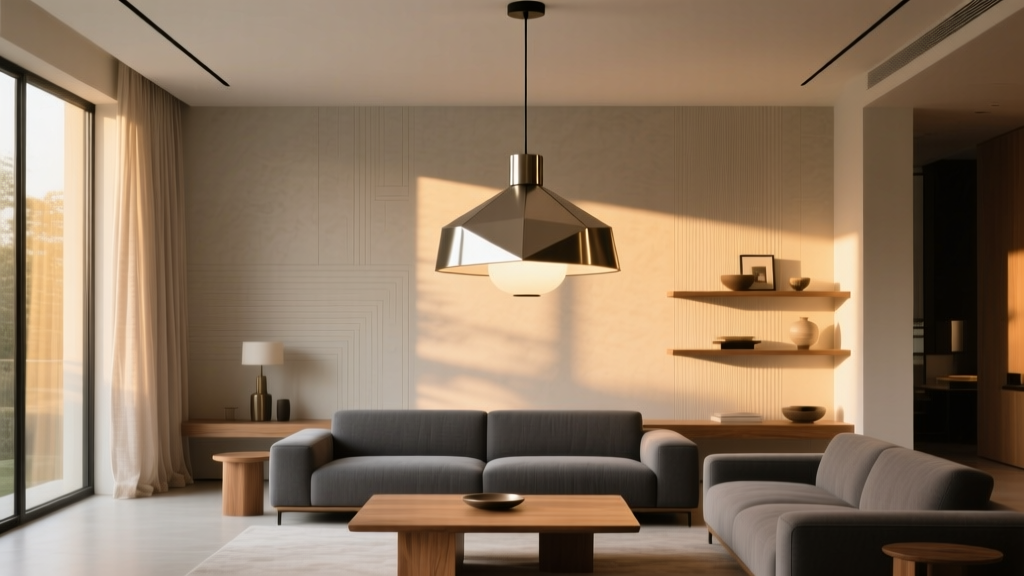
Best Pendant Lighting for Living Rooms - The Decor Mag
Pendant lighting can be the difference between a living room that feels “fine” and one that feels finished. The right pendant doesn’t just brighten the space—it sets the mood, highlights your layout, and gives the room a focal point that feels intentional. Whether you’re decorating a small apartment living room or updating a spacious open-plan family room, a well-chosen pendant can instantly elevate the look.
This guide breaks down how to choose the best pendant lighting for living rooms based on ceiling height, room size, furniture placement, and your preferred style—from modern globe pendants to warm woven shades and statement sculptural fixtures. You’ll also get practical measurement rules, product-style recommendations across budgets, real-world scenarios, and the most common mistakes people make (so you can avoid them).
Why Pendant Lighting Works So Well in Living Rooms
Living rooms need flexible lighting. You might want bright, clear light for cleaning or games, softer light for movie night, and a warm glow when you’re entertaining. Pendant lights are ideal because they bring light closer to where you live—over seating areas, coffee tables, or reading corners—while also adding vertical dimension.
- Defines zones: Especially useful in open-concept spaces or studio apartments.
- Adds visual height: Draws the eye upward and balances low furniture.
- Creates a style moment: A pendant can be functional art.
- Improves layered lighting: Works with floor lamps, wall sconces, and recessed lights for a well-designed plan.
How to Choose the Right Pendant Light: A Practical Checklist
1) Size It Correctly (So It Doesn’t Look Lost or Overwhelming)
Most living rooms look best with a pendant that feels proportional to the seating area—rather than the entire room. Use these designer-friendly guidelines:
- Quick diameter rule: Add the room’s length + width (in feet), then convert to inches for an approximate fixture diameter. Example: 12 ft + 14 ft = 26 → about a 26-inch pendant.
- Over a coffee table: Aim for a pendant that’s about 1/2 to 2/3 the width of the coffee table.
- Multiple pendants: Two smaller pendants can look better than one oversized fixture in long or wide seating areas.
2) Hang It at the Right Height
Height is where most living room pendant lighting goes wrong. You want enough clearance to keep sightlines open and avoid head bumps, while still bringing light down into the seating zone.
- Standard clearance: Bottom of pendant 7 feet (84 inches) from the floor is a safe baseline for walkways.
- Over a coffee table: Bottom of pendant typically 30–36 inches above the tabletop (adjust higher if people frequently walk through the area).
- Ceilings 9–10 feet: You can generally hang the pendant slightly lower for a cozier feel—just protect sightlines across the room.
- Vaulted ceilings: A longer drop often looks best; use a fixture with a substantial silhouette to avoid it floating awkwardly.
3) Choose the Right Light Output (Lumens + Bulb Type)
For living room lighting design, think in layers: ambient (overall glow), task (reading, games), and accent (art, shelves). Pendant lights typically act as ambient or decorative accent, depending on shade type.
- Recommended brightness: For a typical living room, aim for roughly 1,500–3,000 lumens total across all fixtures and lamps, depending on room size and natural light.
- Bulb temperature: 2700K (warm white) is the go-to for cozy living rooms; 3000K is a touch crisper and works well in modern spaces.
- Use dimmers: A dimmer switch is one of the highest-impact upgrades you can make—especially for pendant lighting in living rooms.
4) Pick a Shade Material That Matches Your Lighting Goals
The shade determines glare, shadow pattern, and overall mood.
- Opal glass / frosted glass: Soft, even light; great for modern and mid-century spaces.
- Clear glass: Brighter and more sparkly, but can cause glare; best with decorative bulbs and dimmers.
- Metal (opaque): Directs light downward; excellent for a cozy reading corner or over a coffee table.
- Fabric: Warm and diffused; ideal for traditional, transitional, and cozy contemporary living rooms.
- Rattan, cane, woven natural fibers: Trend-forward and textural; casts beautiful shadows, but light output is typically lower.
- Ceramic / plaster: Sculptural and timeless; a big trend in soft modern and organic modern interiors.
Best Pendant Lighting Styles for Living Rooms (With Where They Work Best)
Globe Pendants (Timeless + Versatile)
Globe pendants—especially opal glass—work in nearly any living room design style, from Scandinavian to mid-century modern. They provide a clean shape that doesn’t compete with art or patterned rugs.
- Best for: Small living rooms, low ceilings, minimalist spaces
- Try this look: One 16–24 inch opal globe centered over the coffee table with warm LED bulbs
- Budget range: $80–$400 for quality options; designer versions can go higher
Drum Shade Pendants (Soft, Cozy, Living-Room Friendly)
A drum pendant feels familiar and homey—perfect if you want your living room to feel like a true retreat. Fabric drum shades also reduce glare, which makes them great for TV rooms.
- Best for: Traditional, transitional, and “cozy modern” living rooms
- Materials to look for: Linen or cotton blends; avoid overly shiny synthetics if you want a high-end look
- Budget range: $120–$600
Sculptural Plaster or Ceramic Pendants (Current Trend, Timeless Feel)
Organic modern living rooms are everywhere right now: warm neutrals, curved furniture, textured walls, and natural materials. Plaster and ceramic pendants fit beautifully—especially in matte white, sand, or taupe finishes.
- Best for: Organic modern, contemporary, Mediterranean-inspired interiors
- Pro tip: Pair with warm metals (aged brass) or natural wood accents to keep it from feeling stark
- Budget range: $200–$1,200
Linear Multi-Light Pendants (Great for Large Seating Areas)
If your living room is wide or you have a long sectional, a linear pendant (or a bar-style multi-light fixture) can balance the room better than one centered pendant.
- Best for: Open-plan living rooms, large sectionals, homes with 9–12 ft ceilings
- Placement tip: Align it with the coffee table or the main seating axis, not necessarily the room’s center
- Budget range: $250–$1,500
Woven Rattan or Cane Pendants (Texture + Warmth)
Woven pendants add instant softness and a relaxed, layered look. They’re especially popular in coastal living rooms, boho spaces, and modern farmhouses.
- Best for: Renters wanting high impact; neutral rooms that need texture
- Light tip: Add extra floor and table lamps—woven shades typically don’t provide strong ambient light
- Budget range: $70–$500
Room-by-Room Scenarios: Choosing Pendant Lighting That Actually Fits Real Life
Scenario 1: Small Apartment Living Room (No Overhead Wiring Woes)
You’re renting, your living room is 10' x 12', and the only ceiling box is off-center. A large statement pendant might draw attention to the mismatch.
- Best choice: A 14–18 inch semi-flush pendant or compact globe pendant
- Layout trick: Center the pendant over the coffee table by using a swag hook (landlord-permitting) or choosing a fixture with a canopy that can offset slightly
- Finish recommendation: Matte black or aged brass to look intentional and modern
Scenario 2: Family Living Room With a TV (Glare Control Matters)
If your pendant throws harsh light across the TV, you’ll notice it every night. This is where shade choice and dimming matter more than style alone.
- Best choice: Fabric drum pendant or frosted glass pendant with a dimmer
- Placement tip: Keep the pendant closer to the seating zone rather than directly in front of the TV wall
- Bulb tip: Use 2700K dimmable LEDs; avoid ultra-bright clear bulbs
Scenario 3: Open-Concept Living/Dining (Define the Living Zone)
Open layouts often feel visually “floaty” unless you anchor each zone. Pendant lighting is one of the cleanest ways to do it without adding walls.
- Best choice: A sculptural pendant over the living room seating area + a separate fixture over the dining table
- Coordination tip: Match the metal finish (e.g., both aged brass) but vary shape to keep it interesting
- Scale tip: Choose a living room pendant that’s slightly larger than the dining fixture if the living area is bigger
Step-by-Step: How to Plan Pendant Lighting Like a Designer
- Map your zones: seating/coffee table, reading corner, entry side of the room, media wall.
- Decide what the pendant should do: statement piece, ambient glow, or targeted light.
- Measure ceiling height and clearances: aim for 84 inches minimum to the bottom of the pendant in walkways.
- Select bulb temperature: choose 2700K for warmth; 3000K for a clean modern look.
- Add a dimmer: if you do only one upgrade, do this.
- Layer in supporting lights: at least one floor lamp and one table lamp for a balanced living room lighting plan.
Product Recommendation Guide (What to Look For at Different Budgets)
Rather than pushing one “best” product for every home, use these shopping filters to find the best pendant lighting for your living room style and budget.
Under $150 (Best for Renters and Quick Refreshes)
- Styles that look expensive on a budget: simple globe pendants, matte metal dome pendants, basic woven rattan
- What to prioritize: a clean silhouette and a quality finish (matte > shiny)
- Watch for: short cord length—make sure it works for your ceiling height
$150–$500 (The Sweet Spot for Quality + Style)
- Best buys: linen drum shades, opal glass globes, multi-light clusters with good proportions
- What to prioritize: heavier materials, better diffusers, smooth canopy hardware
- Upgrade tip: choose a fixture that takes standard bulbs so you can perfect brightness and color temperature
$500–$1,500+ (Statement Pieces and Long-Term Investments)
- Worth spending on: sculptural plaster/ceramic, designer glass, large-scale linear pendants
- What to prioritize: scale, craftsmanship, and a finish that complements your living room decor for years
Common Mistakes to Avoid
- Hanging the pendant too high: It feels disconnected from the seating area and won’t create that cozy “room within a room” effect.
- Choosing the wrong scale: A tiny pendant in a large living room looks like an afterthought; oversized pendants can overpower low ceilings.
- Skipping a dimmer: Living rooms need mood flexibility. Bright-only overhead light rarely feels inviting.
- Ignoring glare: Clear glass or exposed bulbs can be harsh—especially in a TV room.
- Relying on one light source: Even the best pendant won’t replace lamps and accent lighting in a well-designed living room.
- Mismatching finishes without a plan: Mixed metals can look great, but pick a dominant finish and repeat it at least twice in the room.
FAQ: Pendant Lighting for Living Rooms
How low should a pendant light hang in a living room?
For general living room placement, aim for the bottom of the pendant to be about 84 inches from the floor in walkways. If it’s centered over a coffee table, a common guideline is 30–36 inches above the tabletop, adjusted for traffic flow and sightlines.
What size pendant light is best for a living room?
A helpful starting point is adding the room’s length and width (in feet) and using that number as the fixture diameter (in inches). Many living rooms look great with pendants in the 18–30 inch range, depending on ceiling height and furniture scale.
Are pendant lights enough light for a living room?
Usually not on their own. The best living room lighting design uses layers: a pendant for ambient or decorative light, plus floor lamps, table lamps, and accent lights. If your pendant has an opaque shade, plan for extra lamps to keep the room evenly lit.
What bulb color should I use for living room pendant lights?
2700K is the most popular for a warm, inviting feel. If your living room is modern and you like a slightly brighter look, 3000K can work well. Choose dimmable LED bulbs whenever possible.
Can I use pendant lighting in a rental?
Yes. If you have an existing ceiling box, you can often swap fixtures (save the original to reinstall later). If wiring changes aren’t allowed, consider a plug-in swag pendant that hangs from a ceiling hook and plugs into a wall outlet—always follow building rules and use appropriate anchors.
How do I match a pendant light to my living room decor?
Start with one anchor: your sofa style, coffee table material, or dominant metal finish. Then choose a pendant that either blends (similar tones and materials) or contrasts intentionally (a black metal pendant in a light neutral room, for example). Repeat the pendant’s finish elsewhere—like in curtain hardware or a floor lamp—to make it feel cohesive.
Your Next Steps: A Simple Plan for a Better-Lit Living Room
If you want the fastest win, start by measuring your ceiling height and coffee table area, then pick a pendant that fits those proportions. Add a dimmer, choose warm LED bulbs, and finish the room with layered lighting—one floor lamp and one table lamp can make a pendant look twice as intentional.
- Measure your room and choose an approximate pendant diameter
- Plan hanging height (84 inches from the floor is a dependable baseline)
- Select a shade material that supports your lifestyle (TV glare, kids, pets, entertaining)
- Set a budget and prioritize quality finishes and dimmable lighting
Want more ideas to pull your whole space together? Explore more living room lighting, layout, and decor inspiration on thedecormag.com.
More Articles
 Hardwood vs Engineered vs Laminate Living Room Floors
 Best Color Palettes for Contemporary Living Rooms (2026)
 Living Room Tray Ceiling Design Ideas - The Decor Mag
 Best Bar Cart Placement in Living Rooms - The Decor Mag
 Small Bedroom Ideas 2026: Smart Space-Saving Designs
 How to Create a Cozy Winter Living Room - The Decor Mag
 Living Room Design: Functional + Stylish Framework (2026)
 7 Living Space Design Mistakes to Avoid
 Mix Metal Finishes in Living Room Hardware (2026)
 Leather Furniture for Living Rooms (2026)